
Opening a bank account is a foundational step in managing your personal finances, and for many, Chase Bank stands out as a leading choice. As one of the largest and most recognizable financial institutions in the United States, Chase offers a comprehensive suite of banking products designed to meet diverse financial needs, from everyday checking and savings to credit cards and investment opportunities. Whether you’re a recent high school graduate setting up your first account, a professional looking for a robust banking partner, or an entrepreneur seeking business solutions, understanding how to navigate the account creation process is crucial.

This guide will walk you through everything you need to know about opening a Chase account, ensuring a smooth and informed experience. We’ll delve into the various account types, necessary documentation, the application process itself, and essential steps for managing your new financial relationship effectively. By the end, you’ll be well-equipped to make an informed decision and confidently establish your financial gateway with Chase.
Understanding the Value of a Chase Account
Choosing a bank is a significant financial decision, and understanding what a particular institution brings to the table is paramount. Chase Bank offers a compelling package of features and services that attract millions of customers nationwide.
Why Choose Chase? Exploring Its Benefits and Offerings
Chase’s long-standing reputation in the financial sector is backed by a robust infrastructure and a wide array of customer-centric benefits. One of its primary advantages is its extensive network. With thousands of branches and ATMs scattered across the country, accessing your funds or speaking with a banking professional is incredibly convenient for most Americans. This physical presence is complemented by a powerful digital banking ecosystem. Chase’s online banking platform and highly-rated mobile app provide seamless access to account management, bill payments, money transfers via Zelle, mobile check deposits, and budgeting tools, all from the comfort of your home or on the go.
Beyond convenience, Chase offers a diverse portfolio of financial products. From various checking and savings options tailored to different income levels and spending habits to a broad spectrum of credit cards with compelling rewards programs, personal loans, mortgages, and investment services through J.P. Morgan Wealth Management, Chase aims to be a one-stop shop for all your financial needs. This integration allows for easier management of multiple financial products under a single umbrella. Furthermore, Chase is known for its customer service, offering support through multiple channels, including phone, secure messaging, and in-branch assistance, helping customers resolve issues and get guidance efficiently. While large institutions can sometimes face criticism for impersonal service, Chase continually invests in improving its customer experience.
Types of Chase Accounts: Finding Your Financial Fit
Before you apply, it’s essential to identify which type of Chase account best aligns with your financial goals and daily habits. Chase offers a variety of personal banking products, each with distinct features and benefits.
- Checking Accounts: These are designed for everyday transactions.
- Chase Total Checking®: The most popular option, offering essential banking services. It typically comes with a monthly service fee that can be waived by meeting certain criteria, such as direct deposits or maintaining a minimum daily balance.
- Chase Premier Plus Checking®: Offers more features than Total Checking, often including no fees on certain services and potentially higher ATM withdrawal limits, typically requiring a higher minimum balance or linked accounts for fee waivers.
- Chase Sapphire Banking®: A premium checking experience often linked with Chase Sapphire credit cards, providing enhanced benefits like no ATM fees worldwide, higher interest rates on linked savings, and dedicated customer service. It requires significant balances across Chase accounts to waive fees.
- Chase Private Client: Designed for high-net-worth individuals, offering a highly personalized banking experience, dedicated advisors, and exclusive benefits across all banking and investment products.
- Savings Accounts: Designed to help you grow your money.
- Chase Savings℠: A basic savings account that can be easily linked to a Chase checking account for convenience. It often has a low monthly service fee that can be waived by maintaining a minimum daily balance or setting up recurring transfers.
- Chase Premier Savings℠: Often linked to Premier Plus Checking or Sapphire Banking, potentially offering slightly higher interest rates and more options for fee waivers.
- Credit Cards: While not a “bank account” in the traditional sense, Chase is a major credit card issuer. Opening a checking or savings account can sometimes make it easier to qualify for or manage Chase credit cards, and many customers value the integrated experience.
- Investment Accounts (Chase You Invest℠): For those looking to grow wealth, Chase offers self-directed investment accounts, including Roth IRAs, traditional IRAs, and general investing accounts, seamlessly integrated with your banking profile.
- Business Accounts: Chase also provides a comprehensive suite of business banking solutions for small businesses to large corporations, including various checking accounts, savings accounts, and lending options.
Carefully review the features, minimum balance requirements, and potential fees for each account type to ensure it’s the right fit for your financial lifestyle before proceeding.
Preparing for Your Chase Account Application
The key to a smooth application process lies in thorough preparation. Having all the necessary information and documents ready beforehand will save you time and prevent potential delays.
Essential Documents and Information You’ll Need
When applying for a new Chase account, whether online or in person, you’ll be asked to provide certain personal and financial information to verify your identity and comply with banking regulations.
- Personal Identification: You’ll need at least one primary form of government-issued photo ID. Common acceptable forms include:
- Valid Driver’s License or State ID card
- Passport (U.S. or foreign)
- Military ID
- Social Security Number (SSN) or Individual Taxpayer Identification Number (ITIN): This is mandatory for tax reporting purposes and to verify your identity.
- Proof of Address: You may need to provide a document showing your current residential address if it’s not clearly stated on your primary ID or if your ID has an old address. Acceptable documents include:
- Utility bill (electricity, water, gas, internet) from the last 60 days
- Lease agreement or mortgage statement
- Mail from a government agency (e.g., tax bill)
- Contact Information: Your current phone number and email address will be required for communication and account verification.
- Initial Deposit Funds: To activate your account, you’ll need to make an initial deposit. Have the necessary funds ready, whether it’s via:
- Transfer from an existing bank account (you’ll need the routing and account number).
- Debit card from another bank.
- Cash or check (if applying in a branch).
- Direct deposit information from your employer (for setting up direct deposit immediately).
Meeting Eligibility Requirements
Beyond documentation, there are a few fundamental eligibility criteria you must meet to open a Chase account:
- Age: You must generally be at least 18 years old to open a primary checking or savings account. For minors, joint accounts with an adult custodian are usually an option.
- Residency: You must typically be a U.S. citizen or a resident alien with a valid SSN or ITIN.
- Banking History (ChexSystems): Like most banks, Chase often uses ChexSystems, a consumer reporting agency that tracks individuals’ banking history (e.g., account closures due to overdrafts or fraud). A poor ChexSystems record might make it challenging to open a new account, though Chase may offer “second chance” options in some cases.
- No Prior Outstanding Debt: If you have an unpaid balance with Chase from a previously closed account, you may need to resolve that before opening a new one.
Ensuring you meet these criteria and have all your documents in order will significantly streamline your application process.
Step-by-Step Guide to Opening Your Account
Chase offers two primary methods for opening a new account: online or in-person at a branch. Both methods are straightforward, but understanding the nuances of each can help you choose the option that best suits your preferences.
Online Application Process: Convenience at Your Fingertips
Opening a Chase account online is often the quickest and most convenient option, allowing you to complete the entire process from anywhere with an internet connection.
- Visit Chase.com: Navigate to the official Chase website. Look for a “Checking” or “Savings” section, or a direct link to “Open an account.”
- Select Account Type: Browse the available checking and savings accounts and choose the one that best fits your needs. Click “Open an account” or “Apply now.”
- Provide Personal Information: You’ll be prompted to enter your personal details, including your full name, date of birth, Social Security Number (SSN) or ITIN, physical address, phone number, and email address. You may also need to provide employment information.
- Review and Consent: Read through the account disclosures, terms and conditions, and privacy policy carefully. You’ll need to agree to these electronically.
- Fund Your Account: Choose how you’d like to make your initial deposit. Options typically include transferring funds from another bank account (using routing and account numbers) or using a debit card from another bank. Ensure you meet the minimum initial deposit requirement for your chosen account.
- E-Signature and Submission: Electronically sign the application and submit it.
- Confirmation: You should receive an immediate confirmation that your application has been received. Chase will then review your information. This usually takes a few minutes, but can sometimes take longer if further verification is required.
- Welcome Kit: Once approved, Chase will mail you a welcome kit containing your debit card, account number, and information on how to activate your online banking and other features. This typically arrives within 7-10 business days.
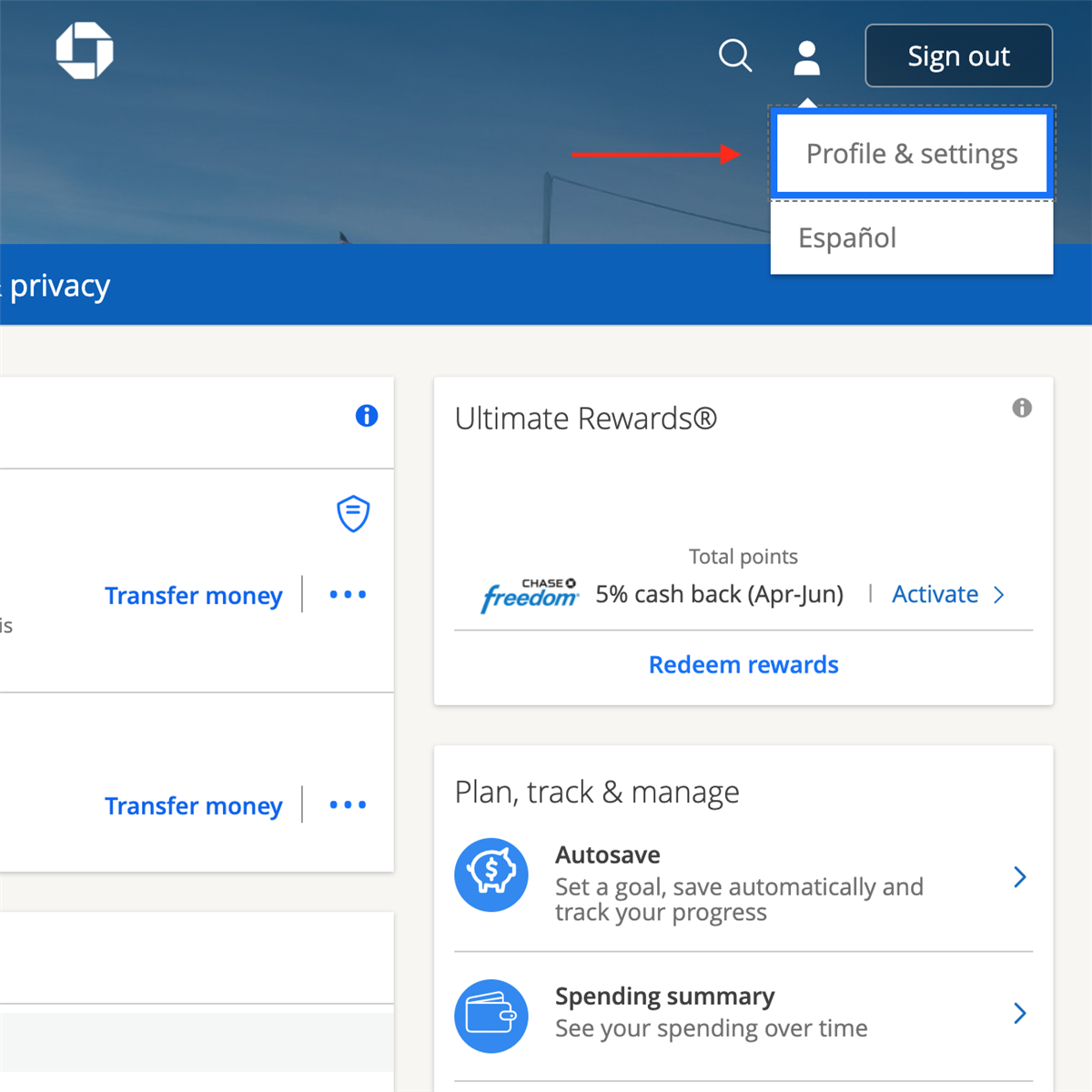
In-Branch Application: Personalized Assistance
For those who prefer a face-to-face interaction or have complex questions, applying at a Chase branch is an excellent alternative.
- Locate a Branch: Use the Chase website or mobile app to find the nearest branch location. Consider making an appointment to minimize wait times.
- Gather Documents: Bring all the essential documents and information mentioned previously (ID, SSN/ITIN, proof of address, initial deposit funds).
- Speak with a Banker: A Chase representative will guide you through the application process. They can answer any questions you have about account features, fees, and services, helping you choose the best account for your needs.
- Complete Application: The banker will assist you in filling out the application form. You’ll sign all necessary documents in person.
- Fund Your Account: You can make your initial deposit with cash, a check, or by setting up a transfer from another bank account directly with the banker.
- Immediate Access (Potentially): In some cases, you might receive a temporary debit card on the spot, allowing you immediate access to your funds before your permanent card arrives via mail. You can also usually set up online banking right away with assistance.
Funding Your New Chase Account
Making your initial deposit is a critical step to activate your new account.
- Online Transfers: The most common method for online applications. You link an existing bank account (from another institution) and authorize a transfer.
- Debit Card Transfer: Some online applications allow you to fund your account directly using a debit card from another bank.
- Cash/Check Deposit: If applying in-branch, you can deposit cash or a check directly with a teller.
- Direct Deposit: You can set up direct deposit from your employer by providing them with your new Chase routing and account numbers. This often helps waive monthly service fees on checking accounts.
Ensure your initial deposit meets any minimum requirements to avoid immediate fees or account closure.
Activating and Managing Your New Account
Once your Chase account is open, the journey towards effective financial management truly begins. Taking the right steps to activate and utilize your account’s features can significantly enhance your banking experience.
Setting Up Online Banking and Mobile App
This is a crucial step for modern banking.
- Registration: Upon receiving your account information, visit Chase.com or download the Chase Mobile® app. Click “Sign up” or “Enroll now” and follow the prompts to create your username and password. You’ll likely need your account number and SSN for verification.
- Benefits: Once set up, you can:
- View account balances and transaction history instantly.
- Transfer money between your Chase accounts or to external accounts.
- Pay bills using Chase’s Bill Pay service.
- Send and receive money with Zelle®.
- Deposit checks using your smartphone camera (mobile deposit).
- Set up account alerts for transactions, low balances, or suspicious activity.
- Access financial tools, statements, and tax documents.
- Security Features: Familiarize yourself with Chase’s security measures, including two-factor authentication, fraud monitoring, and secure messaging within the app for confidential communications.
Understanding Your Account Features and Avoiding Fees
Proactive management of your account involves understanding its terms and conditions, particularly regarding fees.
- Monthly Service Fees: Most Chase checking accounts come with a monthly service fee (e.g., $12 for Total Checking). However, Chase provides several ways to waive these fees, such as:
- Maintaining a minimum daily balance.
- Having a certain amount in direct deposits each month.
- Linking qualifying Chase accounts (e.g., specific investments or credit cards).
- Being a student (for specific student accounts).
- Make sure you understand the specific waiver requirements for your account type.
- Overdraft Protection: Chase offers various overdraft protection options, including linking to a savings account or a line of credit. Understand how these work to avoid costly overdraft fees.
- ATM Usage: While Chase ATMs are typically free, using out-of-network ATMs usually incurs fees from both Chase and the ATM owner.
- Foreign Transaction Fees: If you plan to use your debit card internationally, be aware of any foreign transaction fees that may apply.
- Debit Card Management: Activate your debit card as soon as it arrives. Set up PINs and understand daily spending and withdrawal limits.
Leveraging Chase Resources for Financial Growth
Chase provides several tools and resources to help you manage and grow your money effectively.
- Budgeting Tools: The Chase mobile app often includes features that categorize your spending, helping you visualize where your money goes and set financial goals.
- Savings Goals: You can set up specific savings goals within the app and track your progress.
- Credit Journey: Chase offers a free “Credit Journey” tool that allows you to monitor your credit score and access educational resources to improve your credit health.
- Financial Advisors: For customers with premium accounts or investment products, access to Chase or J.P. Morgan Wealth Management financial advisors can provide personalized guidance on investments, retirement planning, and wealth management.
Common Pitfalls and Best Practices
While opening a Chase account is straightforward, maintaining a healthy banking relationship requires diligence and adherence to best practices. Awareness of common pitfalls can help you protect your finances and maximize your banking benefits.
Protecting Your Account from Fraud
Financial security is paramount. Proactively protecting your Chase account is an ongoing responsibility.
- Strong, Unique Passwords: Always use strong, unique passwords for your online banking access. Consider a password manager. Enable two-factor authentication (2FA) wherever possible.
- Monitor Statements Regularly: Review your account statements and transaction history at least once a month (or more frequently via the app) to spot any unauthorized activity or errors immediately.
- Beware of Phishing Scams: Be cautious of suspicious emails, texts, or calls claiming to be from Chase. Chase will never ask for your password, full account number, or PIN via unsolicited communication. Always verify the sender and, if in doubt, contact Chase directly using a verified phone number or website.
- Report Suspicious Activity Immediately: If you notice any unauthorized transactions or believe your account has been compromised, contact Chase customer service immediately. Quick action can help limit your liability and prevent further fraud.
- Secure Your Devices: Ensure your computer and mobile devices are protected with antivirus software and kept updated. Avoid accessing online banking on public, unsecured Wi-Fi networks.
Maintaining Good Banking Habits
Cultivating good banking habits will contribute to your overall financial well-being and a positive relationship with Chase.
- Regularly Review Account Terms: Banking policies can change. Periodically review the terms and conditions of your account to stay informed about any updates to fees, waiver requirements, or services.
- Maintain Sufficient Balances: Strive to keep enough funds in your checking account to cover your transactions and avoid overdrafts. If your account has a minimum balance requirement for fee waivers, make sure you consistently meet it.
- Understand Overdraft Options: If you occasionally overdraw, understand Chase’s overdraft protection options (e.g., linking to savings) to minimize fees.
- Utilize Customer Support: Don’t hesitate to contact Chase customer support if you have questions, encounter issues, or need clarification on any banking matter. They are there to assist you.
- Set Up Alerts: Use the online banking system to set up custom alerts for various activities, such as low balance warnings, large transactions, or direct deposit notifications. This keeps you informed and proactive.

Conclusion
Opening a Chase account is a straightforward process that offers access to a powerful suite of financial tools and services. By understanding the different account types, preparing your documents, and following the application steps, you can quickly establish a robust banking relationship. More importantly, by adopting best practices for account management, staying vigilant against fraud, and leveraging Chase’s resources, you can effectively manage your money, avoid unnecessary fees, and work towards your financial goals.
Whether your primary need is everyday spending, building savings, or exploring investment opportunities, Chase provides a reliable and comprehensive platform. Take the initiative to thoroughly review your options, complete your application with care, and embrace the journey of empowered personal finance with your new Chase account.
aViewFromTheCave is a participant in the Amazon Services LLC Associates Program, an affiliate advertising program designed to provide a means for sites to earn advertising fees by advertising and linking to Amazon.com. Amazon, the Amazon logo, AmazonSupply, and the AmazonSupply logo are trademarks of Amazon.com, Inc. or its affiliates. As an Amazon Associate we earn affiliate commissions from qualifying purchases.