
In the evolving landscape of personal finance, agility is a significant asset. Consumers often find that the banking institutions that served them well five years ago may no longer align with their current financial goals, especially in an era where high-yield savings accounts (HYSAs) and digital-first fintech platforms offer competitive interest rates that dwarf those of traditional “big box” banks. JPMorgan Chase is a global banking titan with a massive physical footprint, but if you have decided that their savings products—such as the Chase Savings℠ or Chase Premier Savings℠—are no longer serving your wealth-building strategy, it is time to transition.

Closing a bank account might seem like a simple administrative task, but doing it incorrectly can lead to “zombie accounts,” unexpected fees, or missed interest payments. This guide provides a professional, step-by-step roadmap for closing your Chase savings account while maintaining total control over your financial health.
Preparing Your Finances Before Closing the Account
Before you initiate the closure process with Chase, you must perform due diligence to ensure your transition to a new financial institution is seamless. Closing an account prematurely without a plan can lead to rejected transfers or logistical headaches.
Assessing Your New Banking Destination
Before severing ties with Chase, ensure your new account is fully operational. In the current economic climate, many savvy savers are moving funds from traditional banks to online institutions offering significantly higher Annual Percentage Yields (APY). While Chase offers convenience and security, their standard savings rates are often near the national minimum. Ensure your new account is funded, your debit card has arrived, and you have access to online banking. This ensures that your “liquid” cash remains liquid during the transition period.
Clearing Pending Transactions and Automated Transfers
The most common mistake individuals make when closing a savings account is forgetting about automated “keep the change” transfers or scheduled monthly deposits. Review your Chase statement for the last three months to identify any recurring movements. If you have an automated transfer set up from your Chase checking account to your savings account, disable it immediately. If you have third-party apps (like Acorns or Digit) linked directly to that specific savings account, update those connections to your new institution to avoid “non-sufficient funds” (NSF) errors or account reopening triggers.
Moving Your Balance Safely
While you can close an account with a balance, it is cleaner to move the majority of the funds beforehand. Use the Chase mobile app or website to initiate an ACH transfer to your new bank. Leave a small buffer (perhaps $20–$50) to cover any potential trailing fees or to ensure the account remains open until you speak with a representative. Alternatively, if you have a Chase checking account, you can move the funds there instantly.
Step-by-Step Methods to Close Your Chase Savings Account
Chase offers several avenues for account closure, catering to those who prefer digital convenience and those who value face-to-face interaction. Depending on your account’s standing and your personal preference, choose one of the following methods.
Closing Your Account Online or via Mobile App
For the modern consumer, the most efficient method is using Chase’s Secure Message Center.
- Log in to your Chase online portal.
- Navigate to the “Secure Messages” section (usually found under the “More” or “Help & Support” menus).
- Select “New Message” and choose “Account Inquiry” as the topic.
- Specify that you wish to close your savings account.
- Provide the last four digits of the account number.
Note: Chase may require you to have a $0 balance before they process a closure via secure message. If your account has a significant balance, they may prompt you to call or visit a branch for security reasons.
Closing Over the Phone with Customer Service
If you prefer immediate confirmation, calling Chase’s customer service is a reliable route. You can reach Chase at 1-800-935-9935.
When speaking with a representative, be prepared for a “retention pitch.” Bank employees are often trained to offer incentives—such as waiving monthly service fees for a period—to keep you as a customer. Stay firm in your decision if your goal is financial consolidation or moving to a higher interest rate elsewhere. Request a confirmation number for the closure and ask them to mail a formal closing statement to your address on file.

Visiting a Local Chase Branch
For individuals with complex financial profiles or those who want to walk out with a cashier’s check for their remaining balance, visiting a branch is the best option. You will need to bring a valid government-issued ID. A personal banker will sit down with you, verify your identity, and process the closure on the spot. This is the most “final” way to handle the process, as you can ensure the balance is handed to you in cash or a check, and you can receive a printed receipt confirming the account status is “Closed.”
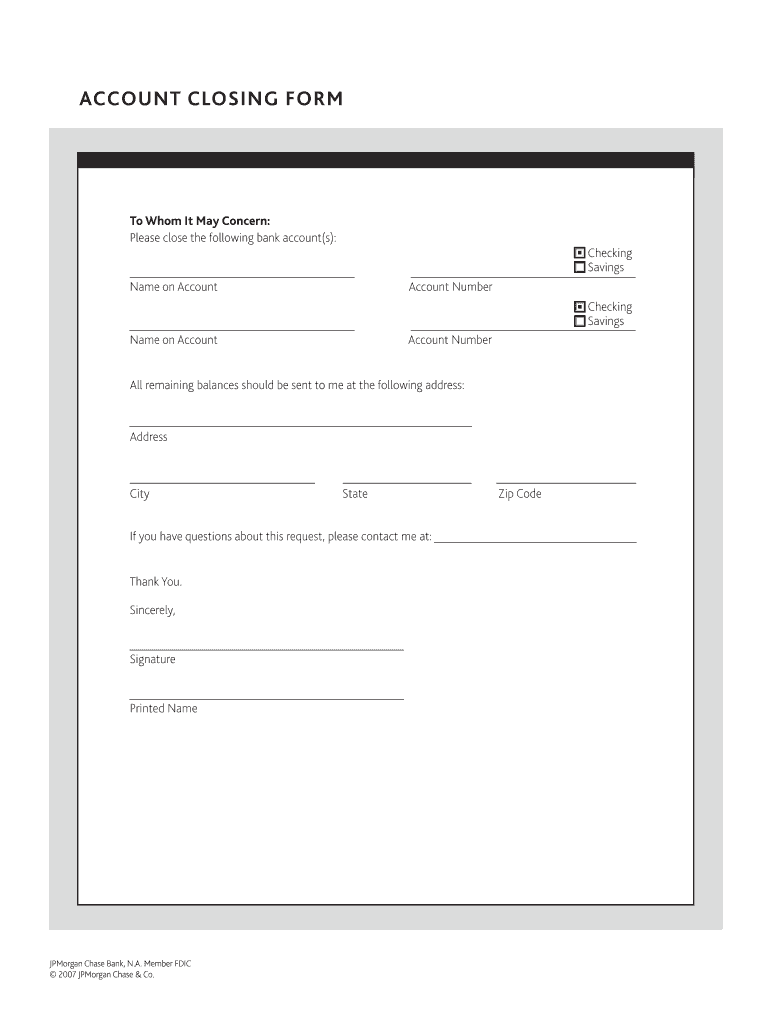
Submitting a Written Request by Mail
While less common today, you can close your account by sending a notarized letter to Chase. This is often used by those living abroad or individuals handling the estate of a deceased family member. The letter should include your name, account number, and instructions on where to send the remaining balance.
Important Considerations and Potential Pitfalls
Closing a bank account involves more than just bringing the balance to zero. To protect your financial reputation and ensure you don’t lose money in the process, keep the following variables in mind.
Understanding Final Statement and Interest Accrual
Savings accounts accrue interest daily and pay out monthly. If you close your account mid-month, ask the representative how your “trailing interest” will be handled. Usually, the bank will calculate the interest earned up to the day of closure and include it in your final payout. If you close the account online without checking this, you might leave a few dollars on the table.
Checking for Early Account Closure Fees
While Chase does not typically charge a fee specifically for the act of closing an account, many banks have an “Early Account Closure” policy. If you opened the account very recently (usually within 90 to 180 days) and received a promotional sign-up bonus, closing the account early might result in the bank clawing back that bonus. Always read the fine print of your initial account agreement to ensure you aren’t forfeiting a $200 or $300 bonus by closing the account too soon.
Impact on Your Credit Score and Relationship with Chase
One common myth in personal finance is that closing a savings account hurts your credit score. Unlike credit cards, which factor into your credit utilization and age of credit, savings accounts are not reported to the major credit bureaus (Equifax, Experian, and TransUnion).
However, the closure is recorded in ChexSystems, a reporting agency that banks use to track account history. As long as you close the account with a positive or zero balance, this will have no negative impact. If you close an account that is overdrawn, it could make it difficult to open a bank account elsewhere in the future.
Post-Closure Steps for Financial Organization
Once the account is officially closed, your job isn’t quite finished. Proper financial hygiene requires a few follow-up actions to ensure the “ghost” of your old account doesn’t cause future complications.
Retaining Digital and Physical Records
Download your last 12 to 24 months of bank statements before you lose access to the online portal. Once an account is closed, your login credentials may eventually expire or the account will disappear from your dashboard. These statements are vital for tax purposes, especially if the account earned more than $10 in interest, as Chase will issue a 1099-INT form at the end of the year.
Updating Third-Party Payment Links
In our interconnected digital economy, your savings account might be linked to more places than you realize. Check your settings on:
- Venmo, PayPal, or Cash App.
- Investment platforms like Vanguard, Fidelity, or Robinhood.
- Utility companies (if you used the savings account for direct debit).
Failing to update these can lead to “Return to Sender” fees from the merchant and potential late fees if a payment fails.
Reallocating Your Savings for Better Growth
The final and most important step in this financial transition is making your money work harder. If you moved your funds out of Chase because of low interest rates, ensure those funds are now sitting in an asset class that aligns with your goals. Whether it is a high-yield savings account currently offering 4-5% APY, a Certificate of Deposit (CD) for a fixed term, or a diversified brokerage account, the goal of closing your Chase account should be the optimization of your net worth.
Closing a Chase savings account is a powerful move toward intentional money management. By following these steps, you eliminate the clutter of unused accounts and position yourself to take advantage of better financial opportunities in the broader market. Professionalism in your banking transitions ensures that your path to wealth remains clear of unnecessary hurdles.
aViewFromTheCave is a participant in the Amazon Services LLC Associates Program, an affiliate advertising program designed to provide a means for sites to earn advertising fees by advertising and linking to Amazon.com. Amazon, the Amazon logo, AmazonSupply, and the AmazonSupply logo are trademarks of Amazon.com, Inc. or its affiliates. As an Amazon Associate we earn affiliate commissions from qualifying purchases.