
In the modern era of the “subscription economy,” our monthly bank statements have become a labyrinth of recurring charges. From streaming services and software suites to satellite radio, the convenience of automated billing often masks the slow erosion of personal cash flow. Sirius XM, a pioneer in the satellite radio space, remains a staple for many drivers, yet it is also one of the most frequently cited examples of “subscription fatigue.” For the financially conscious consumer, learning how to effectively cancel Sirius XM is more than just a customer service hurdle—it is a critical exercise in reclaiming financial agency and optimizing a household budget.
The Economics of Subscription Fatigue and Household Cash Flow
Before diving into the mechanics of cancellation, it is essential to understand why services like Sirius XM represent a significant focal point in personal finance management. Subscription fatigue is a documented economic phenomenon where the sheer number of recurring payments leads to consumer burnout and financial leakage.
The Rise of the “Invisible” Recurring Expense
Most consumers do not view a $15 or $20 monthly charge as a threat to their financial stability. However, when aggregated across ten or fifteen different services, these “micro-transactions” can account for hundreds of dollars in monthly outflows. Sirius XM often falls into the category of an “invisible” expense—a service that was perhaps bundled with a new vehicle purchase and transitioned into a paid subscription without a rigorous cost-benefit analysis by the user. In the context of wealth building, every dollar that leaves your account for a service you do not fully utilize is a dollar that loses its ability to compound in a high-yield savings account or an index fund.
Identifying the Opportunity Cost of Satellite Radio
When evaluating whether to cancel Sirius XM, one must consider the opportunity cost. If a standard Platinum plan costs approximately $23 per month, the annual expenditure sits at roughly $276. Over five years, that is nearly $1,400. If that same amount were redirected into a diversified brokerage account with an average 7% annual return, the long-term impact on your net worth is far greater than the value of ad-free radio. In a high-interest environment, the importance of “found money”—cash reclaimed from unnecessary subscriptions—cannot be overstated.
Navigating the Sirius XM Cancellation Process: A Strategic Approach
Canceling a service like Sirius XM is notoriously more complex than canceling a modern digital app like Netflix. This is largely due to their “retention-heavy” business model. To successfully cancel and ensure your money stays in your pocket, you must approach the process with a strategic mindset.
Online Cancellation vs. The Retention Department
Historically, Sirius XM required users to call a dedicated “retention” line to cancel, a tactic designed to put the consumer face-to-face with a trained salesperson whose job is to prevent the cancellation. While some states have passed “Click to Cancel” laws that force companies to offer online cancellation, many users still find themselves funneled toward a live chat or phone representative.
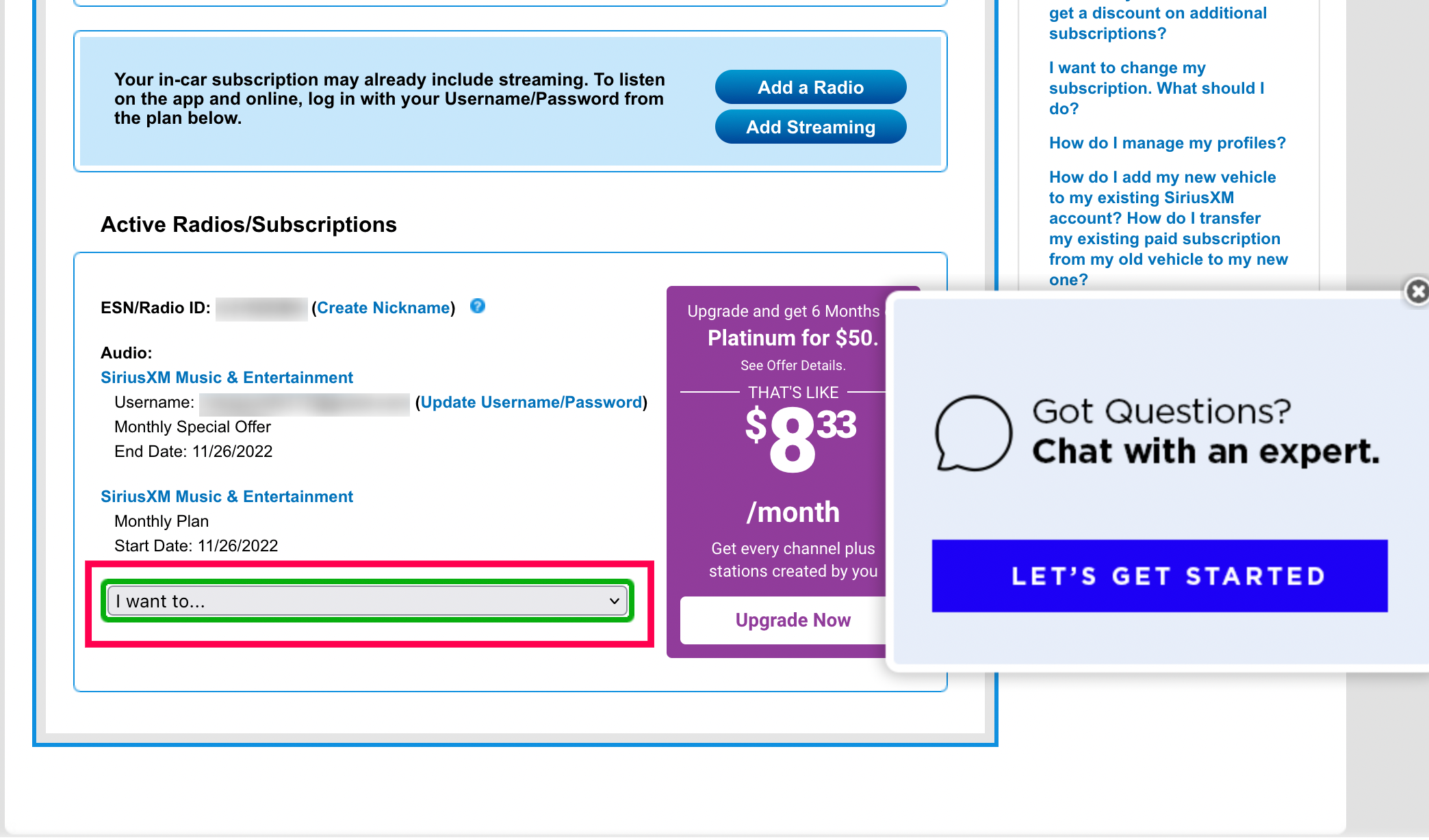
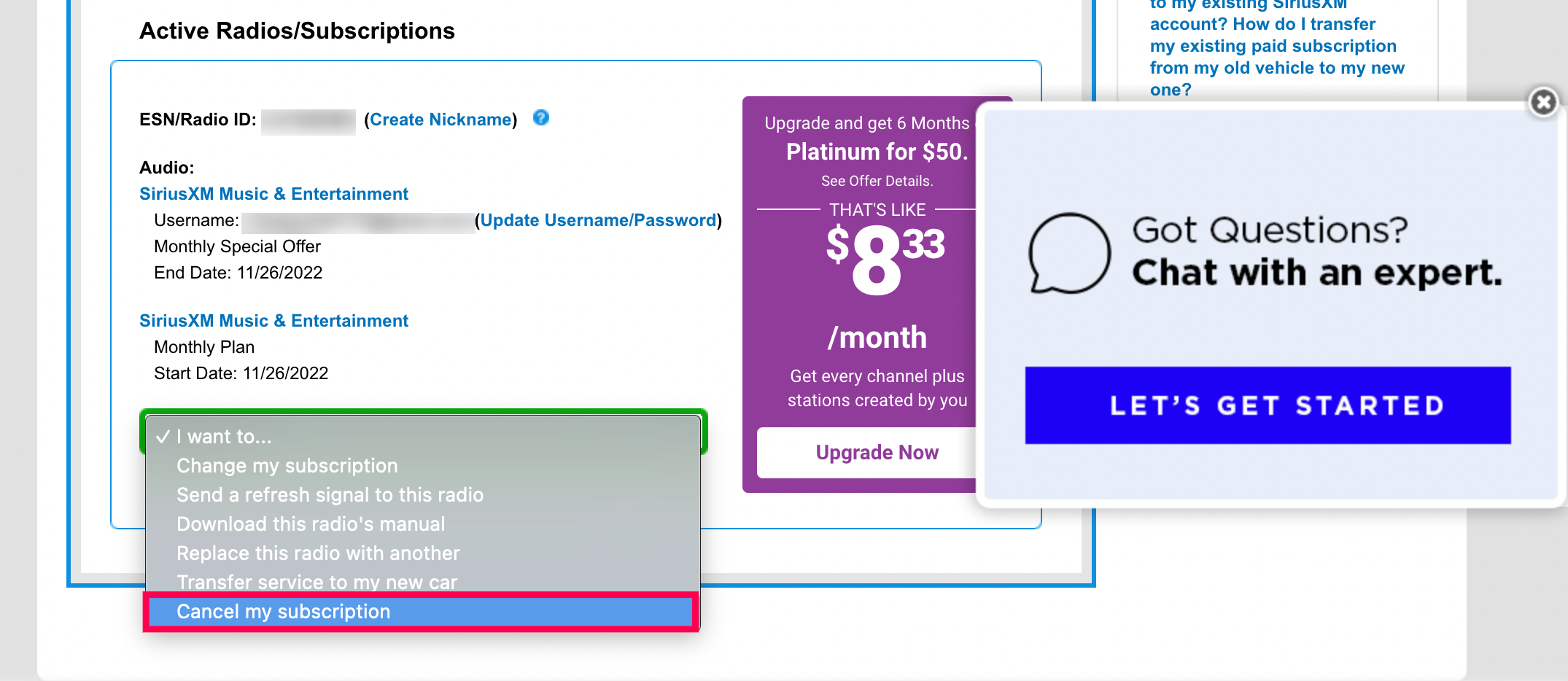
To cancel online, you must log into your Account Management portal on the Sirius XM website. Look for the “Manage Subscription” tab. If the option to cancel online is available for your specific plan and region, proceed through the prompts. Be wary of “save offers”—discounted rates designed to keep you subscribed. From a financial perspective, a discount is only a “deal” if you were planning to keep the service anyway. If your goal is zero expenditure, any discounted price is still a loss.
Mastering the “Retention Specialist” Negotiation
If you are required to call (1-866-635-2349), you are entering a financial negotiation. The representative will likely offer you three months for free, or a significantly reduced rate (e.g., $5 per month for a year).
For the financially disciplined, this is a crossroads:
- The Pure Cancellation: If the goal is strictly to clean up your budget, stay firm. Use the phrase, “I am not interested in any offers; please process the cancellation effective immediately.”
- The Tactical Downgrade: If you enjoy the service but hate the price, the cancellation call is the best time to lower your cost basis. By threatening to leave, you can often reduce your bill by 70-80%. However, ensure you set a calendar reminder for when that promotional period ends, as the price will automatically jump back to the “rack rate,” sabotaging your budget once again.
Securing Proof of Cancellation
The final, and most crucial, step in the process from a financial security standpoint is obtaining a cancellation confirmation number. Subscription services are notorious for “glitches” that result in continued billing even after a customer believes they have canceled. Record the date, the time of the call, the name of the representative, and the confirmation code. Without this documentation, disputing a future charge with your credit card issuer becomes significantly more difficult.
Reclaiming Your Cash Flow: Financial Benefits of Trimming Services
The act of canceling Sirius XM should not be viewed in isolation. Rather, it should be the catalyst for a broader audit of your financial life. Reclaiming $20 a month is a small win; establishing a system to prevent future “subscription creep” is a major victory.
Calculating Annual Savings and Reallocation
Once the cancellation is confirmed, immediately decide where that money will go. If you don’t “assign” that $23, it will likely disappear into other discretionary spending.
- Debt Reduction: Apply that $23 to the principal of your highest-interest credit card.
- Emergency Fund: Automate a transfer of that exact amount to a high-yield savings account (HYSA).
- Retirement: Increase your 401(k) or IRA contribution by a corresponding percentage.
By treating the “saved” money as an active investment rather than passive savings, you transform a simple administrative task into a wealth-building event.
The Alternatives: Cost-Effective Entertainment
In the “Money” niche, we look for high value at a low cost. If you cancel Sirius XM, you aren’t necessarily losing access to audio entertainment. Many alternatives are “sunk costs” you are already paying for. For example, Amazon Prime members have access to Amazon Music, and many cellular plans include bundled Spotify or Apple Music subscriptions. Furthermore, the “Podcast” ecosystem is entirely free and offers more niche content than satellite radio ever could. Shifting from a paid radio service to a free or pre-bundled alternative is a classic “substitution effect” that improves your bottom line without sacrificing quality of life.
Consumer Rights and the Legal Landscape of Billing
Understanding the legal framework around subscriptions can help you protect your assets from predatory billing practices. As personal finance becomes more digital, the government has stepped in to provide consumers with more leverage.
The FTC and “Dark Patterns”
The Federal Trade Commission (FTC) has recently increased scrutiny on “dark patterns”—user interface designs that make it intentionally difficult to cancel a service or hide the total cost of a subscription. Sirius XM has faced legal challenges regarding these practices in the past. As a consumer, knowing that you have the right to a transparent cancellation process is empowering. If a company makes it impossible to cancel online despite allowing online sign-ups, they may be in violation of evolving “Restore Online Shoppers’ Confidence Act” (ROSCA) guidelines.
Protecting Your Credit and Using Virtual Cards
A sophisticated financial strategy for managing subscriptions like Sirius XM involves using “Virtual Credit Cards” (offered by providers like Privacy.com or some major banks like Capital One). These allow you to create a unique card number for a specific merchant with a “spend limit.”
If you set a limit of $1 on a Sirius XM virtual card after canceling, the company cannot accidentally (or intentionally) charge you the full monthly rate the following month. This “hard stop” prevents “zombie subscriptions” from damaging your credit score or draining your checking account. It shifts the power dynamics back to the consumer, ensuring that your money only moves when you explicitly authorize it.
The Final Audit: Ensuring the Charge is Gone
A month after your cancellation, perform a “Subscription Audit.” Check your credit card statement or bank ledger. If you see a charge from Sirius XM, do not simply call them back; initiate a “chargeback” or “dispute” with your bank using your cancellation confirmation number as evidence. This not only gets your money back but also alerts financial institutions to the merchant’s poor practices, which can eventually lead to higher processing fees for the company, incentivizing them to improve their cancellation workflows.
Conclusion: Financial Discipline Through Direct Action
Canceling Sirius XM is a microcosm of effective personal finance management. It requires an awareness of where your money is going, the discipline to stop unnecessary outflows, and the strategic thinking to navigate corporate retention tactics. In a world where companies are designed to extract small amounts of wealth from you on a perpetual loop, the ability to say “no” and successfully decouple your finances from a service is a vital skill.
By following a structured cancellation process, documenting your actions, and reallocating the saved funds into productive assets, you do more than just stop a radio subscription. You reinforce the habit of financial mindfulness. Every $20 saved and invested is a brick in the wall of your financial independence. Start with Sirius XM, but don’t stop there. Audit every recurring line item until your budget reflects your actual priorities, not just the marketing goals of a corporation.
aViewFromTheCave is a participant in the Amazon Services LLC Associates Program, an affiliate advertising program designed to provide a means for sites to earn advertising fees by advertising and linking to Amazon.com. Amazon, the Amazon logo, AmazonSupply, and the AmazonSupply logo are trademarks of Amazon.com, Inc. or its affiliates. As an Amazon Associate we earn affiliate commissions from qualifying purchases.