
The modern digital landscape is defined by the “subscription economy.” From cloud storage and streaming services to automated e-commerce deliveries, the average consumer navigates a complex web of recurring digital agreements. At the center of this ecosystem sits Amazon Prime, a multifaceted service that integrates logistics, digital media, and cloud computing. However, as user needs evolve and digital fatigue sets in, the technical process of decoupling from such a deeply integrated platform becomes a critical skill for the digitally literate.
Navigating the technical architecture of Amazon’s membership management requires more than just a passing knowledge of web interfaces; it requires an understanding of user experience (UX) design, digital retention strategies, and the cross-platform synchronization of account data. This guide provides a comprehensive technical breakdown of how to cancel Prime, analyzing the interface hurdles and the underlying software logic that governs the process.
Decoding the Interface: Navigating the Complexities of Subscription Management
Amazon’s digital infrastructure is designed for “frictionless” acquisition. Adding a service or opting into a trial is often a one-click process. Conversely, the exit path is frequently characterized by what UX designers call “friction”—deliberate design choices that slow the user down to encourage reconsideration. To successfully navigate this, one must understand the hierarchy of the Amazon Account settings.
The Digital Architecture of Amazon’s Account Settings
The Amazon web portal is a massive exercise in information architecture. The “Your Account” section acts as the central hub for a variety of disparate databases, including order history, payment methods, and digital content libraries. When you attempt to cancel a Prime membership, you are interacting with the “Memberships & Subscriptions” module.
This module is not merely a static page; it is a dynamic interface that pulls real-time data regarding your usage habits to present personalized “save” offers. Accessing this requires navigating through the top-tier navigation bar, selecting “Account & Lists,” and pinpointing the “Prime” sub-menu. From a technical standpoint, this is the first gate in a multi-layered authentication and confirmation sequence designed to ensure the request is intentional.
Identifying the User Interface Pathways
Once inside the Prime management dashboard, the user is met with a layout that prioritizes “Value Reinforcement.” Before the option to cancel is presented, the interface displays data points such as “Shipping Benefits Used” or “Video Minutes Streamed.” This is a data-driven attempt to increase the “switching cost” in the mind of the user.
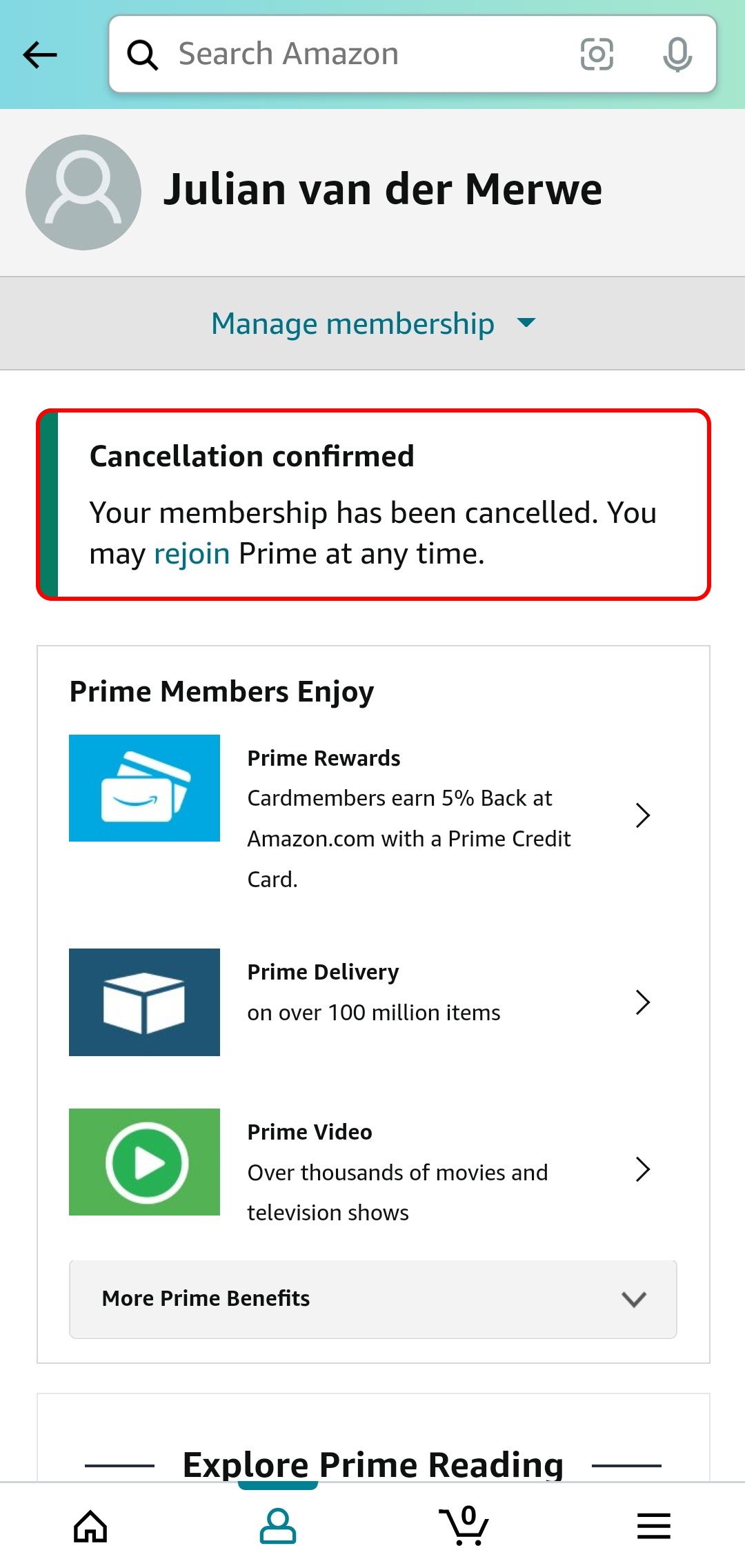
The technical pathway to cancellation is usually located under the “Manage Membership” dropdown. Unlike the prominent “Sign Up” buttons found on the homepage, the “End Membership” link is often rendered in a smaller font or nested within a secondary menu. Navigating this requires a methodical approach: selecting “Update, Cancel and More” to reveal the final administrative options.
Bypassing “Dark Patterns”: Understanding the Psychology of Digital Retention
In the world of software design, “dark patterns” refer to user interfaces crafted to trick or manipulate users into making choices they might not otherwise make. When cancelling a high-tier service like Prime, users encounter several of these patterns, ranging from “confirmshaming” to the “roach motel” (where getting in is easy, but getting out is difficult).
What are Dark Patterns in UX Design?
Dark patterns in subscription management are a point of significant interest for digital security experts and regulatory bodies alike. For example, during the cancellation flow, Amazon may use “misdirection,” highlighting a “Remind Me Later” button in a bright, primary color while making the “Continue to Cancel” button a neutral, less noticeable grey.
Technically, these are implemented via CSS and A/B testing to determine which layouts result in the lowest “churn rate” (the percentage of users who successfully complete the cancellation). By analyzing these patterns, users can more effectively navigate the software without being swayed by the interface’s psychological cues.
The Three-Step Hurdle: Resisting the “Are You Sure?” Prompts
The cancellation process is rarely a single click. It typically involves a three-stage sequence:
- The Acknowledgment: The user clicks “End Membership.”
- The Mitigation: The software displays a page of lost benefits and potential savings, requiring a second click to “Continue to Cancel.”
- The Final Confirmation: A third page asks for a final confirmation, often accompanied by an offer to switch to a cheaper tier (like a monthly instead of an annual plan).
Understanding that this is an automated software loop—not a technical error or a sign that the first click failed—is essential for any user looking to prune their digital subscriptions.
Cross-Platform Execution: Cancelling via App vs. Desktop

Amazon’s ecosystem is fragmented across various operating systems, including iOS, Android, and web browsers. Each platform uses a different codebase and API (Application Programming Interface) structure to handle account changes, leading to slight variations in the user journey.
Mobile App Strategy: Navigating the “Your Account” Menu
On the Amazon mobile app, the interface is optimized for vertical scrolling and touch interaction. The path to cancellation is hidden within the “hamburger” menu (the three horizontal lines) or the “Profile” icon at the bottom of the screen.
Because mobile real estate is limited, the “Manage Membership” options are often buried deeper than on the desktop version. Users must navigate to “Your Account,” scroll to “Account Settings,” and then find “Manage Prime Membership.” Interestingly, the mobile app often uses “haptic feedback” or specific loading animations to confirm actions, which can sometimes make the cancellation process feel more “final” or impactful to the user.
Desktop Precision: The Benefits of a Larger Interface for Digital Management
For users who want the most transparent view of their digital footprint, the desktop browser remains the superior tool. The wide-screen format allows for a clearer view of all menu options simultaneously, making it easier to spot the “hidden” links mentioned earlier.
Furthermore, using a desktop allows for the use of browser extensions that can detect and highlight dark patterns or provide “virtual credit card” numbers to manage subscriptions. From a technical troubleshooting perspective, the desktop version also provides easier access to “Customer Service” chat windows if the automated cancellation script fails due to a backend error.
Post-Cancellation Logistics: Data Privacy and Digital Residue
Cancelling a Prime membership is not merely about stopping a payment; it involves the reconfiguration of your digital identity within the Amazon database. There are several technical considerations regarding what happens to your data once the “Prime” flag is removed from your account.
What Happens to Your Digital History and Prime Video Library?
One of the most common technical concerns is the fate of purchased versus rented content. While Prime Video’s “included with Prime” library becomes inaccessible, any content purchased “a la carte” remains linked to your Amazon ID. The software must distinguish between “subscription-based access rights” and “permanent digital ownership.”
Furthermore, users of Amazon Photos (the cloud storage service) must be aware of the “grace period.” When a Prime account is downgraded, the unlimited photo storage benefit is revoked, and the account reverts to the standard 5GB limit. If your data exceeds this, the software may prevent further uploads or eventually delete excess files after a specific technical window.
Managing Third-Party App Permissions After Prime
Amazon Prime often serves as a “Single Sign-On” (SSO) or a gateway for other services, such as Twitch (Prime Gaming) or various “Channels” (like HBO or Paramount+). When you cancel the parent subscription, the API sends a “termination signal” to these third-party integrations. It is a best practice to manually audit these connections in your “Login with Amazon” settings to ensure no residual data-sharing persists after the membership has ended.
The Future of Subscription Software and “One-Click” Regulations
The difficulty of cancelling digital services has caught the attention of global tech regulators. This has led to a shift in how companies design their subscription software, moving toward more transparent and user-friendly models.
Evolving FTC Guidelines on “Click-to-Cancel”
In the United States, the Federal Trade Commission (FTC) has proposed “Click-to-Cancel” rules that would mandate that cancelling a subscription be as easy as signing up for one. From a software development perspective, this would require companies like Amazon to refactor their backend workflows to remove the “multi-page” confirmation loops. This represents a significant shift in “RegTech” (Regulatory Technology), where law begins to dictate the specific UX/UI flow of commercial software.

The Tech Industry’s Shift Toward Transparent Subscription Models
As users become more tech-savvy, there is a growing demand for “subscription transparency” tools. We are seeing the rise of “fintech” apps that act as an intermediary layer, allowing users to view and cancel all their digital subscriptions from a single dashboard by interacting with bank APIs. This bypasses the merchant’s interface entirely, representing the next step in the evolution of digital autonomy.
In conclusion, knowing “how to cancel Prime” is an exercise in navigating modern software design. By understanding the underlying architecture, recognizing the psychological triggers of the interface, and preparing for the technical aftermath of data reconfiguration, users can maintain control over their digital lives. As the tech world moves toward stricter regulations and more transparent interfaces, the power dynamic is slowly shifting back to the consumer, one “cancel” button at a time.
aViewFromTheCave is a participant in the Amazon Services LLC Associates Program, an affiliate advertising program designed to provide a means for sites to earn advertising fees by advertising and linking to Amazon.com. Amazon, the Amazon logo, AmazonSupply, and the AmazonSupply logo are trademarks of Amazon.com, Inc. or its affiliates. As an Amazon Associate we earn affiliate commissions from qualifying purchases.