
Understanding your annual income is the cornerstone of effective personal finance management. Whether you are applying for a mortgage, planning a rigorous household budget, or negotiating a salary for a new position, knowing exactly how much money you bring in over a twelve-month period is essential. While the concept may seem straightforward—totaling your earnings from January to December—the reality of modern compensation structures means that “income” often involves more than just a base salary.
In this guide, we will explore the nuances of calculating annual income across various employment types, distinguish between gross and net earnings, and explain how to factor in variable components like bonuses, dividends, and side hustles to provide a clear picture of your financial standing.
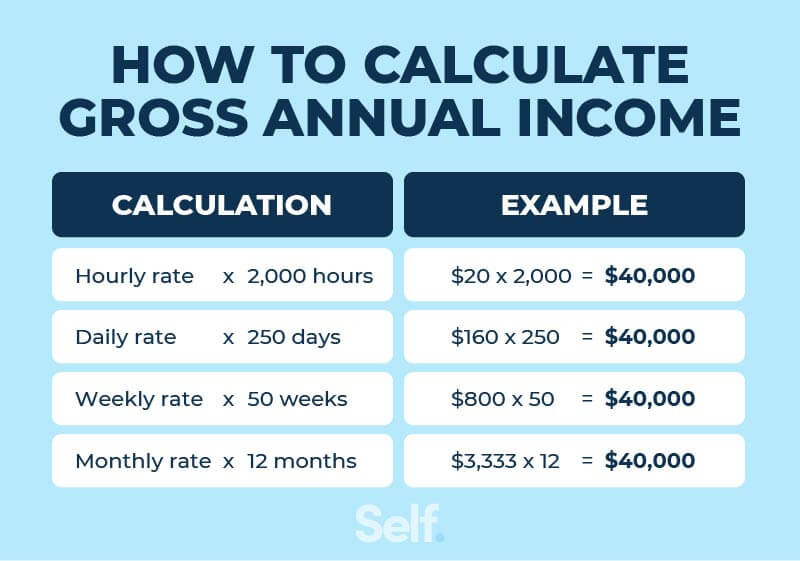
The Foundations of Gross Annual Income Calculation
Gross annual income represents the total amount of money you earn before taxes and other deductions are taken out. For many, this is the figure requested by lenders and credit card companies because it reflects your total earning potential. The method of calculation varies significantly depending on how you are compensated.
Calculating Income for Salaried Employees
For those on a fixed annual salary, the calculation is the most direct. Your gross annual income is typically stated in your employment contract. However, if you receive your pay in increments, you can verify this by multiplying your gross pay per period by the number of pay periods in a year.
- Weekly: Multiply by 52.
- Bi-weekly (every two weeks): Multiply by 26.
- Semi-monthly (twice a month): Multiply by 24.
- Monthly: Multiply by 12.
The Math for Hourly Workers
Hourly employees face more variability due to fluctuating schedules. To find your annual income, start with your hourly rate. If you work a standard 40-hour work week, 52 weeks a year, you are working a total of 2,080 hours. Multiplying your hourly wage by 2,080 provides a standard baseline. If your hours vary, it is more accurate to look at your year-to-date (YTD) earnings on a late-December pay stub or average your last three months of income to project the full year.
Projecting Income for Freelancers and Gig Workers
In the modern economy, many individuals derive their income from 1099 contracts or freelance platforms. Because this income is often inconsistent, the most professional way to calculate annual income is to use a “trailing twelve months” (TTM) approach. Sum all invoices paid over the last year. It is also prudent to subtract direct business expenses (like software subscriptions or home office costs) to find your “Adjusted Gross Income,” as this is what truly impacts your personal financial liquidity.
Distinguishing Between Gross and Net Annual Income
While gross income is the figure used for loan applications, net income—or “take-home pay”—is the figure that determines your lifestyle. Understanding the gap between these two numbers is vital for preventing “lifestyle creep” and ensuring you don’t overextend your finances.
The Impact of Statutory Deductions
Your net annual income is what remains after federal, state, and local taxes are withheld. Additionally, FICA (Federal Insurance Contributions Act) taxes, which fund Social Security and Medicare, usually account for 7.65% of your gross earnings up to a certain limit. For a professional earning $100,000, the difference between gross and net can be as much as 25% to 35%, depending on the tax jurisdiction.
Benefits and Voluntary Contributions
Beyond taxes, many professionals have voluntary deductions that further reduce their net annual income. These include:
- Retirement Contributions: Pre-tax 401(k) or 403(b) contributions reduce your current taxable income but also lower your immediate take-home pay.
- Healthcare Premiums: Monthly costs for medical, dental, and vision insurance.
- Flexible Spending Accounts (FSA) or Health Savings Accounts (HSA): These are tax-advantaged accounts that help pay for medical expenses.
When calculating your net annual income for budgeting purposes, it is best to look at your actual bank deposits over the course of a year rather than relying on your gross contract amount.

Incorporating Variable Income and Passive Streams
A truly comprehensive calculation of annual income must look beyond the “earned income” from a primary employer. In a sophisticated financial plan, variable and passive income streams play a significant role in total wealth accumulation.
Factoring in Bonuses, Commissions, and Overtime
If your compensation package includes performance-based bonuses or sales commissions, these must be treated carefully. Because they are not guaranteed, conservative financial planners often exclude them when calculating a “floor” for basic living expenses but include them when calculating “ceiling” goals like investments or luxury purchases. To include them in an annual figure, look at the average of these payments over the last two to three years to account for market volatility.
Investment Income and Dividends
For those who have moved from mere saving to active investing, annual income should include dividends and interest. If you hold dividend-paying stocks or ETFs in a taxable brokerage account, these payouts constitute part of your annual cash flow. While many investors choose to reinvest these dividends automatically (DRIP), they still count as realized income for tax purposes and contribute to your overall financial power.
Side Hustles and Rental Income
If you own rental property or run a small business on the side, this income must be added to your total. For rental income, ensure you are calculating the “net rental income”—the rent collected minus mortgage interest, property taxes, insurance, and maintenance. Adding these secondary streams provides a “Total Compensation” view, which is essential for high-level wealth management.
Using Your Annual Income for Strategic Financial Planning
Once you have arrived at a precise annual income figure, the next step is applying that data to improve your financial position. Knowing the number is only the beginning; using it as a tool for leverage is where true financial growth happens.
Calculating Your Debt-to-Income (DTI) Ratio
Lenders use your gross annual income to calculate your DTI ratio, a critical metric for securing mortgages or business loans. To find your DTI, divide your total monthly debt payments by your monthly gross income. A ratio of 36% or lower is generally considered healthy. If your calculated annual income reveals a higher DTI, your strategy should shift toward aggressive debt repayment or seeking income-increasing opportunities.
Implementing the 50/30/20 Budgeting Rule
Professional financial advisors often recommend the 50/30/20 rule, which is based entirely on your net annual income.
- 50% for Needs: Housing, utilities, groceries, and transportation.
- 30% for Wants: Dining out, travel, and hobbies.
- 20% for Savings and Debt Repayment: Building an emergency fund or investing in the market.
By knowing your exact annual take-home pay, you can mathematically allocate funds to these categories, ensuring that you are living within your means while simultaneously building a legacy.
Tax Planning and Optimization
Understanding your annual income allows you to project your tax bracket. If you realize your annual income is pushing you into a higher marginal tax rate, you can take proactive steps to lower your taxable income. This might include increasing contributions to a traditional 401(k), donating to charity, or harvesting investment losses to offset gains. Without an accurate calculation of your annual income mid-year, these opportunities for tax optimization are often lost.

Conclusion: The Power of Financial Literacy
Calculating your annual income is far more than a mathematical exercise; it is an act of financial self-awareness. It provides the clarity needed to make informed decisions about career moves, large-scale purchases, and long-term investment strategies. By breaking down your earnings into gross and net figures, and accounting for every variable from hourly wages to investment dividends, you gain a panoramic view of your economic landscape.
In a world where financial stability is increasingly tied to one’s ability to manage complex data, mastering the calculation of your income is the first step toward true financial independence. Whether you are aiming to climb the corporate ladder, expand a business, or simply secure a comfortable retirement, your annual income is the primary engine of your progress. Treat it with the precision and attention it deserves.
aViewFromTheCave is a participant in the Amazon Services LLC Associates Program, an affiliate advertising program designed to provide a means for sites to earn advertising fees by advertising and linking to Amazon.com. Amazon, the Amazon logo, AmazonSupply, and the AmazonSupply logo are trademarks of Amazon.com, Inc. or its affiliates. As an Amazon Associate we earn affiliate commissions from qualifying purchases.