
Investing in equity represents an exciting and potentially lucrative path to building wealth. At its core, buying equity means purchasing a share of ownership in a company. This ownership stake grants you a claim on the company’s assets and earnings, and potentially, a voice in its future direction, however small. For many, equity serves as a cornerstone of a robust financial portfolio, offering the potential for significant capital appreciation and regular income through dividends.
However, the world of equity investment can appear complex, brimming with jargon and a multitude of options. From individual stocks to sophisticated funds and private placements, understanding the various avenues and processes is crucial for making informed decisions. This comprehensive guide aims to demystify the process of buying equity, providing a clear roadmap for both nascent investors and those looking to refine their strategies within the realm of personal finance and investing. We will explore the fundamental concepts, outline the major investment vehicles, detail the practical steps involved, and highlight essential considerations to navigate the market successfully.
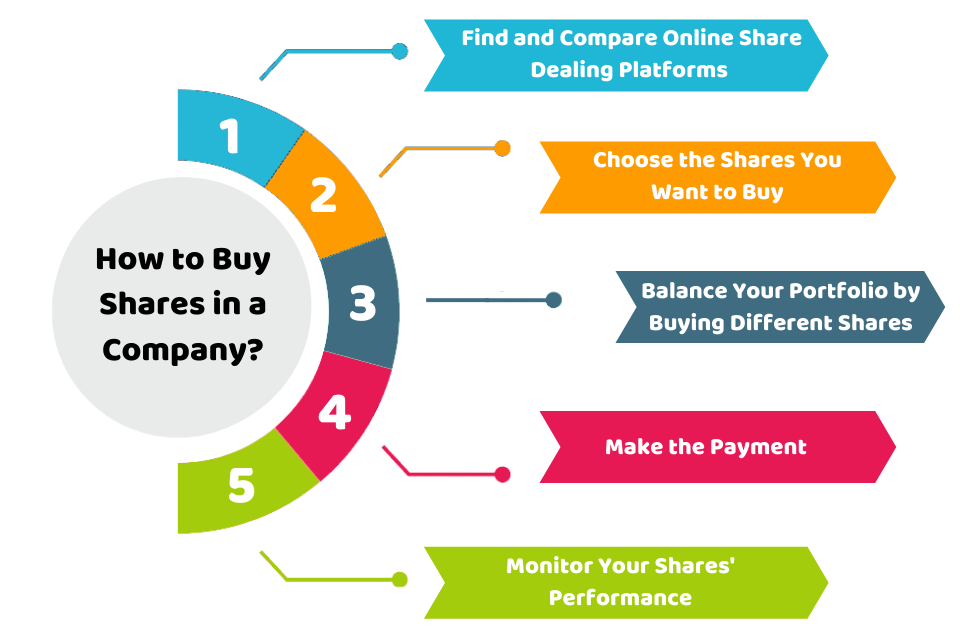
Understanding the Fundamentals of Equity
Before diving into the “how,” it’s essential to grasp the “what” and “why” of equity. A solid foundational understanding will empower you to make more confident and strategic investment choices.
What is Equity?
In simple terms, equity represents ownership. When you buy equity in a company, you become a shareholder, meaning you own a piece of that business. This ownership can take several forms, most commonly through shares of stock.
- Common Stock: This is the most prevalent type of equity. Common stockholders typically have voting rights at shareholder meetings, allowing them to influence corporate policy and elect the board of directors. Their potential for returns is generally higher, but they are also last in line to receive assets in case of liquidation, after bondholders and preferred stockholders.
- Preferred Stock: Preferred stock usually does not carry voting rights but offers a fixed dividend payment that takes precedence over common stock dividends. In the event of liquidation, preferred stockholders have a higher claim on assets than common stockholders.
- Market Value vs. Book Value: It’s important to distinguish between the market value of equity (the current price at which shares are traded on an exchange) and the book value (the net asset value of a company, calculated by subtracting liabilities from assets). While market value reflects investor sentiment and future expectations, book value provides a more tangible measure of a company’s intrinsic worth.
Why Invest in Equity?
People invest in equity for a multitude of compelling reasons, primarily centered on wealth creation and financial security.
- Potential for Capital Appreciation: The primary allure of equity investment is the potential for your shares to increase in value over time. As a company grows, becomes more profitable, or develops innovative products, its stock price tends to rise, allowing investors to sell their shares for a profit.
- Dividend Income: Many companies distribute a portion of their profits to shareholders in the form of dividends. These payments, usually quarterly, can provide a steady stream of income, especially for investors focused on generating cash flow from their portfolios.
- Inflation Hedge: Over long periods, equities have historically outperformed inflation, meaning they can help preserve and grow your purchasing power. Unlike cash, which erodes in value due to inflation, well-chosen stocks can grow faster than the rate of inflation.
- Building Long-Term Wealth: Equity investing, particularly when approached with a long-term perspective, is one of the most effective strategies for accumulating substantial wealth. The power of compounding, where returns generate further returns, significantly amplifies the growth of your investments over decades.
Navigating the Major Avenues for Equity Investment
Once you understand the basic concepts, the next step is to explore the various vehicles available for buying equity. Each avenue offers distinct advantages and caters to different investor profiles and goals.
Publicly Traded Stocks
Buying publicly traded stocks means purchasing individual shares of companies listed on stock exchanges like the New York Stock Exchange (NYSE) or NASDAQ. This is often what people visualize when they think about “buying equity.”
- Direct Ownership of Shares: When you buy a stock like Apple (AAPL) or Microsoft (MSFT), you directly own a small piece of that specific company. This allows for concentrated bets on companies you believe in.
- Individual Stock Analysis: Successful individual stock picking often requires thorough research, including fundamental analysis (evaluating a company’s financial health, management, and competitive landscape) and sometimes technical analysis (studying price charts and trading volumes to predict future movements).
- Exchanges: Stock exchanges provide the marketplace where buyers and sellers meet. Brokers facilitate these transactions, giving retail investors access to these markets.
Equity Mutual Funds and Exchange-Traded Funds (ETFs)
For investors seeking diversification and professional management without the need for extensive individual stock research, mutual funds and ETFs are excellent options.
- Diversification Benefits: Instead of owning just one or two stocks, these funds hold a basket of many different stocks, often across various industries and geographies. This inherent diversification significantly reduces the risk associated with any single company’s poor performance.
- Professional Management (Mutual Funds): Mutual funds are actively managed by fund managers who make investment decisions on behalf of shareholders. They aim to outperform a specific benchmark or achieve a particular investment objective.
- Lower Expense Ratios (ETFs Often): ETFs are typically passively managed, meaning they aim to track a specific index (like the S&P 500). This passive approach generally results in lower operating costs (expense ratios) compared to actively managed mutual funds.
- Variety of Options: Both mutual funds and ETFs come in numerous forms:
- Index Funds: Track a specific market index.
- Sector-Specific Funds: Focus on particular industries (e.g., technology, healthcare).
- Growth Funds: Invest in companies with high growth potential.
- Value Funds: Invest in companies believed to be undervalued by the market.
Private Equity and Venture Capital
These avenues represent a more specialized and typically higher-risk, higher-reward form of equity investment, usually inaccessible to the average retail investor without substantial capital.
- Investing in Non-Public Companies: Private equity involves investing in companies that are not publicly traded on a stock exchange. This can range from mature private companies to early-stage startups.
- Higher Risk, Higher Potential Reward: Due to the illiquidity and often speculative nature of these investments, the potential for both significant gains and total loss is higher.
- Accredited Investor Requirements: Participation in most private equity and venture capital funds is restricted to “accredited investors,” individuals or entities meeting specific income or net worth thresholds established by regulatory bodies, due to the inherent risks involved.
- Types:
- Venture Capital (VC): Funds that invest in seed, early-stage, and emerging companies with high growth potential.
- Leveraged Buyouts (LBOs): Acquisition of a company using a significant amount of borrowed money to meet the cost of acquisition.
- Growth Equity: Investments in mature companies looking for capital to expand.
The Step-by-Step Process of Buying Equity
Regardless of whether you choose individual stocks or diversified funds, the practical steps to initiate an equity investment are largely consistent.
Define Your Investment Goals and Risk Tolerance
Before placing your first order, a crucial prerequisite is to understand yourself as an investor.
- Short-Term vs. Long-Term Goals: Are you saving for a down payment in 3 years or retirement in 30? Your timeline will heavily influence the types of equity investments you choose. Shorter timelines generally warrant lower-risk approaches, while longer horizons allow for greater exposure to growth-oriented equities.
- Comfort Level with Market Volatility: All equity investments carry risk. How much fluctuation in your portfolio value can you comfortably tolerate? A higher risk tolerance might lead to investments in growth stocks or emerging markets, while a lower tolerance might favor dividend stocks or broad market index funds.
- Age and Financial Situation: Your current age, income, existing debt, and emergency savings should all factor into your investment strategy. Younger investors with stable incomes can often afford to take on more risk.
Choose a Brokerage Account
To buy publicly traded equities, you’ll need an investment account with a brokerage firm.
- Online Brokers vs. Full-Service Brokers:
- Online Brokers (e.g., Fidelity, Charles Schwab, Vanguard, Robinhood): Offer low fees (often commission-free trades), robust online platforms, and a wide array of research tools. They are ideal for self-directed investors.
- Full-Service Brokers: Provide personalized advice, financial planning, and a broader range of services, but typically charge higher fees or commissions. They are suited for investors who prefer professional guidance.
- Fees, Research Tools, Customer Service: Compare brokers based on their fee structure (trading commissions, account maintenance fees), the quality of their research and analytical tools, and the responsiveness of their customer support.
- Types of Accounts:
- Taxable Brokerage Account: A standard investment account with no contribution limits, but gains and dividends are subject to annual taxation.
- Retirement Accounts (e.g., Roth IRA, Traditional IRA, 401(k)): Offer significant tax advantages (tax-deferred growth or tax-free withdrawals in retirement) but come with contribution limits and withdrawal rules. Prioritizing these accounts for long-term equity investing is often a wise strategy.
Research and Select Your Investments
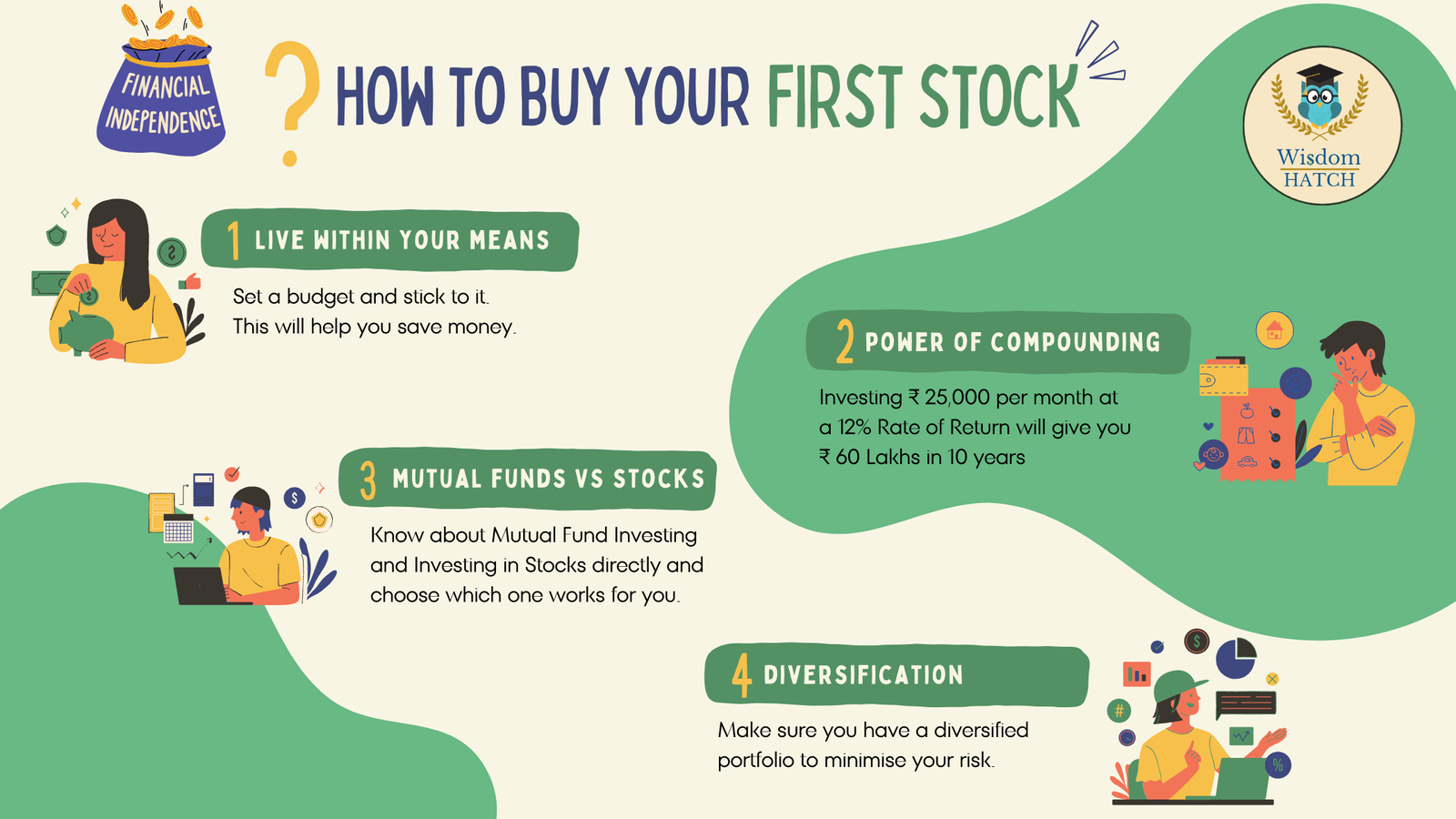
With your goals defined and account open, it’s time for due diligence.
- Due Diligence: For individual stocks, this means diving into a company’s financial statements (income statement, balance sheet, cash flow statement), understanding its business model, competitive advantages, industry trends, and management team. For funds, it involves scrutinizing their holdings, historical performance, expense ratios, and investment objectives.
- Utilizing Research Tools: Most online brokers provide extensive research tools, analyst reports, news feeds, and screeners to help you identify potential investments. Independent financial news outlets and research firms also offer valuable insights.
- Considering Diversification: Even within equities, it’s crucial to diversify. Don’t put all your money into one company or even one sector. Spread your investments across different industries, market capitalizations (large-cap, mid-cap, small-cap), and even geographies to mitigate risk.
Place Your Order
Once you’ve identified your desired investments, the final step is to execute the trade.
- Market Orders vs. Limit Orders:
- Market Order: An instruction to buy or sell immediately at the best available current price. While ensuring execution, the exact price might vary slightly from what you see due to market fluctuations.
- Limit Order: An instruction to buy or sell at a specified price or better. For buying, you set a maximum price you’re willing to pay. This gives you more control over the price but doesn’t guarantee execution if the market price never reaches your limit.
- Understanding Bid/Ask Spreads: When trading, you’ll see a “bid” price (the highest price a buyer is willing to pay) and an “ask” price (the lowest price a seller is willing to accept). The difference is the “spread.”
- Fractional Shares: Some brokers now allow you to buy fractional shares of expensive stocks, meaning you can invest a specific dollar amount (e.g., $100) rather than having to buy full shares.
Essential Considerations Before and During Your Investment Journey
Successful equity investing is not just about picking the right stocks; it’s also about managing risk, understanding costs, and maintaining a disciplined approach.
Diversification is Key
This principle cannot be overstated. A well-diversified portfolio is your primary defense against unforeseen market shocks.
- Across Companies, Industries, and Geographies: Avoid over-reliance on a single stock or sector. Spread your investments across different industries (e.g., tech, healthcare, consumer staples), company sizes, and even international markets.
- Beyond Equities: While this article focuses on equity, true diversification often extends to other asset classes like bonds, real estate, and commodities, which can behave differently from stocks, especially during market downturns.
Risk Management and Volatility
Equity markets are inherently volatile. Prices can swing dramatically in response to economic news, company performance, or global events.
- Understanding Market Fluctuations: Be prepared for your portfolio value to go up and down. Volatility is a normal part of investing.
- Long-Term Perspective: Historically, equity markets have rewarded patient, long-term investors. Trying to time the market (buying low and selling high consistently) is extremely difficult and often counterproductive.
- Dollar-Cost Averaging: Investing a fixed amount of money at regular intervals (e.g., $200 every month) regardless of market conditions. This strategy averages out your purchase price over time, reducing the risk of buying all your shares at a market peak.
Costs and Taxes
Every investment decision has cost and tax implications that can significantly impact your net returns.
- Brokerage Commissions and Expense Ratios: While many stock trades are now commission-free, be mindful of any fees your broker charges. For funds, the “expense ratio” (the annual fee charged as a percentage of your assets) is a critical factor, as even small differences can accumulate over time.
- Capital Gains Tax: When you sell an investment for a profit, you incur capital gains.
- Short-Term Capital Gains: For assets held for one year or less, these are typically taxed at your ordinary income tax rate.
- Long-Term Capital Gains: For assets held for more than one year, these are taxed at preferential, lower rates.
- Dividend Taxes: Dividends received from stocks are also subject to income tax, though “qualified dividends” may be taxed at the lower long-term capital gains rates. Understanding these tax implications is crucial for maximizing your after-tax returns.
Continuous Monitoring and Rebalancing
Your investment journey doesn’t end after you buy shares; it’s an ongoing process.
- Regularly Review Your Portfolio: Periodically check your investments to ensure they still align with your goals and risk tolerance. This doesn’t mean daily obsessing, but perhaps a quarterly or annual review.
- Adjust Positions as Goals or Market Conditions Change: Life events (marriage, children, career changes) or significant market shifts might necessitate adjustments to your portfolio allocation.
- Avoid Emotional Decision-Making: The biggest enemy of an investor is often their own emotions. Panic selling during downturns or chasing hot stocks during bubbles can lead to significant losses. Stick to your plan, and make decisions based on research and your long-term strategy, not fear or greed.
Advanced Strategies and Long-Term Perspective
As you gain experience, you might explore more nuanced strategies that align with specific investment philosophies or income goals.
Value Investing vs. Growth Investing
These are two primary schools of thought in equity selection:
- Value Investing: Pioneered by Benjamin Graham and championed by Warren Buffett, this strategy involves buying stocks that appear to be undervalued by the market. Value investors seek companies with strong fundamentals trading below their intrinsic worth, believing the market will eventually recognize their true value.
- Growth Investing: This strategy focuses on companies that are expected to grow their earnings and revenue at an above-average rate compared to their industry or the overall market. Growth stocks often have higher price-to-earnings ratios but offer the potential for rapid capital appreciation.
Income-Generating Equity Strategies
For investors prioritizing current income, certain equity strategies can be particularly effective.
- Dividend Investing: Focusing on companies that consistently pay and ideally grow their dividends. These often include mature, stable companies in sectors like utilities, consumer staples, or real estate investment trusts (REITs).
- Covered Calls: A more advanced options strategy where an investor who owns shares of a stock sells call options on that stock. This generates immediate income (the option premium) but limits the potential upside if the stock price rises significantly. This strategy requires a deeper understanding of options trading.
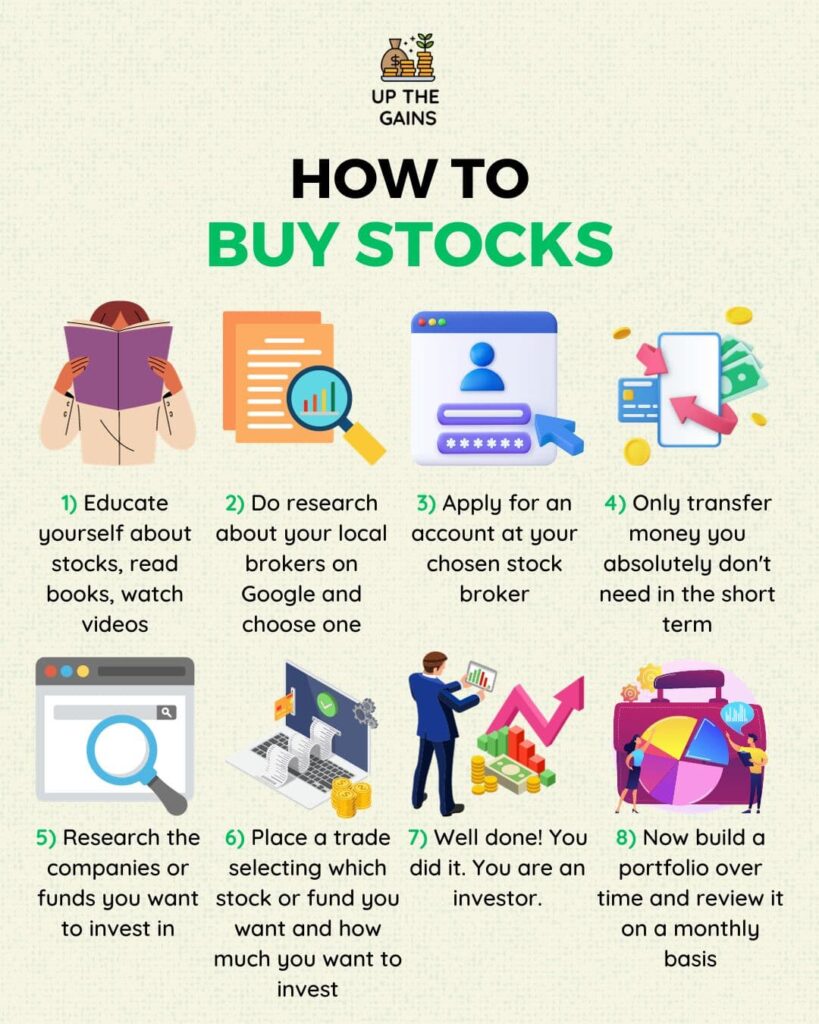
The Power of Compounding and Time
Ultimately, the most powerful force in long-term equity investing is compounding, amplified by patience.
- Starting Early: The earlier you begin investing, the more time your money has to grow through compounding. Even small, consistent contributions can accumulate into substantial wealth over decades.
- Reinvesting Dividends: Many brokers allow you to automatically reinvest dividends back into the same stock or fund, buying more shares. This further accelerates compounding, as those new shares also start earning dividends and potentially appreciating in value.
- Patience and Discipline: Market downturns are inevitable. The disciplined investor understands this, avoids panic, and remains focused on their long-term objectives. Time in the market, not timing the market, is generally the most effective strategy for building equity wealth.
In conclusion, buying equity is a foundational aspect of financial growth and independence. While it carries inherent risks, a well-informed, disciplined approach grounded in understanding the fundamentals, exploring suitable investment vehicles, and adhering to sound financial principles can unlock significant opportunities. By defining your goals, diligently researching your options, managing risk effectively, and maintaining a long-term perspective, you can confidently navigate the equity markets and build a robust financial future.
aViewFromTheCave is a participant in the Amazon Services LLC Associates Program, an affiliate advertising program designed to provide a means for sites to earn advertising fees by advertising and linking to Amazon.com. Amazon, the Amazon logo, AmazonSupply, and the AmazonSupply logo are trademarks of Amazon.com, Inc. or its affiliates. As an Amazon Associate we earn affiliate commissions from qualifying purchases.