
In the rapidly evolving landscape of digital finance, the phrase “Bitcoin stock” often surfaces, sparking curiosity among investors eager to tap into the cryptocurrency boom through traditional investment channels. However, it’s crucial to understand from the outset that Bitcoin itself is a decentralized digital currency, not a traditional company share. Therefore, “buying Bitcoin stock” doesn’t mean purchasing shares of Bitcoin directly, but rather investing in publicly traded companies or exchange-traded funds (ETFs) that have significant exposure to Bitcoin or the broader cryptocurrency ecosystem.
This guide will demystify what it means to invest in “Bitcoin stock,” exploring the various avenues available to gain indirect exposure to Bitcoin’s price movements and underlying technology. We’ll delve into the distinct types of investments, their associated risks and rewards, and the essential considerations for integrating them into your financial portfolio. Given Bitcoin’s historical volatility and its potential for substantial gains, understanding these nuances is paramount for making informed and strategic investment decisions in the “Money” category.
Understanding “Bitcoin Stock” vs. Bitcoin Itself
Before diving into investment strategies, it’s essential to clarify the fundamental difference between owning Bitcoin directly and investing in “Bitcoin stock.” This distinction is not merely semantic; it carries significant implications for risk, custody, and regulatory oversight.
What is Bitcoin?
Bitcoin (BTC) is the world’s first decentralized digital currency, created in 2009 by an anonymous entity known as Satoshi Nakamoto. It operates on a peer-to-peer network, meaning transactions occur directly between users without an intermediary like a bank. The integrity and security of these transactions are maintained through a technology called blockchain, a distributed public ledger.
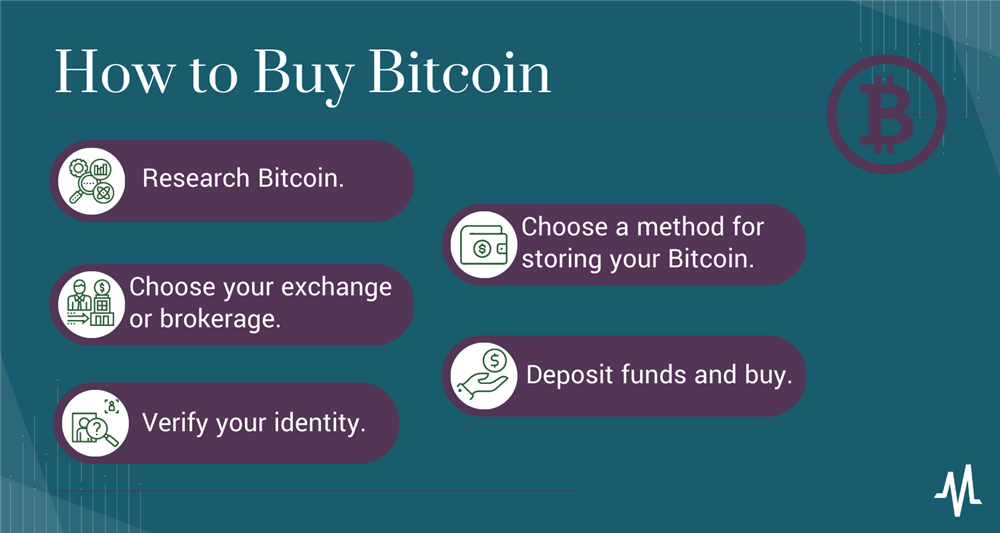
Direct ownership of Bitcoin involves purchasing it through a cryptocurrency exchange (like Coinbase, Binance, or Kraken) and then typically storing it in a digital wallet. This gives you direct control over your digital assets, with the responsibility of securing your private keys. The price of Bitcoin is determined by supply and demand on these exchanges, and it can be highly volatile.
What is “Bitcoin Stock”?
When investors talk about “Bitcoin stock,” they are generally referring to shares in publicly traded companies that have a direct or indirect relationship with Bitcoin. These companies’ fortunes are often, though not exclusively, tied to Bitcoin’s performance or the health of the broader crypto market. This indirect exposure allows investors to participate in the growth of the Bitcoin ecosystem without directly buying and holding the cryptocurrency itself.
There are several categories of companies and investment vehicles that fall under the umbrella of “Bitcoin stock”:
- Companies holding Bitcoin on their balance sheets: These firms have made strategic decisions to allocate a portion of their treasury reserves to Bitcoin, treating it as a valuable asset. Their stock price can become highly correlated with Bitcoin’s price movements.
- Bitcoin mining companies: These companies specialize in the energy-intensive process of “mining” Bitcoin, which involves using powerful computers to solve complex cryptographic puzzles to validate transactions and add new blocks to the blockchain. In return, they earn newly minted Bitcoin and transaction fees.
- Cryptocurrency exchanges and service providers: These businesses offer platforms for trading, custody, and other financial services related to Bitcoin and other digital assets. Their revenue streams are often tied to trading volumes and the overall activity in the crypto market.
- Bitcoin Exchange-Traded Funds (ETFs) and Exchange-Traded Products (ETPs): These are investment funds that trade on traditional stock exchanges and aim to track the price of Bitcoin. They provide a convenient and regulated way for investors to gain exposure without the complexities of direct crypto ownership.
Investing in these “Bitcoin stocks” offers advantages such as regulatory oversight, liquidity, and the convenience of managing investments through traditional brokerage accounts. However, it also introduces company-specific risks that are not present with direct Bitcoin ownership.
Pathways to Investing in Bitcoin-Related Public Companies
Gaining exposure to Bitcoin through the stock market means exploring various types of companies and financial instruments. Each pathway offers a unique risk-reward profile and requires careful consideration.
Investing in Bitcoin Miners
Bitcoin mining companies are at the core of the Bitcoin network’s security and operation. These firms invest heavily in specialized hardware and energy infrastructure to solve cryptographic puzzles, which in turn verifies transactions and adds new blocks to the blockchain. When successful, they receive newly minted Bitcoin and transaction fees as a reward.
Examples: Riot Platforms (RIOT), Marathon Digital Holdings (MARA), CleanSpark (CLSK).
Pros:
- Leverage to Bitcoin price: As the price of Bitcoin increases, the value of the mined Bitcoin and the potential for future profitability rise.
- Operational efficiency: Well-managed mining companies can gain an edge through lower energy costs, efficient hardware upgrades, and optimized operations.
- Infrastructure play: Investing in miners is also a bet on the underlying infrastructure of the Bitcoin network.
Cons: - High energy costs: Mining is energy-intensive, making profitability highly sensitive to electricity prices and the overall energy market.
- Hardware depreciation: Mining equipment becomes obsolete quickly, requiring continuous capital expenditure.
- Network difficulty and halving events: The difficulty of mining adjusts over time, and Bitcoin’s periodic “halving” events reduce the block reward, impacting profitability.
- Regulatory risk: Governments may impose restrictions on energy consumption or crypto mining activities.
Investing in Companies Holding Bitcoin on Their Balance Sheet
Some forward-thinking corporations have chosen to diversify their treasury assets by holding significant amounts of Bitcoin. These companies see Bitcoin as a hedge against inflation or a strategic asset with long-term growth potential.
Example: MicroStrategy (MSTR) is perhaps the most prominent example, holding billions of dollars worth of Bitcoin on its balance sheet.
Pros:
- Direct exposure to Bitcoin price: The company’s stock price often correlates strongly with Bitcoin’s performance.
- Traditional investment vehicle: You can buy shares through a standard brokerage account, avoiding the complexities of crypto wallets.
- Management expertise: You’re investing alongside a management team that has explicitly chosen Bitcoin as a key strategic asset.
Cons: - Company-specific risks: Beyond Bitcoin’s volatility, you’re also exposed to the operational and financial risks of the underlying company, which may have other business segments.
- Premium to Net Asset Value (NAV): Such stocks can sometimes trade at a premium to the value of their underlying Bitcoin holdings, meaning you might pay more than the direct Bitcoin equivalent.
Investing in Cryptocurrency Exchanges and Service Providers
These companies form the backbone of the cryptocurrency market, providing platforms and services essential for the buying, selling, and management of digital assets. Their business models typically involve transaction fees, subscription services, and custody solutions.

Examples: Coinbase Global (COIN), Block Inc. (SQ, formerly Square, which owns Cash App and TBD, both with crypto services), Robinhood Markets (HOOD, offers crypto trading).
Pros:
- Diversified revenue streams: Many of these companies offer a range of services beyond just Bitcoin trading, potentially providing more stable revenue.
- Growth with crypto adoption: As more individuals and institutions adopt cryptocurrencies, these platforms stand to benefit from increased trading volumes and user growth.
- Regulated entities: Many are publicly traded and subject to traditional financial regulations, which can offer a layer of investor protection.
Cons: - Regulatory scrutiny: The crypto industry faces intense and evolving regulatory challenges, which can impact business operations and profitability.
- Competition: The market for crypto services is highly competitive, with new players constantly emerging.
- Market volatility impact: Revenue can be heavily dependent on trading volumes, which tend to fluctuate with market volatility.
Exploring Bitcoin ETFs and ETPs
Bitcoin Exchange-Traded Funds (ETFs) and Exchange-Traded Products (ETPs) offer a regulated and convenient way to gain exposure to Bitcoin’s price movements without directly holding the cryptocurrency. These products trade on traditional stock exchanges, making them accessible through standard brokerage accounts.
Examples:
- Spot Bitcoin ETFs: These funds directly hold actual Bitcoin, aiming to track its price as closely as possible. Examples in the US include BlackRock’s IBIT, Fidelity’s FBTC, and the converted Grayscale Bitcoin Trust (GBTC).
- Bitcoin Futures ETFs: These funds invest in Bitcoin futures contracts, which are agreements to buy or sell Bitcoin at a predetermined price on a future date. Examples include ProShares Bitcoin Strategy ETF (BITO).
Pros: - Convenience and accessibility: Easily tradable through any brokerage account, simplifying the investment process.
- Regulatory oversight: ETFs are regulated financial products, offering a layer of investor protection not always present with direct crypto purchases.
- Liquidity: High trading volumes typically ensure good liquidity.
- No direct custody issues: Investors don’t have to worry about securing private keys or managing digital wallets.
Cons: - Management fees: ETFs charge an annual expense ratio, which can eat into returns over time.
- Tracking error: Futures-based ETFs, in particular, can experience “contango” (where future prices are higher than spot prices), leading to tracking errors and potentially underperforming the spot price of Bitcoin over the long term. Spot ETFs aim to minimize this but still have fees.
- Not direct Bitcoin ownership: You own shares in a fund that holds Bitcoin or futures contracts, not the Bitcoin itself.
Key Considerations Before Investing
Investing in “Bitcoin stock” or related financial products, while offering exciting opportunities, comes with its own set of complexities and risks. Prudent investors must thoroughly consider several factors before allocating capital.
Risk Assessment and Volatility
Bitcoin and the broader cryptocurrency market are renowned for their extreme price volatility. This extends to stocks of companies heavily exposed to Bitcoin. Prices can swing dramatically in short periods due to a confluence of factors including market sentiment, regulatory news, macroeconomic events, and technological developments. It is crucial to acknowledge this inherent volatility and understand that while it presents opportunities for high returns, it also carries the significant risk of substantial capital loss. Investors should only commit capital they can afford to lose without impacting their financial stability.
Due Diligence and Research
Thorough research is non-negotiable. For individual companies, this means delving into their financial health, business model, management team’s expertise, competitive landscape, and specific strategies regarding Bitcoin. For ETFs, understanding their underlying holdings (spot Bitcoin vs. futures contracts), expense ratios, and tracking methodologies is essential. Blindly following market hype or “guru” advice can lead to poor investment outcomes. Additionally, staying informed about the evolving technological advancements and market dynamics within the crypto space is vital.
Portfolio Allocation and Diversification
No single investment, regardless of its potential, should dominate an investment portfolio. Bitcoin-related investments should be considered as part of a broader, diversified portfolio that aligns with your overall financial goals and risk tolerance. Determine an appropriate allocation percentage that reflects the higher risk profile of these assets without jeopardizing your entire portfolio. Diversification across different asset classes (stocks, bonds, real estate, other alternative investments) and within the crypto-related segment itself (e.g., a mix of mining stocks, exchange stocks, and ETFs) can help mitigate specific risks.
Regulatory Landscape
The regulatory environment for cryptocurrencies and related businesses is still maturing and varies significantly across jurisdictions. New regulations, enforcement actions, or changes in tax policies can have a profound impact on Bitcoin’s price, the profitability of crypto companies, and the availability of investment products. Staying abreast of these developments is critical. For instance, the approval of spot Bitcoin ETFs in the US marked a significant regulatory milestone, opening up new avenues for institutional and retail investors. However, ongoing discussions around stablecoins, DeFi, and specific tokens continue to shape the future landscape.
Tax Implications
Profits from selling “Bitcoin stock” (or any stock) are generally subject to capital gains tax. The specific tax treatment can depend on whether the investment was held for the short term (typically less than a year) or the long term. Similarly, any income generated from mining operations or staking rewards may also be taxable. Tax laws related to cryptocurrencies are complex and constantly evolving. It is highly advisable to consult with a qualified tax professional to understand your obligations and plan your investments in a tax-efficient manner. Proper record-keeping of all transactions is essential for accurate tax reporting.
How to Execute Your Investment
Once you’ve conducted your due diligence and decided on an investment strategy, the next step is to execute your trade through established financial channels.
Choosing a Brokerage Account
To buy “Bitcoin stock” (i.e., shares of publicly traded companies or Bitcoin ETFs), you’ll need a traditional online brokerage account. Major reputable brokers include Fidelity, Charles Schwab, Vanguard, E*TRADE, Interactive Brokers, and even newer platforms like Robinhood.
- Open an Account: The process typically involves providing personal information, verifying your identity, and linking a bank account for funding.
- Fund Your Account: You can usually fund your brokerage account via bank transfer (ACH), wire transfer, or sometimes by transferring funds from another brokerage.
- Research Offerings: Confirm that your chosen broker offers access to the specific stocks or ETFs you are interested in. Most major brokers will offer all the publicly traded companies and ETFs mentioned earlier.
Placing an Order
Once your account is funded, you can place an order to buy shares:
- Search by Ticker Symbol: Each publicly traded company and ETF has a unique ticker symbol (e.g., MSTR for MicroStrategy, IBIT for BlackRock’s Bitcoin ETF).
- Choose Order Type:
- Market Order: This instructs your broker to buy or sell shares immediately at the best available current market price. While quick, the execution price might fluctuate slightly from what you saw moments before, especially in volatile markets.
- Limit Order: This allows you to specify the maximum price you’re willing to pay per share (for a buy order) or the minimum price you’re willing to accept (for a sell order). Your order will only execute if the stock reaches your specified price or better. This offers more control over the entry/exit price but may not execute if the price isn’t met.
- Specify Quantity: Enter the number of shares you wish to purchase.
- Review and Confirm: Always double-check all the details of your order before confirming.
Long-Term vs. Short-Term Strategy
Your investment horizon will significantly influence your approach:
- Long-Term (HODL): Many investors in Bitcoin and related assets adopt a “Hold On for Dear Life” (HODL) strategy, buying with the intention of holding for several years or even decades, aiming to benefit from the asset’s long-term growth potential. This approach typically involves less frequent trading and tolerating short-term market fluctuations.
- Short-Term Trading: This involves buying and selling assets over shorter periods (days, weeks, or months) to capitalize on price swings. This strategy, including swing trading or day trading, requires active market monitoring, technical analysis skills, and carries significantly higher risk due to transaction costs and market volatility. For “Bitcoin stock,” short-term trading is usually best left to experienced traders due to the extreme price movements.

Conclusion
Investing in “Bitcoin stock” offers a compelling avenue for traditional investors to gain exposure to the dynamic world of cryptocurrency. By understanding the distinction between direct Bitcoin ownership and investing in publicly traded companies or ETFs with Bitcoin exposure, you can make more informed decisions. Whether through Bitcoin miners, companies holding Bitcoin on their balance sheets, crypto service providers, or regulated Bitcoin ETFs, each pathway presents a unique set of opportunities and challenges.
Regardless of your chosen route, the core principles of sound financial management remain paramount: thorough research, diligent risk assessment, appropriate portfolio diversification, and a keen awareness of the evolving regulatory and tax landscapes. The cryptocurrency market is still relatively nascent and known for its volatility, making education and a disciplined approach your most valuable assets. Start small, stay informed, and invest responsibly, aligning your choices with your personal financial goals and risk tolerance. The journey into “Bitcoin stock” is an exciting one, but it demands caution and continuous learning.
aViewFromTheCave is a participant in the Amazon Services LLC Associates Program, an affiliate advertising program designed to provide a means for sites to earn advertising fees by advertising and linking to Amazon.com. Amazon, the Amazon logo, AmazonSupply, and the AmazonSupply logo are trademarks of Amazon.com, Inc. or its affiliates. As an Amazon Associate we earn affiliate commissions from qualifying purchases.