
Buying a vehicle is often the second most significant financial commitment an individual makes, trailing only the purchase of a home. Within the landscape of personal finance, the decision between buying new or used is a classic case study in asset depreciation and capital allocation. While a new car loses a staggering percentage of its value the moment it leaves the lot, a pre-owned vehicle offers a unique opportunity to let a previous owner absorb that initial hit to equity.
However, navigating the used vehicle market requires more than just a keen eye for aesthetics; it demands a rigorous financial strategy. To maximize your return on investment—or more accurately, to minimize your total cost of ownership—you must treat the acquisition of a used vehicle as a high-stakes financial transaction. This guide explores the mechanics of used vehicle acquisition through the lens of personal finance, focusing on budgeting, financing, risk mitigation, and the art of the deal.
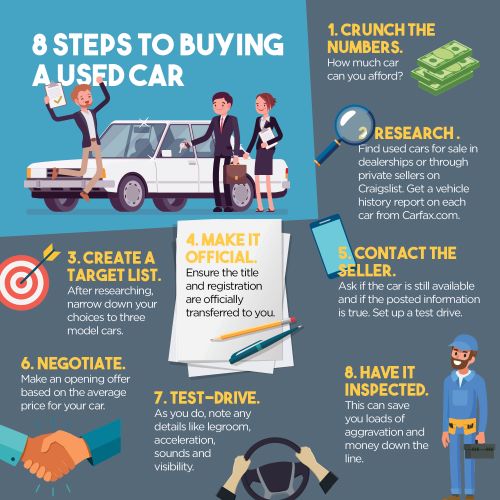
Establishing a Financial Framework: Budgeting and Total Cost of Ownership (TCO)
In the realm of personal finance, the “sticker price” is a deceptive metric. A common mistake among buyers is focusing solely on the monthly payment or the initial purchase price without accounting for the Total Cost of Ownership (TCO). To make a sound financial decision, one must look at the long-term cash flow impact of the vehicle.
Analyzing the Depreciation Curve
Depreciation is the silent killer of wealth. A new car typically loses about 20% of its value in the first year and nearly 60% of its original value after five years. By targeting vehicles in the three-to-five-year-old range, you are entering the market at the “sweet spot” of the depreciation curve. At this stage, the steepest decline has already occurred, yet the vehicle likely retains modern safety features and reliable mechanical components. Understanding this curve allows you to project the future resale value of the vehicle, which is a critical component of your overall net worth.
Calculating the Full Cost Beyond the Sticker Price
A truly informed buyer calculates the TCO, which includes insurance premiums, fuel efficiency, maintenance, taxes, and registration fees.
- Insurance: Certain models carry higher premiums due to repair costs or theft rates. Always get an insurance quote before finalizing a purchase.
- Fuel: If you drive 12,000 miles a year, a 5-MPG difference can translate to hundreds of dollars in annual variance.
- Maintenance: European luxury vehicles may have lower entry prices on the used market, but their specialized parts and labor can create a significant drain on your emergency fund.
A disciplined financial approach involves setting aside a “sinking fund” for these predictable expenses, ensuring the vehicle does not disrupt your broader investment goals.
Navigating the Funding Landscape: Financing, Leasing, and Cash Strategies
How you pay for a vehicle is just as important as how much you pay. In a high-interest-rate environment, the cost of capital can add thousands of dollars to the final price tag.
The Math Behind Interest Rates and Loan Terms
While the 0% APR offers of the past have largely vanished, competitive financing is still available for those with strong credit profiles. When seeking a loan, the “20/4/10 rule” is a gold standard in personal finance: put down at least 20%, limit the loan term to no more than four years, and ensure that your total transportation costs (including insurance) do not exceed 10% of your gross monthly income.
Extending a loan to 72 or 84 months might lower the monthly payment, but it drastically increases the total interest paid and puts you at risk of becoming “upside down” or having negative equity—where you owe more on the loan than the car is worth. From a wealth-building perspective, avoiding negative equity is paramount.
Evaluating the Opportunity Cost of Cash Purchases
For those with the liquidity to buy a vehicle outright, the question becomes one of opportunity cost. If you pull $30,000 out of a brokerage account earning 7% annually to avoid a 5% auto loan, you are effectively losing 2% in potential gains. Conversely, if your cash is sitting in a low-interest savings account, paying cash for the vehicle provides a “guaranteed return” by avoiding interest expenses. A sophisticated financial strategy involves comparing the after-tax return on your investments against the annual percentage rate (APR) of the loan to determine the most efficient use of your capital.
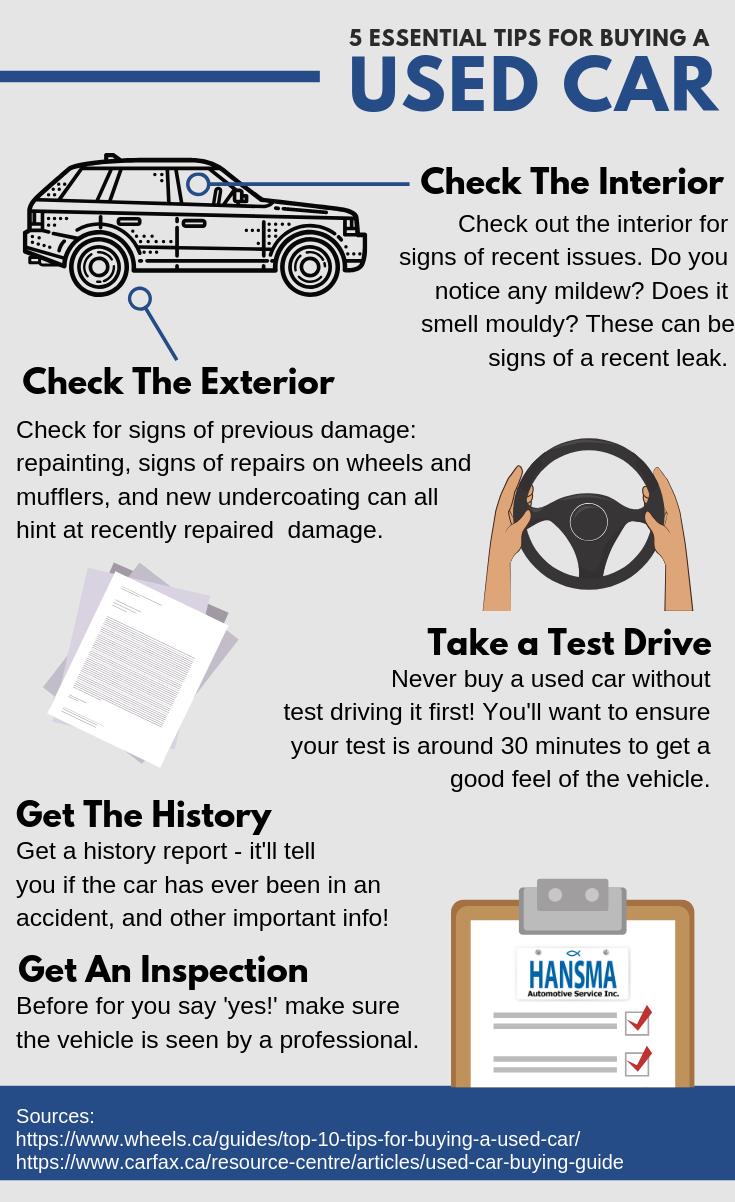
Due Diligence as Risk Mitigation: Protecting Your Investment
In investing, risk management is the practice of identifying and analyzing uncertainty in investment decisions. Buying a used vehicle is essentially an investment in a depreciating asset, and due diligence is your primary tool for mitigating the risk of a “lemon”—a vehicle that requires catastrophic repair costs shortly after purchase.
Leveraging Vehicle History Reports for Financial Security
A Vehicle History Report (such as CARFAX or AutoCheck) is a non-negotiable expense in the buying process. These reports provide a paper trail of the vehicle’s life, including title brands (salvage, flood, or fire damage), accident history, and service records. From a financial standpoint, a vehicle with a “branded title” may be significantly cheaper, but it will be nearly impossible to resell at a fair price and can be difficult to insure. Using these reports allows you to weed out high-risk assets before you spend a dime on a physical inspection.
The ROI of a Professional Pre-Purchase Inspection (PPI)
Spending $150 to $250 on a Pre-Purchase Inspection by an independent mechanic is perhaps the highest-ROI move a buyer can make. A professional can identify hidden issues like frame damage, engine sludge, or worn suspension components that a layperson would miss during a test drive. If the inspection reveals $1,000 worth of necessary repairs, you can use that information to negotiate $1,000 off the price, or you can walk away and save yourself from a multi-thousand-dollar financial disaster. In personal finance, the cost of information is always cheaper than the cost of a mistake.
The Art of Financial Negotiation: Securing Maximum Value
Once you have identified a mechanically sound vehicle and secured your financing, the final step is the negotiation. This is where your market research translates into tangible savings.
Identifying Leverage Points in Private vs. Dealer Sales
The venue of your purchase dictates your negotiation strategy.
- Private Party: Often offers the best price because there is no overhead. Leverage points include the seller’s urgency and the lack of a “certified” warranty.
- Dealerships: While often more expensive, they offer convenience and potential “Certified Pre-Owned” (CPO) protections. When negotiating with a dealer, keep the “four square” in mind: purchase price, trade-in value, down payment, and monthly payment. Dealers often try to hide a high purchase price by manipulating the loan term. To win, negotiate the “out-the-door” price first before discussing financing or trade-ins.
Finalizing the Transaction and Minimizing Hidden Fees
The negotiation isn’t over until the final contract is signed. In the “F&I” (Finance and Insurance) office, you will likely be pitched a variety of add-ons: extended warranties, gap insurance, fabric protection, and VIN etching. Most of these are high-margin products for the seller and low-value for the buyer.
For instance, gap insurance is often cheaper through your own insurance provider than through a dealership. Extended warranties can provide peace of mind, but from a purely financial perspective, it is often more efficient to “self-insure” by keeping that money in a high-yield savings account. Always review the “Buyer’s Order” for hidden fees such as “documentation fees” or “dealer preparation fees,” which can often be negotiated down or removed entirely.

Conclusion: The Wealth-Building Impact of Smart Car Buying
Buying a used vehicle is not just a lifestyle choice; it is a critical component of a robust financial plan. By avoiding the trap of rapid new-car depreciation, utilizing smart financing structures, and performing rigorous due diligence, you preserve capital that can be redirected toward productive investments like a 404(k), an IRA, or real estate.
The goal of this process is to secure reliable transportation at the lowest possible cost per mile. When you view a vehicle through the lens of personal finance—treating it as a managed liability rather than a status symbol—you empower yourself to make decisions that support long-term wealth creation. Remember: the best-looking car in your driveway is the one that allows you to have a larger balance in your brokerage account. Stay disciplined, lead with data, and prioritize value over volume.
aViewFromTheCave is a participant in the Amazon Services LLC Associates Program, an affiliate advertising program designed to provide a means for sites to earn advertising fees by advertising and linking to Amazon.com. Amazon, the Amazon logo, AmazonSupply, and the AmazonSupply logo are trademarks of Amazon.com, Inc. or its affiliates. As an Amazon Associate we earn affiliate commissions from qualifying purchases.