
Navigating the world of credit cards can seem daunting, especially for first-time applicants. Yet, a credit card, when used responsibly, is a powerful financial tool that can help build credit history, offer convenience, provide rewards, and serve as a safety net in emergencies. This comprehensive guide will demystify the application process, from understanding what a credit card entails to managing it effectively once approved. We’ll walk you through the preparation, selection, application, and post-approval phases, equipping you with the knowledge to make informed decisions and embark on a path toward sound financial health.
Understanding Credit Cards Before You Apply
Before you even consider applying, it’s crucial to grasp the fundamental nature of a credit card and its implications for your financial life. This foundational knowledge will empower you to use this tool wisely and avoid common pitfalls.
What is a Credit Card and How Does it Work?
At its core, a credit card is a revolving line of credit extended to you by a financial institution (the issuer). Unlike a debit card, which draws money directly from your bank account, a credit card allows you to borrow money up to a pre-set limit to make purchases. When you use your credit card, you are essentially taking a short-term loan. At the end of each billing cycle, you receive a statement detailing your purchases, payments, and the minimum amount due. You have the option to pay your balance in full by the due date – which is highly recommended to avoid interest charges – or pay a minimum amount. If you carry a balance, interest will be charged on the outstanding amount, significantly increasing the cost of your purchases. The interest rate, known as the Annual Percentage Rate (APR), is a crucial factor to understand.
Key Benefits of Having a Credit Card
The advantages of possessing a credit card are numerous, provided it’s managed responsibly. Firstly, it’s an indispensable tool for building a credit history and improving your credit score, which is vital for securing loans for a car, a house, or even renting an apartment. Credit cards offer unparalleled convenience and security for transactions, especially online or when traveling, often providing fraud protection that debit cards might lack. Many cards come with attractive rewards programs, such as cashback, travel points, or discounts, allowing you to earn back a percentage of your spending. Furthermore, they can provide a crucial financial safety net for unexpected emergencies, offering immediate access to funds when needed most.
Potential Pitfalls to Avoid
While beneficial, credit cards come with significant risks if not handled with care. The most prominent danger is accumulating high-interest debt. If you consistently carry a balance and only make minimum payments, the interest can quickly snowball, making it difficult to pay off your debt and potentially damaging your credit score. High annual fees, late payment fees, and over-limit fees can also chip away at your finances. There’s also the risk of identity theft and fraud, though most issuers offer robust protection. Understanding these potential downsides is key to using a credit card as a tool for financial empowerment rather than a burden.
Preparing for Your Credit Card Application
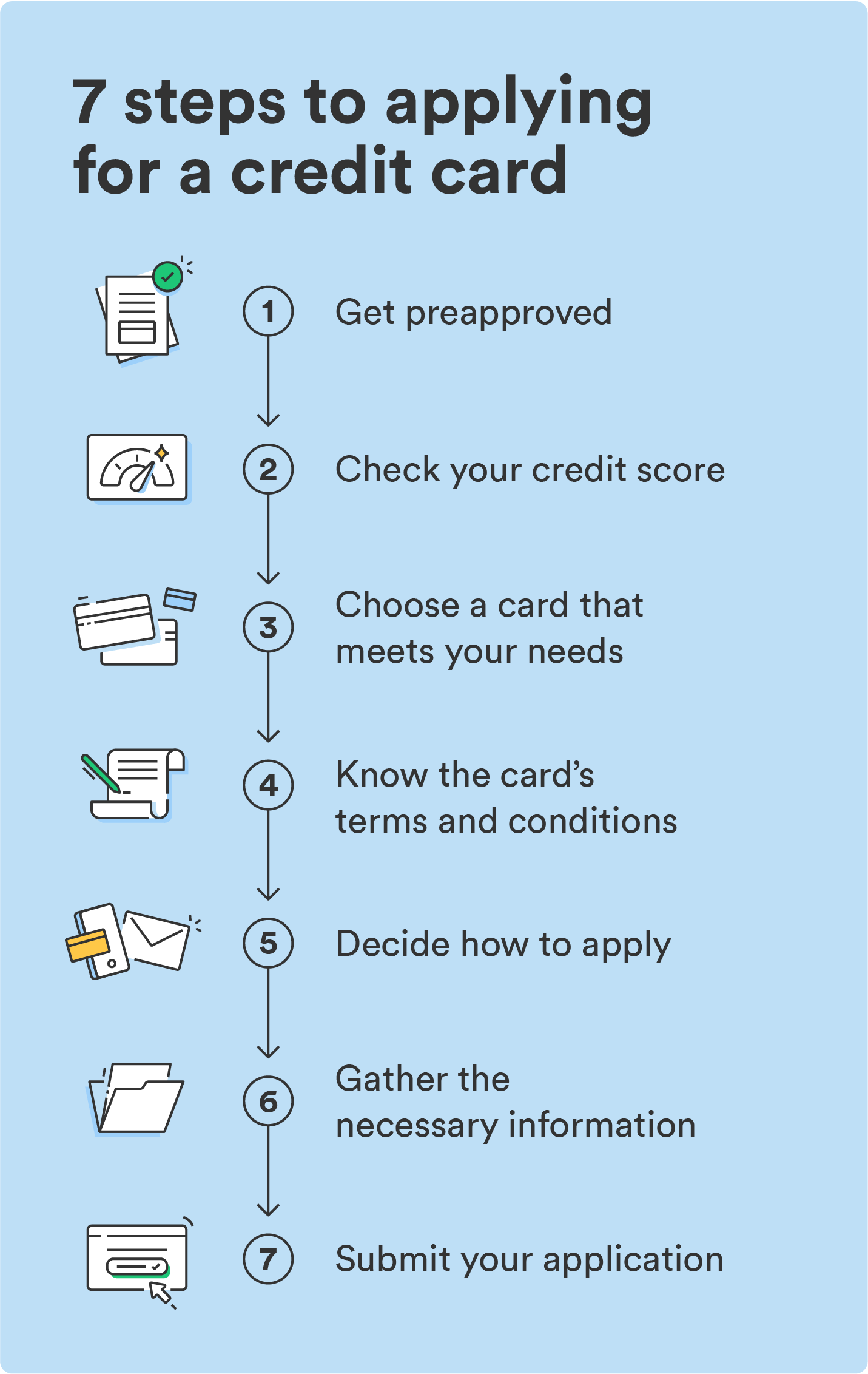
A successful credit card application isn’t just about filling out a form; it’s about strategic preparation. Understanding what lenders look for and having your financial house in order will significantly improve your chances of approval for the right card.
Assessing Your Creditworthiness
Your creditworthiness is essentially how risky a lender perceives you to be. It’s primarily determined by your credit score and credit report. Your credit score (e.g., FICO or VantageScore) is a three-digit number that summarizes your credit risk based on your credit history. A higher score (typically 670 and above) indicates a lower risk and opens doors to better card offers. Your credit report, on the other hand, is a detailed record of your borrowing history, including past loans, payment history, and any bankruptcies. Before applying, it’s wise to obtain a free copy of your credit report from each of the three major bureaus (Equifax, Experian, TransUnion) and review it for any errors, which could negatively impact your score. Disputing inaccuracies can lead to an improved score.
Gathering Essential Documentation
Lenders require specific documentation to verify your identity, income, and residency. Having these ready will streamline the application process. Typically, you’ll need:
- Proof of Identity: A government-issued ID such as a driver’s license, state ID, or passport.
- Proof of Income: Pay stubs, tax returns (W-2s or 1099s), bank statements showing regular deposits, or an offer letter for new employment. Lenders need to confirm you have a stable income to repay your debts.
- Proof of Address: A utility bill (electricity, gas, water), a rental agreement, or a mortgage statement matching your current residence.
- Social Security Number (SSN) or Individual Taxpayer Identification Number (ITIN): This is essential for credit checks.
- Bank Account Information: For setting up payments or if the card requires a linked account.
Ensuring all your information is accurate and consistent across documents is crucial to avoid delays or rejection.
Defining Your Financial Needs and Goals
Before selecting a card, reflect on why you want one and what you hope to achieve. Are you looking to build credit from scratch, or improve an existing score? Do you want to earn rewards for everyday spending, or perhaps for travel? Are you seeking a card with a low-interest rate to carry a balance occasionally, or one with a 0% APR introductory offer for a large purchase or balance transfer? Your lifestyle and spending habits should also guide your choice. For instance, if you frequently travel, a travel rewards card might be ideal. If you’re new to credit, a secured card or a student card might be the most accessible entry point. Clearly defining your goals will help you narrow down the vast array of credit card options to those that truly align with your financial situation.
Choosing the Right Credit Card for You
With preparation complete, the next critical step is selecting the card that best fits your financial profile and goals. This involves understanding different card types and comparing their features.
Types of Credit Cards
The market offers a diverse range of credit cards, each designed for specific needs:
- Rewards Cards: Offer points, miles, or cashback on purchases, often tiered for different spending categories (e.g., groceries, gas).
- Cash Back Cards: A subset of rewards cards that specifically return a percentage of your spending as cash.
- Travel Cards: Geared towards frequent travelers, offering benefits like airline miles, hotel points, airport lounge access, and travel insurance.
- Secured Credit Cards: Require a cash deposit, which typically becomes your credit limit. They are excellent for those with no credit history or bad credit, as the deposit minimizes risk for the issuer.
- Student Credit Cards: Designed for college students, often with lower credit limits and features to help build credit responsibly.
- Balance Transfer Cards: Offer a promotional 0% or low APR for an introductory period, allowing you to transfer existing high-interest debt from other cards and save on interest while you pay it down.
- Low-Interest/0% APR Intro Cards: Feature a lower ongoing interest rate or an introductory period with no interest, beneficial if you anticipate carrying a balance.
Key Factors to Compare

Once you understand the different types, you’ll need to scrutinize specific features to make an informed choice:
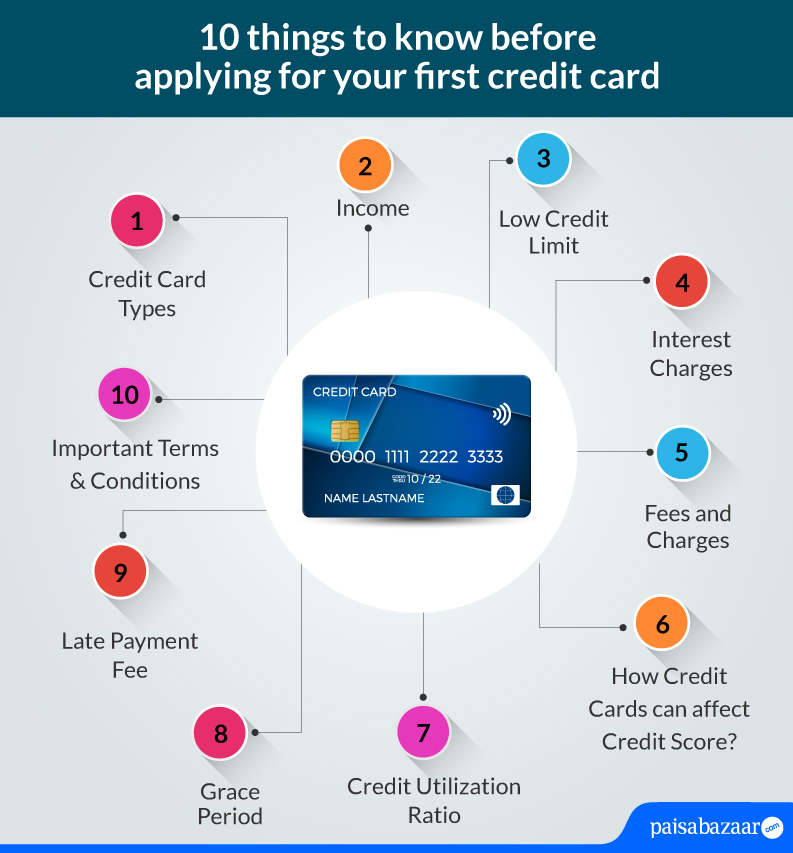
- Annual Percentage Rate (APR): This is the interest rate applied to any unpaid balance. Look for a competitive APR, especially if you plan to carry a balance.
- Annual Fees: Some premium cards charge an annual fee, which can be offset by superior rewards or benefits. Many cards have no annual fee.
- Grace Period: The time between your statement closing date and your payment due date, during which you won’t be charged interest if you pay your full balance. Aim for a longer grace period.
- Credit Limit: The maximum amount you can borrow. This will vary based on your creditworthiness and the card type.
- Rewards Structure: Understand how rewards are earned and redeemed. Is it a flat rate, or are there bonus categories? Are there caps on earnings?
- Introductory Offers: Many cards offer sign-up bonuses (e.g., spend X amount in Y months, get Z points) or 0% APR periods. Evaluate if these genuinely benefit you.
- Other Fees: Be aware of foreign transaction fees, late payment fees, and cash advance fees.
Utilizing Online Comparison Tools
In today’s digital age, numerous online platforms allow you to compare credit cards side-by-side. Websites from financial publications, credit bureaus, and even direct issuer sites often feature comparison tools that let you filter cards by rewards type, credit score requirement, annual fee, and other criteria. These tools are invaluable for quickly narrowing down your options and identifying cards that align with your needs and qualifications. However, always double-check the terms and conditions directly on the issuer’s website before applying, as details can change.
The Application Process: Step-by-Step
Once you’ve chosen your ideal credit card, the actual application process is relatively straightforward, whether you apply online or in person. Understanding each step can help alleviate anxiety and prevent mistakes.
Online vs. In-Person Applications
Most credit card applications are now submitted online, offering convenience and often quicker decisions. The online form typically guides you through each section, requesting the information discussed earlier. Online applications are processed electronically, often resulting in an instant decision or a decision within a few minutes. If you prefer a more personal touch or have complex questions, applying in-person at a bank branch allows you to speak directly with a representative who can clarify terms and assist with the application. While potentially slower, this option can be beneficial for those who appreciate direct interaction.
Filling Out the Application Form Accurately
The application form will request a range of personal, financial, and employment information. This includes:
- Personal Details: Full name, date of birth, Social Security Number (SSN), citizenship status.
- Contact Information: Current address, phone number, email address.
- Employment Information: Current employer, occupation, employment status (employed, self-employed, retired, student).
- Income Information: Your gross annual income (before taxes), which may include salary, bonuses, tips, social security benefits, or other reliable income sources. You can also include reasonable access to household income if you’re 21 or older and consistently use it to pay expenses.
- Housing Information: Whether you own or rent, and your monthly housing payment.
- Existing Debts: Details on other loans or credit cards you hold.
It is paramount to fill out every section completely and accurately. Any discrepancies or incomplete information can lead to delays or outright rejection. Double-check all entries before submitting.
Understanding Credit Inquiries and Their Impact
When you apply for a credit card, the lender performs a “hard inquiry” on your credit report. This allows them to assess your creditworthiness. A hard inquiry temporarily lowers your credit score by a few points, typically for a few months. While a single inquiry usually isn’t a major issue, multiple hard inquiries in a short period (especially from different types of lenders) can signal to lenders that you are desperate for credit and increase their perceived risk, potentially leading to denials and further score drops. Therefore, it’s wise to apply for only one or two cards at a time, especially if you have a limited credit history.
What Happens After You Apply?
Once you submit your application, one of several outcomes typically occurs:
- Instant Approval: For many online applications, if you meet all the criteria, you might receive an approval notification immediately.
- Pending/Review: The application might go into review if the lender needs more information or further verification. They may contact you via phone or mail for additional details. This is common if your credit file is thin or there are minor discrepancies.
- Conditional Approval: You might be approved but with certain conditions, such as a lower credit limit than requested.
- Denial: If your application is denied, the lender is legally required to send you an Adverse Action Notice explaining the reasons for the denial (e.g., low credit score, high debt-to-income ratio, insufficient income). This notice is valuable as it pinpoints areas you need to improve for future applications. Don’t be discouraged by a denial; use it as feedback to strengthen your financial profile.
Responsible Credit Card Management Post-Approval
Congratulations on your credit card approval! However, getting the card is just the first step. Responsible management is key to leveraging its benefits and avoiding debt traps.
Activating Your Card and Understanding the Cardholder Agreement
Upon receiving your physical card in the mail, your first step is to activate it. This usually involves a quick phone call to an automated service or an online activation process using your card number and personal identification. Before you start spending, take the time to thoroughly read your cardholder agreement. This document outlines all the terms and conditions of your account, including your APR, grace period, annual fees, late payment fees, cash advance fees, and details about your rewards program (if applicable). Understanding these terms is crucial to avoid unexpected charges and to fully utilize your card’s features. Keep this document accessible for future reference.
Making Timely Payments and Managing Your Credit Limit
The cornerstone of responsible credit card use is making payments on time, every time. Late payments not only incur fees but also negatively impact your credit score, potentially by a significant margin. Ideally, you should aim to pay your full statement balance each month to avoid interest charges entirely. If paying in full isn’t feasible, always pay at least the minimum amount due by the deadline. Consider setting up automatic payments to ensure you never miss a due date. Additionally, be mindful of your credit utilization ratio – the amount of credit you’re using compared to your total available credit. Keeping this ratio below 30% (e.g., if your limit is $1,000, try to keep your balance below $300) is generally recommended for a healthy credit score. Maxing out your card can hurt your score and make you appear riskier to lenders.
Monitoring Your Credit Report and Statements
Vigilance is key to maintaining a healthy financial life. Regularly review your monthly credit card statements for any unauthorized transactions, errors, or unfamiliar charges. If you spot anything suspicious, report it to your issuer immediately. Additionally, continue to monitor your credit report periodically. You are entitled to a free copy of your credit report from each of the three major credit bureaus (Equifax, Experian, TransUnion) once every 12 months via AnnualCreditReport.com. Checking your report allows you to catch errors, identify potential identity theft, and track your progress in building a strong credit history. Many credit card issuers also offer free credit score tracking tools, which can be a convenient way to keep an eye on your score without needing a hard inquiry.
Strategies for Building and Maintaining Good Credit
Responsible credit card use is one of the most effective ways to build and maintain good credit. Here are some key strategies:
- Pay on Time, Every Time: This is the single most important factor in your credit score.
- Keep Credit Utilization Low: Aim for below 30% of your total credit limit.
- Avoid Opening Too Many Accounts at Once: Spacing out applications prevents multiple hard inquiries from hurting your score.
- Don’t Close Old Accounts (Carefully): Older accounts with good payment history contribute positively to your credit age, which is a factor in your score.
- Diversify Your Credit Mix (Over Time): Having a mix of credit types (e.g., credit cards, installment loans like mortgages or car loans) can be beneficial, but don’t take on debt unnecessarily just for this.
- Regularly Check Your Credit Report: As mentioned, identify and dispute any errors promptly.
By consistently practicing these habits, your credit score will gradually improve, unlocking better financial opportunities in the future.
Applying for a credit card is a significant financial step that, when approached with careful consideration and responsibility, can be immensely beneficial. From understanding the basics and preparing your financial profile to selecting the right card and managing it diligently, each stage plays a crucial role. Remember, a credit card is a tool; its value and impact on your finances are determined by how wisely you choose and use it. By following this comprehensive guide, you can confidently navigate the application process and harness the power of credit to achieve your financial goals.
aViewFromTheCave is a participant in the Amazon Services LLC Associates Program, an affiliate advertising program designed to provide a means for sites to earn advertising fees by advertising and linking to Amazon.com. Amazon, the Amazon logo, AmazonSupply, and the AmazonSupply logo are trademarks of Amazon.com, Inc. or its affiliates. As an Amazon Associate we earn affiliate commissions from qualifying purchases.