
Navigating the landscape of student loan debt is one of the most significant financial challenges facing Americans today. With national student debt hovering around $1.7 trillion, understanding the mechanisms of forgiveness is not just a matter of curiosity—it is a critical component of a robust personal finance strategy. Following the shifting legal and political tides regarding broad-based cancellation, the federal government has pivoted toward targeted relief programs. For the savvy borrower, the path to financial freedom requires a deep dive into the specific programs available, the application protocols, and the long-term financial implications of debt discharge.
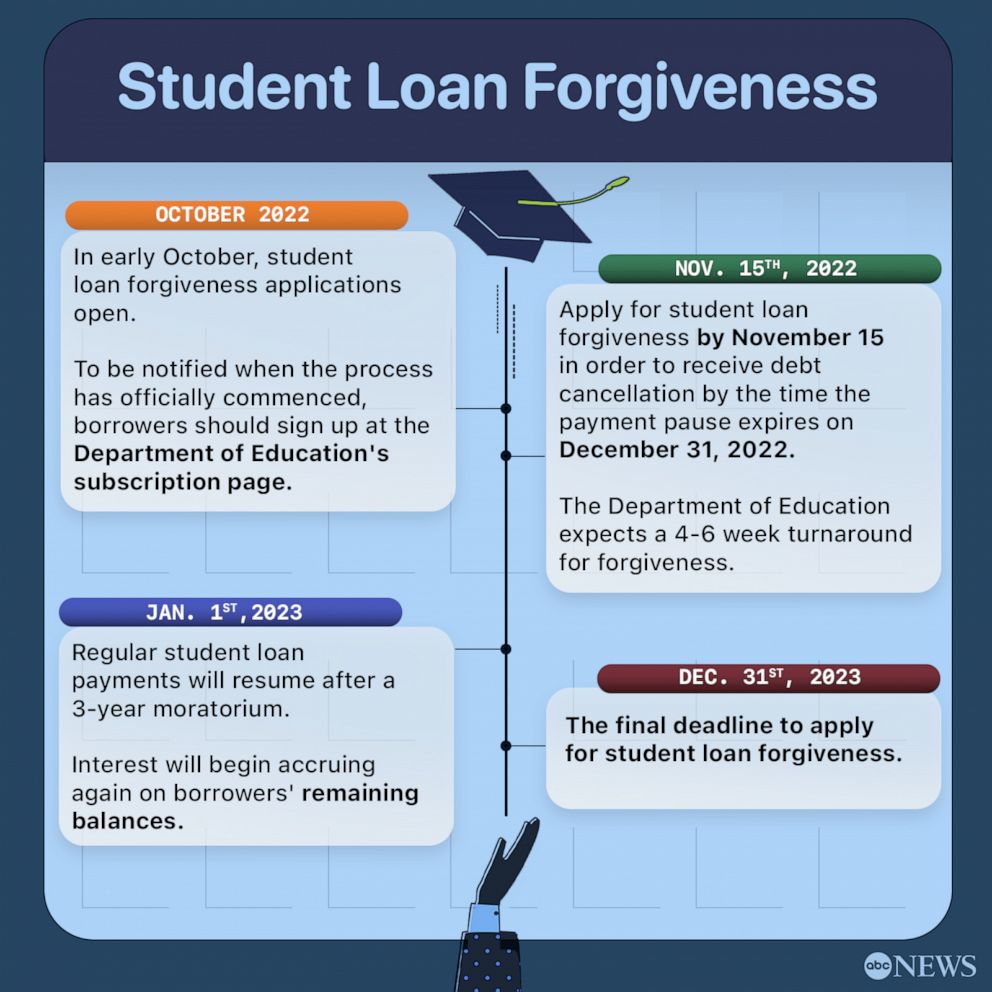
1. Navigating the Modern Landscape of Federal Loan Forgiveness
The era of student loan management has shifted from a “set it and forget it” mentality to one requiring active participation. To apply for forgiveness effectively, one must first identify which category of relief matches their financial profile and career path. Currently, the Department of Education offers several avenues for relief, primarily through Income-Driven Repayment (IDR) plans and specialized service-based programs.
The SAVE Plan and IDR Account Adjustments
The Saving on a Valuable Education (SAVE) plan represents the most significant shift in repayment policy in decades. Unlike previous plans, SAVE focuses on reducing monthly payments by increasing the amount of income protected from repayment. For those looking at the long game, SAVE offers forgiveness after 10 to 25 years of payments, depending on the original loan balance and the type of degree. Crucially, the “one-time account adjustment” has allowed many long-term borrowers to receive credit toward forgiveness for past periods of deferment or forbearance that previously didn’t count.
Public Service Loan Forgiveness (PSLF)
For those working in the “Money” sector of non-profits or government service, PSLF remains the gold standard. This program promises total forgiveness of the remaining balance on Direct Loans after the borrower has made 120 qualifying monthly payments under a qualifying repayment plan while working full-time for a qualifying employer. Applying for this requires a specific “Employer Certification Form” (ECF), which should be filed annually to ensure your progress is tracked accurately by the federal servicer.
Forgiveness for Defrauded Borrowers
Under the “Borrower Defense to Repayment” rules, individuals who were misled or defrauded by their institutions of higher education can apply for total discharge. This is particularly relevant for students who attended for-profit colleges that misrepresented job placement rates or transferability of credits. If your school’s financial misconduct impacted your ability to gain value from your degree, this application is a vital tool for reclaiming your financial standing.
2. A Step-by-Step Guide to the Application Process
Applying for student loan forgiveness is an exercise in meticulous documentation and digital literacy. Missing a single signature or failing to consolidate loans properly can result in years of unnecessary payments.
Step 1: Audit Your Loan Portfolio
Before applying for any program, you must log into your account at StudentAid.gov. Not all loans are eligible for all programs. Generally, only Federal Direct Loans qualify for the most robust forgiveness options. If you hold older Federal Family Education Loans (FFEL) or Perkins Loans, you may need to apply for a Direct Consolidation Loan to make them eligible for PSLF or the SAVE plan. However, borrowers must be cautious: consolidating can sometimes reset your payment count, though recent “IDR Account Adjustment” waivers have temporarily mitigated this risk.
Step 2: Use the PSLF and IDR Help Tools
The Department of Education has streamlined the application process through automated digital tools. The PSLF Help Tool allows you to search for your employer’s EIN (Employer Identification Number) to see if they qualify. Once confirmed, the tool generates the forms needed for your employer to sign digitally. For those applying for IDR-based forgiveness, the online application allows you to pull your tax data directly from the IRS, ensuring your “Discretionary Income” is calculated accurately without manual errors.
Step 3: Formal Submission and Servicer Coordination
Once your application is submitted via StudentAid.gov, it is forwarded to your loan servicer (such as MOHELA, Nelnet, or Aidvantage). This is where many borrowers experience friction. Professional financial management requires you to keep a “paper trail” of all communications. If your application for forgiveness is pending, you may be eligible for an administrative forbearance, which pauses payments while the government processes your discharge. Ensure you explicitly request this if the processing timeline extends beyond your next payment due date.
3. Specialized Relief: Teacher and Disability Discharge
While PSLF and IDR get the most headlines, two other programs offer significant financial relief for specific demographics. These programs have distinct application requirements that focus on professional certification and medical documentation.
Teacher Loan Forgiveness (TLF)
If you have been a highly qualified teacher for five consecutive, complete academic years in a low-income school or educational service agency, you may be eligible for forgiveness of up to $17,500 on your Direct or Stafford loans. It is important to note that you cannot receive credit toward both TLF and PSLF for the same period of service. From a personal finance perspective, borrowers should calculate whether the immediate $17,500 reduction via TLF is more valuable than the total balance discharge offered by PSLF after ten years.
Total and Permanent Disability (TPD) Discharge
Individuals who are unable to engage in any substantial gainful activity due to a physical or mental impairment can apply for TPD discharge. This process has become significantly more streamlined through data-sharing between the Social Security Administration (SSA), the Department of Veterans Affairs (VA), and the Department of Education. If you are a veteran with a service-connected disability that is 100% disabling, the discharge is often automatic, but it is wise to monitor your account to ensure the paperwork is finalized.
Borrower Defense and Closed School Discharge
If your school closed while you were enrolled or shortly after you withdrew, you may not be responsible for your debt. The “Closed School Discharge” application is a specific form that requires proof of enrollment during the time of closure. Similarly, the “Borrower Defense” application requires a detailed narrative of how the school committed fraud or broke state law. In these cases, successful applicants not only have their debt cancelled but may also receive refunds for payments already made.
4. Financial Strategies and Tax Implications of Debt Discharge
The goal of applying for forgiveness is to improve your overall net worth and cash flow. However, the “Money” aspect of forgiveness involves more than just a zero balance; it requires an understanding of how debt cancellation interacts with the tax code and your credit profile.
Navigating the “Tax Bomb”
Historically, forgiven debt was treated as taxable income by the IRS. Under the American Rescue Plan Act of 2021, federal student loan forgiveness is exempt from federal income tax through the end of 2025. This is a massive financial boon for those receiving discharge currently. However, borrowers must be aware of state taxes. Some states may still treat forgiven student loans as taxable income, meaning you could owe a significant sum to your state treasury in the year your loans are discharged. Budgeting for this potential liability is a vital step in the application process.
The Impact on Credit Scores and Debt-to-Income (DTI) Ratios
When a loan is forgiven, your total debt load decreases, which typically improves your Debt-to-Income ratio—a key metric used by mortgage lenders. However, borrowers often see a temporary dip in their credit score immediately after forgiveness. This happens because the “age of credit” for that specific account is removed from the report. From a financial planning perspective, if you are planning to apply for a mortgage or an auto loan, it is often better to have the lower DTI ratio provided by forgiveness, even if your credit score fluctuates slightly in the short term.
Protecting Against Student Loan Scams
As forgiveness programs become more prevalent, so do financial scams. Legitimate federal loan forgiveness applications are always free. Any company charging a “processing fee” or “enrollment fee” to get you into a forgiveness program is a scam. Protecting your financial data is paramount; never share your FSA ID or password with third-party “debt relief” companies. Professional financial management involves using the official government portals and communicating directly with your assigned servicer.
Conclusion: Long-term Wealth Building After Forgiveness
Successfully applying for student loan forgiveness marks the beginning of a new chapter in your financial life. Once the burden of monthly payments is removed, the focus should shift toward aggressive wealth building. The “found money”—the cash flow previously allocated to debt—should be redirected into high-yield savings accounts, retirement contributions (like a Roth IRA or 401k), or diversified investment portfolios.
By staying informed about the evolving regulations, maintaining meticulous records, and understanding the tax implications of debt discharge, you can turn the complexities of student loan forgiveness into a catalyst for long-term financial independence. The path to debt relief is not merely about filling out a form; it is about taking command of your financial future and ensuring that every dollar of your income is working toward your ultimate goals.
aViewFromTheCave is a participant in the Amazon Services LLC Associates Program, an affiliate advertising program designed to provide a means for sites to earn advertising fees by advertising and linking to Amazon.com. Amazon, the Amazon logo, AmazonSupply, and the AmazonSupply logo are trademarks of Amazon.com, Inc. or its affiliates. As an Amazon Associate we earn affiliate commissions from qualifying purchases.