
Securing a house loan—commonly referred to as a mortgage—is perhaps the most significant financial commitment an individual will make in their lifetime. It is not merely a transaction to acquire property; it is a complex financial maneuver that requires a deep understanding of credit markets, debt-to-income ratios, and long-term capital management. For the modern investor or first-time homebuyer, navigating the mortgage application process demands a blend of fiscal discipline and strategic planning.
To transition from a prospective buyer to a homeowner, one must view the house loan application through the lens of personal finance. This involves optimizing your financial profile long before you step into a bank. This guide outlines the essential phases of applying for a house loan, ensuring you secure the most favorable terms and build a foundation for long-term wealth.
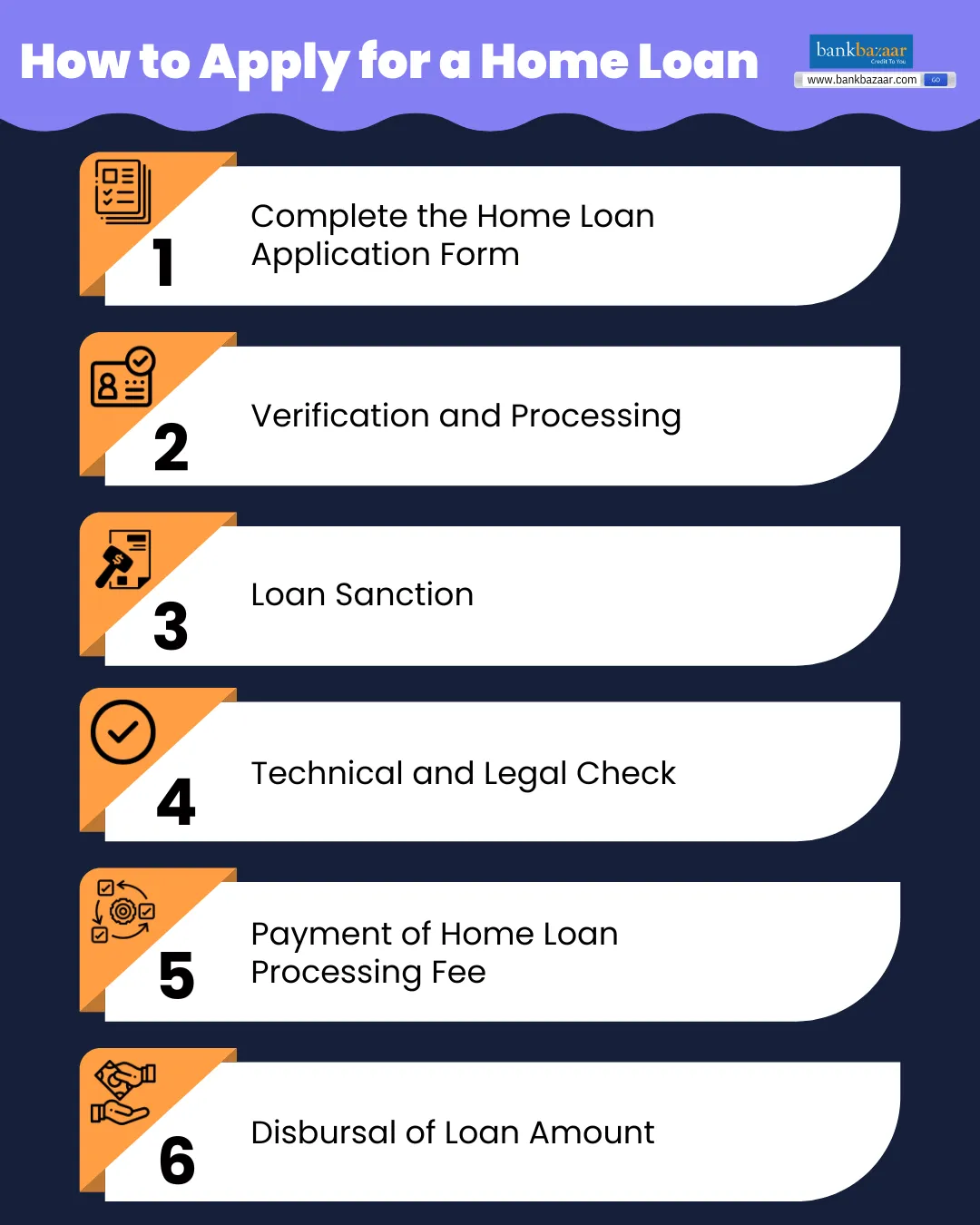
Phase 1: Financial Foundation and Credit Optimization
The success of a house loan application is determined months, and sometimes years, before the actual filing. Lenders are in the business of risk assessment; your goal as an applicant is to present yourself as a low-risk, high-reliability borrower.
Understanding and Boosting Your Credit Score
Your credit score is the primary lever that determines your interest rate. In the world of personal finance, even a 0.5% difference in an interest rate can equate to tens of thousands of dollars over a 30-year term. Lenders typically look for a FICO score of 620 for conventional loans, but to access “prime” rates, you generally need a score of 740 or higher. To optimize this, you should audit your credit report for errors, keep your credit utilization below 30%, and avoid opening new lines of credit or making large purchases on financing in the six months leading up to your application.
Managing the Debt-to-Income (DTI) Ratio
Lenders use the Debt-to-Income ratio to calculate your ability to manage monthly payments. This is calculated by dividing your total monthly debt obligations (student loans, car payments, credit card minimums) by your gross monthly income. Most financial institutions prefer a DTI ratio of 36% or lower, with no more than 28% of that debt going toward the mortgage payment itself. If your DTI is high, focusing on aggressive debt repayment before applying for a loan can significantly increase your borrowing power.
Accumulating Capital for the Down Payment and Reserves
While many government-backed programs allow for low down payments (as low as 3% or 3.5%), the gold standard remains 20%. Reaching this threshold eliminates the need for Private Mortgage Insurance (PMI), an additional monthly cost that protects the lender but offers no benefit to the borrower. Beyond the down payment, lenders often require “cash reserves”—liquid assets that prove you can cover 2–6 months of mortgage payments in the event of income loss.
Phase 2: Evaluating Loan Products and Financial Institutions
Not all house loans are created equal. The financial market offers a variety of instruments tailored to different economic profiles and long-term goals.
Fixed-Rate vs. Adjustable-Rate Mortgages (ARMs)
The most common choice is the 30-year fixed-rate mortgage, which offers stability through a consistent interest rate for the duration of the loan. For those planning to move or refinance within a few years, an Adjustable-Rate Mortgage (ARM) might offer a lower initial rate. However, ARMs carry the risk of rate hikes in the future. From a financial planning perspective, a fixed-rate loan is a hedge against inflation, as your housing cost remains static while currency value fluctuates and wages typically rise.
Conventional vs. Government-Backed Loans
Conventional loans are ideal for those with strong credit and a substantial down payment. However, the financial landscape provides alternatives such as FHA loans (for those with lower credit scores), VA loans (for veterans with $0 down payment options), and USDA loans (for rural property investments). Each has specific fee structures, such as the FHA’s Mortgage Insurance Premium (MIP), which must be factored into your long-term cost-benefit analysis.
Comparing Lenders: Banks, Credit Unions, and Mortgage Brokers
It is a common mistake to apply only to your primary checking bank. To ensure financial efficiency, you should “shop” your loan.
- Retail Banks: Offer convenience but may have stricter overlays.
- Credit Unions: Often provide lower interest rates and lower fees due to their member-owned, non-profit status.
- Mortgage Brokers: Act as intermediaries who can access wholesale rates from multiple lenders, often finding niche products for unique financial situations.

Phase 3: The Pre-Approval Process and Documentation
Once your finances are in order and you have identified a potential lender, the formal process begins with pre-approval. This is a critical step that validates your “buying power” in the eyes of real estate sellers.
Pre-Qualification vs. Pre-Approval
Pre-qualification is a surface-level estimate based on unverified data you provide. In contrast, a pre-approval is a conditional commitment from a lender to grant you a loan for a specific amount. This involves a “hard” credit pull and a rigorous review of your financial documents. In a competitive real estate market, a pre-approval letter is an essential tool for making a credible offer.
Gathering the Financial Dossier
The documentation phase is often the most grueling. Lenders require a transparent view of your financial history. You will typically need to provide:
- Proof of Income: The last two years of W-2s, 1099s, and federal tax returns.
- Asset Verification: Sixty days of statements for every bank account, 401(k), IRA, and brokerage account.
- Employment Verification: Contact information for current and past employers to verify your “stability of income.”
- Gift Letters: If a relative is providing funds for your down payment, a signed “gift letter” is required to prove the money is not an undisclosed loan.
Phase 4: From House Hunting to Loan Underwriting
After finding a property and having an offer accepted, the loan application moves into its final, most intensive stage.
The Appraisal and Home Inspection
The lender will hire a third-party appraiser to ensure the property is worth the purchase price. This protects the lender’s collateral. If the appraisal comes in low, a “value gap” is created, requiring the borrower to either negotiate the price down, pay the difference in cash, or walk away. While the appraisal is for the lender, a home inspection is for the buyer, identifying potential “money pits” or structural issues that could impact the long-term value of the investment.
The Underwriting Deep Dive
Underwriting is where a professional “underwriter” scrutinizes your entire financial life one last time. They look for any inconsistencies, large unexplained deposits, or changes in employment. During this period, it is vital to maintain a “financial freeze.” Do not change jobs, do not buy a car, and do not move large sums of money between accounts. The underwriter’s goal is to ensure the loan meets all “qualified mortgage” standards and that the risk of default is minimized.
Phase 5: Closing the Deal and Long-Term Debt Management
The final stage is the “closing” or “settlement,” where the ownership of the property is transferred and the loan is funded.
Understanding Closing Costs
Borrowers are often surprised by closing costs, which typically range from 2% to 5% of the total loan amount. These include loan origination fees, title insurance, appraisal fees, and government recording fees. Smart financial planning involves negotiating for “seller concessions” (where the seller pays a portion of these costs) or choosing a “no-closing-cost” loan, which usually results in a slightly higher interest rate.
The Final Walkthrough and Signing
Before signing the final stack of documents, the borrower receives the Closing Disclosure (CD). You must compare this to the initial Loan Estimate provided at the start of the process. If the fees have changed significantly without explanation, this is the time to raise questions. Once the papers are signed and the deed is recorded, the house loan is active.

Strategic Debt Repayment and Equity Building
Applying for the loan is just the beginning. The long-term objective is to manage the debt efficiently. This can be achieved through:
- Bi-weekly Payments: Making half a payment every two weeks results in one extra full payment per year, potentially shaving years off a 30-year mortgage.
- Recasting vs. Refinancing: If you receive a windfall of cash, you can “recast” the loan to lower your monthly payments without changing the interest rate. Alternatively, if market rates drop significantly, refinancing can optimize your interest expense and improve your overall net worth.
In conclusion, applying for a house loan is a sophisticated financial exercise. By focusing on credit health, understanding the diverse range of financial products, and meticulously preparing your documentation, you can navigate this process with confidence. A well-structured mortgage is not just a debt—it is a strategic tool for securing your financial future and building generational wealth.
aViewFromTheCave is a participant in the Amazon Services LLC Associates Program, an affiliate advertising program designed to provide a means for sites to earn advertising fees by advertising and linking to Amazon.com. Amazon, the Amazon logo, AmazonSupply, and the AmazonSupply logo are trademarks of Amazon.com, Inc. or its affiliates. As an Amazon Associate we earn affiliate commissions from qualifying purchases.