
The modernization of air travel has evolved far beyond human convenience. As the “pet humanization” trend continues to accelerate, the technology sector has responded with a sophisticated ecosystem of tools designed to ensure that our canine companions can navigate the skies as safely and comfortably as their owners. Gone are the days of simple plastic crates and hoping for the best; today, air travel with a dog is a high-tech operation involving IoT connectivity, AI-driven logistics, and digital health verification.
To successfully navigate the complexities of pet transit, one must look beyond the airline’s basic checklist and embrace a tech-forward strategy. This guide explores the digital transformation of pet travel, focusing on the hardware and software solutions that are redefining the experience for modern dog owners.
Smart Logistics: Leveraging IoT and Wearables for Safe Transit
The primary anxiety for any dog owner during air travel—particularly if the pet is flying in the cargo hold—is the “black hole” of information. Once the dog is checked in, owners often lose all visibility until arrival. However, the Internet of Things (IoT) has revolutionized this aspect of the journey through real-time monitoring and data transparency.
Real-Time Tracking with GPS and Bluetooth
While standard microchips are essential for permanent identification, they are passive devices. For active travel, owners are increasingly turning to active GPS and cellular trackers. Devices like the Fi Series 3 or Tractive utilize LTE-M cellular technology to provide real-time location updates. When traveling, these devices allow owners to verify that their dog has indeed been loaded onto the aircraft from the comfort of their seat.
Furthermore, the integration of Apple’s Find My network via AirTags has become a secondary failsafe. While AirTags rely on nearby iPhones to update their location, the sheer density of smartphones in an airport environment makes them an incredibly effective, low-energy solution for tracking a dog’s movement through the luggage handling system.
Smart Crates and Environmental Monitoring
The “smart crate” is the latest frontier in pet travel hardware. Startups are now developing pressurized, climate-controlled shipping containers equipped with internal sensors. These sensors monitor temperature, humidity, and CO2 levels in real-time, transmitting the data directly to the pilot’s cockpit or the owner’s smartphone via the plane’s internal Wi-Fi.
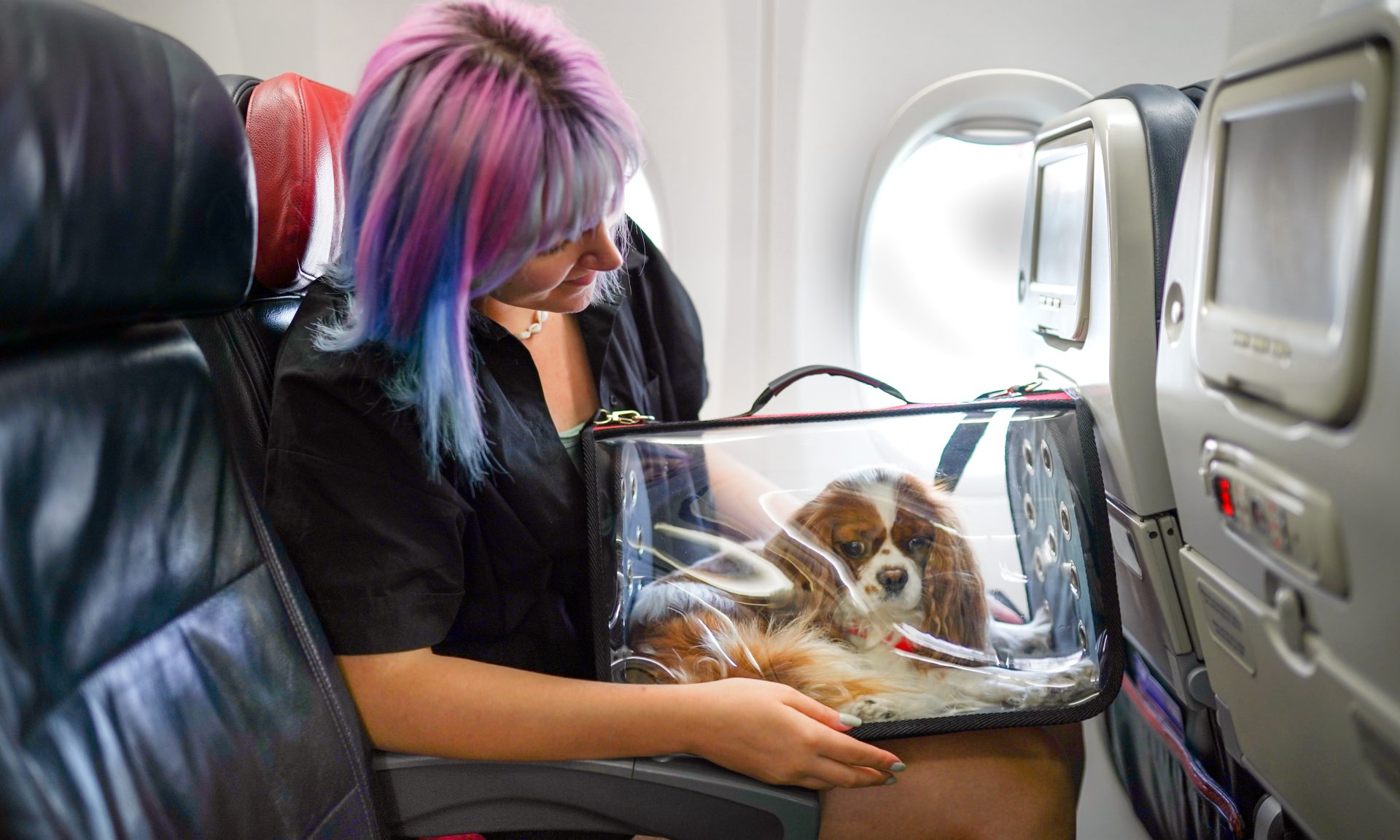
For dogs traveling in the cabin, tech-integrated soft carriers now feature built-in fans for ventilation and integrated weight sensors to ensure compliance with strict airline regulations. These gadgets remove the guesswork from travel, providing empirical data to ensure the dog’s physiological safety during the flight.
Digital Health Documentation and Blockchain Compliance
One of the most significant hurdles in international air travel with a dog is the labyrinthine requirement for health certificates, rabies titers, and import permits. Traditionally, this involved a mountain of physical paperwork that was prone to loss or forgery. The tech sector is currently streamlining this through digital health ecosystems.
The Rise of Digital Pet Passports
Platforms such as GlobalVetLink have digitized the veterinary compliance process. Instead of carrying folders of paper, owners can now utilize digital pet passports that store verified veterinary records in a secure cloud environment. These platforms allow veterinarians to upload health certificates directly to a portal accessible by airline agents and customs officials.
By centralizing this data, the risk of a “denied boarding” due to a missing signature or an expired vaccination is drastically reduced. These digital archives also serve as a permanent record of the dog’s medical history, accessible anywhere in the world with an internet connection.
Automated Compliance and Quarantine Verification Apps
Navigating the specific entry requirements for different countries (such as the UK, Japan, or Hawaii) is a data-heavy task. New AI-driven apps act as “travel concierges,” where an owner inputs their destination, and the software generates a precise timeline for vaccinations and blood tests.

There is also an emerging interest in using blockchain technology to secure these records. By placing a pet’s health history on a decentralized ledger, customs authorities can instantly verify the authenticity of a rabies vaccination or a microchip ID without the fear of document tampering. This level of digital trust is essential for moving toward a future of “paperless” pet borders.
AI-Powered Travel Planning and Cabin Experience
Artificial Intelligence is playing an increasingly vital role in how we plan pet travel and manage the dog’s stress levels during the flight. From optimizing flight paths to managing canine anxiety, AI is the “invisible hand” making pet travel more humane.
AI Algorithms for Pet-Friendly Route Optimization
Not all flight paths are equal when it comes to pet safety. Factors such as ground temperature at layover hubs and the duration of tarmac time can be life-threatening for dogs. Travel tech platforms are now using predictive AI to analyze historical flight data, weather patterns, and airport congestion to recommend the “safest” routes for pet travel.
For instance, an AI might suggest a 10:00 PM flight through a cooler hub rather than a midday flight through a desert climate, specifically to minimize the risk of heatstroke during loading. These algorithms take the cognitive load off the owner and prioritize the biological needs of the animal.
Tech-Enhanced Comfort: Calming Wearables and Audio Therapy
For the dog inside the cabin, technology offers several solutions to mitigate the stress of cabin pressure changes and engine noise. High-tech “calming vests” now utilize gentle, rhythmic haptic feedback—monitored via a smartphone app—to mimic a heartbeat and lower a dog’s heart rate.
Additionally, “bioacoustic” music platforms, such as RelaxMyDog, use AI to curate soundscapes specifically tuned to canine hearing frequencies. These tracks are designed to mask the high-frequency whistles of jet engines which can be distressing to dogs. When paired with noise-canceling technology or specialized canine ear muffs (like Mutt Muffs), these tech tools create a sensory bubble that helps the dog remain calm throughout the transit.
The Future of Biometric Boarding for Pets
As airports move toward biometric boarding for humans, the same technology is being adapted for our four-legged travelers. This shift aims to reduce wait times and improve the accuracy of pet identification at security checkpoints.
Facial Recognition and Digital IDs for Canine Passengers
While microchips are the gold standard for identification, they require a physical scanner. The next generation of pet tech involves canine facial recognition. Much like Apple’s FaceID, these algorithms map the unique features of a dog’s muzzle and eye spacing.
Several tech firms are working on “Digital Pet IDs” that link this biometric data to the owner’s digital boarding pass. In the future, a dog could be “scanned” by an overhead camera as they enter the gate, automatically verifying their identity and health status without the need for manual chip scanning or paperwork checks.
Streamlining Airport Security with Automated Scanners
TSA and international security agencies are also looking at how technology can make the security screening process less stressful for dogs. New CT (Computed Tomography) scanners allow for more detailed imaging of pet carriers, potentially reducing the need for dogs to be removed from their carriers in high-traffic, high-stress security lines. Furthermore, “smart” pet relief stations are being integrated into airport terminals, featuring automated cleaning systems and air filtration tech to provide a hygienic environment for dogs during long layovers.

Conclusion: The New Standard of High-Tech Pet Travel
Air travel with a dog has evolved from a logistical nightmare into a sophisticated exercise in tech integration. By utilizing a combination of IoT hardware, AI-driven planning software, and digital health platforms, owners can now mitigate the risks and stressors that once made pet travel a daunting prospect.
As we look to the future, the boundary between human and pet travel tech will continue to blur. The goal is a seamless, “connected” journey where the dog is not treated as “excess baggage,” but as a digital-first passenger. For the modern dog owner, staying updated on these technological trends is not just about convenience—it is the key to ensuring the safety and well-being of their most loyal companions in an increasingly mobile world.
aViewFromTheCave is a participant in the Amazon Services LLC Associates Program, an affiliate advertising program designed to provide a means for sites to earn advertising fees by advertising and linking to Amazon.com. Amazon, the Amazon logo, AmazonSupply, and the AmazonSupply logo are trademarks of Amazon.com, Inc. or its affiliates. As an Amazon Associate we earn affiliate commissions from qualifying purchases.