
In the current economic landscape, the ability to process transactions quickly and efficiently is no longer a luxury reserved for brick-and-mortar retailers with bulky point-of-sale systems. Whether you are running a weekend side hustle, a consulting firm, or a mobile service business, your phone has become your most powerful financial tool. Transitioning from a cash-only operation to a mobile-enabled enterprise is a pivotal step in professionalizing your business finance and ensuring you never lose a sale due to payment friction.
Accepting credit cards on your phone is less about the hardware and more about the financial infrastructure you build around your brand. By turning a smartphone into a payment terminal, you are essentially integrating your revenue stream directly into your digital accounting ecosystem. This guide explores the financial mechanics of mobile payments, the cost-benefit analysis of different providers, and how to manage the resulting cash flow to optimize your business’s bottom line.

The Financial Evolution of Mobile Commerce
The shift toward a cashless society has accelerated at an unprecedented rate. For the small business owner or independent contractor, this evolution represents a significant opportunity to increase revenue velocity. When you accept credit cards via a mobile device, you remove the physical and psychological barriers that often prevent high-value impulse purchases or prompt service payments.
Shifting from Cash-Only to Digital-First
In the past, small-scale entrepreneurs were often sidelined by the high barrier to entry associated with merchant accounts. Traditional banks required extensive credit checks, long-term contracts, and expensive hardware leases. Today, the democratization of financial tools allows anyone with a smartphone to bypass these hurdles. Moving to a digital-first payment model allows for immediate record-keeping, which is the cornerstone of sound personal and business finance. Every transaction is timestamped, categorized, and recorded, eliminating the “leakage” that often occurs with cash transactions where small expenses and receipts go unaccounted for.
Impact on Cash Flow and Revenue Velocity
Revenue velocity—the speed at which money moves through your business—is a critical metric for growth. When you accept checks, you deal with clearing times and the risk of NSF (non-sufficient funds). When you accept cash, you face the logistical burden of physical deposits. Mobile credit card processing facilitates “T+1” or even “T+0” (instant) settlements. This means the capital you earn at a 2:00 PM appointment can be in your operating account by the next morning, allowing you to reinvest that capital into inventory, marketing, or other operational expenses immediately.
Selecting the Right Financial Tool for Your Business Model
Choosing a mobile payment processor is a significant financial decision. It is not merely about which app has the best interface, but which fee structure aligns with your transaction volume and average ticket size. In the world of business finance, overpaying for processing fees can quietly erode your profit margins over time.
Comparing Merchant Service Providers
The market is dominated by several key players, each offering different financial advantages.
- Square: Often the gold standard for micro-businesses, Square offers a flat-rate fee structure that is easy to forecast. It is ideal for those who value simplicity and integrated financial reporting.
- Stripe: While more “tech-forward,” Stripe’s financial utility lies in its deep integration with online invoicing and recurring billing, making it a favorite for service-based side hustles.
- PayPal/Zettle: For those who already manage their business finance through PayPal, Zettle provides a seamless transition from online payments to in-person mobile processing.
Understanding Fee Structures: Flat-Rate vs. Interchange-Plus
To protect your margins, you must understand how you are being charged. Most mobile processors use a Flat-Rate model (e.g., 2.6% + $0.10 per swipe). This is beneficial for businesses with smaller transaction amounts because it provides predictability. However, as your business grows and your monthly volume exceeds $10,000, you might consider Interchange-Plus pricing. This model passes the direct cost from the card networks (Visa/Mastercard) to you, plus a small markup. For high-volume businesses, this can result in significant annual savings compared to flat-rate pricing.
Essential Financial Infrastructure for Mobile Payments
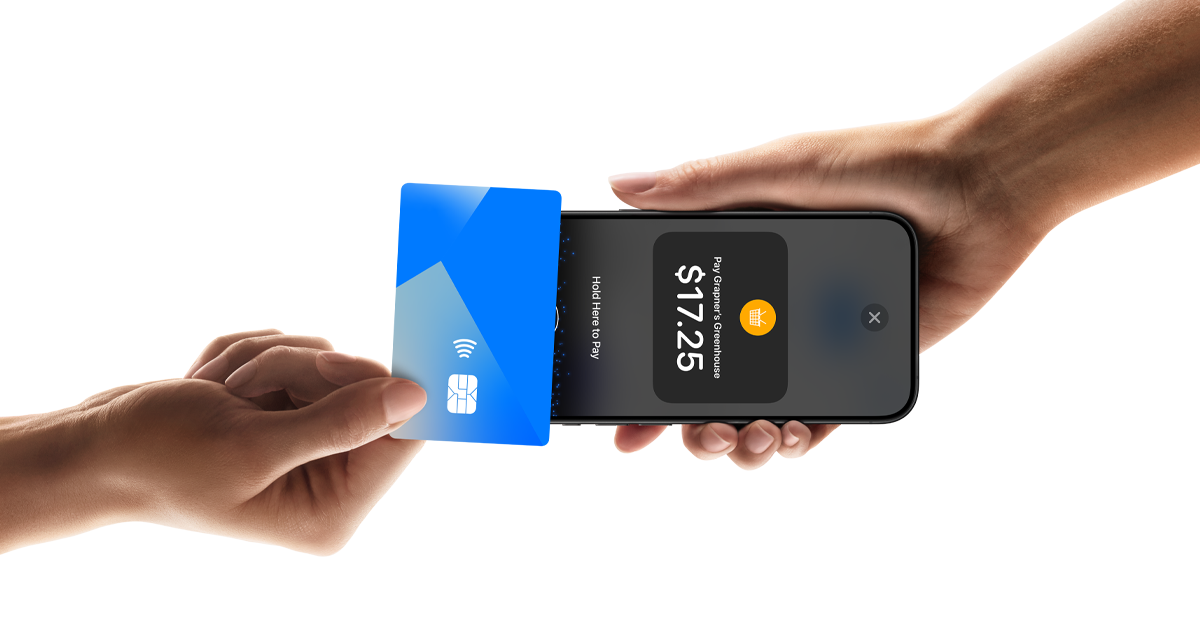
Accepting a payment on your phone is only the beginning of the financial lifecycle of a transaction. To maintain a healthy business, that payment must be reconciled, taxed, and accounted for within your broader financial framework.
Integrating Payment Apps with Accounting Software
The true power of mobile payments is realized when your processing app “talks” to your accounting software (like QuickBooks, Xero, or FreshBooks). Manual data entry is not just a time-sink; it is a financial risk. Automating the sync between your phone’s payment app and your general ledger ensures that your Profit and Loss (P&L) statements are updated in real-time. This level of financial clarity allows you to make informed decisions about scaling, hiring, or cutting costs based on accurate, up-to-the-minute data.
Managing Daily Payouts and Settlement Cycles
A common pitfall for new entrepreneurs is failing to distinguish between “Gross Sales” and “Net Deposits.” When you accept a $100 payment on your phone, you are not receiving $100; you are receiving $100 minus the processing fee. Proper financial management requires you to account for these “Cost of Goods Sold” (COGS) effectively. Furthermore, understanding your processor’s settlement cycle—whether they batch payments daily, weekly, or upon request—is essential for managing your accounts payable and ensuring you have enough liquidity to cover your own bills.
Security and Financial Compliance in the Mobile Era
Handling other people’s financial data carries significant responsibility. In the “Money” niche, security is not just a technical requirement; it is a risk management strategy. A single data breach or a high rate of fraudulent transactions can lead to heavy fines, frozen funds, and the eventual termination of your merchant capabilities.
Mitigating Chargeback Risks and Fraud
A chargeback occurs when a customer disputes a transaction through their bank rather than seeking a refund from you. For the mobile merchant, chargebacks are a double financial hit: you lose the revenue from the sale, and you are usually hit with a “chargeback fee” ranging from $15 to $50. To protect your bottom line, always use EMV (chip) readers rather than “swiping” or “keying in” card numbers. Chip transactions shift the liability for fraud away from the merchant and onto the card issuer, providing a vital layer of financial protection for your business.
PCI Compliance for the Small Business Owner
The Payment Card Industry Data Security Standard (PCI DSS) is a set of requirements designed to ensure that all companies that process, store, or transmit credit card information maintain a secure environment. Most modern mobile payment apps handle the bulk of PCI compliance for you by encrypting data the moment it is read. However, as a business owner, you are still financially responsible for ensuring that you do not store sensitive cardholder data on your phone’s local storage or in unencrypted notes. Maintaining compliance is essential for avoiding the “non-compliance fees” that many processors levy on uncertified accounts.
Optimizing Your Bottom Line through Mobile Payment Data
Beyond the immediate utility of collecting money, mobile payment platforms serve as a rich source of financial intelligence. Every transaction is a data point that can be leveraged to improve your financial forecasting and strategic planning.
Leveraging Sales Analytics for Financial Forecasting
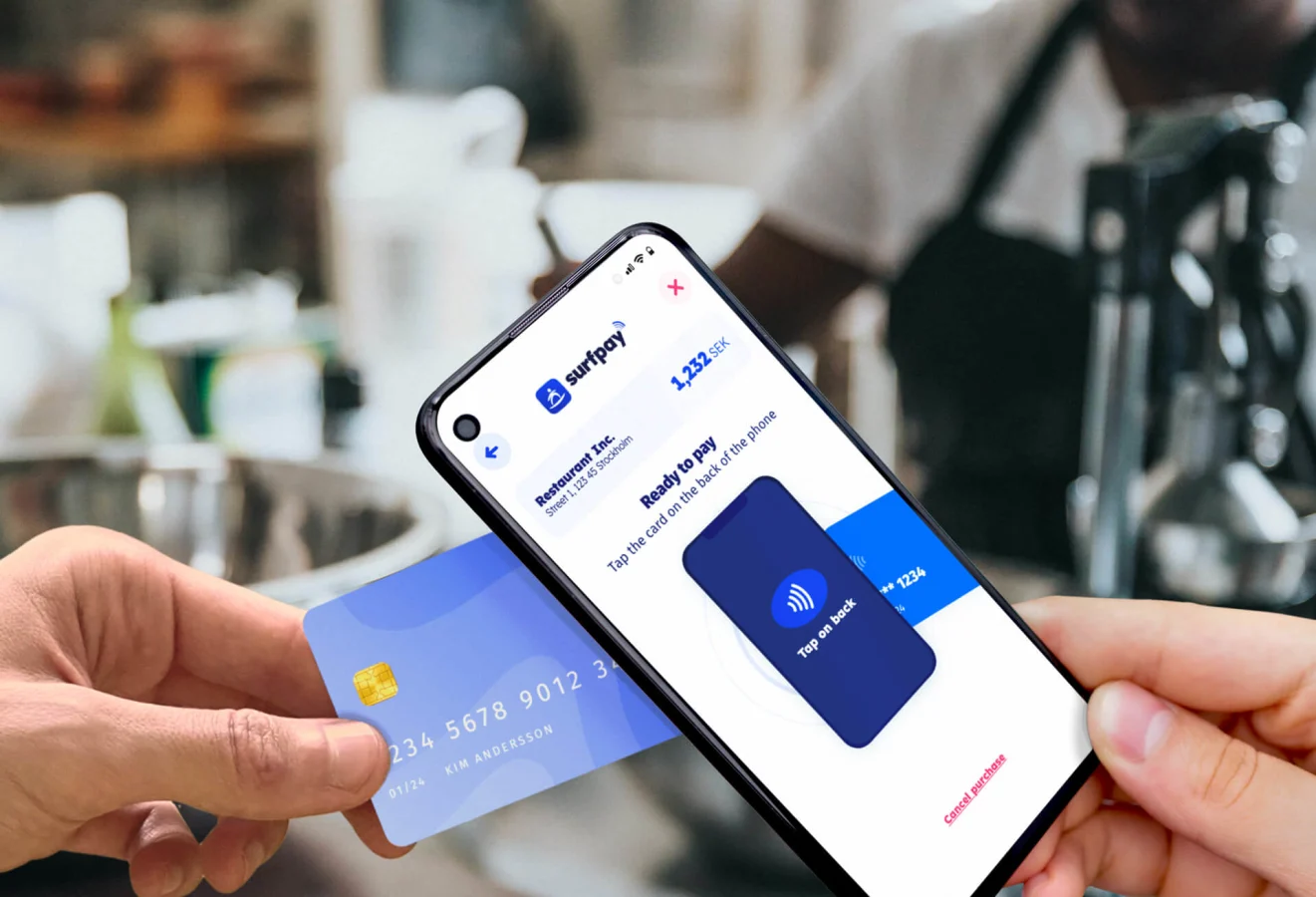
Most mobile payment apps provide a back-end dashboard filled with analytics. By reviewing these reports, you can identify your most profitable days of the week, your average transaction value, and your customer retention rates. This data is invaluable when creating a business budget or seeking a small business loan. Lenders want to see consistent, documented revenue streams, and the detailed reporting provided by mobile processors offers the “proof of concept” needed to secure external financing.
Tax Preparation and 1099-K Reporting
From a tax perspective, accepting credit cards on your phone makes the end of the year significantly less stressful. Processors are required to report your gross card-based income to the IRS via Form 1099-K if you meet certain thresholds. Because every transaction is digitally logged, you have an airtight audit trail. This transparency is a double-edged sword: while it makes tax filing easier, it also means there is no room for underreporting income. Smart financial management involves setting aside a percentage of every mobile transaction (typically 20-30%) into a separate tax savings account to avoid a liquidity crisis when quarterly estimated taxes are due.
In conclusion, learning how to accept credit cards on your phone is the first step toward building a sophisticated financial operation. By choosing the right provider, understanding the fee structures, and integrating your payments with your broader accounting ecosystem, you turn your smartphone into a gateway for sustainable financial growth. In the modern economy, the businesses that thrive are those that make it easiest for capital to flow into their accounts. Embracing mobile payments is the most effective way to ensure that your business remains liquid, compliant, and ready for the next level of success.
aViewFromTheCave is a participant in the Amazon Services LLC Associates Program, an affiliate advertising program designed to provide a means for sites to earn advertising fees by advertising and linking to Amazon.com. Amazon, the Amazon logo, AmazonSupply, and the AmazonSupply logo are trademarks of Amazon.com, Inc. or its affiliates. As an Amazon Associate we earn affiliate commissions from qualifying purchases.