
For millions of Americans, the Social Security Administration (SSA) represents the bedrock of retirement planning. Yet, despite its importance, the question “How much will I receive?” remains one of the most complex to answer. Your future monthly benefit is not a static number; it is a moving target influenced by your career longevity, your historical earnings, and, perhaps most importantly, the specific moment you choose to trigger your claim.
Understanding the architecture of the Social Security system is essential for any savvy financial plan. Whether you are decades away from retirement or standing on the threshold, decoding the formulas and strategies behind these payments can mean the difference between a modest lifestyle and a comfortable, secure future.
Understanding the Mechanics: How Your Benefit is Calculated
The Social Security benefit formula is designed to replace a portion of your pre-retirement income. However, it is weighted to provide a higher “replacement rate” for lower-income earners than for high-income earners. To arrive at your benefit amount, the SSA follows a multi-step process that looks back at your entire working life.
The Importance of Your Highest 35 Years of Earnings
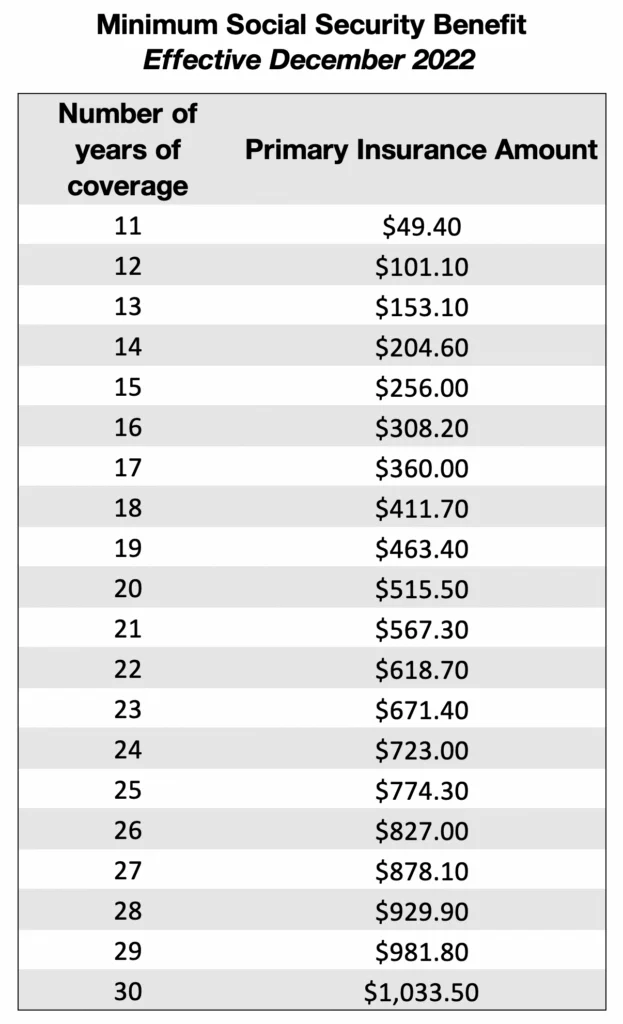
The foundation of your Social Security check is your “work history.” The SSA looks at your top 35 years of indexed earnings. If you worked for 40 years, they take the best 35. If you worked for only 25 years, the formula will include 10 years of “zeros.” This is a critical point for personal finance planning: working even a few extra years to replace low-earning years from your youth with high-earning years from your peak career can significantly boost your final average.
How AIME and PIA Determine Your Monthly Check
Once your 35 highest-earning years are identified and adjusted for inflation (indexed), they are averaged to calculate your Average Indexed Monthly Earnings (AIME). This figure is then plugged into a formula to find your Primary Insurance Amount (PIA). The PIA is the monthly value you are entitled to if you claim exactly at your Full Retirement Age (FRA). The formula uses “bend points”—specific dollar thresholds that dictate how much of your AIME is returned to you. Currently, you receive 90% of the first chunk of your earnings, 32% of the middle chunk, and 15% of the remainder up to the maximum taxable limit.
The Impact of Inflation and COLA Adjustments
Once you begin receiving benefits, your check isn’t frozen in time. To protect the purchasing power of retirees against the rising costs of goods and services, the SSA applies an annual Cost-of-Living Adjustment (COLA). These adjustments are based on the Consumer Price Index for Urban Wage Earners and Clerical Workers (CPI-W). In years of high inflation, these adjustments can be substantial, providing a much-needed hedge for those living on a fixed income.
The Critical Role of Timing: When to Claim
While your earnings history sets the baseline for your benefit, the “when” is often more impactful than the “how much.” You can claim Social Security as early as age 62, as late as age 70, or anywhere in between. Each month you wait changes the math.
Full Retirement Age (FRA) Explained
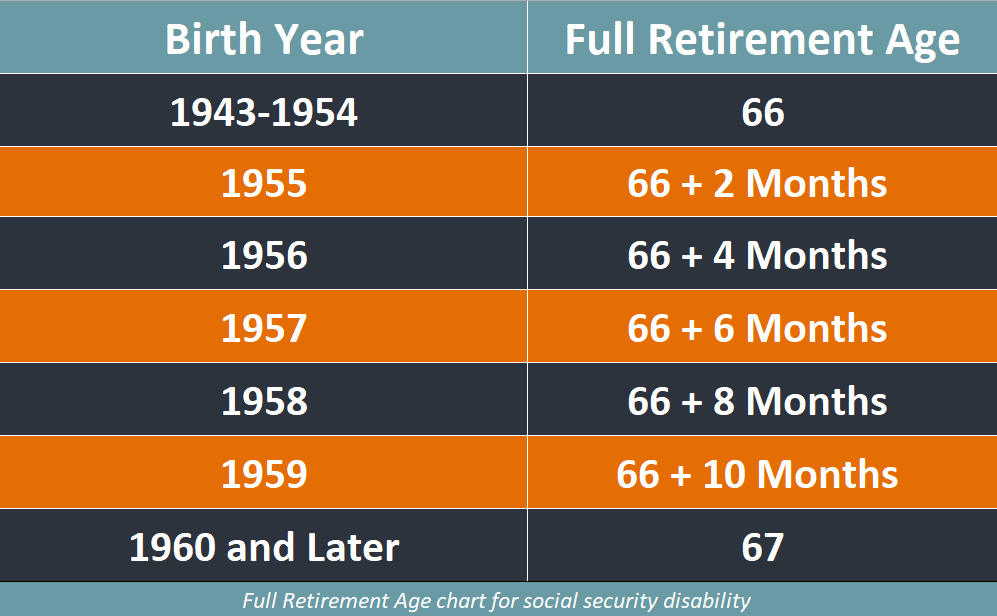
Your Full Retirement Age is the point at which you receive 100% of your earned benefit (the PIA). For those born in 1960 or later, the FRA is 67. For those born earlier, it may be 66 and a few months. Knowing your specific FRA is the “North Star” of your retirement timing; it is the baseline from which all increases or decreases are measured.
The Penalty for Early Filing at Age 62
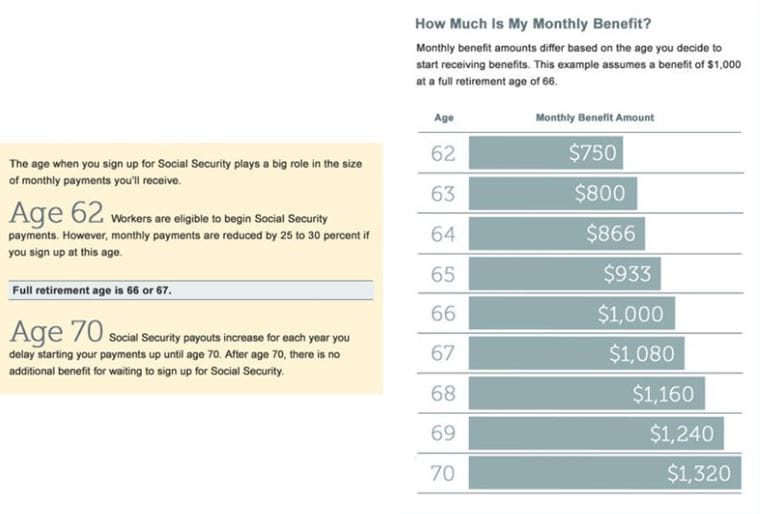
Financial necessity often drives people to claim benefits as soon as they become eligible at age 62. However, there is a permanent price for doing so. If your FRA is 67 and you claim at 62, your monthly benefit is reduced by 30%. This reduction is permanent and applies to your COLA increases for the rest of your life. While you get more checks over a longer period, each check is significantly smaller, which can create financial strain in your 80s and 90s when healthcare costs typically peak.
The 8% Reward: Delaying Benefits Until Age 70
On the other end of the spectrum is the “delay strategy.” For every year you wait past your FRA to claim, your benefit increases by approximately 8% per year in “delayed retirement credits.” This stops at age 70. For someone with an FRA of 67, waiting until 70 results in a 24% increase over their base benefit. In the world of investing, a guaranteed, inflation-adjusted 8% return is almost unheard of, making the decision to delay one of the most powerful wealth-preservation moves a retiree can make.
Factors That Can Reduce or Increase Your Benefit
Beyond your earnings and timing, several specific financial variables can alter the net amount that actually lands in your bank account.
The Social Security Earnings Test for Early Filers
If you choose to claim benefits early but continue to work, you may be subject to the “Earnings Test.” If your earned income exceeds a certain annual limit, the SSA will temporarily withhold a portion of your benefits ($1 for every $2 earned over the limit). The good news is that these withheld funds are not “lost”; once you reach your FRA, the SSA recalculates your benefit upward to account for the months they held back your pay.
Tax Obligations on Your Benefits
A common misconception is that Social Security is tax-free. In reality, depending on your “provisional income” (your adjusted gross income + tax-exempt interest + 50% of your Social Security benefits), you may owe federal income tax on up to 85% of your benefits. If you are a high-net-worth individual or have a significant pension, you must factor this tax liability into your cash-flow projections to avoid a surprise at the end of the fiscal year.
Spousal and Survivor Benefit Considerations
Social Security is a family benefit, not just an individual one. If you are married, you may be eligible for a spousal benefit worth up to 50% of your partner’s PIA if that is higher than your own earned benefit. Additionally, survivor benefits allow a widow or widower to “step into the shoes” of the higher-earning spouse after they pass away. Coordination between spouses is vital; if the high-earner delays until age 70, they are not just increasing their own check, but potentially securing a much larger survivor benefit for their spouse.
Using Digital Tools to Estimate Your Future Income
Because there are so many variables, trying to calculate your benefit with a pen and paper is nearly impossible. Modern financial tools have made this process significantly more transparent.
Navigating the “my Social Security” Account
The most accurate way to see where you stand is to create a “my Social Security” account on the official SSA.gov website. This portal provides your official earnings record. It is essential to review this periodically to ensure that your employers have accurately reported your income; an error in your 30s could result in a lower check in your 70s.
Understanding Your Social Security Statement
Your digital statement provides several “what-if” scenarios, showing your estimated monthly payment at age 62, at your FRA, and at age 70. However, these estimates usually assume you will continue to earn your current salary until the day you claim. If you plan on “FIRE” (Financial Independence, Retire Early) and stop working at 50 but don’t claim until 67, your actual benefit will likely be lower than the statement suggests because of those years of zero income.
Why Your Estimate Might Change Over Time
Beyond changes in your own income, legislative changes can impact your estimates. While Social Security is a foundational program, future adjustments to the FRA or the taxable maximum income could shift the goalposts for younger workers. Staying informed through financial news and official SSA updates is a necessary part of long-term wealth management.
Strategic Planning: Integrating Social Security into Your Total Portfolio
Social Security should rarely be your only source of income. Instead, think of it as the “bond” or “annuity” portion of a diversified retirement portfolio.
The “Bridge” Strategy for Retirees
Many financial advisors suggest a “bridge” strategy: using funds from a 401(k) or IRA to cover living expenses between ages 62 and 70 so that you can delay Social Security. By drawing down your private investments first, you allow your government-guaranteed, inflation-indexed benefit to grow to its maximum possible size.
Diversification Beyond Government Benefits
The most successful retirees are those who view Social Security as a supplement rather than a primary engine. By maximizing Roth IRAs, brokerage accounts, and real estate investments, you create a multi-layered income stream. This diversification protects you against potential policy changes and gives you the flexibility to choose a retirement date based on your lifestyle goals rather than financial desperation.
In conclusion, the answer to “how much will I receive” is a combination of your past diligence in the workforce and your future patience in the retirement process. By understanding the 35-year rule, the impact of claiming ages, and the tax implications of your benefits, you can transform Social Security from a mysterious monthly check into a powerful, optimized asset in your financial arsenal.
aViewFromTheCave is a participant in the Amazon Services LLC Associates Program, an affiliate advertising program designed to provide a means for sites to earn advertising fees by advertising and linking to Amazon.com. Amazon, the Amazon logo, AmazonSupply, and the AmazonSupply logo are trademarks of Amazon.com, Inc. or its affiliates. As an Amazon Associate we earn affiliate commissions from qualifying purchases.