
For millions of Americans, Social Security benefits represent a cornerstone of their financial future, particularly in retirement. The question, “How much will I collect in Social Security?” is therefore not just a matter of curiosity but a critical component of personal finance planning. While the program’s structure can seem complex, understanding the core factors that influence your benefit amount is essential for making informed decisions and optimizing your financial well-being in later life. Your Social Security payout isn’t a fixed sum; it’s a personalized calculation influenced by decades of your work history, the age you decide to claim, and various other economic and personal factors. Navigating these intricacies can significantly impact the financial security you experience during your non-working years. This article will demystify the process, breaking down the key determinants of your Social Security benefits and empowering you with the knowledge to estimate and potentially enhance your future income.
The Bedrock of Your Social Security Benefits: Your Work History
At its core, Social Security is an earned benefit, meaning the amount you receive is directly tied to your contributions to the system throughout your working life. The Social Security Administration (SSA) meticulously records your earnings each year, and this history forms the foundation upon which your future benefits are calculated. The more you earn (up to a certain limit) and the longer you work, the higher your potential benefits.
The “AIME” Calculation: How Your Earnings Are Averaged
The primary method the SSA uses to determine your basic benefit amount is through a formula that calculates your Average Indexed Monthly Earnings (AIME). This isn’t a simple average of your nominal earnings. Instead, your earnings from past years are “indexed” to account for changes in the average wage level in the economy over time. This indexing ensures that your past earnings reflect their relative value at the time they were earned. For example, $10,000 earned in 1985 had significantly more purchasing power than $10,000 in 2023. Indexing adjusts those past earnings upward to a more current equivalent before they are averaged. The SSA then takes your highest 35 years of indexed earnings, sums them up, and divides by 420 (the number of months in 35 years) to arrive at your AIME. This AIME is then run through a progressive formula with “bend points” to determine your Primary Insurance Amount (PIA), which is the monthly benefit you would receive if you claim at your Full Retirement Age (FRA). The bend points ensure that lower-income earners receive a higher percentage of their average indexed earnings back in benefits compared to high-income earners. This progressive structure is a hallmark of the Social Security system, aiming to provide a safety net for all.
The 35-Year Rule: Why Every Working Year Matters
The selection of your 35 highest earning years for the AIME calculation is a critical detail. If you have worked for fewer than 35 years, the SSA will still use a 35-year period for the calculation, but any years with no earnings will be counted as zero. This can significantly drag down your average, resulting in a lower benefit amount. Conversely, if you work for more than 35 years, your lowest-earning years within that 35-year window will be replaced by higher-earning years from your extended career. This mechanism incentivizes longer careers and can meaningfully boost your benefit. For example, someone who worked for 30 years and then decides to work for an additional 5 years, earning a higher salary, could replace five “zero” years or five low-earning years, leading to a substantial increase in their AIME and, consequently, their monthly benefit. Therefore, understanding the impact of working longer, especially if you have gaps in your employment history, is vital for maximizing your Social Security income.
Understanding Covered Earnings and the Tax Cap
It’s also important to recognize that not all of your income is subject to Social Security taxes, nor does it all count towards your benefit calculation. Each year, there is a Social Security earnings limit (or “taxable maximum”) above which your earnings are not taxed for Social Security and do not contribute to your benefit calculation. For example, in 2023, the earnings limit was $160,200. Any income earned above this amount in a given year does not increase your Social Security contributions or future benefits. This cap ensures that while higher earners contribute more up to a point, there’s a ceiling on both contributions and benefits, maintaining a degree of fairness and predictability within the system. Understanding this limit is important for high-income earners who might mistakenly believe that every dollar they earn above this cap will increase their future Social Security checks.
The Crucial Variable: When You Choose to Claim
While your work history sets the foundational benefit amount (your PIA), the single most impactful decision you’ll make regarding Social Security is when you choose to start collecting benefits. This decision can result in a permanent increase or decrease in your monthly payout, lasting for the rest of your life. There’s a delicate balance between starting benefits early to get cash flow sooner and waiting to secure a larger monthly sum.
Full Retirement Age (FRA): The Benchmark
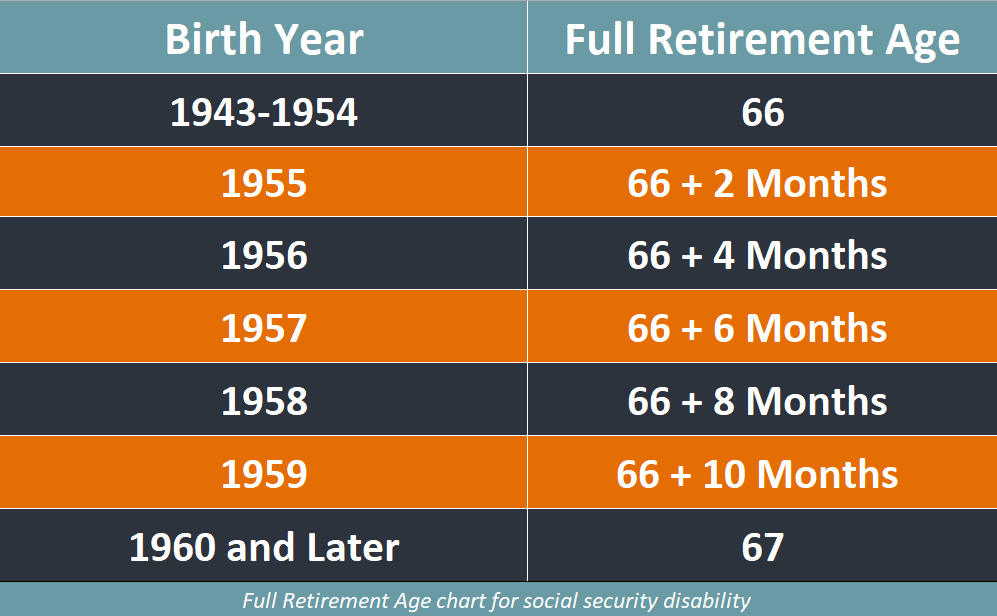
Your Full Retirement Age (FRA) is the age at which you are entitled to receive 100% of your Primary Insurance Amount (PIA). This age isn’t universal; it depends on your birth year. For those born between 1943 and 1954, FRA is 66. It gradually increases for those born later, reaching age 67 for anyone born in 1960 or later. Knowing your specific FRA is critical because it serves as the baseline for all other claiming age decisions. Claiming before your FRA results in a permanent reduction, while claiming after your FRA results in a permanent increase. This benchmark allows individuals to calculate the exact impact of their claiming decision relative to their maximum unadjusted benefit.
Early Claiming: The Permanent Reduction
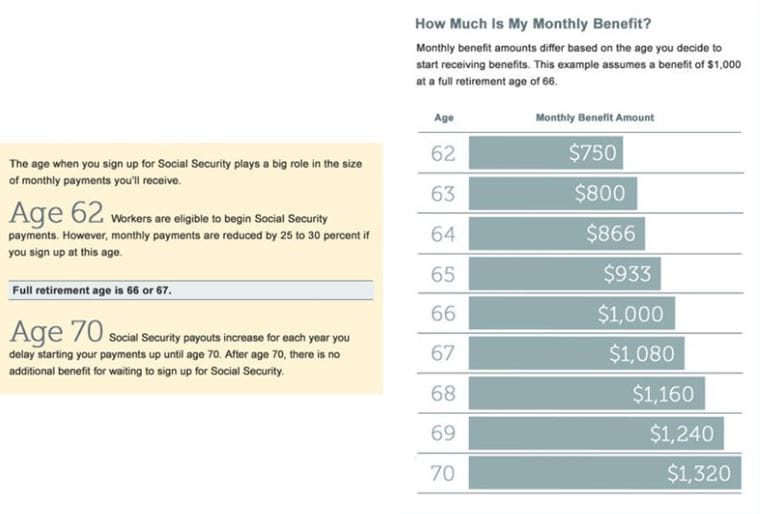
You can begin collecting Social Security benefits as early as age 62. However, doing so comes with a significant and permanent reduction in your monthly benefit. The reduction rate is approximately 5/9 of 1% for each month before your FRA, up to 36 months. If you claim more than 36 months early, the reduction is 5/12 of 1% per month. For someone with an FRA of 67, claiming at age 62 means a reduction of about 30% of their PIA. While early claiming offers immediate income, which can be crucial for those facing job loss, health issues, or simply a desire for early retirement, it’s a decision with long-term financial consequences. The cumulative effect of a reduced benefit over what could be decades of retirement should be carefully considered, particularly in the context of longevity and rising living costs.
Delayed Claiming: The Significant Boost
Conversely, you can delay claiming your Social Security benefits past your Full Retirement Age, up to age 70. For each month you delay past your FRA, your benefit amount increases by a certain percentage, known as Delayed Retirement Credits (DRCs). These credits accrue at a rate of 2/3 of 1% per month, or 8% per year, until age 70. This means that if your FRA is 67 and you delay claiming until age 70, you could increase your monthly benefit by 24% (3 years x 8% per year) compared to your PIA. For individuals who are healthy, have other sources of income, and anticipate a long lifespan, delaying benefits can be a powerful strategy to secure a substantially higher guaranteed income stream for the rest of their lives. This decision is often viewed as purchasing a low-cost, inflation-adjusted annuity, providing peace of mind and enhanced financial security in later retirement.
Spousal and Survivor Benefits: Leveraging Others’ Histories
Beyond your own work record, Social Security also offers spousal and survivor benefits, which can be critical for maximizing income within a household or for surviving family members. A spouse can claim up to 50% of the primary earner’s PIA if they claim at their own FRA, and this can be done even if they have their own work record, claiming whichever benefit is higher. Survivor benefits allow a widow or widower to receive up to 100% of their deceased spouse’s benefit, also depending on their age of claiming and the deceased spouse’s benefit amount. These provisions are particularly valuable for non-working or lower-earning spouses, ensuring they have a financial safety net. Understanding these often-complex rules, including how they interact with individual claiming decisions, can unlock significant additional income for families.
Beyond Earnings and Age: Other Factors at Play
While your work history and claiming age are the primary drivers of your Social Security benefit, several other factors can influence the actual amount you collect in your bank account, from economic adjustments to specific provisions for unique work situations. Understanding these additional nuances ensures a comprehensive view of your potential Social Security income.
Cost-of-Living Adjustments (COLAs): Keeping Pace with Inflation
One of the most valuable features of Social Security benefits is the annual Cost-of-Living Adjustment (COLA). COLAs are designed to help Social Security benefits retain their purchasing power in the face of inflation. Each year, the Social Security Administration evaluates the Consumer Price Index for Urban Wage Earners and Clerical Workers (CPI-W) from the third quarter of the current year compared to the third quarter of the previous year. If there’s an increase, benefits are adjusted upward by that percentage, effective for December benefits paid in January. These adjustments are crucial for retirees, as they provide a hedge against inflation, ensuring that their fixed income stream isn’t eroded over time. While the COLA isn’t guaranteed every year (it was 0% in some years when inflation was negligible), it has historically been a critical component in maintaining the financial stability of beneficiaries.
Taxation of Social Security Benefits: What You Might Owe
A common misconception is that Social Security benefits are tax-free. However, depending on your “provisional income,” a portion of your benefits may be subject to federal income tax. Provisional income is calculated as your Adjusted Gross Income (AGI) + non-taxable interest + one-half of your Social Security benefits.
If your provisional income is between $25,000 and $34,000 for an individual ($32,000 to $44,000 for a married couple filing jointly), up to 50% of your benefits may be taxable.
If your provisional income exceeds $34,000 for an individual ($44,000 for a married couple filing jointly), up to 85% of your benefits may be taxable.
It’s important to factor potential taxes into your retirement income planning, as this can reduce the net amount you collect. Some states also tax Social Security benefits, though most do not. Consulting with a tax professional can help you understand your specific tax obligations.
The Earnings Test for Early Claimers: What Happens if You Work
If you claim Social Security benefits before your Full Retirement Age (FRA) and continue to work, your benefits may be temporarily reduced or withheld if your earnings exceed certain annual limits. This is known as the Social Security earnings test. For those under FRA, $1 in benefits is withheld for every $2 earned above the annual limit. In the year you reach FRA, a more generous limit applies, and $1 in benefits is withheld for every $3 earned above a higher limit, but only for earnings before the month you reach FRA. Once you reach your FRA, the earnings test no longer applies, and you can earn as much as you want without affecting your benefits. Crucially, any benefits withheld due to the earnings test are not lost forever; your monthly benefit will be recalculated at your FRA to account for the withheld amounts, resulting in a higher monthly payment for the rest of your life. This recalculation provides a long-term adjustment for the temporary reduction.
Windfall Elimination Provision (WEP) and Government Pension Offset (GPO): Special Cases
For certain individuals, two specific provisions, the Windfall Elimination Provision (WEP) and the Government Pension Offset (GPO), can significantly affect their Social Security benefits. WEP applies to individuals who worked in non-covered employment (e.g., some government jobs or foreign employment) where they did not pay Social Security taxes but earned a pension, and also worked in covered employment long enough to qualify for Social Security. WEP can reduce their Social Security benefit, preventing what the SSA considers a “windfall” due to the progressive benefit formula. GPO affects individuals who receive a government pension based on non-covered work and are also entitled to Social Security spousal or survivor benefits. GPO can reduce the spousal or survivor benefit by two-thirds of the amount of the government pension. These provisions can be complex and are designed to prevent what the SSA deems as unintended advantages in specific situations. If you have worked in both covered and non-covered employment, it’s crucial to understand how these rules might apply to you.
Practical Steps to Estimate Your Social Security Benefits
Understanding the various factors that influence your Social Security benefits is the first step; the next is to get a personalized estimate. Fortunately, the Social Security Administration provides excellent tools and resources to help you do just that, allowing you to project your future income and plan accordingly.
Your My Social Security Account: The Go-To Resource
The single most important tool for understanding your Social Security benefits is your personal “my Social Security” account on the SSA website (ssa.gov). Creating an account is free, secure, and provides immediate access to your official Social Security Statement. This statement details your complete earnings record, year by year, and provides estimates of your future benefits at various claiming ages (early, full, and delayed retirement). It also includes estimates for disability and survivor benefits. Regularly reviewing your statement is crucial, not only for retirement planning but also to ensure your earnings record is accurate. Any discrepancies in your earnings history could negatively impact your future benefits, making timely correction vital. The “my Social Security” account acts as your personalized portal to all things Social Security, offering clarity and control over your benefit information.
Using the Social Security Administration’s Online Calculators
Beyond your personalized statement, the SSA website also offers various online calculators designed to help you explore different scenarios. These calculators can project your benefits under different claiming ages, analyze the impact of different work scenarios (e.g., working longer, periods of unemployment), and even help you understand spousal and survivor benefits in more detail. They are dynamic tools that allow you to plug in different assumptions and immediately see the potential outcomes. This interactivity is invaluable for “what-if” planning, enabling you to compare the financial implications of claiming at 62 versus 67 versus 70, for instance, and determine which strategy best aligns with your financial goals and personal circumstances. These calculators empower you to move beyond generalized advice to highly specific, data-driven planning.
Consulting with a Financial Advisor: Personalized Guidance
While the SSA’s resources are excellent, the interplay of Social Security benefits with your other retirement assets, tax situation, health, and family needs can be complex. For a truly holistic and optimized strategy, consulting with a qualified financial advisor specializing in retirement planning is often highly beneficial. A good advisor can help you integrate your Social Security claiming decision into your broader financial plan, considering factors like your investment portfolio, other sources of income, healthcare costs, and estate planning goals. They can assist with advanced claiming strategies, such as “file and suspend” (though mostly phased out for most) or restricted applications, and help you navigate the nuances of spousal and survivor benefits. A financial advisor can provide personalized insights, helping you avoid common pitfalls and maximize your lifetime benefits in the context of your unique financial situation. Their expertise can prove invaluable in translating complex rules into actionable strategies.
Integrating Social Security into Your Retirement Strategy
Understanding how much you will collect from Social Security is just one piece of the retirement puzzle. The true challenge lies in integrating this income stream effectively into your overall retirement strategy, ensuring a secure and comfortable financial future. Social Security is a vital component, but it rarely suffices as the sole source of income in retirement.
Social Security as a Pillar, Not the Entire Foundation
It’s critical to view Social Security as a foundational pillar of your retirement income, not the entire foundation. For most individuals, Social Security replaces only about 40% of their pre-retirement income, and even less for higher earners. While this provides a crucial base, it highlights the absolute necessity of supplementing Social Security with other savings vehicles, such as 401(k)s, IRAs, personal savings, pensions, and other investments. Relying solely on Social Security for retirement is a recipe for financial strain, as it simply isn’t designed to support a robust lifestyle on its own. A diversified approach, with Social Security as a reliable, inflation-adjusted income stream, combined with personal savings, offers the most resilient path to retirement security. Educating oneself on this reality early in one’s career can lead to more proactive and effective saving habits.
Stress-Testing Your Retirement Plan with Different Scenarios
When planning for retirement, it’s wise to stress-test your financial plan against various scenarios, including different Social Security claiming ages and potential changes to the program. What if you need to retire earlier than planned? What if your spouse predeceases you? What if Social Security benefits are modestly reduced in the distant future (as some projections suggest might be necessary if no legislative changes are made)? By modeling these different outcomes, you can assess the robustness of your plan and identify areas where you might need to save more, adjust your spending, or alter your claiming strategy. This proactive approach helps build resilience into your financial blueprint, preparing you for unexpected turns and ensuring your long-term security. Scenario planning allows you to visualize and mitigate potential risks, making your retirement more adaptable.
Staying Informed: Monitoring Changes and Updates
Social Security is a dynamic program, subject to legislative changes, economic shifts, and annual adjustments. Staying informed about proposed reforms, changes to claiming rules, annual COLAs, and shifts in the earnings limit is crucial for effective long-term planning. While major overhauls are often politically challenging, smaller adjustments can still impact your benefits. Regularly checking official SSA communications, financial news outlets, and consulting with your financial advisor will ensure you are always working with the most current information. Proactive engagement with the ongoing dialogue around Social Security’s future empowers you to adapt your personal strategy and make timely decisions that protect and enhance your retirement income.

Conclusion
Understanding “how much you will collect in Social Security” is a vital exercise for anyone planning their financial future. Your work history, the age you choose to claim benefits, and various other factors like COLAs and potential taxation all play a significant role in determining your final payout. By leveraging resources like your “my Social Security” account and online calculators, you can gain a personalized estimate of your benefits. Furthermore, integrating this information into a comprehensive retirement plan that includes personal savings and investments, and consulting with financial professionals, will empower you to make the most informed decisions. Social Security is a powerful and enduring program, designed to provide a foundational level of financial security. By taking an active and informed approach to understanding and maximizing your benefits, you can significantly enhance your peace of mind and financial well-being throughout your retirement years.
aViewFromTheCave is a participant in the Amazon Services LLC Associates Program, an affiliate advertising program designed to provide a means for sites to earn advertising fees by advertising and linking to Amazon.com. Amazon, the Amazon logo, AmazonSupply, and the AmazonSupply logo are trademarks of Amazon.com, Inc. or its affiliates. As an Amazon Associate we earn affiliate commissions from qualifying purchases.