
Embarking on the journey to power your home with solar energy is a decision driven by both environmental consciousness and financial prudence. The question “how much to install solar” is often the first hurdle many homeowners encounter, and it’s a multifaceted one. Far from a simple price tag, the cost of a solar energy system is influenced by a myriad of factors, ranging from technological choices and installation complexities to available incentives and long-term financial strategies. This article delves deep into the investment required for solar, examining the underlying costs, the financial benefits, the technological innovations driving efficiency, and even the “brand” value of making such an eco-conscious upgrade to your home.
Understanding the Core Costs of Solar Installation
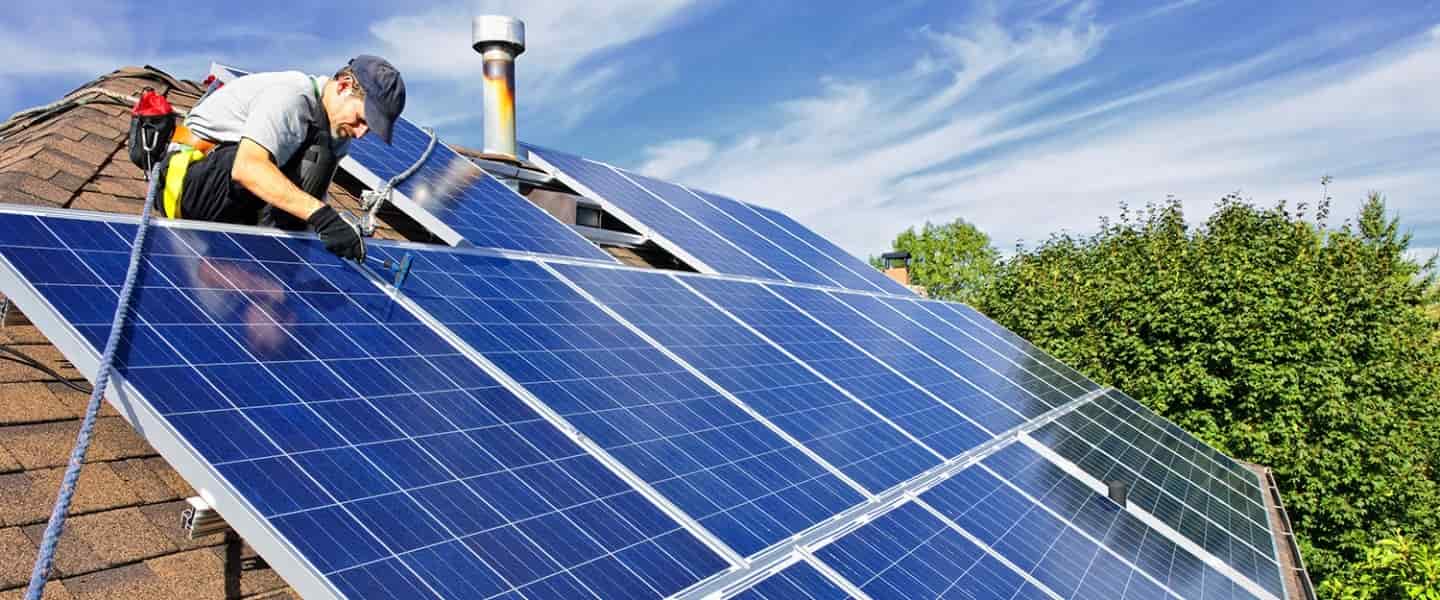
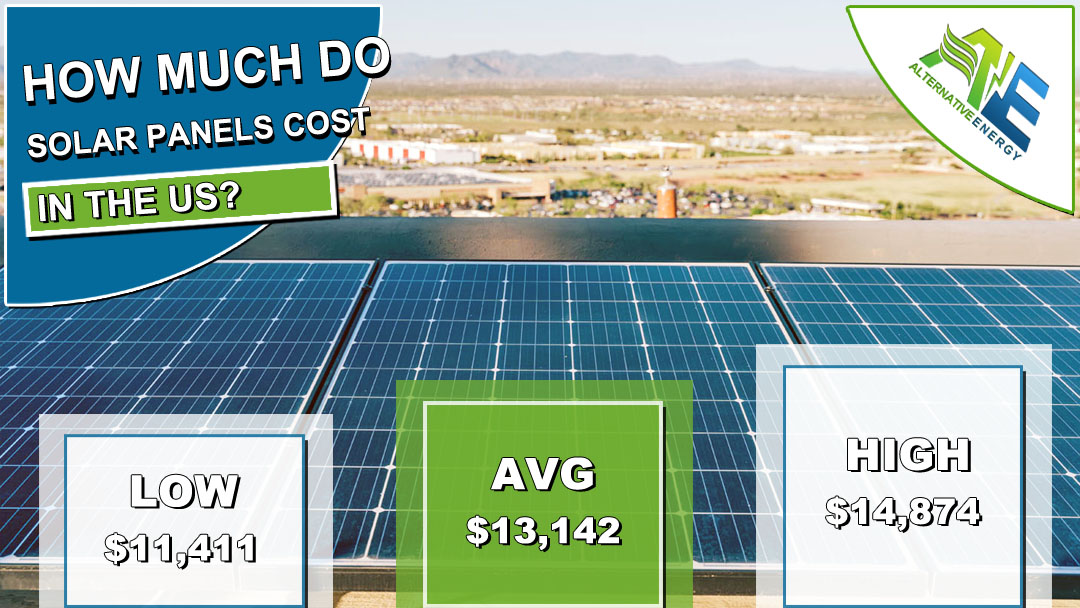
At its heart, the cost of installing solar is an investment in a cleaner, more sustainable future, but it requires a clear understanding of the components that make up the final price. Typically, solar installation costs are quoted in dollars per watt ($/W) and vary significantly depending on the system size and specific equipment chosen.
The Major Components of Your Solar Investment
The total cost isn’t just about the panels themselves; it’s an ecosystem of interconnected technologies and services.
Solar Panels: The Power Generators (Tech & Money)
The most visible component, solar panels, come in various types, primarily monocrystalline and polycrystalline. Monocrystalline panels are generally more efficient and sleek, making them a premium choice, while polycrystalline panels offer a more budget-friendly option with slightly lower efficiency. Thin-film panels are another, less common option, known for their flexibility but also lower efficiency. The brand of the panels also plays a significant role. Reputable brands often come with better warranties and proven performance records, which can justify a higher upfront cost by ensuring long-term reliability and output. Researching panel efficiency ratings and degradation rates (how much power output decreases over time) is crucial, as higher efficiency means fewer panels are needed for the same energy production, potentially reducing overall system size and installation complexity.
Inverters and Optimizers: The Brains of the System (Tech)
Solar panels produce direct current (DC) electricity, which needs to be converted into alternating current (AC) for household use. This is where inverters come in. String inverters are the most common and cost-effective, connecting multiple panels in a “string.” However, if one panel in the string is shaded or underperforms, it can affect the output of the entire string. Microinverters, on the other hand, are installed on each individual panel, optimizing power production independently. This offers superior performance in shaded conditions and panel-level monitoring, but at a higher upfront cost. Power optimizers offer a middle-ground solution, combining some benefits of microinverters with a central string inverter. The choice here is a critical technological decision impacting system efficiency, resilience, and monitoring capabilities.
Mounting Hardware, Wiring, and Electrical Components (Tech & Money)
This category includes the racking systems that secure panels to your roof, the extensive wiring connecting the panels to the inverter and your home’s electrical grid, and various electrical components like conduits, disconnects, and possibly a main panel upgrade. The quality and durability of these materials are paramount for system longevity and safety. Installation complexity, such as roof type (tile, asphalt, metal), roof pitch, and available space, can significantly influence the cost of these components and the labor required.
Battery Storage Solutions: Enhancing Energy Independence (Tech & Money)
While not strictly necessary for every solar installation, battery storage is an increasingly popular addition, especially for homeowners looking to maximize self-consumption, provide backup power during outages, or take advantage of time-of-use electricity rates. Batteries store excess solar energy generated during the day for use at night or during peak demand. The cost of battery systems can add a substantial amount to the overall project, but their long-term benefits in terms of energy independence and grid resilience are considerable. As battery technology advances, costs are decreasing, making them a more viable option for many.
Factors Influencing Your Solar Investment
Beyond the core components, several other factors contribute to the variability in solar installation costs. Understanding these can help you better budget and negotiate.
System Size and Energy Needs (Money)
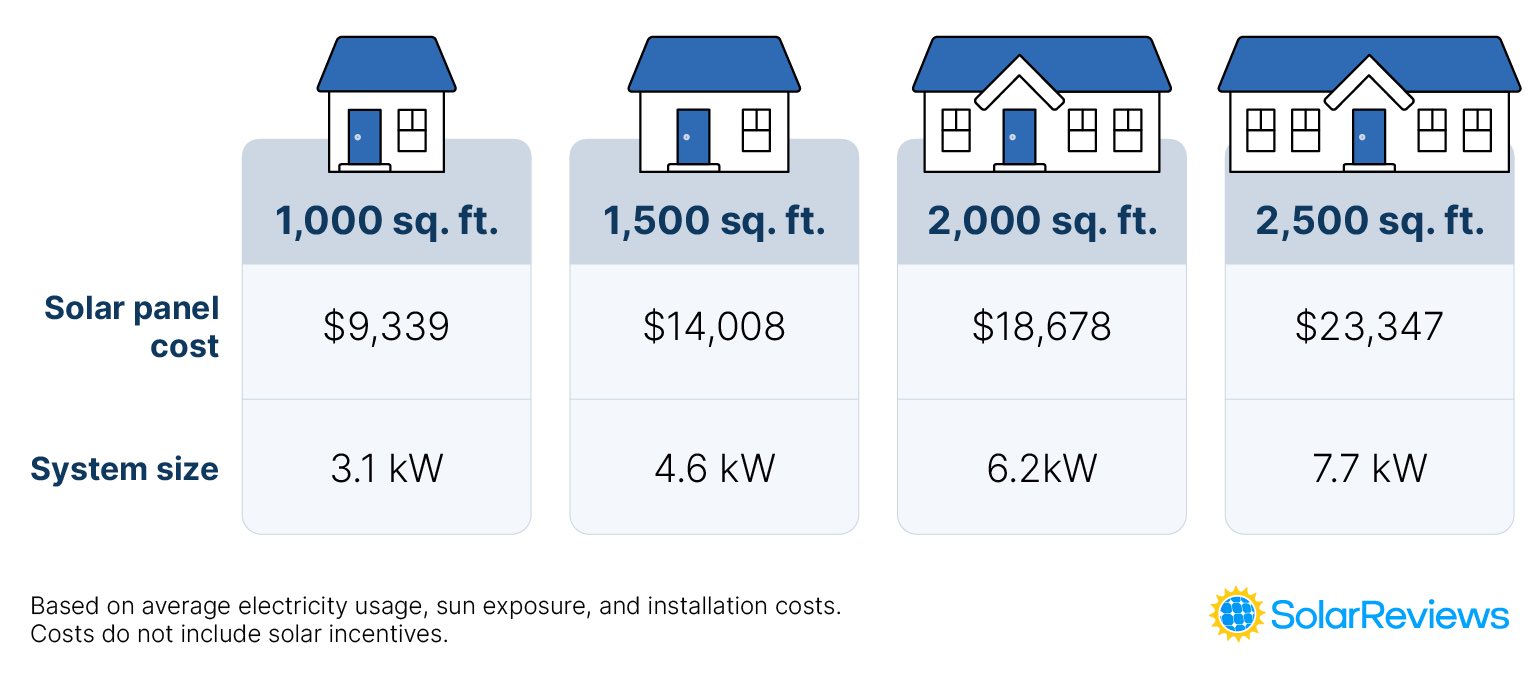
The larger your home’s energy consumption, the larger the solar system you’ll need, which directly correlates with higher costs. A typical residential solar system ranges from 4 kW to 12 kW. Before getting quotes, assess your annual electricity usage (available on your utility bills) to determine the appropriate system size to offset your consumption. An oversized system is an unnecessary expense, while an undersized one won’t meet your energy goals.
Labor Costs and Installation Complexity (Money)
Labor accounts for a significant portion of solar installation costs. Geographic location plays a role, as labor rates vary by region. More complex installations, such as those on steeply pitched roofs, roofs with obstructions (skylights, chimneys), or systems requiring extensive electrical upgrades to your home’s main panel, will incur higher labor charges. Permitting and inspection fees, which vary by municipality, also add to the overall cost and are part of the installation complexity.
Geographical Location and Sunlight Exposure (Tech & Money)
Your location’s average daily sunlight hours (insolation) impacts system sizing. Homes in sunnier climates might require smaller systems to produce the same amount of electricity as larger systems in less sunny regions. Proximity to installers and local competition can also affect pricing. Additionally, local regulations and utility interconnection processes can add layers of complexity and cost.
Warranty and Post-Installation Support (Brand & Money)
Reputable solar installers and panel manufacturers offer comprehensive warranties covering performance, product defects, and workmanship. A strong warranty can provide peace of mind and protect your investment for decades. While higher-quality warranties might be associated with slightly higher upfront costs, they represent long-term security and often reflect the installer’s confidence in their “brand” and service quality. Always inquire about the specifics of product warranties for panels and inverters (typically 10-25 years), performance guarantees, and workmanship warranties (often 5-10 years).
Navigating the Financial Landscape: Incentives, Financing, and ROI
The initial price tag for solar can seem daunting, but a robust ecosystem of financial incentives and financing options makes solar energy more accessible and financially attractive than ever before. This is where the “money” aspect truly shines.
Federal Tax Credits and State/Local Incentives (Money)
The most significant financial incentive for homeowners in the United States is the federal solar Investment Tax Credit (ITC), which currently offers a substantial tax credit on the cost of a new solar system. This credit directly reduces the amount of income tax you owe, making solar significantly more affordable. Many states, counties, and even local utility companies also offer additional incentives, such as rebates, performance-based incentives (PBIs), or property tax exemptions. These programs can drastically reduce your out-of-pocket expenses and shorten the payback period. Thorough research into available incentives specific to your location is crucial.
Financing Options: Making Solar Affordable (Money)
Not everyone can pay for a solar system upfront. Fortunately, several financing options exist:
- Solar Loans: Similar to a home improvement loan, a solar loan allows you to own the system immediately while making monthly payments. This option enables you to take full advantage of the federal ITC and other incentives, and over time, the loan payments are often offset by reduced electricity bills. Interest rates and loan terms vary widely.
- Solar Leases: Under a solar lease, a third party owns the system on your roof, and you pay a fixed monthly fee to use the electricity it generates. This option typically requires no upfront cost and includes maintenance, but you don’t own the system and therefore don’t qualify for the federal ITC or increased property value.
- Power Purchase Agreements (PPAs): Similar to a lease, with a PPA, a third party owns and maintains the system, and you purchase the electricity it produces at a fixed rate per kilowatt-hour (kWh) that is usually lower than your utility’s rate. Like leases, PPAs offer no upfront costs but also no ownership benefits.
- Property Assessed Clean Energy (PACE) Programs: Available in some regions, PACE programs allow homeowners to finance energy-efficient home improvements, including solar, through an assessment on their property tax bill. This financing is tied to the property, not the homeowner, and can offer long terms.
Choosing the right financing option depends on your financial situation, ownership preferences, and desire to capture incentives.
Calculating Your Return on Investment (ROI) (Money)
The ROI for solar typically involves comparing the upfront costs (after incentives) against the long-term savings on electricity bills and potential increase in property value. Most solar systems have a payback period of 5-10 years, meaning that after this period, your system has paid for itself through energy savings. After the payback period, the electricity generated by your panels is essentially free, leading to decades of pure savings. Factors like rising electricity rates can accelerate your ROI, making solar an even more compelling long-term financial investment.
The Technological Edge: Smart Solar for Modern Homes (Tech)
Modern solar installations are not just about panels on a roof; they are increasingly integrated into smart home ecosystems, leveraging advanced technology to maximize efficiency, convenience, and energy independence.
Monitoring and Management Apps (Tech)
Contemporary solar systems often come with sophisticated monitoring capabilities, allowing homeowners to track their energy production and consumption in real-time via smartphone apps or web portals. These tools provide valuable insights into system performance, identify potential issues, and help optimize energy usage patterns. Some apps even integrate with smart home devices, allowing for automated energy management based on solar production and battery levels. This level of granular control and transparency was unimaginable a decade ago and underscores the rapid advancements in solar technology.
Smart Inverters and Grid Integration (Tech)
Newer inverter technologies, often referred to as “smart inverters,” are designed for enhanced grid integration. They can communicate with the utility grid, providing services like voltage support and frequency regulation. This capability is crucial for a more resilient and decentralized energy future. Paired with home energy management systems, smart inverters allow for dynamic optimization, deciding whether to send power to the grid, store it in batteries, or use it directly, based on real-time electricity prices and grid conditions.
Future Technologies: Perovskites, AI, and More (Tech)
The field of solar technology is continuously evolving. Researchers are exploring next-generation materials like perovskites, which promise higher efficiencies and lower manufacturing costs than traditional silicon. Artificial intelligence (AI) is being leveraged for predictive maintenance, optimizing solar farm layouts, and forecasting energy production more accurately. The integration of electric vehicle (EV) charging with home solar and storage systems is also becoming a standard feature, creating a holistic home energy solution. These technological trends indicate a future where solar is not just a power source but an intelligent, interconnected component of our daily lives.
Beyond the Numbers: The Brand and Value of Going Solar
While financial and technological considerations are paramount, the decision to go solar also carries significant “brand” implications, both for your home and your personal identity.
Enhancing Property Value and Market Appeal (Brand & Money)
Studies consistently show that homes with owned solar panels sell for a premium compared to comparable non-solar homes. This isn’t just about the direct savings on electricity bills; it’s about the perceived value of a modern, energy-independent, and environmentally friendly home. A professionally installed solar system enhances your home’s “brand” in the real estate market, signaling modernity, sustainability, and lower operating costs to potential buyers. It’s a tangible upgrade that adds both functional and aesthetic value.
Personal Branding and Environmental Stewardship (Brand)
Installing solar panels is a visible statement of environmental responsibility. For many, it’s a commitment to reducing their carbon footprint and contributing to a cleaner planet. This choice reflects positively on personal branding, aligning individuals with values of sustainability, innovation, and forward-thinking. In an increasingly eco-conscious society, homeowners who embrace solar are seen as leaders in adopting green technologies, fostering a sense of pride and community.
Choosing Your Solar Partner: A Brand Perspective (Brand)
The “brand” of your solar installer is as important as the brand of your panels. A reputable installer with a strong track record, positive customer reviews, and transparent pricing instills confidence. They offer not just a product but also expertise, reliability, and ongoing support. When soliciting quotes, consider:
- Experience and Certifications: How long have they been in business? Do they have relevant industry certifications (e.g., NABCEP)?
- Customer Reviews and References: What do previous customers say about their service, quality, and post-installation support?
- Warranty and Guarantees: Beyond product warranties, what assurances do they offer for their workmanship?
- Transparency: Are their quotes detailed and easy to understand, breaking down costs and explaining incentives?
Choosing a trusted brand in solar installation ensures not only a quality system but also a smooth process and peace of mind for decades to come.
In conclusion, the question of “how much to install solar” is an invitation to explore a world of technological innovation, astute financial planning, and impactful personal and environmental branding. While the initial investment might seem significant, the long-term financial savings, enhanced property value, and undeniable environmental benefits position solar as one of the smartest upgrades a homeowner can make today. By carefully considering the technology, leveraging available financial incentives, and choosing a reputable installer, you can harness the power of the sun to illuminate your home and secure a brighter future.
aViewFromTheCave is a participant in the Amazon Services LLC Associates Program, an affiliate advertising program designed to provide a means for sites to earn advertising fees by advertising and linking to Amazon.com. Amazon, the Amazon logo, AmazonSupply, and the AmazonSupply logo are trademarks of Amazon.com, Inc. or its affiliates. As an Amazon Associate we earn affiliate commissions from qualifying purchases.