
In an increasingly tech-driven world, where safety and convenience are paramount, the humble reverse camera has evolved from a luxury feature to an essential component for many drivers. Whether you’re navigating a bustling city parking lot, backing out of a tight driveway, or simply aiming to avoid a costly fender bender, a clear view of your vehicle’s rear can be a game-changer. But for many, the primary question isn’t about the utility, but rather the financial commitment: “How much does it cost to install a reverse camera?”
The answer, much like navigating a complex parking situation, isn’t always straightforward. It depends on a multitude of factors, ranging from the type of camera system you choose to your vehicle’s make and model, and whether you opt for a professional installation or take the DIY route. This comprehensive guide will delve into the various cost components, explore the pros and cons of different approaches, and ultimately help you make an informed decision that balances your budget with your safety needs.
Understanding the Cost: Components and Labor
The total expense of getting a reverse camera up and running in your vehicle typically breaks down into two main categories: the cost of the camera system itself and the labor involved in its installation. However, digging a little deeper reveals several nuances within these categories that significantly impact the final price tag.
The Camera System Itself: Varieties and Price Points
The market for reverse cameras is incredibly diverse, offering solutions for nearly every vehicle and budget. The choice of system is often the most significant determinant of your overall cost.
- Wired vs. Wireless Systems:
- Wired Systems: Generally considered more reliable in terms of signal integrity, wired cameras require running cables from the camera (typically mounted at the rear of the vehicle) to a display unit in the dashboard. While the camera units themselves might not be significantly more expensive than wireless ones, the installation complexity (and thus labor cost) can be higher due to the need for extensive wire routing, often through the vehicle’s interior panels and firewall. Prices for basic wired camera kits can start from $20-$50, while more advanced systems with integrated features can range from $100-$300+.
- Wireless Systems: These systems transmit the camera feed wirelessly to a monitor, simplifying installation significantly as there are fewer cables to run. They’re often favored for DIY projects due to their ease of setup. However, wireless systems can sometimes be susceptible to interference, leading to signal drops or lower quality images. Basic wireless kits can be found for $30-$80, with higher-end models offering more stable connections and better image quality reaching $150-$400.
- Basic vs. Advanced Features:
- Basic Functionality: Most entry-level cameras offer a standard wide-angle view with decent resolution, sufficient for basic parking assistance.
- Advanced Features: Higher-priced cameras come packed with additional functionalities that enhance safety and convenience. These might include:
- Night Vision: Infrared (IR) LEDs or superior low-light sensors for clear images in dark conditions.
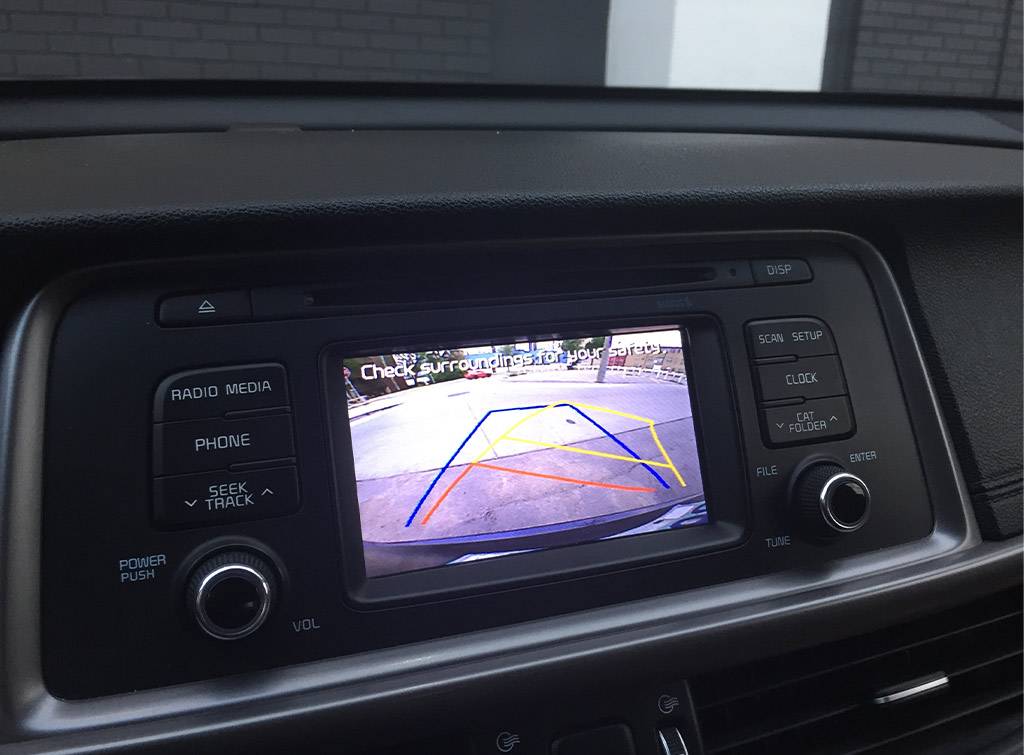
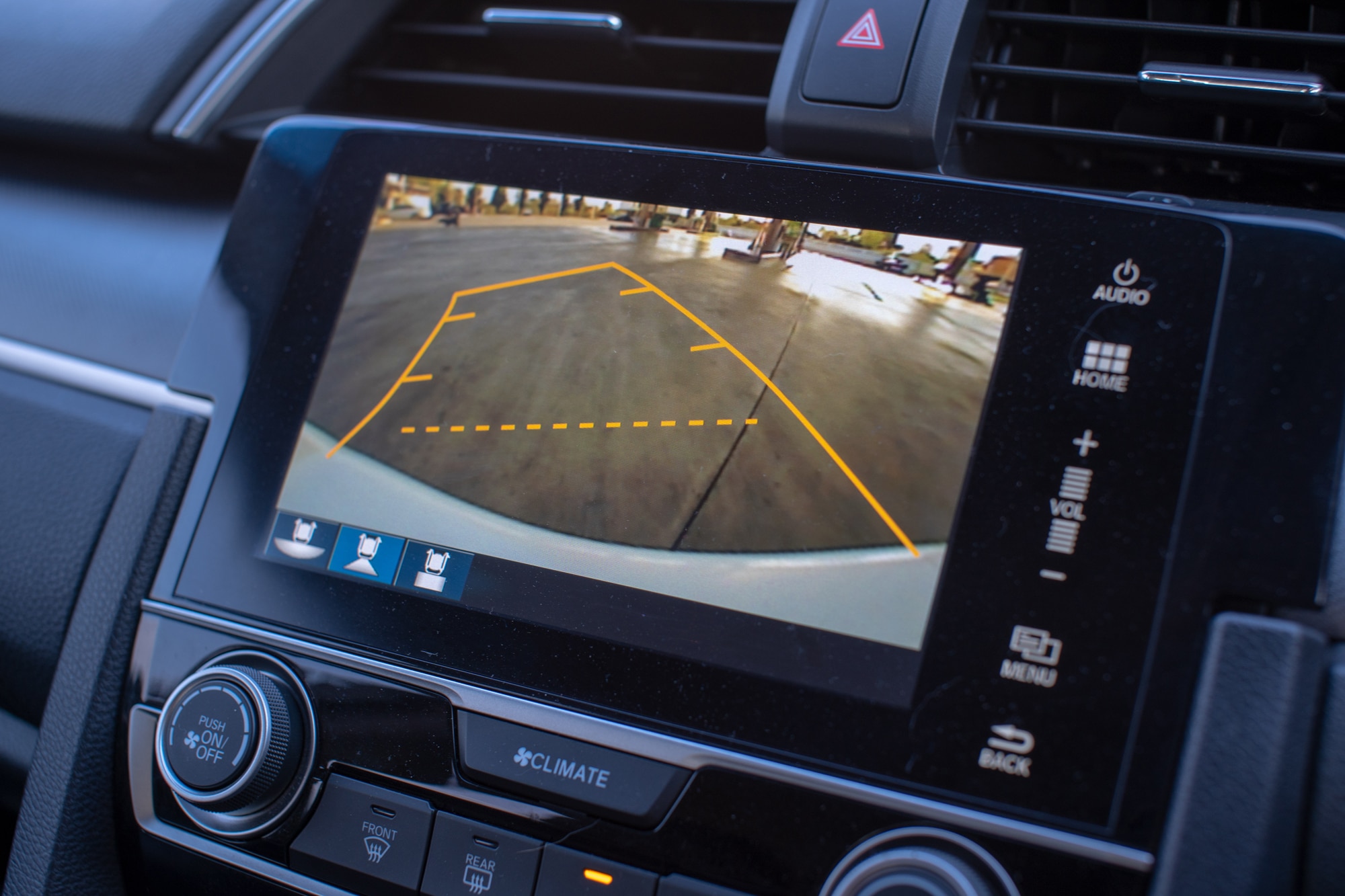
- Dynamic Parking Lines: Guidelines that adjust with your steering wheel input, making parking even more precise.
- Ultra-Wide Viewing Angles: Beyond 170 degrees, to minimize blind spots further.
- Waterproof and Dustproof Ratings (IP67/IP68): Essential for durability against the elements.
- HDR (High Dynamic Range): For better image clarity in challenging lighting conditions.
- Heated Lenses: To prevent fogging or icing in colder climates.
Cameras with these advanced features naturally command higher prices, typically starting from $80 and going upwards of $500 for premium OEM-grade systems.
- Integrated vs. Standalone Monitors:
- Standalone Monitors: These are dedicated screens that come with the camera kit, often mounted on the dashboard or suction-cupped to the windshield. They are the most common and generally the most affordable option. Some systems might integrate the display into a replacement rearview mirror, offering a cleaner look.
- Integrated Solutions: For a seamless factory-like finish, some systems can integrate with your vehicle’s existing infotainment screen. This often requires specialized interfaces, wiring harnesses, and potentially software updates, significantly increasing the complexity and cost. These solutions can range from $200-$1000+ just for the parts, depending on the vehicle and the required interface module.
- Dash Cam Combos: Many modern dash cams now offer a rear camera input, allowing them to double as a reverse camera display. This can be a cost-effective option if you’re already considering a dash cam, merging two gadgets into one.
- Brand Influence and Quality:
Just like any consumer electronics, brand reputation plays a role. Reputable brands often use higher-quality components, offer better warranties, and provide more reliable performance. While off-brand cameras might seem like a bargain, they can often lead to premature failure or poor image quality, negating any initial savings. Investing in a known brand like Pioneer, Kenwood, Garmin, or specific automotive accessory brands often pays off in the long run.
Professional Installation Labor Costs
Unless you’re confident in your automotive electrical and trim-panel removal skills, professional installation is often the recommended route. Labor costs can fluctuate widely based on several variables:
- Factors Affecting Labor:
- Vehicle Make and Model: Luxury vehicles, newer models with complex infotainment systems, or vehicles with intricate interior panels can significantly increase installation time due to the difficulty of routing wires and integrating with existing electronics. A compact sedan will generally be less complex than a full-size SUV or a European luxury car.
- Complexity of the System: A simple wireless camera with a dashboard-mounted monitor is much quicker to install than a wired system that integrates with an OEM screen and requires tapping into multiple vehicle power sources and data lines.
- Shop Rates: Labor rates vary by region, the type of shop (e.g., car audio specialist vs. general mechanic), and the installer’s expertise. Rates can range anywhere from $75 to $150+ per hour.
- Average Labor Hours and Hourly Rates:
- For a basic wired system with a standalone monitor, installation might take 1.5 to 3 hours. At an average of $100/hour, this would be $150-$300.
- More complex installations, such as those integrating with a factory head unit or involving extensive wiring and custom mounting, could take 3 to 6 hours or more, pushing labor costs to $300-$600+.
- Wireless systems (excluding those requiring power tapping) might be on the lower end, sometimes taking less than an hour if the power source is easily accessible.
- What’s Included in Installation Service:
A reputable installer will typically include:- Mounting the camera securely in the optimal position (often near the license plate or tailgate handle).
- Routing all necessary wiring discreetly and safely, ensuring no pinched wires or interference.
- Connecting the camera to a power source (usually reverse lights, ensuring it activates when shifting into reverse).
- Connecting the camera feed to the display unit.
- Testing the system thoroughly to ensure proper functionality and calibration.
- Reassembling interior panels and trim without damage.
- Providing a warranty on their workmanship.
Additional Costs and Hidden Fees
Beyond the camera and labor, keep an eye out for potential extra expenses:
- Wiring Harnesses, Adapters, and Brackets: If your chosen camera system isn’t a perfect plug-and-play solution for your vehicle, you might need specific wiring harnesses, interface modules (especially for factory screen integration), or custom mounting brackets. These can add $20 to $200+ to the total.
- Software Updates or Integrations: For vehicles that require software changes to recognize a new reverse camera, there might be diagnostic or programming fees from either the installer or a dealership.
- Diagnostic Fees: If the installer encounters unexpected electrical issues or needs to troubleshoot your vehicle’s existing system, additional diagnostic time might be billed.
- Sales Tax and Warranty Considerations: Don’t forget sales tax on parts. Also, clarify the warranty on both the parts and the installation labor – a good warranty offers peace of mind and protection against premature failure.
Considering all these factors, a typical professional installation of a mid-range wired reverse camera system (parts + labor) can range from $250 to $600. For high-end systems or complex vehicle integrations, costs can easily exceed $800-$1000.
DIY vs. Professional Installation: A Cost-Benefit Analysis
When pondering the installation of a reverse camera, a crucial decision point emerges: “Should I do it myself, or should I hire a professional?” Both options present distinct advantages and disadvantages, primarily revolving around cost, expertise, and potential risks.
The DIY Route: Saving Money (and Potential Pitfalls)
For the mechanically inclined and budget-conscious, DIY installation can seem like an attractive proposition.
- Tools and Time Investment:
The most apparent saving is on labor costs. If you already possess basic automotive tools (screwdrivers, trim removal tools, wire strippers, multimeter) and are comfortable with simple electrical wiring, you can potentially save hundreds of dollars. However, this isn’t “free” savings; it’s an investment of your time. A DIY installation, especially for a wired system, could easily consume an entire afternoon or even a full weekend, depending on your experience and your vehicle’s complexity. - Risks: Damage, Incorrect Wiring, Voiding Warranty:
This is where the allure of DIY can quickly turn sour.- Damage: Incorrectly prying off interior trim panels can lead to broken clips, scratched surfaces, or even damaged airbags if you’re not careful around sensitive areas.
- Incorrect Wiring: Tapping into the wrong wires can cause electrical shorts, blow fuses, or interfere with other vehicle systems. Improper connections can lead to intermittent camera functionality or even drain your car’s battery. Modern vehicles have increasingly complex electrical systems (CAN bus), and improper wiring can lead to costly diagnostic and repair bills.
- Voiding Warranty: Some vehicle manufacturers might argue that aftermarket modifications, if not installed correctly, could void parts of your vehicle’s electrical or bumper-to-bumper warranty. It’s always wise to check your vehicle’s warranty policy before embarking on significant DIY electrical work.
- When DIY is Feasible:
DIY is generally more feasible for simpler systems:- Wireless Cameras: Especially those that can be powered by a 12V cigarette lighter adapter or plug directly into a reverse light housing without needing extensive wire routing through the cabin.
- External Mounts: Cameras that mount externally (e.g., license plate frame cameras) and don’t require drilling or significant interior panel removal.
If you’re only installing a basic wireless camera and are comfortable with the minor wiring required, DIY can be a rewarding experience. However, for anything more involved, the risks can outweigh the cost savings.
The Professional Advantage: Expertise and Peace of Mind
Opting for professional installation might incur a higher upfront cost, but it comes with a bundle of benefits that often justify the investment, especially when considering the long-term value and safety of your vehicle.
- Guaranteed Workmanship:
Reputable installers typically offer a warranty on their labor, usually for 30-90 days, sometimes even longer. This means if the camera stops working due to an installation fault, they will fix it at no extra charge. This peace of mind is invaluable. - Proper Integration and Aesthetics:
Professionals possess the experience and specialized tools to integrate the camera system seamlessly into your vehicle. They know how to route wires discreetly, ensuring a clean, factory-like appearance with no visible cables or poorly reassembled panels. They can also advise on the optimal camera placement for the best field of view. - Access to Specialized Tools and Knowledge:
Installers have access to advanced diagnostic tools, wiring diagrams for various vehicle makes and models, and specific trim removal tools that prevent damage. They are also up-to-date on vehicle electrical systems and best practices, mitigating risks of electrical issues. They understand the nuances of tapping into the correct power sources without overloading circuits or interfering with sensitive electronics. - Warranty on Parts and Labor:
When you purchase the camera system from the installer, they often provide a warranty on both the parts and the labor. This single point of contact for any issues simplifies troubleshooting and ensures a comprehensive solution. Should the camera unit itself fail, they can handle the replacement process. - Efficiency and Reliability:
An experienced installer can complete the job quickly and efficiently, often within a couple of hours, allowing you to get back on the road sooner with a fully functional and reliable system.
In essence, while DIY saves money, it demands a significant investment of time, carries potential risks of damage, and offers no guarantees. Professional installation, conversely, provides expertise, peace of mind through warranties, a clean and reliable setup, and ultimately, a better return on your safety investment.
Beyond the Price Tag: The Value Proposition of a Reverse Camera
While the initial cost of installing a reverse camera is a primary concern, it’s crucial to look beyond the immediate expense and consider the substantial value it adds. A reverse camera isn’t just a gadget; it’s a critical safety feature and a significant convenience enhancer.
Enhanced Safety and Accident Prevention
This is arguably the most compelling reason to install a reverse camera, extending far beyond the monetary cost.
- Preventing Collisions (Vehicles, Objects, Pedestrians, Children):
One of the primary purposes of a reverse camera is to eliminate blind spots directly behind your vehicle. According to the National Highway Traffic Safety Administration (NHTSA), back-over accidents cause hundreds of fatalities and thousands of injuries annually, particularly involving young children and elderly individuals. A reverse camera provides a wide-angle view, showing you precisely what’s behind your car, making it virtually impossible to miss a child, pet, bicycle, or low-lying obstacle that would be invisible in your mirrors. Preventing even one minor fender bender or, more critically, an accident involving a person, easily justifies the camera’s cost. - Reducing Blind Spots:
Even with meticulously adjusted side mirrors and rear-view mirrors, there’s always an area directly behind your bumper that remains unseen. This “danger zone” is where a reverse camera excels, offering a clear, real-time visual feed that covers this critical blind spot. - Legal Implications (Insurance Claims, Liability):
In the unfortunate event of a collision while backing up, a reverse camera can provide crucial evidence. If your camera records the incident, it can help prove fault (or lack thereof), potentially saving you from higher insurance premiums, deductibles, or even legal liability. Many modern systems with integrated dash cam functionality offer recording capabilities, providing a robust witness to any event.
Convenience and Parking Confidence
Beyond preventing accidents, reverse cameras significantly enhance the driving experience.
- Easier Parallel Parking and Tight Maneuvers:
Parallel parking, often a source of anxiety for many drivers, becomes considerably easier with a reverse camera. Dynamic guidelines (if your system has them) help you gauge distances and angles precisely, allowing you to slide into tight spots with confidence. Similarly, backing into a garage or maneuvering in crowded parking lots is far less stressful. - Hooking Up Trailers or RVs:
For those who frequently tow, a reverse camera is an invaluable tool. It allows you to align your hitch ball perfectly with the trailer coupler on the first try, without needing an extra spotter. This feature alone can save immense frustration and time. - Stress Reduction:
The constant worry about what might be behind your car when reversing is a subtle but persistent source of driving stress. A clear camera feed eliminates this anxiety, allowing for a calmer, more confident driving experience.
Potential Impact on Vehicle Resale Value
While a reverse camera might not drastically increase your car’s resale value, it certainly contributes positively.
- Modern Feature Expectation:
As of 2018, all new cars sold in the United States are mandated to have rearview cameras. This means that buyers of used vehicles now largely expect this feature. A car lacking a reverse camera might be perceived as outdated or less desirable, potentially making it harder to sell or requiring a lower asking price. - Market Demand for Safety Tech:
Safety features are consistently high on buyers’ priority lists. Having a well-integrated, functional reverse camera demonstrates that the vehicle has been cared for and equipped with modern safety technology, making it more appealing to potential buyers. It positions your car as a safer, more convenient option in the used car market, indirectly supporting its value.
In summary, while the monetary cost of installing a reverse camera is tangible, the long-term benefits in terms of safety, convenience, and even minor contributions to vehicle value, often far outweigh the initial investment. It’s a proactive step towards a safer and more enjoyable driving experience.
Making an Informed Decision: Choosing Your System and Installer
Navigating the array of reverse camera options and installation services can be daunting. Making an informed decision requires careful consideration of both the product and the professional who will integrate it into your vehicle.
Key Considerations When Selecting a Camera System
Before you even think about installation costs, selecting the right camera system is paramount. It needs to align with your vehicle, your needs, and your budget.
- Vehicle Compatibility and Integration:
This is often the most critical factor. Does the camera system integrate seamlessly with your vehicle’s existing infotainment screen, or will you need a separate monitor? Is there a specific mounting solution for your car model (e.g., a replacement tailgate handle camera for trucks)? Check if any special adapters or interface modules are required, as these can add significantly to the cost and complexity. Research specific products that are known to work well with your car’s make and model. - Desired Features vs. Budget:
Prioritize the features that are most important to you. Do you need dynamic parking lines, superior night vision, or an ultra-wide-angle lens? While these features enhance usability, they also increase the price. Balance your “must-haves” with your budget. Sometimes, a slightly more expensive system with better features offers a superior long-term value. - Reputable Brands and Product Reviews:
In the world of automotive electronics, brand reputation often correlates with quality and reliability. Stick to well-known brands like Kenwood, Pioneer, Alpine, Garmin, or specialized automotive accessory brands. These brands typically offer better build quality, clearer images, and more robust components designed to withstand automotive environments. Always consult online reviews and professional tech reviews for insights into product performance, durability, and user satisfaction. This is where the ‘Brand’ aspect of our website comes in handy – understanding which brands deliver on their promises helps you make a smarter ‘Money’ decision. - Warranty and Customer Support:
A good warranty on the camera system itself is crucial. Look for manufacturers that offer at least a one-year warranty on parts. Equally important is accessible customer support, should you encounter any issues during or after installation. This ensures you’re not left without recourse if the product malfunctions.

Finding the Right Professional Installer
If you’ve decided against the DIY route, selecting a competent and trustworthy professional installer is just as important as choosing the camera system itself. A poor installation can negate the benefits of even the best camera.
- Experience and Certifications:
Look for installers with extensive experience specifically in automotive electronics and reverse camera installations. Certifications (e.g., MECP – Mobile Electronics Certified Professional) indicate a certain level of expertise and commitment to industry standards. Ask about their experience with your specific vehicle make and model. - References and Online Reviews:
Check online reviews on platforms like Google, Yelp, or automotive forums. Look for consistent positive feedback regarding their quality of work, customer service, and professionalism. Ask for references if you want extra assurance. A strong online presence and positive brand reputation for an installer are indicators of reliability. - Obtaining Multiple Quotes:
Don’t settle for the first quote you receive. Contact at least 2-3 different reputable installers. Provide them with the same information about your vehicle and the type of camera system you intend to install (or ask for their recommendations). This allows you to compare prices, understand what’s included in each quote, and gauge their customer service. Be wary of quotes that seem significantly lower than others, as they might indicate hidden costs or lower quality work. - Warranty on Installation Work:
Confirm that the installer provides a warranty on their labor. This protects you in case of faulty wiring or installation-related issues down the line. A minimum of a 30-day labor warranty is standard, but some reputable shops offer longer periods. - Specialization (e.g., Specific Car Brands):
Some installers specialize in particular vehicle brands or types of installations (e.g., European cars, trucks, classic cars). If you have a specialty vehicle, seeking out an installer with relevant experience can often lead to a smoother and more effective installation.
In conclusion, investing in a reverse camera is a smart decision for enhanced safety and convenience. By carefully considering the various cost components, weighing the pros and cons of DIY versus professional installation, understanding the profound value it adds, and meticulously choosing your system and installer, you can ensure a reliable, effective, and ultimately worthwhile upgrade to your vehicle. The initial cost, when viewed against the backdrop of potential accident prevention and everyday convenience, becomes a minor investment for significant returns on peace of mind and safety.
aViewFromTheCave is a participant in the Amazon Services LLC Associates Program, an affiliate advertising program designed to provide a means for sites to earn advertising fees by advertising and linking to Amazon.com. Amazon, the Amazon logo, AmazonSupply, and the AmazonSupply logo are trademarks of Amazon.com, Inc. or its affiliates. As an Amazon Associate we earn affiliate commissions from qualifying purchases.