
The Social Security system is a cornerstone of financial security for millions of Americans, providing a vital safety net for retirees, disabled individuals, and survivors. Understanding how your Social Security benefit is calculated is crucial for effective retirement planning. While the exact amount you’ll receive is unique to your individual earnings history and other factors, grasping the general principles can empower you to make informed decisions about your financial future. This article delves into the intricacies of Social Security benefit calculations, offering insights and actionable advice to help you estimate and maximize your future payments.
Understanding the Pillars of Your Social Security Benefit
Your Social Security benefit isn’t an arbitrary figure; it’s meticulously calculated based on your lifetime earnings and the age at which you choose to claim your benefits. The Social Security Administration (SSA) uses a standardized formula that considers your highest 35 years of earnings, adjusted for inflation. This means that consistent, higher earnings over a substantial portion of your working life directly translate to a more robust monthly benefit.
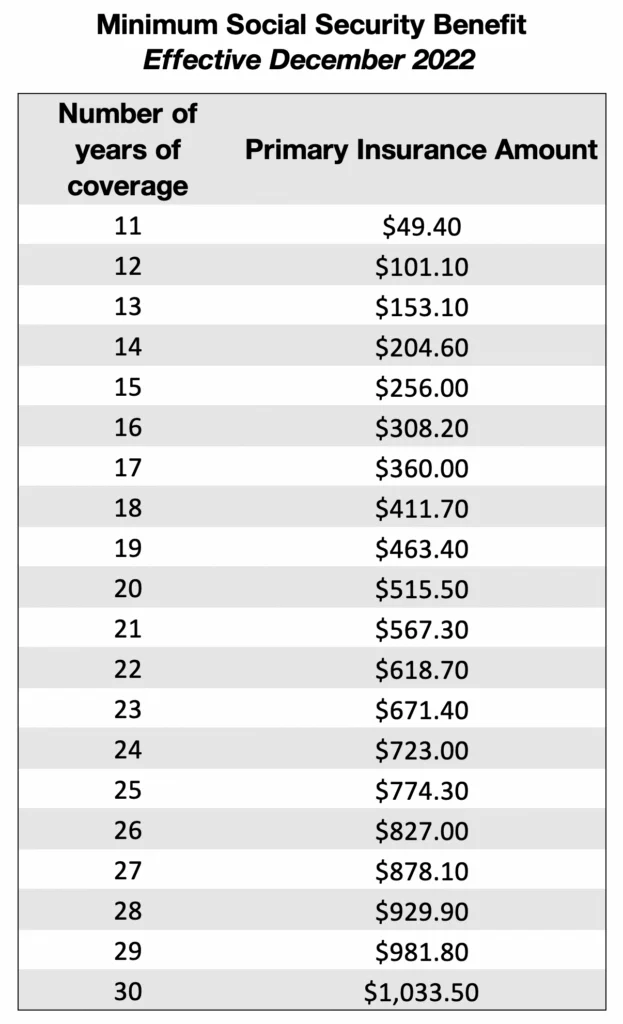
Your Primary Insurance Amount (PIA): The Foundation of Your Benefit
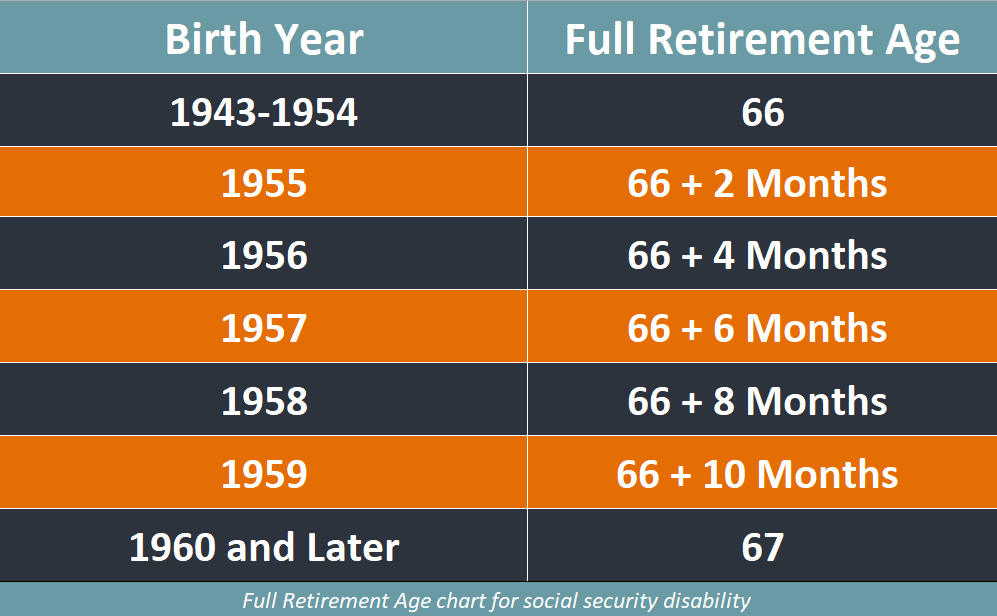
At the heart of your Social Security benefit calculation lies the Primary Insurance Amount (PIA). This figure represents the benefit you would receive if you claimed your retirement benefits at your Full Retirement Age (FRA). Your FRA is determined by your birth year, and it’s the age at which you’re entitled to 100% of your earned benefit.
The PIA is calculated using a progressive formula that takes into account your Average Indexed Monthly Earnings (AIME). Here’s a simplified breakdown of how the AIME is determined:
- Record All Earnings: The SSA keeps a record of all your earnings subject to Social Security taxes throughout your working life.
- Index Your Earnings: To account for changes in average wages over time, your past earnings are “indexed.” This means they are adjusted to reflect their value in the most recent 15 years before you become eligible for benefits (usually age 60). This indexing ensures that earnings from decades ago are comparable in value to current earnings.
- Identify Your Top 35 Years: The SSA then identifies your 35 years with the highest indexed earnings. If you have fewer than 35 years of earnings, years with zero earnings will be included, which will lower your AIME.
- Calculate Average Indexed Monthly Earnings (AIME): Your total indexed earnings for those top 35 years are summed up and then divided by 420 (the number of months in 35 years). This gives you your AIME.
Once your AIME is established, the PIA is calculated using a bend-point formula. This formula provides a higher replacement rate for lower earners and a lower replacement rate for higher earners. This is a crucial aspect of Social Security’s progressive nature, designed to provide a more significant benefit relative to previous earnings for those who need it most. The formula itself is updated annually to reflect economic conditions, but the core principle remains the same: a percentage of your AIME, with breakpoints that adjust the percentage based on income levels.
The Impact of Claiming Age on Your Benefit
The age at which you decide to start receiving Social Security benefits has a profound impact on the monthly amount you receive. This is a critical decision that requires careful consideration of your financial situation, health, and longevity expectations.
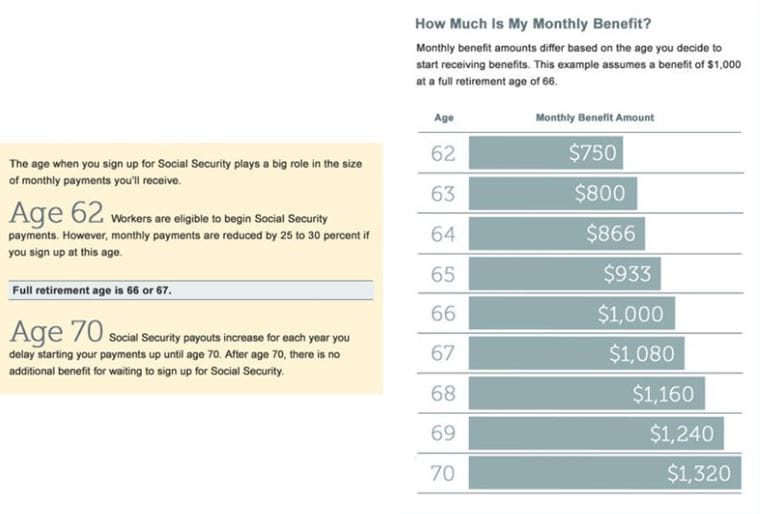
- Early Retirement (Before FRA): You can claim retirement benefits as early as age 62. However, for each month you claim before your FRA, your monthly benefit will be permanently reduced. The reduction is approximately 5/9 of 1% for each month before FRA up to 36 months, and then approximately 5/12 of 1% for each additional month. At age 62, if your FRA is 67, your benefit will be reduced by about 30%.
- Full Retirement Age (FRA): As mentioned, claiming at your FRA ensures you receive 100% of your calculated PIA. Your FRA is determined by your birth year. For example, if you were born between 1943 and 1954, your FRA is 66. If you were born between 1955 and 1959, your FRA gradually increases to 66 and 8 months, up to 67 for those born in 1960 or later.
- Delayed Retirement (After FRA): For every month you delay claiming benefits beyond your FRA, up to age 70, your benefit amount will permanently increase. This is known as Delayed Retirement Credits (DRCs). For each year you delay past your FRA, your benefit increases by about 8%. This translates to a substantial increase in your monthly payout, making it an attractive option for those who can afford to wait. For instance, if your FRA is 67 and you delay until age 70, you will receive 124% of your PIA.
Factors Beyond Earnings That Influence Your Benefit
While your earnings history is the primary driver of your Social Security benefit, several other factors can influence the amount you ultimately receive. These include your marital status, the number of your dependents, and potential benefit adjustments.
Spousal and Survivor Benefits: Extending Protection to Your Family
Social Security isn’t just about individual retirement; it also provides benefits to spouses and survivors, offering a layer of financial protection to families.
- Spousal Benefits: If you are married, divorced, or widowed, you may be eligible for spousal benefits. A spouse can receive up to 50% of the primary worker’s PIA if they claim benefits at their own FRA. This benefit is available even if the spouse never worked and paid Social Security taxes, provided the worker is eligible for retirement or disability benefits. If the spouse claims spousal benefits before their own FRA, their benefit will be reduced.
- Survivor Benefits: When a worker dies, their surviving spouse, children, or dependent parents may be eligible for survivor benefits. The amount of the survivor benefit depends on the deceased worker’s earnings record and the survivor’s relationship to the deceased. For example, a widow or widower can receive 100% of the deceased worker’s PIA if they claim at their own FRA, or a reduced amount if they claim earlier. Surviving children can receive benefits until they turn 18 (or 19 if still a full-time student in elementary or secondary school), or longer if they become disabled before age 22.
Adjustments and Deductions: What Could Alter Your Benefit Amount
Several adjustments and potential deductions can affect the amount of Social Security you receive:
- Cost-of-Living Adjustments (COLAs): Social Security benefits are subject to annual Cost-of-Living Adjustments (COLAs) to help them keep pace with inflation. These adjustments are determined by changes in the Consumer Price Index (CPI). While COLAs are not guaranteed every year, they have been a regular feature of the program to protect beneficiaries’ purchasing power.
- Taxes on Social Security Benefits: Depending on your combined income (Adjusted Gross Income + non-taxable interest + half of your Social Security benefits), a portion of your Social Security benefits may be subject to federal income tax. For individuals, if your combined income is between $25,000 and $34,000, up to 50% of your benefits may be taxable. If your income is over $34,000, up to 85% may be taxable. For married couples filing jointly, the thresholds are $32,000 to $44,000 (up to 50% taxable) and over $44,000 (up to 85% taxable). Some states also tax Social Security benefits.
- The Windfall Elimination Provision (WEP) and Government Pension Offset (GPO): These provisions can reduce your Social Security benefits if you also receive a pension from employment where you did not pay Social Security taxes (e.g., some state and local government jobs). The WEP affects retirement and disability benefits, while the GPO affects spousal and survivor benefits. It’s crucial to understand how these might apply to your situation if you have such a pension.
Strategies for Maximizing Your Social Security Benefit
While the calculation of your Social Security benefit is largely predetermined by your earnings history, there are proactive strategies you can employ to ensure you receive the maximum possible benefit throughout your retirement.
Building a Strong Earnings Record
The most direct way to increase your Social Security benefit is to maximize your earnings throughout your working life.
- Work for at Least 35 Years: As mentioned earlier, the SSA uses your highest 35 years of indexed earnings. If you have fewer than 35 years of earnings, any years with zero earnings will significantly lower your average. Striving to have a full 35 years of earnings, ideally with higher incomes in those years, is paramount.
- Increase Your Earning Potential: Negotiate for higher salaries, seek promotions, or develop new skills that increase your marketability. The more you earn, the higher your AIME will be, leading to a larger PIA.
- Avoid Extended Periods of Unemployment or Low Earnings: If possible, try to minimize extended periods of unemployment or taking jobs with significantly lower pay. These lower-earning years can drag down your average.
Strategic Claiming and Delaying Decisions
The decision of when to claim your benefits is as impactful as your earnings history.
- Delaying Benefits for Increased Payouts: As discussed, delaying benefits beyond your FRA until age 70 offers a significant increase in your monthly payments. If you are healthy and have other financial resources, this can be a very effective strategy to secure a higher income stream in your later years.
- Spousal Benefit Coordination: For married couples, it’s often beneficial to coordinate claiming strategies. One spouse might claim early while the other delays to maximize the combined household benefit. Understanding the rules for spousal and survivor benefits is key to making these decisions effectively.
- Consider Your Health and Longevity: If you have a family history of longevity and are in good health, delaying benefits becomes more financially advantageous. Conversely, if your health is poor, claiming earlier might be the more prudent choice to ensure you receive benefits while you can.
Understanding and Utilizing Social Security Resources
The Social Security Administration provides a wealth of resources to help you understand your benefits and plan for retirement.
- Create Your “my Social Security” Account: The SSA’s website allows you to create a personalized account where you can view your Social Security statement. This statement provides an estimate of your future retirement, disability, and survivor benefits based on your earnings record. It’s an invaluable tool for tracking your progress and getting personalized benefit projections.
- Utilize the SSA’s Online Calculators and Resources: The SSA website offers various calculators and tools to help you estimate your benefits under different claiming scenarios. Familiarize yourself with these tools to gain a clearer picture of your potential future income.
- Consult a Financial Advisor: For personalized advice tailored to your specific financial situation, consider consulting a qualified financial advisor who specializes in retirement planning. They can help you integrate your Social Security benefits into your overall retirement strategy and make informed decisions about claiming age and other financial choices.
By understanding the mechanics of Social Security benefit calculations, the factors that influence them, and employing strategic planning, you can significantly enhance your financial security in retirement. Proactive engagement with your Social Security account and informed decision-making are the keys to unlocking the maximum benefit you deserve.
aViewFromTheCave is a participant in the Amazon Services LLC Associates Program, an affiliate advertising program designed to provide a means for sites to earn advertising fees by advertising and linking to Amazon.com. Amazon, the Amazon logo, AmazonSupply, and the AmazonSupply logo are trademarks of Amazon.com, Inc. or its affiliates. As an Amazon Associate we earn affiliate commissions from qualifying purchases.