
Navigating the financial landscape of car rentals is more complex than simply looking at a daily rate on a travel website. For many travelers and business professionals, the cost of renting a vehicle represents a significant portion of their travel budget. However, the “sticker price” is often just the beginning of a complex calculation involving insurance, taxes, fuel policies, and market-driven fluctuations. Understanding the true cost of renting a vehicle requires a deep dive into personal finance management and a strategic approach to consumer spending. This guide provides an analytical breakdown of the expenses associated with car rentals, offering financial insights to help you optimize your travel expenditure.

Understanding the Base Rate and Variable Pricing Models
The foundation of any car rental expense is the base rate. In the world of finance, car rental pricing is a prime example of dynamic pricing—a strategy where businesses adjust prices in real-time based on supply and demand. To accurately budget for a trip, one must understand how these rates are calculated and what external factors influence them.
Supply and Demand Dynamics
Car rental companies operate on thin margins and high overhead costs, including fleet acquisition, maintenance, and storage. Consequently, they use sophisticated algorithms to maximize revenue per available vehicle. When demand is high—such as during major holidays, sporting events, or graduation seasons—prices skyrocket. Conversely, during off-peak periods, companies slash rates to ensure their fleet isn’t sitting idle, which costs them money in depreciation and parking fees. From a financial planning perspective, booking your rental as early as possible is generally the most effective way to hedge against price volatility.
Seasonal Fluctuations and Location Impact
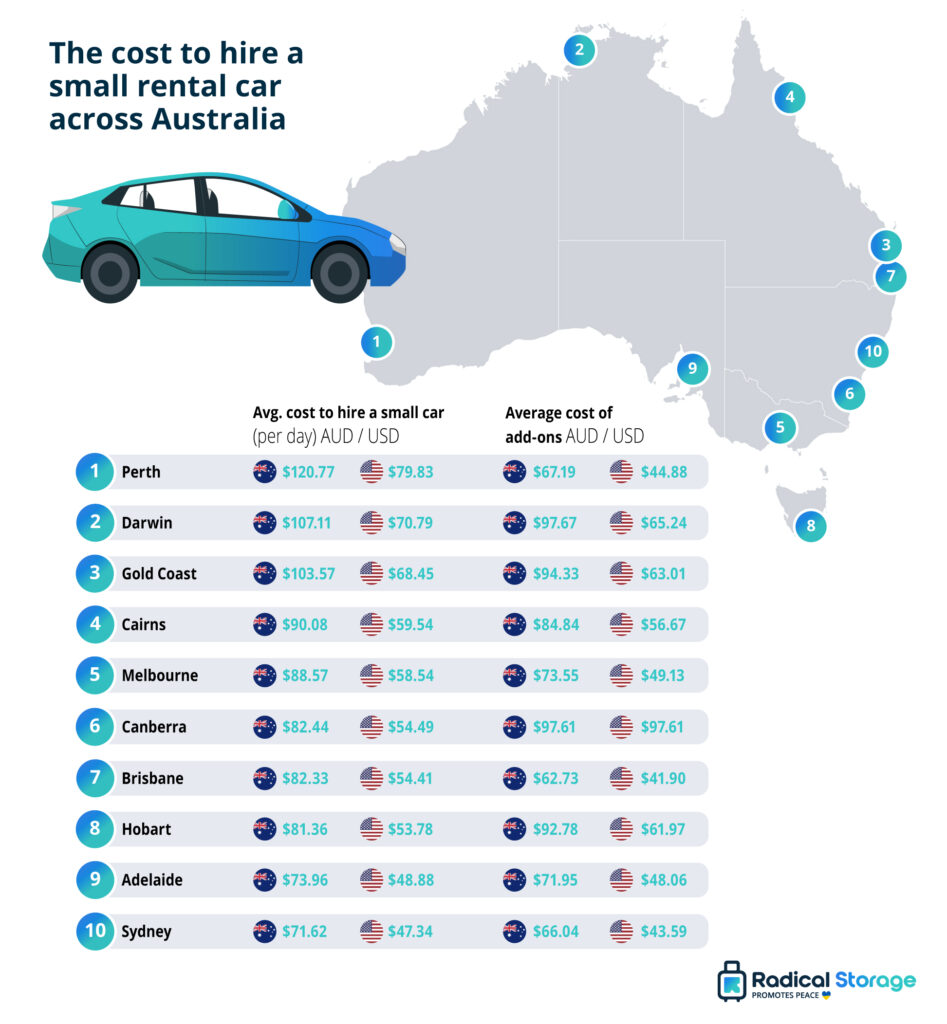
Where you rent is just as important as when you rent. Airport locations are notoriously more expensive than off-airport sites. This is largely due to “concession recovery fees”—charges that airports levy on rental companies for the right to operate on the premises, which are then passed directly to the consumer. Additionally, regional economic factors play a role. Renting a compact car in New York City or London will inherently carry a higher base rate than renting the same vehicle in a mid-sized suburban market due to higher real estate costs and local taxes.
Navigating the Maze of Hidden Fees and Surcharges
For the budget-conscious consumer, the most frustrating aspect of car rentals is the “total at the counter.” Frequently, the final bill is 30% to 50% higher than the initial quote. To maintain financial control, you must be able to identify and evaluate these additional charges before they hit your credit card statement.
Taxes, Airport Fees, and Local Levies
In many jurisdictions, rental cars are viewed as a “luxury” or “tourist” commodity, making them easy targets for local governments looking to increase tax revenue without taxing their own voting constituents. You might encounter Sales Tax, Tourism Surcharges, Stadium Taxes, and Customer Facility Charges (CFCs). While these are non-negotiable, knowing they exist allows you to factor them into your initial financial projections rather than being surprised at the end of your trip.
Age-Related Surcharges and Additional Driver Fees
From a risk management perspective, younger drivers are statistically more likely to be involved in accidents. Consequently, most rental agencies charge a “Young Renter Fee” for those under the age of 25, which can add $20 to $50 per day to the cost. Similarly, adding a second driver often incurs a daily fee. If you are traveling in a group, it is often more financially sound to designate a single driver over the age of 25 to avoid these unnecessary capital outflows.
Fuel Policies: Prepaid vs. Self-Refill
One of the most common “convenience traps” in the rental industry is the prepaid fuel option. Rental companies offer to let you pay for a full tank of gas upfront so you can return the car empty. However, unless you manage to return the car with an almost bone-dry tank, you are essentially gifting the rental company the remaining fuel you already paid for. Furthermore, the per-gallon rate offered by the company is rarely lower than local gas station prices. To optimize your personal finance, the “full-to-full” policy—where you refill the tank yourself immediately before returning the vehicle—is almost always the most cost-effective choice.
The Insurance Dilemma: Protecting Your Assets without Overspending
Insurance is perhaps the most significant variable in the car rental cost equation. It is also the area where consumers are most likely to overspend due to fear or a lack of understanding of their existing financial products.
Collision Damage Waivers (CDW) vs. Personal Insurance
At the rental counter, agents will strongly encourage you to purchase a Collision Damage Waiver (CDW) or Loss Damage Waiver (LDW). These can cost anywhere from $15 to $35 per day. Before agreeing, check your existing personal auto insurance policy. In many cases, your primary insurance extends to rental cars used for personal travel. However, be aware that filing a claim through your personal insurance could lead to increased premiums in the future. You must weigh the immediate cost of the rental company’s waiver against the potential long-term financial impact on your private insurance rates.
Credit Card Coverage Benefits
Many high-end credit cards and travel-focused financial products offer secondary or even primary rental car insurance as a built-in perk. To utilize this, you must typically decline the rental company’s coverage and pay for the entire transaction with that specific card. This is an excellent example of leveraging financial tools to reduce travel costs. Before your trip, call your credit card issuer to get a “Letter of Coverage” so you know exactly what is protected—such as theft, damage, or loss-of-use fees—and can avoid paying for redundant protection.
Strategic Financial Planning for Long-term and Short-term Rentals
To truly master the cost of car rentals, one must look beyond the daily rate and consider the broader financial context of the trip. Whether for business or pleasure, the decision to rent should be based on a clear cost-benefit analysis.
The Cost-Benefit Analysis of Rental vs. Ride-Sharing
In urban environments with high parking fees, renting a car can actually be a poor financial move. If you are staying in a city center where parking costs $40 per day and the rental costs $60 per day, you are spending $100 daily before even turning the engine on. In such scenarios, using ride-sharing apps or public transportation is often the smarter financial choice. However, for multi-stop itineraries or rural travel, the fixed cost of a rental car provides much better “value per mile” than fragmented transportation methods.
Membership Programs and Loyalty Discounts
For those who travel frequently, loyalty programs offer a way to recoup some of the costs associated with renting. These programs are usually free to join and can lead to significant financial benefits, such as “rent four days, get one free” or automatic upgrades to higher-tier vehicles at no extra cost. Furthermore, many professional organizations (like the AAA or AARP) and large corporations have negotiated “leisure rates” that can be significantly lower than public prices. Checking for these discounts is a vital step in the financial due diligence process for any traveler.

Conclusion: The Bottom Line on Rental Costs
Ultimately, the cost of renting a car is not a fixed number but a variable that can be managed through careful planning and financial literacy. By understanding the components of the base rate, identifying and avoiding unnecessary fees, and leveraging existing insurance and loyalty benefits, you can significantly reduce your total expenditure.
In the world of personal and business finance, every dollar saved on overhead like transportation is a dollar that can be redirected toward investments, savings, or more meaningful experiences. Approach your next car rental not as a simple transaction, but as a financial puzzle to be solved. With the right strategy, you can ensure that you are getting the best possible return on your investment, keeping your travel budget intact and your financial goals on track.
aViewFromTheCave is a participant in the Amazon Services LLC Associates Program, an affiliate advertising program designed to provide a means for sites to earn advertising fees by advertising and linking to Amazon.com. Amazon, the Amazon logo, AmazonSupply, and the AmazonSupply logo are trademarks of Amazon.com, Inc. or its affiliates. As an Amazon Associate we earn affiliate commissions from qualifying purchases.