
Understanding the precise financial valuation of a company as dynamic and prominent as Tesla is a complex, yet crucial, exercise for investors, financial analysts, and market enthusiasts alike. Tesla, Inc. (TSLA) is not just an automotive manufacturer; it’s a technology innovator, an energy solutions provider, and a significant disruptor across multiple industries. Its valuation is a constant subject of debate, swinging wildly based on market sentiment, production milestones, technological breakthroughs, and the broader economic climate. The core question, “how much is the Tesla company worth,” points directly to its market capitalization, a figure that reflects the collective judgment of investors on its present and future earning potential.
To truly grasp Tesla’s financial standing, one must look beyond simple stock prices and delve into the underlying financial metrics, growth drivers, and strategic initiatives that shape its market value. This article will explore the multifaceted components contributing to Tesla’s worth, framed strictly through the lens of business finance and investment analysis.
Understanding Market Capitalization: The Core Metric
At its most fundamental level, a company’s “worth” in the public market is best represented by its market capitalization, often simply called “market cap.” This figure is calculated by multiplying the current share price by the total number of outstanding shares. While seemingly straightforward, market cap is a constantly moving target, fluctuating with every trade executed on the stock exchange.
Defining Market Cap and Enterprise Value
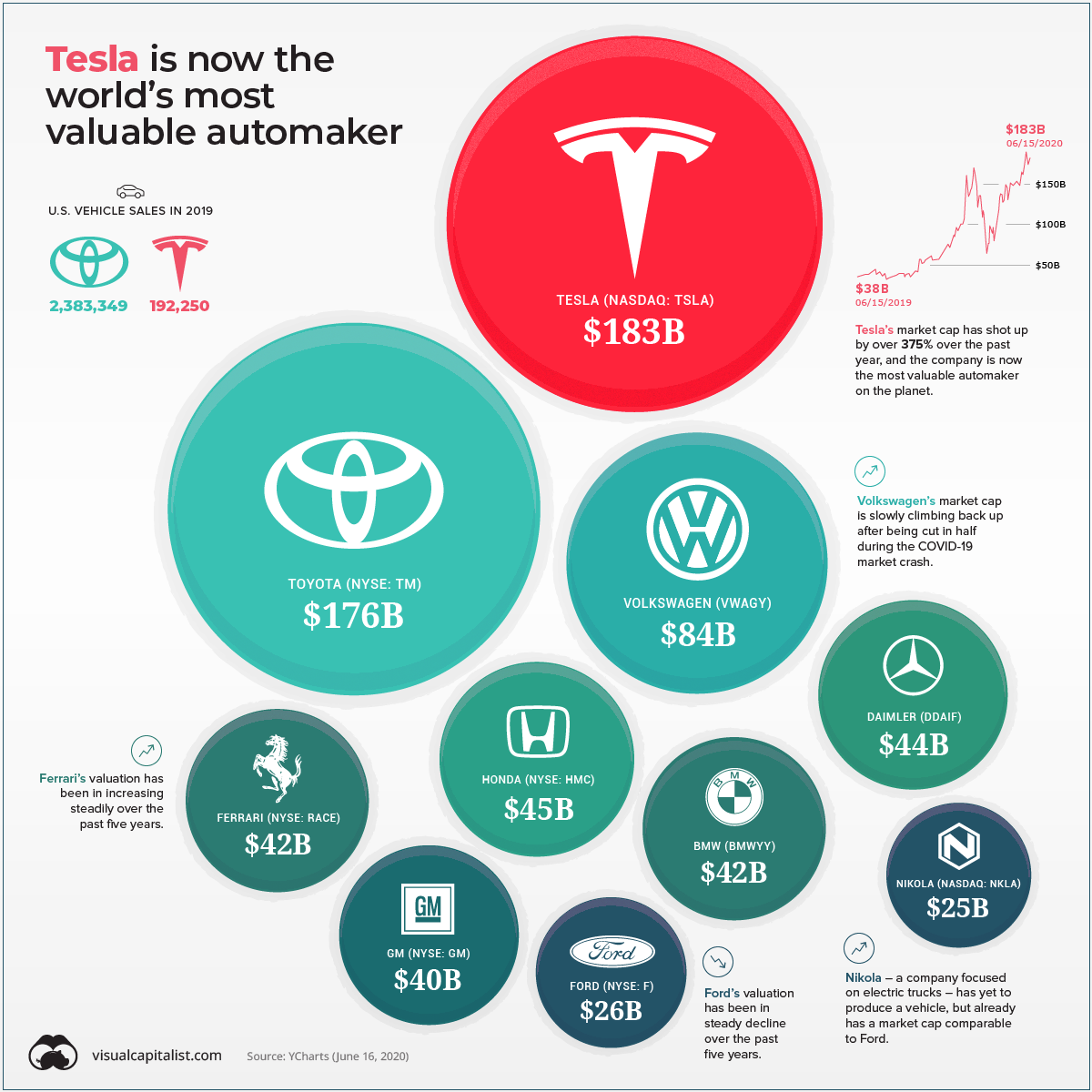
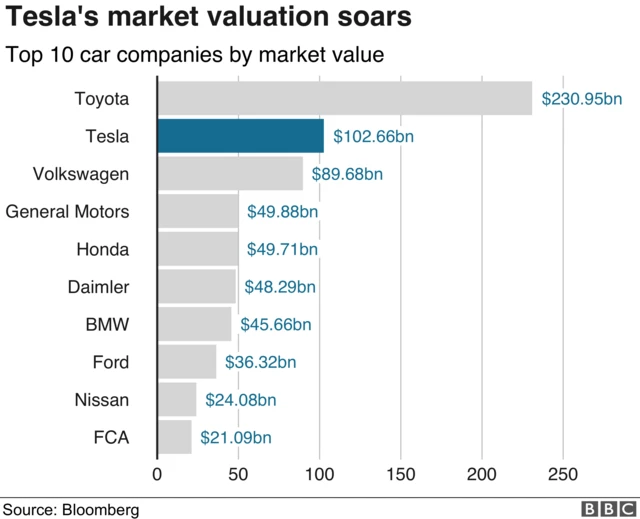
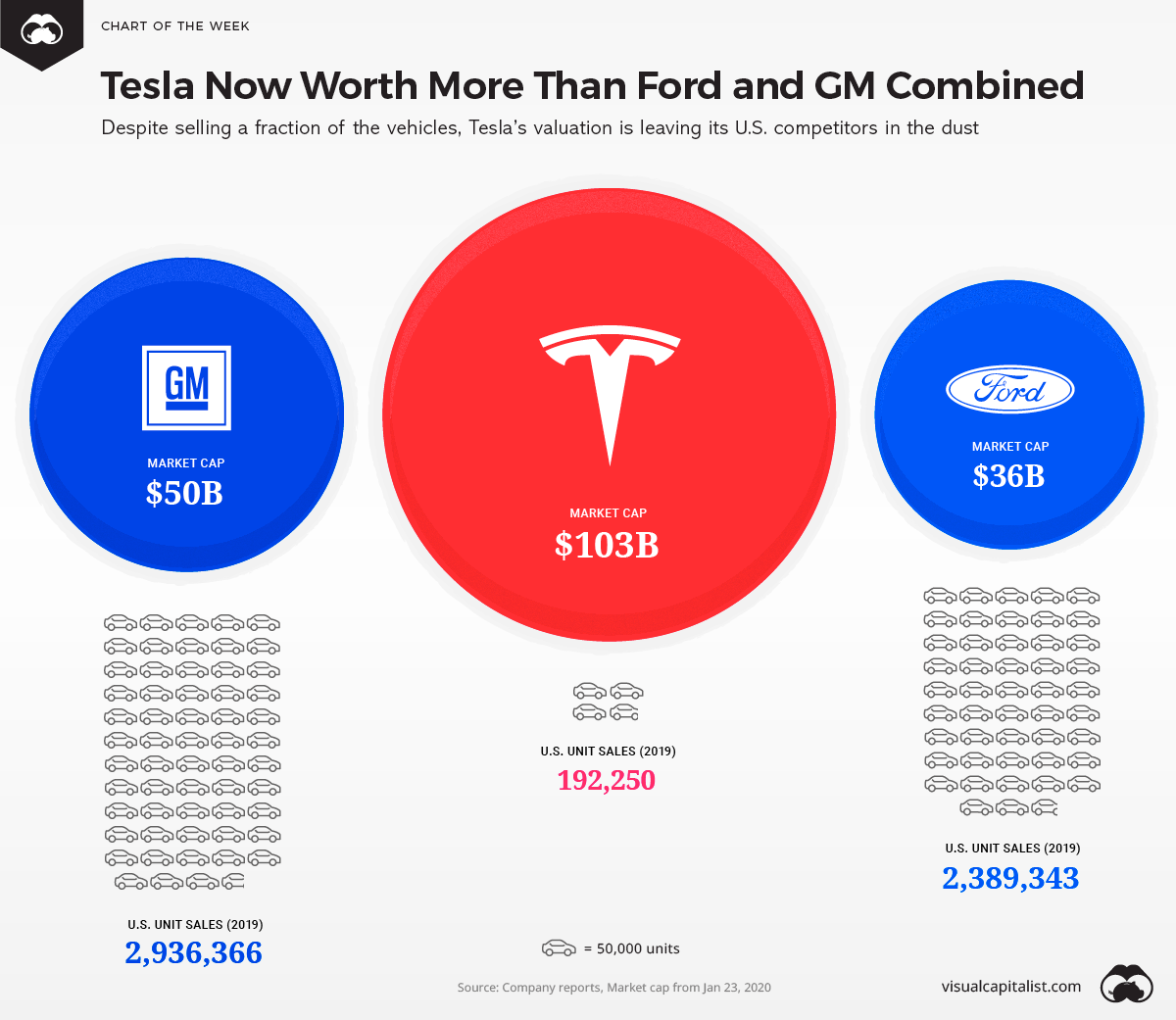
Market capitalization provides a snapshot of the company’s equity value, reflecting what the market believes its business is worth today. However, for a more comprehensive financial assessment, analysts also consider “enterprise value” (EV). EV takes market cap and adds the company’s total debt, preferred stock, and minority interest, then subtracts its cash and cash equivalents. This metric offers a more holistic view of the company’s total value, representing what it would cost to acquire the entire business, including its debt. For a capital-intensive company like Tesla, which often carries significant debt to fund its expansive growth and infrastructure projects, EV can provide a crucial additional perspective on its true financial scale. Tesla’s market cap has historically placed it among the world’s most valuable companies, often surpassing established giants in both the automotive and tech sectors, indicating an unparalleled level of investor confidence in its long-term vision and execution.
Tesla’s Historical Valuation Trajectory
Tesla’s journey to becoming one of the world’s most valuable companies has been nothing short of extraordinary. From its IPO in 2010 at a modest valuation, the company experienced incremental growth, punctuated by significant surges as it hit production milestones, achieved profitability, and expanded its product lines. The late 2010s and early 2020s saw an explosive acceleration in its market cap, driven by increasing EV adoption, successful scaling of its Gigafactories, and the growing excitement around its autonomous driving ambitions and energy storage solutions. This rapid appreciation reflected a significant shift in investor perception, moving from viewing Tesla merely as a niche carmaker to recognizing its potential as a dominant force in sustainable energy and advanced AI. Understanding this trajectory involves analyzing periods of intense speculation, rapid growth, and occasional pullbacks, all influenced by financial results, technological announcements, and macroeconomic shifts.
Why Valuation Fluctuates
The valuation of any publicly traded company, and especially one as closely watched as Tesla, is subject to a myriad of influences. Daily fluctuations are driven by supply and demand for its shares, often impacted by breaking news, analyst ratings, and investor sentiment. Over longer periods, the primary drivers include quarterly earnings reports, revenue growth, profit margins, cash flow generation, and future guidance provided by management. Furthermore, broader economic conditions—such as interest rate changes, inflation, consumer spending trends, and geopolitical events—can significantly sway investor appetite for growth stocks like Tesla. The market’s perception of Tesla’s ability to innovate, scale production, maintain its competitive edge, and navigate regulatory landscapes all contribute to its dynamic financial worth.
Key Drivers of Tesla’s Valuation
Tesla’s substantial market capitalization is not solely based on its current financial performance but significantly on its perceived future potential. Several strategic and operational factors underpin this forward-looking valuation.
Disruptive Innovation and Technology Lead
At the heart of Tesla’s financial prowess is its relentless pursuit of disruptive innovation. The company’s pioneering work in electric vehicle technology, encompassing advanced battery design, efficient powertrains, and cutting-edge software, has consistently placed it ahead of traditional automakers. From a financial perspective, this technological lead translates into pricing power, premium brand positioning, and the potential for higher profit margins compared to competitors catching up. Furthermore, Tesla’s significant investment in artificial intelligence, particularly for its Full Self-Driving (FSD) capabilities, opens up entirely new potential revenue streams and fundamentally changes the economic model of car ownership. The promise of recurring software revenue and services, alongside its hardware sales, provides a compelling financial narrative for long-term investors.
Brand Equity and Consumer Demand
Tesla has cultivated one of the most powerful and recognizable brands in the world, synonymous with innovation, sustainability, and aspirational technology. This strong brand equity is a critical financial asset, enabling the company to generate high consumer demand with relatively minimal traditional advertising spend. The “cool factor” and technological allure associated with Tesla products allow for premium pricing and foster a loyal customer base, which are invaluable for sustained revenue growth and market penetration. High demand, often translating into long waiting lists for new models, indicates a robust market position that underpins consistent sales volumes and strengthens the company’s financial outlook.
Production Scalability and Global Expansion
A significant challenge for any automaker, especially an EV manufacturer, is the ability to scale production efficiently. Tesla’s strategic investment in Gigafactories across continents—including facilities in the U.S., China, and Germany—demonstrates its commitment to global expansion and operational scalability. The financial impact of scaling production is enormous: it allows for economies of scale, reduces per-unit costs, and enables the company to meet burgeoning global demand. The ability to rapidly increase output, streamline manufacturing processes, and effectively manage its supply chain directly contributes to revenue growth, improved profitability, and sustained market share, all of which are critical for its valuation.
Diverse Revenue Streams (EVs, Energy, FSD)
While electric vehicles remain its most visible product, Tesla’s financial strategy involves diversifying its revenue streams. The energy division, which includes solar panels, Powerwall battery storage, and large-scale Megapack solutions, is a growing segment with substantial future potential. As the world transitions to renewable energy, Tesla’s integrated approach to energy generation and storage positions it uniquely to capture significant market share. Moreover, the subscription model for its FSD software represents a high-margin, recurring revenue stream that could drastically alter its financial profile over time. These diversified offerings reduce reliance on a single product category and provide multiple avenues for financial growth and stability, contributing significantly to its overall worth.
Analyzing Tesla’s Financial Performance and Growth
A deep dive into Tesla’s financial statements provides concrete evidence of its operational success and the factors influencing its market valuation. Understanding its revenue, profitability, and balance sheet health is paramount.
Revenue Growth and Profitability Trends
Tesla has demonstrated remarkable revenue growth year-over-year, driven by increasing vehicle deliveries, expansion into new markets, and the development of its energy and software segments. Critically, the company has transitioned from periods of significant losses to sustained profitability, generating positive net income and robust free cash flow. This shift has been a pivotal factor in re-rating its stock valuation, moving it from a speculative growth play to a company demonstrating tangible financial results. Analysts closely monitor gross margins on vehicles, operating expenses, and net profit to gauge the efficiency of its production and its ability to turn sales into bottom-line earnings. Consistent improvements in these areas signal a maturing and financially healthy enterprise.
Cash Flow Generation and Balance Sheet Strength
For a rapidly expanding company, cash flow is king. Tesla’s ability to generate substantial free cash flow—the cash left over after operating expenses and capital expenditures—is crucial for funding its ambitious growth plans without excessive reliance on external financing. Positive cash flow provides the liquidity needed for R&D, new factory construction, and global expansion. Furthermore, the company’s balance sheet strength, including its cash reserves and manageable debt levels, reassures investors of its financial resilience. A strong balance sheet indicates the company’s capacity to weather economic downturns, invest in future opportunities, and withstand competitive pressures, all of which support its high market valuation.
R&D Investment and Future Growth Potential
Tesla is known for its heavy investment in research and development (R&D), particularly in areas like battery technology, AI, and robotics. While R&D expenses can temporarily reduce reported profits, they are vital for sustaining long-term growth and maintaining a competitive edge. From a financial perspective, R&D spending is an investment in future revenue streams and market leadership. The market often assigns a premium to companies that consistently innovate, believing these investments will yield higher returns and greater market share down the line. Tesla’s R&D strategy is therefore a direct contributor to its future growth potential and a key factor in its current aspirational valuation.
Investment Perspective: Opportunities and Risks
Investing in Tesla has historically offered significant rewards but also comes with unique risks, reflecting its position as both an established leader and a disruptor.
Bull Case: Long-Term Growth and Market Dominance
The bull case for Tesla’s valuation rests on several pillars. Investors optimistic about Tesla envision a future where it dominates not just the EV market but also the broader sustainable energy and autonomous transportation sectors. They point to its technological lead, brand strength, and ability to scale production as evidence of its enduring competitive advantages. The expansion into energy storage, AI-driven robotics, and potentially ride-hailing services through autonomous vehicles presents massive addressable markets that could exponentially increase its revenue and profitability. From this perspective, Tesla’s current valuation, while high, is justified by its potential to become one of the most influential companies of the 21st century, continuing to disrupt legacy industries and command significant market share.
Bear Case: Competition, Regulatory Hurdles, and Valuation Concerns
Conversely, the bear case highlights significant risks. Increased competition from legacy automakers rapidly entering the EV space, coupled with new EV startups, could erode Tesla’s market share and pricing power. Regulatory hurdles, especially concerning autonomous driving safety and environmental standards in different global markets, pose operational and financial challenges. Moreover, concerns about the company’s high valuation metrics—such as its price-to-earnings (P/E) ratio often being significantly higher than industry averages—suggest it might be overvalued relative to its current earnings. Critics argue that much of its future growth is already priced into the stock, leaving little room for error and making it susceptible to significant corrections if growth projections are not met. Dependence on key personnel, supply chain vulnerabilities, and geopolitical tensions also represent ongoing financial risks.
Valuation Metrics: P/E Ratio, EV/Sales, etc.
Analysts use various financial metrics to evaluate Tesla’s worth. The P/E ratio, which compares share price to earnings per share, is a common indicator, though Tesla’s often exceptionally high P/E reflects investor expectations for future growth rather than current profitability. Other metrics, such as Price-to-Sales (P/S) or Enterprise Value-to-Sales (EV/Sales), are often considered more relevant for high-growth companies like Tesla that are reinvesting heavily in expansion. These metrics help investors compare Tesla’s valuation against its peers and the broader market, offering insights into whether the stock is trading at a premium, discount, or fair value based on its financial performance and industry context.
The Future Financial Outlook for Tesla
Forecasting Tesla’s future worth involves projecting its continued innovation, market expansion, and ability to capitalize on emerging opportunities while navigating evolving challenges.
Impact of AI and Autonomy on Future Revenue
The long-term financial outlook for Tesla is heavily intertwined with the success of its AI and autonomous driving initiatives. If FSD achieves regulatory approval and widespread adoption, it could unlock a colossal market for robotaxis, generating high-margin recurring revenue through subscriptions or per-mile fees. The financial implications of transforming vehicles from mere assets into revenue-generating autonomous nodes are staggering, potentially dwarfing its current vehicle sales. Furthermore, Tesla’s AI advancements extend beyond vehicles to its humanoid robot, Optimus, which could unlock new revenue streams in industrial automation and beyond, further solidifying its future financial landscape.
Energy Storage and Charging Network Expansion
Tesla’s energy business, though currently a smaller component of its overall revenue, holds immense potential for future growth and profitability. The demand for grid-scale battery storage (Megapack) and residential solutions (Powerwall) is expected to surge as renewable energy sources proliferate. Expanding its Supercharger network also creates a valuable infrastructure asset and a potential revenue stream through charging services for non-Tesla vehicles. These energy-related ventures diversify Tesla’s financial base and position it to benefit from the global transition to sustainable energy infrastructure, contributing significantly to its long-term financial worth.
Geopolitical and Economic Factors
Like any global enterprise, Tesla’s financial outlook is susceptible to broader geopolitical and macroeconomic forces. Trade policies, international relations, currency fluctuations, and localized economic conditions in key markets like China and Europe can all impact sales, production costs, and profitability. Supply chain resilience, particularly for critical battery materials, is another area of financial vulnerability. Navesting these complexities effectively, and demonstrating adaptability to changing global dynamics, will be crucial for sustaining its financial growth and maintaining its market valuation.
Sustainability of High Growth Rates
A critical question for investors is whether Tesla can sustain its historically high growth rates. As the company scales to immense size, achieving the same percentage growth becomes increasingly challenging. The ability to continually innovate, effectively manage competition, and penetrate new markets will determine if it can maintain its trajectory. The market will closely watch its ability to launch new, affordable models, expand into emerging economies, and develop entirely new products or services to keep the growth engine running. The sustainability of its growth rates will be a primary determinant of its future financial worth and its ability to justify its premium valuation.
In conclusion, determining “how much the Tesla company is worth” is an ongoing, dynamic assessment. It is a reflection of its current financial health, its unparalleled technological innovation, its brand power, and the market’s ambitious expectations for its future dominance in sustainable transportation and energy. While its valuation remains a subject of intense debate, a comprehensive financial analysis reveals a company with formidable strengths, significant opportunities, and inherent risks, all contributing to its evolving place as one of the world’s most valuable enterprises.
aViewFromTheCave is a participant in the Amazon Services LLC Associates Program, an affiliate advertising program designed to provide a means for sites to earn advertising fees by advertising and linking to Amazon.com. Amazon, the Amazon logo, AmazonSupply, and the AmazonSupply logo are trademarks of Amazon.com, Inc. or its affiliates. As an Amazon Associate we earn affiliate commissions from qualifying purchases.