
Renting a car often seems like a straightforward transaction: pick a vehicle, pay a daily rate, and drive off. However, the true cost of renting a car is frequently more complex than the advertised base rate. For many travelers, vacationers, and business professionals, understanding the multifaceted pricing structure of car rentals is crucial for effective budgeting and avoiding unwelcome surprises. From navigating insurance options to deciphering various fees and surcharges, a clear comprehension of what you’re paying for can transform a potentially budget-busting experience into a financially savvy one. This comprehensive guide aims to demystify the expenditures associated with car rentals, empowering you to make informed decisions and optimize your travel finances.

The Core Components of Rental Car Pricing
At first glance, car rental quotes can appear deceptively simple, often highlighting an attractive daily or weekly rate. However, this base figure is merely the tip of the iceberg. A multitude of other elements contribute to the final bill, some mandatory, others optional, but all impactful. Understanding each component is the first step toward accurately estimating your total outlay.
Base Rental Rate: The Starting Point
The base rental rate is the fundamental charge for the vehicle itself, typically calculated daily, weekly, or monthly. This rate is influenced by several factors, including the type of vehicle (economy, standard, SUV, luxury), the demand for rentals at your specific location and time, and the duration of your rental. For instance, renting an economy car during off-peak season in a non-airport location will invariably be cheaper than a luxury SUV during a holiday weekend at a major international airport. Rental companies often offer slightly lower per-day rates for longer rental periods, encouraging customers to rent for a week rather than just a few days. Always scrutinize what this base rate includes – it rarely covers anything beyond the car itself and basic mileage.
Taxes and Fees: The Unavoidable Add-ons
Beyond the base rate, a significant portion of your rental cost will comprise various taxes and fees, many of which are non-negotiable and mandated by local, state, or federal authorities. These can include state and local sales taxes, airport concession recovery fees (ACRF) if you rent from an airport location, vehicle license recovery fees (VLFR) to offset the cost of registering the rental fleet, and energy surcharge fees. Airport fees, in particular, can add a substantial percentage to your bill, sometimes ranging from 10% to 20% or even higher, reflecting the convenience and operational costs associated with renting directly from an airport terminal. While these fees are often listed as separate line items, they are essentially unavoidable costs of doing business for the rental company, passed directly onto the consumer.
Insurance Options: Navigating Coverage Choices
Insurance is perhaps the most confusing and potentially expensive add-on in car rentals. Rental companies typically offer several types of coverage, each designed to protect against different risks.
- Loss Damage Waiver (LDW) or Collision Damage Waiver (CDW): This waives your financial responsibility for damage to or theft of the rental car. While it sounds comprehensive, it often doesn’t cover liability for damage to other vehicles or injuries to others.
- Supplemental Liability Insurance (SLI): This provides additional liability coverage beyond what the rental company’s basic insurance offers, protecting you against claims from third parties for property damage or bodily injury.
- Personal Accident Insurance (PAI): This covers medical expenses for the renter and passengers in case of an accident.
- Personal Effects Coverage (PEC): This insures personal belongings against theft or damage while in the rental car.
It’s crucial to assess your existing insurance coverage before purchasing these options. Your personal auto insurance policy may extend to rental cars, and many credit cards offer secondary (or sometimes primary) CDW/LDW coverage as a cardholder benefit. Overlapping coverage can lead to unnecessary expenses, so a quick call to your personal insurer and credit card company can save you a significant amount.
Optional Extras: Enhancing (or Inflating) Your Trip
Beyond insurance, rental companies provide a range of optional extras that can further inflate your bill. These include GPS navigation systems, child safety seats, satellite radio, toll passes, and roadside assistance. While some of these might genuinely enhance your travel experience or are legally required (like child seats), others can be easily avoided or sourced more economically. For example, most smartphones offer excellent free GPS navigation, and bringing your own child seat is often feasible. Toll passes can be convenient but may come with daily activation fees on top of the actual toll charges, making a pay-per-use approach or buying an independent transponder (if applicable in your region) a more cost-effective choice for frequent toll road use.
Factors That Significantly Influence Rental Car Costs
The final price of your rental car is not static; it’s a dynamic figure influenced by a myriad of variables that extend beyond the basic components. Understanding these external and situational factors can empower you to strategically plan your rental and potentially unlock significant savings.
Location, Location, Location: Where You Pick Up Matters
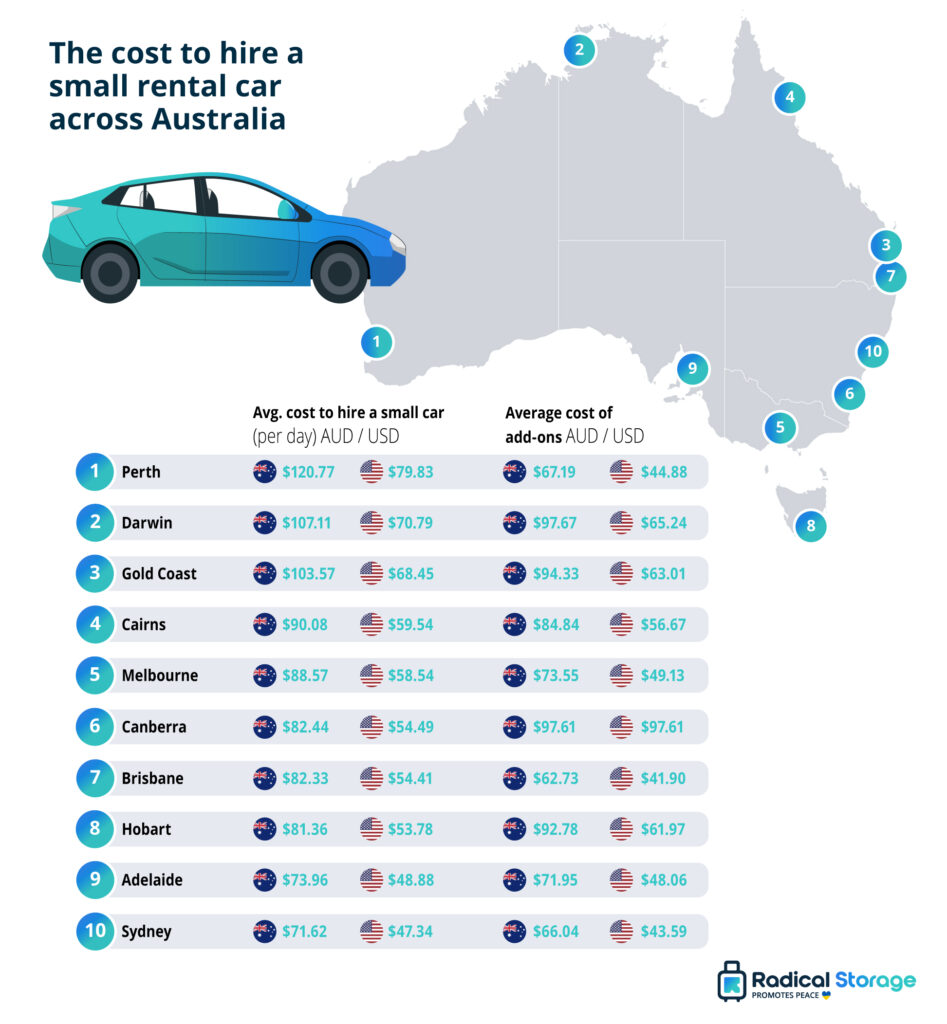
The geographical location of your rental pickup point plays a critical role in pricing. Renting a car from an airport location, while convenient, almost always incurs higher costs due due to the aforementioned concession recovery fees and higher operating expenses for rental agencies situated within airport terminals. Opting for an off-airport location, even if it requires a short taxi or ride-share trip, can often result in substantial savings on the base rate and various fees. Furthermore, rental prices can vary dramatically between cities, states, and countries, reflecting local demand, operating costs, and tax structures. A rental in a bustling tourist hub will likely be pricier than one in a quieter, less-trafficked area.
Timing is Everything: When You Book and When You Rent
Like airline tickets and hotel rooms, car rental prices fluctuate based on demand and seasonality. Booking your rental car well in advance, especially for peak travel seasons (holidays, summer months, major events), generally yields better rates. Last-minute bookings, conversely, tend to be more expensive as supply dwindles. Similarly, renting during off-peak days of the week (e.g., Tuesday-Thursday) can be cheaper than weekend rentals. A mid-week pickup and drop-off can sometimes lead to lower daily rates compared to weekend-only rentals, even if the total duration is the same. Flexibility with your travel dates, if possible, can significantly impact the final cost.
Vehicle Type and Class: Matching Your Needs to Your Budget
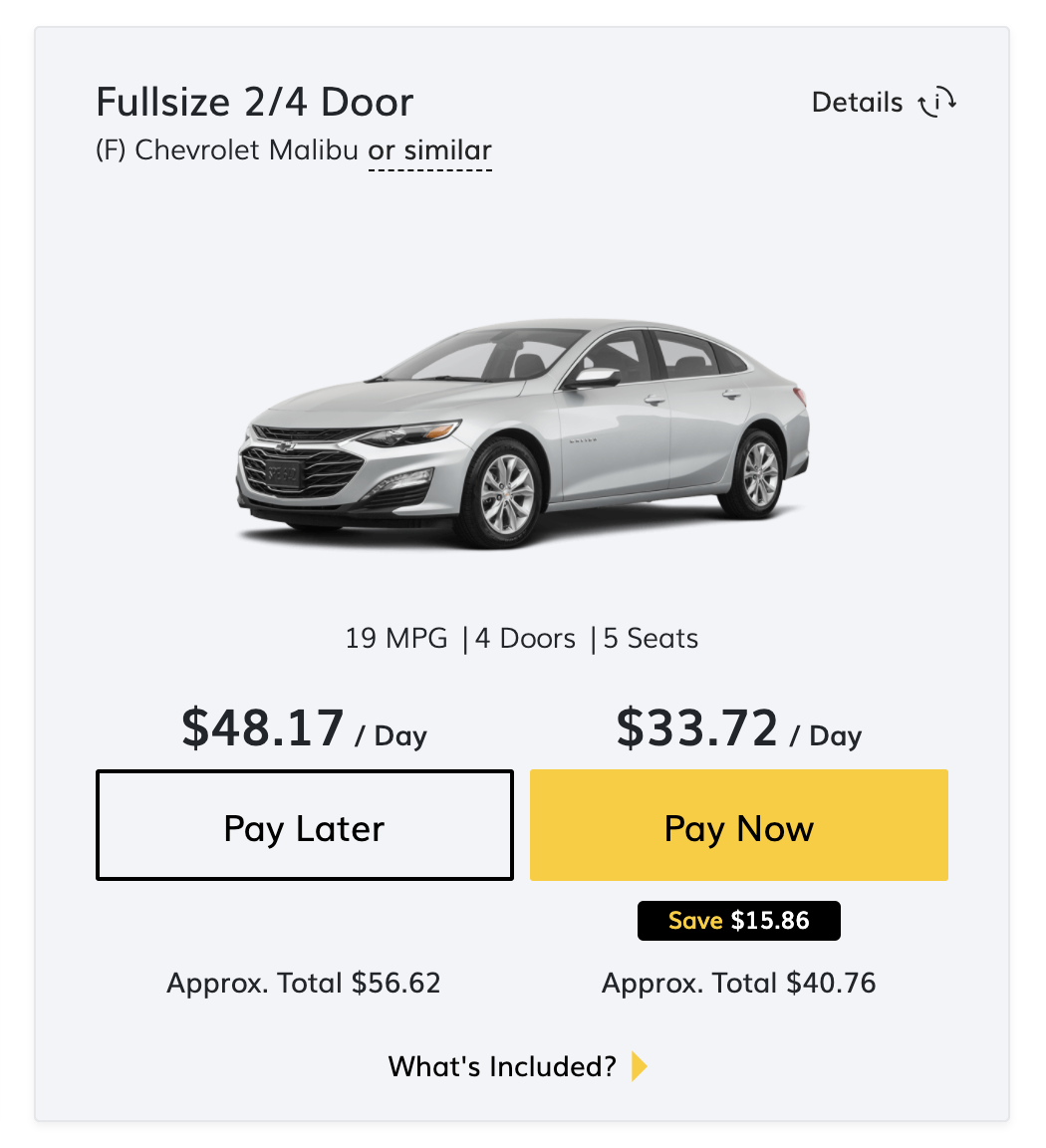
The type of vehicle you choose has a direct correlation with the rental cost. Economy cars are invariably the cheapest option, offering basic transportation and fuel efficiency. As you move up the hierarchy to standard sedans, SUVs, minivans, and luxury vehicles, the daily rate increases proportionally. While a larger vehicle might offer more comfort or cargo space, carefully assess whether your trip truly necessitates it. An SUV for a solo traveler on a city break might be an unnecessary expense, whereas for a family road trip, it could be essential. Balancing your practical needs with your budgetary constraints is key here.
Rental Duration: Daily, Weekly, or Longer?
Surprisingly, renting a car for a longer duration can sometimes result in a lower per-day cost. Rental companies often structure their pricing to incentivize longer rentals, offering weekly rates that are disproportionately cheaper than summing up seven individual daily rates. If your trip spans a few days short of a week, it’s often worth checking the weekly rate; sometimes, paying for an extra day you don’t use can still be cheaper than paying the higher daily rate for a shorter period. Similarly, monthly rates offer even greater per-day savings for extended rentals.
Age of Driver and Additional Drivers: Surcharges to Consider
Most rental companies impose a “young driver” surcharge for renters under the age of 25, citing higher insurance risks. This fee can add a significant daily amount to the total cost. If you’re under 25, factor this surcharge into your budget from the outset. Additionally, if multiple people will be driving the rental car, most companies charge an “additional driver” fee per driver. While it’s crucial for anyone driving the car to be officially listed on the rental agreement for insurance purposes, minimizing the number of authorized drivers can help keep costs down. Some loyalty programs or corporate accounts may waive these fees, so it’s worth inquiring if applicable.
Strategies for Reducing Your Car Rental Expenses
With a clear understanding of the components and influencing factors of car rental costs, you’re now equipped to implement smart strategies to keep your expenses in check. A proactive and informed approach can lead to considerable savings without compromising your travel plans.
Compare and Contrast: Leveraging Aggregators and Direct Bookings
Never settle for the first quote you receive. Utilize online travel agencies (OTAs) like Expedia, Kayak, or Priceline, which act as aggregators, comparing prices from multiple rental companies simultaneously. However, don’t stop there. Always check the rental companies’ direct websites (Hertz, Avis, Enterprise, Budget, National, etc.) as they sometimes offer exclusive deals or discounts not available through third-party sites. Furthermore, consider lesser-known local rental agencies, especially for longer rentals or specific locations, as they can sometimes offer more competitive rates. Remember to compare the total estimated cost, including all taxes and fees, not just the base rate.
Smart Insurance Decisions: Avoiding Redundant Coverage
As discussed, car rental insurance can be a major cost driver. Before you even search for a car, verify your existing coverage:
- Personal Auto Insurance: Many personal auto policies extend collision and liability coverage to rental vehicles. Contact your agent to confirm your policy’s specifics, including deductibles and any limitations on vehicle types or rental durations.
- Credit Card Benefits: Premium travel credit cards often provide secondary (and sometimes primary) CDW/LDW coverage. Always check the terms and conditions, as coverage can vary significantly between cards and may have restrictions on rental duration, vehicle types, or countries. Be aware that most credit card coverage is for damage to the rental car itself, not liability for damage to other property or persons.
- Travel Insurance: Some comprehensive travel insurance policies include rental car excess waivers or primary collision coverage.
Armed with this knowledge, you can confidently decline redundant insurance offerings from the rental counter, saving a substantial portion of your budget.
Fueling Up Wisely: Pre-paid vs. Refill Options
Rental companies offer various fuel policies, and understanding them is crucial for avoiding unnecessary expenses.
- Full-to-Full: This is generally the most cost-effective option. You pick up the car with a full tank and are expected to return it full. Failure to do so will result in a refueling charge from the rental company, which often includes a premium price per gallon plus a service fee.
- Pre-paid Fuel: You pay for a full tank upfront at the rental company’s rate. While convenient, this option is usually only cost-effective if you return the car with an almost empty tank. If you return it half full, you’ve essentially paid for fuel you didn’t use.
- Same-to-Same: Less common, but sometimes offered, where you return the car with the same fuel level as when you picked it up.
Unless you’re on a tight schedule and anticipate returning the car with very little fuel, choosing the “full-to-full” option and locating a nearby gas station before returning the vehicle is almost always the cheapest approach.
Avoiding Unnecessary Extras: Evaluate Your Needs
Critically evaluate every optional extra offered.
- GPS: Your smartphone almost certainly has a superior and free GPS navigation app (Google Maps, Waze, Apple Maps). Download offline maps if you anticipate areas with poor signal.
- Child Seats: If traveling with children, bringing your own child seat is often a better financial decision and ensures familiarity and comfort for your child. Airlines typically allow car seats as free checked baggage.
- Toll Passes: For occasional toll road use, paying cash (where available) or using your personal transponder (if compatible) might be cheaper than the daily activation fees and potentially higher per-toll charges of a rental company’s transponder. Plan your route to minimize toll road usage if possible.
- Roadside Assistance: Your personal auto insurance, credit card, or an auto club membership (like AAA) might already provide roadside assistance that extends to rental vehicles, making the rental company’s offering redundant.
Loyalty Programs and Discounts: Maximizing Your Value
If you frequently rent cars, enrolling in a rental company’s loyalty program (e.g., Hertz Gold Plus Rewards, Avis Preferred, Enterprise Plus) can offer significant benefits. These often include expedited pickup, free upgrades, waiver of additional driver fees, and earning points for free rental days. Additionally, look for discounts through affiliations: many credit cards, airline frequent flyer programs, AAA, AARP, and corporate affiliations offer discount codes that can be applied to your booking. Always check for these before finalizing your reservation.
Understanding Hidden Costs and Potential Pitfalls
Even after careful planning, some costs can emerge unexpectedly, turning a budget-friendly rental into a costly experience. Being aware of these potential pitfalls can help you navigate the rental process more smoothly and avoid financial surprises.
One-Way Rental Fees
One-way rentals, where you pick up the car in one location and drop it off in another, almost invariably incur significant “one-way fees.” These fees cover the cost for the rental company to transport the vehicle back to its original location. While sometimes unavoidable for certain travel itineraries, be prepared for these surcharges, which can sometimes exceed the base rental rate itself. Always compare the cost of a one-way rental versus a round trip (if feasible with your itinerary) or alternative transportation methods.
Mileage Limitations
While most major rental companies in the US and Canada offer unlimited mileage for standard rentals, it’s crucial to confirm this, especially if you’re renting from smaller agencies, in other countries, or for specific specialty vehicles. If there are mileage caps, exceeding them will result in an additional charge per mile, which can quickly accumulate on a long road trip. Always verify the mileage policy before booking.
Cleaning Fees and Damage Charges
Rental companies expect the vehicle to be returned in a reasonably clean condition. While normal wear and tear are expected, excessive dirt, pet hair, or strong odors (e.g., from smoking, which is often prohibited) can lead to hefty cleaning fees. Similarly, any new damage to the vehicle, even minor dents or scratches, can result in charges for repairs, often at inflated rates, unless you have adequate insurance coverage. Always inspect the car thoroughly before driving off, documenting any pre-existing damage with photos or video, and ensure it’s noted on your rental agreement.
Late Return Penalties
Returning a rental car even an hour or two late can trigger significant penalties. Many companies have a grace period (e.g., 29 minutes), but exceeding it can result in an hourly charge, or even an entire additional day’s rental fee, often at a higher, non-discounted rate. If you anticipate a delay, communicate with the rental company as soon as possible; they might be able to extend your rental for a smaller fee than a late penalty.
Toll Road Charges
Beyond the optional toll passes offered by rental companies, simply driving on a toll road can lead to charges. Many toll systems are now electronic, meaning you can’t pay with cash. If you don’t have a personal transponder or didn’t opt for the rental company’s pass, the rental agency will often be billed for the tolls, then pass those charges on to you, usually with an additional administrative fee per toll or per day of toll usage. Research the toll roads on your route beforehand and understand the payment system to avoid these surprise fees.
The Value Proposition: When Is Renting a Car Worth It?
Despite the various costs and complexities, renting a car offers undeniable benefits that, for many situations, outweigh the financial outlay. The decision to rent should always be a balance between cost, convenience, flexibility, and necessity.
Evaluating Convenience vs. Cost
For trips involving multiple destinations, areas with limited public transportation, or when traveling with family and luggage, the convenience of a rental car is often unparalleled. It offers freedom from rigid schedules, the ability to explore off-the-beaten-path locations, and the comfort of personal space. While ride-sharing services and taxis can be alternatives for short distances, their costs can quickly surpass a rental car for extended periods or multiple trips, especially if surge pricing is in effect. Weighing the total anticipated cost of alternative transport against a rental car is essential.
Business Travel and Expense Management
For business travelers, a rental car can be a productive tool, allowing for efficient travel between meetings, client visits, and business events. The costs are typically tax-deductible or reimbursed by the employer, making the decision primarily about efficiency and convenience rather than direct personal expense. Companies often have preferred rental agreements that include favorable rates and waived fees, further enhancing the value proposition for business use.
Road Trips and Exploration
The quintessential American road trip or any extensive multi-city tour abroad is almost synonymous with a rental car. The freedom to create your own itinerary, stop whenever inspiration strikes, and carry luggage without hassle makes a rental car an indispensable tool for exploration and adventure. The cost is justified by the unique experiences and flexibility it affords that other modes of transport cannot replicate.
Temporary Needs
Beyond travel, a rental car serves crucial temporary needs. If your personal vehicle is in the shop, you’re moving house and need extra cargo space, or you require a specific type of vehicle for a special occasion (e.g., a minivan for an outing with extended family), renting provides a cost-effective solution without the long-term commitment of ownership.
In conclusion, the question “how much is renting a car?” doesn’t have a single, simple answer. It depends on a dynamic interplay of base rates, mandatory fees, optional add-ons, location, timing, and personal choices. By approaching car rentals with a strategic mindset – understanding the pricing structure, diligently comparing options, leveraging existing coverage, and making informed decisions about extras – you can effectively manage your finances and ensure your car rental experience is both practical and budget-friendly.
aViewFromTheCave is a participant in the Amazon Services LLC Associates Program, an affiliate advertising program designed to provide a means for sites to earn advertising fees by advertising and linking to Amazon.com. Amazon, the Amazon logo, AmazonSupply, and the AmazonSupply logo are trademarks of Amazon.com, Inc. or its affiliates. As an Amazon Associate we earn affiliate commissions from qualifying purchases.