
In the modern era of household management, the “streaming wars” have shifted from a battle of content libraries to a battle of the wallet. As traditional cable packages continue to dissolve, replaced by a fragmented landscape of over-the-top (OTT) services, consumers are faced with a complex financial puzzle. Paramount Plus (Paramount+) has emerged as a significant player in this market, offering a blend of legacy media, live sports, and original programming. However, for the financially conscious consumer, the core question is not just “what can I watch?” but rather “how much is Paramount Plus, and where does it fit into my monthly budget?”

Understanding the pricing structure of Paramount+ requires more than a simple glance at a sticker price. It involves an analysis of tier-based value, the mathematics of annual commitments, and the strategic use of bundles to maximize every dollar spent on digital entertainment.
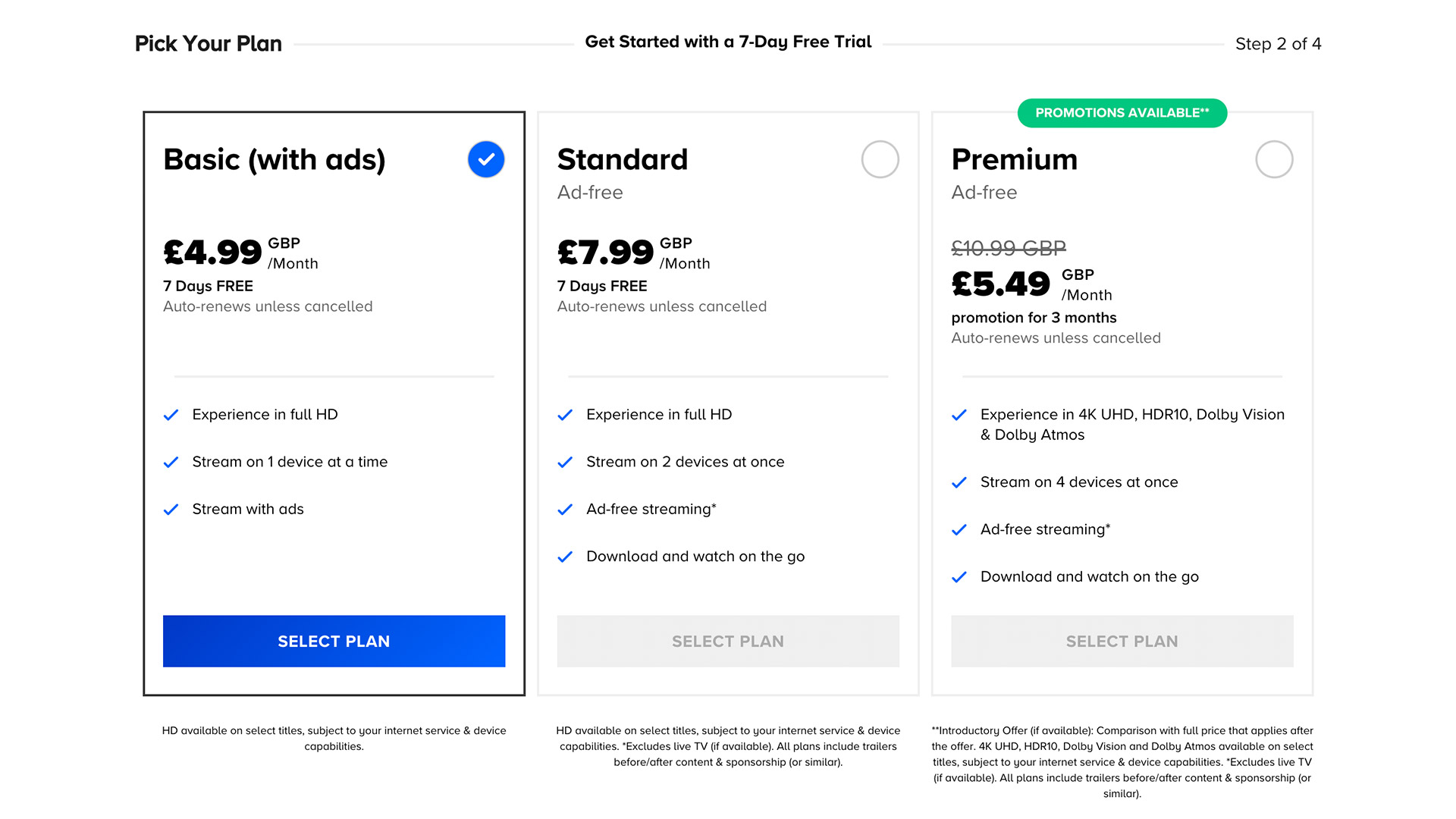
Understanding the Paramount+ Pricing Tiers: Essential vs. Premium
Paramount Global has streamlined its offering into two primary tiers, each designed to capture a different segment of the consumer market based on price sensitivity and viewing preferences. For those managing a strict personal budget, choosing the right tier is the first step in optimizing digital spending.
The Paramount+ Essential Plan: The Budget-Conscious Entry Point
The “Essential” plan is the entry-level offering, currently priced at approximately $7.99 per month. From a financial perspective, this tier represents the “ad-supported” model that has become the industry standard for maintaining low consumer costs while generating auxiliary revenue for the provider.
The Essential plan provides access to the vast majority of the Paramount library, including NFL on CBS and 24/7 live news via CBS News. However, the financial trade-off is the inclusion of limited commercial interruptions. For the viewer, this is a calculation of “time versus money.” By opting for the Essential plan, a household saves roughly $60 per year compared to the premium tier, though they “pay” for that saving with the time spent watching advertisements.
Paramount+ with SHOWTIME: The Premium Investment
The upper-tier offering, known as “Paramount+ with SHOWTIME,” is currently priced at $12.99 per month. This tier is not merely an ad-free version of the Essential plan; it is a consolidated financial product that merges two previously separate subscriptions.
From a value-proposition standpoint, this tier includes the full Showtime library, live feeds of local CBS stations, and the ability to download content for offline viewing. For consumers who previously paid for Showtime as a standalone add-on (often costing $10.99 on its own), this integrated price point represents a significant “bundle discount.” Financially, this tier is targeted at power users—those who view streaming as their primary source of entertainment and value the removal of advertising friction and the inclusion of premium cinematic content.
Strategic Bundling and Annual Savings: Maximizing Your Investment
In the realm of personal finance, the “sticker price” is rarely the final word. Savvy consumers look for ways to lower their “effective rate” through long-term commitments and cross-platform partnerships.
Monthly vs. Annual Billing: The Mathematical Advantage
One of the simplest ways to reduce the cost of Paramount Plus is to shift from a monthly liquidity mindset to an annual investment mindset. Paramount+ offers annual versions of both its Essential and SHOWTIME tiers, typically priced at $59.99 and $119.99 per year, respectively.
When you break down the math, the annual Essential plan averages out to roughly $5.00 per month, compared to the $7.99 monthly rate. This represents a savings of approximately 37%. For the Premium tier, the annual cost averages to about $10.00 per month, a savings of nearly 23% over the monthly billing cycle. From an accounting perspective, paying upfront for the year eliminates “subscription creep” and provides a guaranteed rate of return on your entertainment budget by lowering the total cost of ownership.
The Paramount+ and Walmart+ Partnership
In a strategic move to gain market share, Paramount has partnered with retail giant Walmart. A subscription to “Walmart+,” which costs $98 per year (or $12.95 monthly), includes a Paramount+ Essential subscription at no additional cost.
For a household that already utilizes Walmart for groceries and household goods, the financial logic is undeniable. If you were already planning to pay for Paramount+ Essential ($60/year), the effective cost of the Walmart+ membership (which includes free shipping and fuel discounts) drops to just $38 per year. This type of “cross-industry bundling” is an essential component of modern financial planning, allowing consumers to stack benefits across different areas of their discretionary and non-discretionary spending.
The Hidden Costs and Value Propositions: Is it Worth Your Budget?
To determine if Paramount Plus is a sound financial decision, one must look beyond the monthly fee and evaluate the “cost-per-hour” of entertainment and how it compares to the broader market.
Comparative Analysis: Paramount+ vs. The Competition
When placed alongside its peers, Paramount+ occupies the “mid-tier” of the streaming market’s pricing spectrum.
- Netflix: Their standard ad-free plan is significantly higher, often hovering around $15.49–$22.99.
- Disney Bundle: Often priced between $14.99 and $24.99 depending on the inclusion of Hulu and ESPN+.
- Max (formerly HBO Max): Usually starts at $9.99 for ads and scales up to $20.99 for Ultimate Ad-Free.
Financially, Paramount+ positions itself as a high-value “utility” service. Because it includes live sports (NFL) and local news in its premium tier, it serves as a budget-friendly alternative to a $70/month YouTube TV or FuboTV subscription. For the consumer looking to cut the cord, moving from a $150/month cable bill to a $12.99 Paramount+ subscription represents a massive increase in monthly cash flow.
Evaluating the Content-to-Cost Ratio
In finance, we often look at the “underlying asset value.” For a streaming service, the asset is the library. Paramount+ boasts over 45,000 episodes and movies from brands like Nickelodeon, MTV, Comedy Central, and Smithsonian Channel.
For families, the inclusion of the Nickelodeon library provides a high “ROI” on children’s entertainment, potentially negating the need for other child-focused services. For sports fans, the access to Champions League soccer and the NFL on CBS provides a high value-to-cost ratio during the respective seasons. If a consumer uses the service for 20 hours a month, the $7.99 plan results in an entertainment cost of just $0.40 per hour—far lower than the cost of a single movie ticket or a video game rental.
Financial Management for the Modern Subscriber
The danger of low-cost services like Paramount Plus is not the individual price, but the cumulative effect of multiple “micro-transactions” on a household’s net worth over time.
Avoiding “Subscription Creep” in Your Monthly Budget
“Subscription creep” occurs when a consumer signs up for multiple low-cost services, only to find that their total digital spend exceeds their old cable bill. To manage this financially, it is recommended to treat streaming services as “rotating assets” rather than permanent fixtures.
Because Paramount+ does not require a long-term contract for its monthly plans, a financially savvy user can subscribe during the NFL season or when a specific series (like Yellowstone spin-offs) is airing, and then cancel once the value proposition diminishes. This “active management” of subscriptions ensures that you are only paying for what you are currently consuming, keeping your discretionary spending lean.
Leveraging Trial Periods and Seasonal Discounts
Paramount+ is known for its aggressive promotional cycles. It is common to find “one month free” codes or deep discounts during Black Friday or back-to-school seasons. From a money-management perspective, these promotions are an excellent way to test the “utility” of the service without a capital outlay.
Furthermore, many credit card issuers (such as American Express or Chase) frequently offer “cash-back” rewards or “statement credits” for streaming services. Checking your financial dashboard for these “merchant offers” can often subsidize the cost of the subscription by 10% to 50%, further optimizing the household’s financial health.

Conclusion: The Bottom Line on Paramount+
So, how much is Paramount Plus? While the nominal cost is $7.99 or $12.99 per month, the real cost is a variable determined by your ability to leverage annual plans, bundles, and promotional offers.
In the broader context of personal finance, Paramount+ represents a versatile tool for entertainment budgeting. It offers a low-cost entry point for the frugal consumer and a consolidated premium package for those seeking to maximize their “home-body” entertainment value. By viewing the service not just as a collection of shows, but as a line item in a strategic financial plan, consumers can enjoy high-quality content while maintaining a disciplined approach to their digital expenses. In the 21st-century economy, the goal is not just to be entertained, but to be entertained at the highest possible efficiency.
aViewFromTheCave is a participant in the Amazon Services LLC Associates Program, an affiliate advertising program designed to provide a means for sites to earn advertising fees by advertising and linking to Amazon.com. Amazon, the Amazon logo, AmazonSupply, and the AmazonSupply logo are trademarks of Amazon.com, Inc. or its affiliates. As an Amazon Associate we earn affiliate commissions from qualifying purchases.