
Navigating the landscape of medical insurance is one of the most significant financial challenges facing individuals and business owners today. The question “how much is medical insurance?” does not have a single, static answer; rather, it is a variable figure influenced by age, geography, plan design, and tax subsidies. In the context of personal finance and wealth management, health insurance is not merely a monthly bill—it is a critical tool for risk mitigation and capital preservation. Without adequate coverage, a single medical emergency can liquidate years of savings and investment growth.
Understanding the true cost of medical insurance requires looking beyond the monthly premium to the “total cost of care.” This guide breaks down the financial components of health insurance, explores strategies to reduce costs, and analyzes how to integrate healthcare expenses into a robust financial plan.
Understanding the Factors That Determine Monthly Premiums
The premium is the fixed amount you pay every month to keep your insurance policy active. While it is the most visible cost, it is determined by a specific set of variables regulated by federal and state laws. From a budgetary perspective, understanding these drivers helps you predict future cost escalations.
The Impact of Age and Household Size
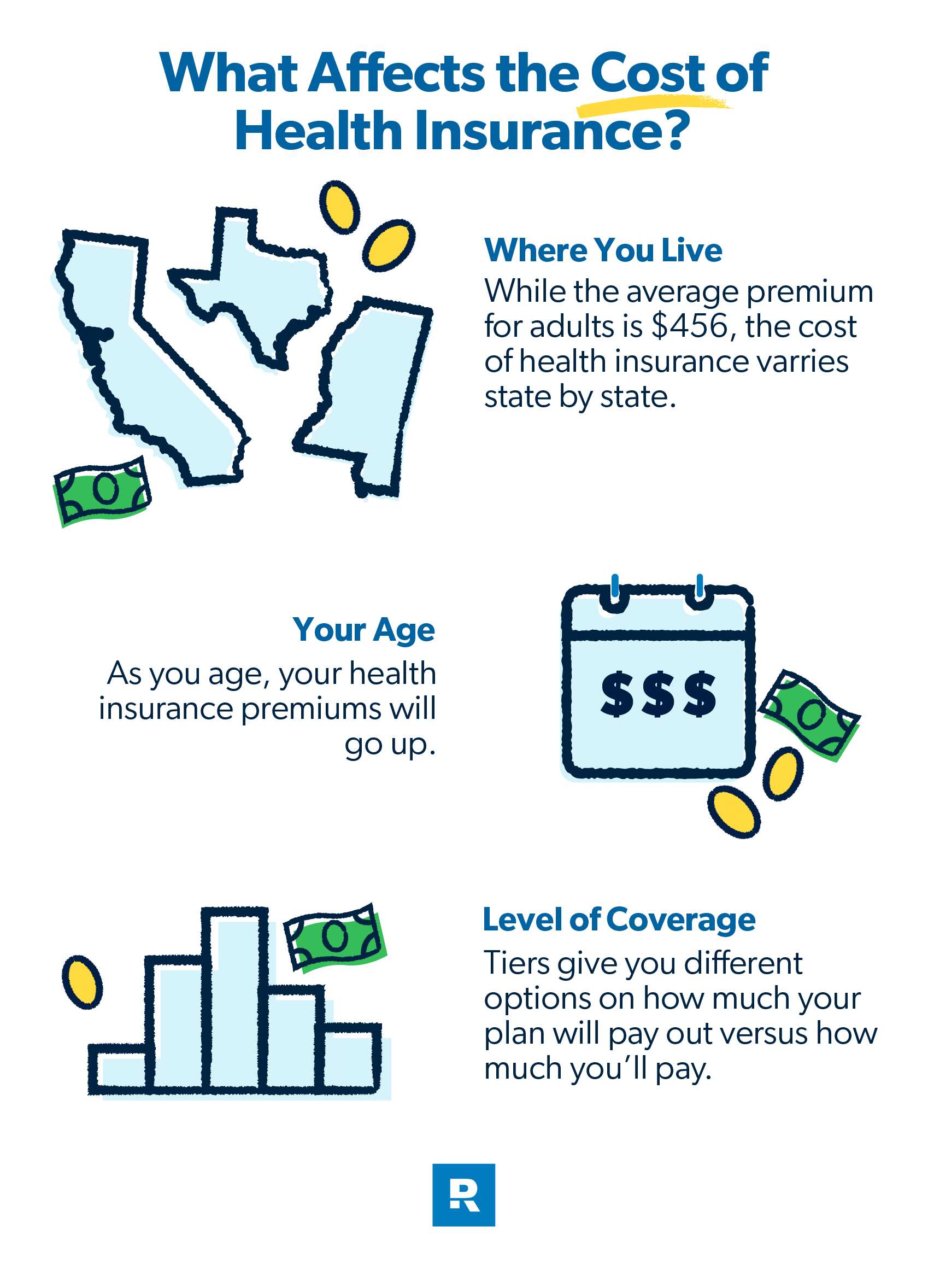
In most insurance markets, age is the primary determinant of cost. Under current regulations, insurers are permitted to charge older individuals more than younger ones, usually up to a 3:1 ratio. For a young professional in their 20s, a premium might be relatively low, but as one moves into their 50s and 60s, these costs can consume a significant portion of discretionary income. Additionally, adding dependents—spouses or children—linearly increases the premium, making family plans a substantial line item in a household budget.
Geographic Rating Areas
Where you live significantly impacts your medical insurance costs. Insurance companies set prices based on the local cost of living, the level of competition among healthcare providers in the area, and state-level regulations. For example, a resident of a rural area with only one major hospital system may face higher premiums than someone in a major metropolitan area with dozens of competing networks. Financial planners often suggest factoring these “geographic rating areas” into the decision-making process when considering relocation for retirement or remote work.
The Metal Tier System: Balancing Premiums and Risk
Most individual and small-business plans are categorized into “Metal Tiers”—Bronze, Silver, Gold, and Platinum. These tiers do not reflect the quality of medical care, but rather the actuarial value of the plan.
- Bronze Plans: Generally have the lowest monthly premiums but the highest out-of-pocket costs when you receive care.
- Silver Plans: Occupy the middle ground and are often the only plans eligible for cost-sharing reductions.
- Gold and Platinum Plans: Feature high monthly premiums but very low deductibles and co-pays, making them ideal for individuals with known, ongoing medical expenses.
The Hidden Math: Navigating Out-of-Pocket Obligations
To answer “how much is medical insurance,” one must calculate the potential out-of-pocket costs that occur when you actually use the healthcare system. For many, these “hidden” costs are more impactful than the premium itself.
Deductibles and the Threshold of Coverage
The deductible is the amount you must pay out of your own pocket for covered health care services before your insurance plan begins to pay. In the current financial climate, High-Deductible Health Plans (HDHPs) have become common. While they lower your monthly fixed costs, they require you to have a liquid emergency fund available to cover the deductible—which can range from $1,500 to over $8,000 for individuals—before the insurance company contributes a single dollar to your claims.
Copayments and Coinsurance
Once the deductible is met, you enter the “cost-sharing” phase. This is usually structured as either a copayment (a fixed dollar amount, such as $30 for a specialist visit) or coinsurance (a percentage of the total cost, such as 20% of a hospital bill). From a cash-flow perspective, coinsurance is the more volatile variable. A 20% coinsurance on a $50,000 surgery is $10,000, which can be a devastating blow to a person’s short-term financial stability if not properly anticipated.
The Out-of-Pocket Maximum: Your Financial Safety Net
The most critical figure for any investor or saver to identify is the “Out-of-Pocket Maximum.” This is the absolute limit on what you will pay in a calendar year for covered services. Once you hit this limit, the insurance company pays 100% of allowed charges. When calculating your “worst-case scenario” for annual budgeting, you should always sum your total annual premiums plus the out-of-pocket maximum. This represents your maximum financial exposure to health-related risks.

Strategic Tax Tools and Subsidies to Lower Costs
For those focused on maximizing their net worth, health insurance should be viewed through the lens of tax efficiency. There are several mechanisms available to reduce the effective cost of medical insurance.
Health Savings Accounts (HSAs) and the Triple Tax Advantage
If you choose a High-Deductible Health Plan, you gain eligibility for a Health Savings Account (HSA). In the world of personal finance, the HSA is often considered the most powerful investment vehicle available. It offers a “triple tax advantage”:
- Tax-Deductible Contributions: Money goes in pre-tax, reducing your taxable income.
- Tax-Deferred Growth: Any interest or investment gains within the account are not taxed.
- Tax-Free Withdrawals: If the money is used for qualified medical expenses, it is never taxed.
By utilizing an HSA, you are essentially paying for your “out-of-pocket” costs with discounted dollars, significantly lowering the overall cost of your healthcare.
Premium Tax Credits and Subsidies
For individuals purchasing insurance through the Health Insurance Marketplace, the cost is often offset by the Premium Tax Credit. This is a refundable credit that helps eligible individuals and families with low to moderate income afford health insurance. The amount of the credit is based on your estimated household income for the year. Strategically managing your Modified Adjusted Gross Income (MAGI)—perhaps by increasing retirement contributions—can sometimes lower your income enough to qualify for higher subsidies, effectively saving thousands of dollars in annual premiums.
Flexible Spending Accounts (FSAs)
Similar to HSAs, FSAs allow employees to set aside pre-tax dollars for medical expenses. While they lack the long-term investment potential of an HSA (due to the “use it or lose it” rule), they are an excellent tool for budgeting for known annual costs like dental work, vision care, or prescription medications.
Corporate vs. Individual Markets: A Cost Comparison
The source of your insurance—whether through an employer or the private market—fundamentally changes the math of “how much” you pay.
The Benefit of Employer-Sponsored Insurance
Most Americans receive health insurance through their employers. In this model, the employer typically subsidizes 60% to 80% of the premium cost. This “hidden” compensation is a major component of a professional’s total rewards package. When evaluating a job offer, one must look past the salary and calculate the value of the health insurance subsidy. A higher salary at a firm with a poor insurance plan might actually result in lower “net” pay after healthcare costs are deducted.
The Individual Marketplace and the “Freelancer’s Tax”
For entrepreneurs, freelancers, and small business owners, the full burden of the premium falls on the individual. This is often referred to as a significant hurdle to “financial independence.” Without an employer subsidy, premiums can feel prohibitively expensive. However, business owners can often deduct 100% of their health insurance premiums from their federal taxes, which serves as a vital “above-the-line” deduction to offset the higher costs of the individual market.
How to Choose a Plan Based on Your Financial Profile
The “cheapest” plan is rarely the one with the lowest monthly premium. To make an informed financial decision, you must perform a “Break-Even Analysis.”
High-Usage vs. Low-Usage Scenarios
If you are generally healthy and rarely visit the doctor, a Bronze plan or an HDHP with an HSA is likely the most efficient use of your capital. You save on premiums and invest the difference. However, if you have a chronic condition, take expensive medications, or are planning to start a family, a Gold or Platinum plan—despite the high monthly cost—will likely save you money in the long run by providing much lower “per-service” costs.
Network Considerations and Out-of-Network Costs
The financial efficiency of a plan is also tied to its network (HMO, PPO, or EPO). An HMO might have the lowest premium, but it requires you to stay within a strict network. If you see a provider outside that network, you may be responsible for 100% of the bill. A PPO offers more flexibility but at a higher price point. From a risk-management perspective, ensuring your preferred doctors and facilities are “in-network” is essential to avoid catastrophic out-of-network billing.

Conclusion: Medical Insurance as a Cornerstone of Wealth Management
How much medical insurance costs is ultimately a function of how much risk you are willing to retain versus how much you are willing to transfer to an insurance company. By understanding premiums, deductibles, out-of-pocket maximums, and tax-advantaged accounts, you can transform healthcare from an unpredictable expense into a managed component of your financial life. In the pursuit of long-term wealth, the goal is not just to find the lowest premium, but to find the plan that offers the best protection for your assets and the highest efficiency for your tax strategy.
aViewFromTheCave is a participant in the Amazon Services LLC Associates Program, an affiliate advertising program designed to provide a means for sites to earn advertising fees by advertising and linking to Amazon.com. Amazon, the Amazon logo, AmazonSupply, and the AmazonSupply logo are trademarks of Amazon.com, Inc. or its affiliates. As an Amazon Associate we earn affiliate commissions from qualifying purchases.