
Navigating the landscape of health insurance costs can feel like deciphering a complex financial puzzle. For many, understanding the “how much” is not just about a monthly premium; it’s about grasping deductibles, copayments, coinsurance, and the multitude of factors that influence these figures. Health insurance is a critical component of personal financial planning, providing a vital safety net against the unpredictable and often exorbitant costs of medical care. Without it, a single illness or accident can lead to devastating financial ruin.
This article aims to demystify health insurance costs, breaking down the various components that contribute to your overall expenses. We’ll explore the core elements of a health insurance plan, different types of plans available, the demographic and lifestyle factors that impact your premiums, and practical strategies for managing and potentially reducing your healthcare outlays. Ultimately, understanding these aspects is key to making informed decisions that safeguard both your health and your financial well-being.
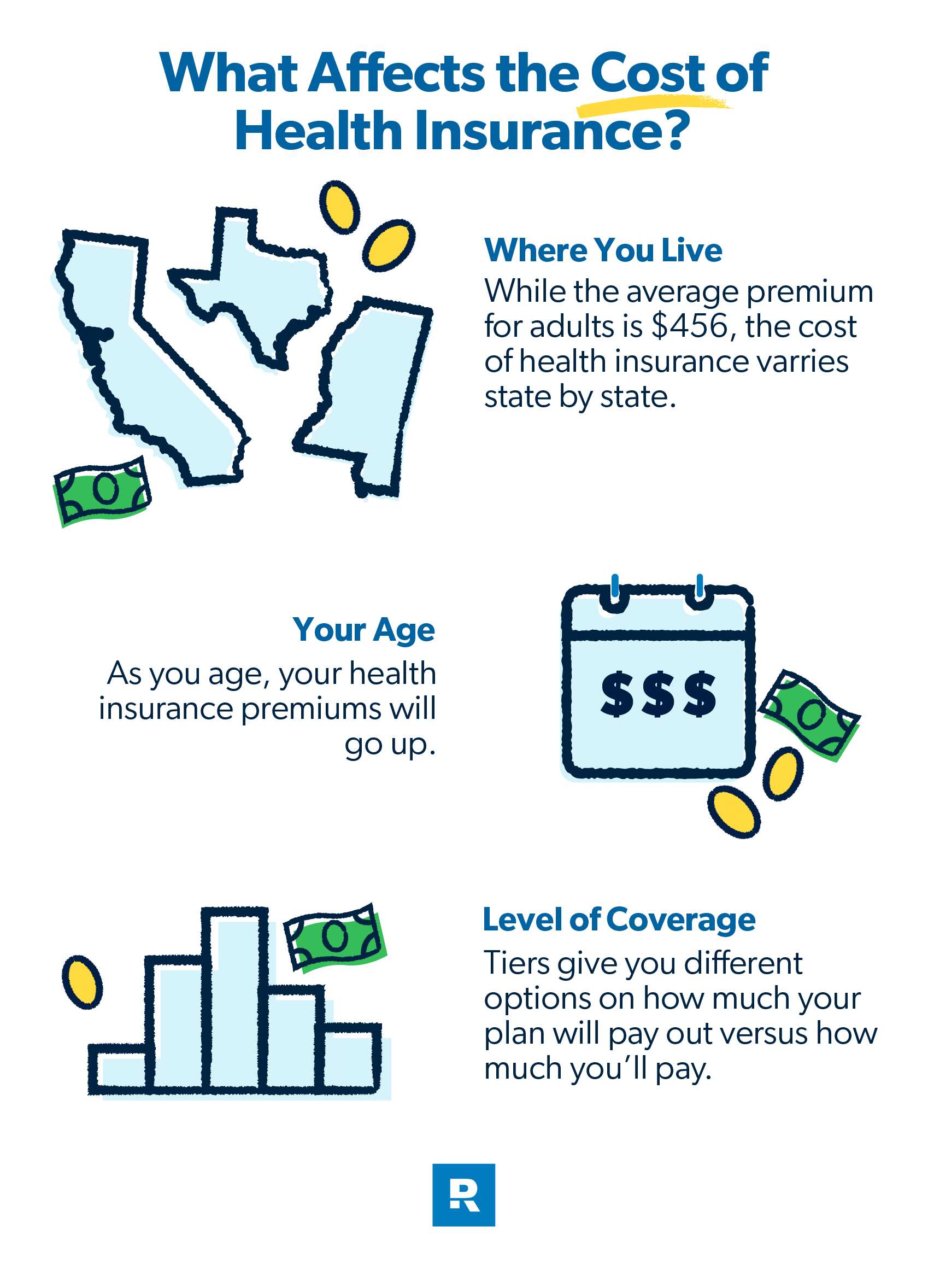
Understanding the Core Factors Influencing Health Insurance Costs
When you ask, “How much is health insurance?”, the answer is never a single, straightforward number. Instead, it’s a dynamic sum influenced by several interconnected financial components that determine your total out-of-pocket spending.
Premiums: Your Regular Payment
Premiums are the most visible cost associated with health insurance. This is the amount you pay regularly – typically monthly – to your insurance company in exchange for coverage. Think of it as a subscription fee for access to medical care and financial protection. Premiums are influenced by a variety of factors including your age, where you live, the type of plan you choose, your tobacco use status, and the number of people covered under the policy. Generally, plans with lower premiums often come with higher out-of-pocket costs when you actually use medical services, while higher-premium plans usually offer more comprehensive coverage and lower costs at the point of care.
Deductibles: The Out-of-Pocket Threshold
A deductible is the amount of money you must pay out of your own pocket for covered medical services before your insurance company begins to pay. For example, if your plan has a $2,000 deductible, you’ll be responsible for the first $2,000 in medical costs (excluding preventive care, which is often covered 100% before the deductible) within your policy year. Once you’ve paid that amount, your insurance coverage kicks in. Plans with lower monthly premiums typically have higher deductibles, requiring you to pay more upfront when you need care. Conversely, plans with higher monthly premiums often have lower deductibles, meaning the insurer starts contributing sooner. This trade-off is a crucial consideration in budgeting for potential medical expenses.
Copayments and Coinsurance: Shared Costs
Even after your deductible is met, you’re usually not entirely free from costs. Copayments (copays) and coinsurance are two common ways you continue to share the cost of care with your insurer. A copay is a fixed amount you pay for a covered health service, such as a doctor’s visit or a prescription drug, after you’ve paid your deductible (though some plans offer copays for certain services before the deductible is met). Coinsurance, on the other hand, is a percentage of the cost of a covered health service that you pay after you’ve met your deductible. For instance, if your plan pays 80% for a service, you would be responsible for the remaining 20%. Both copays and coinsurance contribute to your overall out-of-pocket expenses and vary significantly between different plan types.
Out-of-Pocket Maximum: Your Financial Safety Net
The out-of-pocket maximum (or limit) is a crucial protective feature of health insurance plans. This is the absolute most you will have to pay for covered medical services in a policy year. Once you reach this limit through your deductibles, copayments, and coinsurance, your insurance company will pay 100% of the costs for all covered services for the remainder of the policy year. This limit protects you from catastrophic medical bills in the event of a serious illness or accident, providing a critical financial safety net and predictable cap on your healthcare spending for the year.
Types of Health Insurance Plans and Their Cost Implications
The type of health insurance plan you choose significantly impacts both your monthly premiums and your out-of-pocket costs when you seek care. Understanding the differences is key to selecting a plan that aligns with your financial comfort and healthcare preferences.
HMOs (Health Maintenance Organizations)
HMO plans typically have lower monthly premiums compared to other plan types. They require you to choose a primary care physician (PCP) within their network who then refers you to specialists if needed. You generally pay lower out-of-pocket costs for in-network care, but care received outside the network (except for emergencies) is usually not covered. This structure offers a more coordinated approach to care but with less flexibility in provider choice.
PPOs (Preferred Provider Organizations)
PPO plans offer more flexibility than HMOs. You typically don’t need a referral from a PCP to see a specialist, and you have the option to receive care from both in-network and out-of-network providers. However, staying within the network usually results in lower costs. PPO plans generally come with higher monthly premiums than HMOs, reflecting this greater freedom of choice.
EPOs (Exclusive Provider Organizations)
EPO plans combine features of both HMOs and PPOs. Like an HMO, you typically don’t need a referral to see a specialist, but you must stay within the plan’s network of doctors and hospitals for covered care (except in emergencies). There’s no coverage for out-of-network care. EPOs often have premiums that fall between HMOs and PPOs, offering a balance of flexibility and cost.
POS (Point of Service) Plans
POS plans are a hybrid model. Similar to HMOs, you usually need to select a PCP and get referrals for specialists. However, like PPOs, you have the option to go out-of-network for care, albeit at a higher cost. POS plans offer more flexibility than HMOs but generally have higher premiums.
HDHPs (High-Deductible Health Plans) and HSAs/HRAs
High-Deductible Health Plans (HDHPs) are characterized by lower monthly premiums but higher deductibles. These plans are often paired with a Health Savings Account (HSA) or Health Reimbursement Arrangement (HRA). An HSA is a tax-advantaged savings account that you own, used for qualified medical expenses. Contributions are tax-deductible, funds grow tax-free, and withdrawals for medical expenses are tax-free. HRAs are employer-owned accounts that reimburse employees for medical expenses. HDHPs with HSAs are particularly attractive for those who anticipate low medical costs and want to save for future healthcare expenses with tax benefits.
Catastrophic Plans
Catastrophic plans are available only to individuals under 30 or those with a hardship exemption. They have very low monthly premiums but extremely high deductibles. These plans are primarily designed to protect you from the financial devastation of a major illness or injury, covering essential health benefits once the high deductible is met. They are a last resort for financial protection against unexpected, severe medical events.
Key Demographic and Lifestyle Factors Affecting Your Premiums
Beyond the structure of the insurance plan itself, several personal factors play a significant role in determining how much you’ll pay for health insurance. These factors are regulated by law, particularly under the Affordable Care Act (ACA), but still allow for variation.
Age
Your age is one of the primary drivers of health insurance premiums. Generally, as you get older, your premiums increase. This is because older individuals statistically tend to require more medical care. Under the ACA, insurers can charge older adults up to three times more than younger adults for the same plan, but this “age rating” is capped to prevent excessive charges.

Location (State and Rating Area)
Where you live profoundly impacts your premium costs. Health insurance costs vary by state, county, and even specific “rating areas” within a state. This variation is due to several factors, including the local cost of healthcare services, the number of hospitals and providers in the area, the level of competition among insurance companies, and state-specific regulations and mandates. A state with higher healthcare costs or fewer competing insurers will likely see higher premiums.
Tobacco Use
If you use tobacco products, insurers are permitted to charge you higher premiums. Under the ACA, insurers can charge tobacco users up to 50% more than non-tobacco users. This surcharge is intended to account for the increased health risks and associated medical costs linked to tobacco consumption. Disclosing your tobacco use status accurately is essential, as misrepresentation can lead to issues with coverage.
Plan Category (Metal Tiers: Bronze, Silver, Gold, Platinum)
On the Health Insurance Marketplace (healthcare.gov), plans are categorized into metal tiers: Bronze, Silver, Gold, and Platinum. These tiers reflect the actuarial value of the plan, which is the average percentage of healthcare costs the plan is expected to cover.
- Bronze plans have the lowest monthly premiums but the highest deductibles and out-of-pocket costs, covering approximately 60% of costs.
- Silver plans have moderate premiums and moderate out-of-pocket costs, covering about 70% of costs. They are also the only tier eligible for cost-sharing reductions if you qualify based on income.
- Gold plans have higher monthly premiums but lower deductibles and out-of-pocket costs, covering about 80% of costs.
- Platinum plans have the highest monthly premiums but the lowest deductibles and out-of-pocket costs, covering about 90% of costs.
The choice of tier depends on your anticipated healthcare needs and your comfort level with trading higher upfront costs for lower point-of-care expenses, or vice-versa.
Number of People Covered
Finally, the number of individuals covered by your policy directly affects the premium. An individual plan will naturally be less expensive than a family plan covering a spouse and/or children. Each additional person added to the policy will increase the overall premium, though often at a lower per-person rate than if each individual purchased a separate policy.
Strategies for Managing and Reducing Health Insurance Costs
While health insurance is a significant expense, there are several proactive steps you can take to manage and potentially reduce your costs, ensuring you get the best value for your money.
Utilize the Health Insurance Marketplace (Healthcare.gov)
The Health Insurance Marketplace is a crucial resource for individuals and families who don’t have access to employer-sponsored health coverage. It allows you to compare plans from various insurers side-by-side. Crucially, many individuals and families qualify for government subsidies in the form of premium tax credits and cost-sharing reductions, which can significantly lower your monthly premiums and out-of-pocket expenses. It’s essential to input your income accurately to see if you qualify.
Explore Employer-Sponsored Plans
If your employer offers health insurance, it’s often your most affordable option. Employers typically contribute a substantial portion of the premium, making these plans much less expensive than those purchased directly from the marketplace or private insurers. Employer plans often come with a variety of choices and may also include additional benefits like dental or vision coverage.
Investigate Government Programs
Depending on your income and other circumstances, you might be eligible for government-sponsored health programs. Medicaid provides low-cost or free health coverage to low-income adults, children, pregnant women, and people with disabilities. The Children’s Health Insurance Program (CHIP) offers low-cost health coverage for children in families who earn too much for Medicaid but cannot afford private insurance. Medicare is a federal health insurance program for people 65 or older, certain younger people with disabilities, and people with End-Stage Renal Disease. Understanding your eligibility for these programs can unlock substantial savings.
Consider HSAs/HRAs with HDHPs
As discussed, High-Deductible Health Plans (HDHPs) combined with Health Savings Accounts (HSAs) can be a powerful financial tool. While the deductible is higher, the lower premiums can save you money if your medical needs are minimal. The tax-advantaged nature of an HSA allows you to save and invest money specifically for healthcare costs, potentially growing a substantial fund over time for future medical expenses, including those in retirement.
Focus on Preventive Care
An ounce of prevention is truly worth a pound of cure, both for your health and your finances. Many health insurance plans, especially those compliant with the ACA, cover a wide range of preventive services at no additional cost (no copay or deductible). This includes annual physicals, vaccinations, certain screenings (e.g., mammograms, colonoscopies), and wellness visits. By taking advantage of preventive care, you can catch potential health issues early, often preventing them from escalating into more serious, and costly, conditions.
Review and Re-evaluate Annually
Your health needs and financial situation can change, and so can the health insurance market. It’s wise to review your health insurance plan during the annual open enrollment period. Compare your current plan to new offerings, assess whether your current coverage still meets your needs, and look for opportunities to save money. Even if you’re happy with your current plan, check for any changes in premiums, deductibles, or network providers.
The True Value Beyond the Premium: Why Health Insurance is Essential
While the monthly premium and potential out-of-pocket costs can seem daunting, it’s crucial to look beyond these figures and recognize the profound value and necessity of health insurance. It’s not just another bill; it’s an investment in your physical and financial well-being.
Protection Against Catastrophic Costs
The most significant benefit of health insurance is its ability to protect you from catastrophic medical expenses. An unexpected emergency, a serious illness, or a chronic condition can quickly lead to hundreds of thousands of dollars in medical bills. Without insurance, such events are a leading cause of personal bankruptcy. The out-of-pocket maximum on your plan acts as a critical ceiling, ensuring that no matter how severe your medical needs, your financial liability for covered services has a definitive limit.
Access to Necessary Medical Care
Beyond emergencies, health insurance ensures you have access to the routine and specialized care you need. This includes regular doctor visits, specialist consultations, prescription medications, laboratory tests, mental health services, and rehabilitation therapies. Without insurance, many individuals delay or forgo necessary medical attention due to cost concerns, which can lead to poorer health outcomes and more expensive interventions down the line.
Peace of Mind
Perhaps an understated benefit, the peace of mind that comes with having health insurance is invaluable. Knowing that you and your loved ones are protected in the event of illness or injury can significantly reduce financial stress and anxiety. It allows you to focus on recovery and health, rather than worrying about crippling medical bills.
The ACA’s Essential Health Benefits
Thanks to the Affordable Care Act (ACA), all plans sold on the Marketplace (and most employer-sponsored plans) must cover ten categories of “Essential Health Benefits.” These include ambulatory patient services, emergency services, hospitalization, maternity and newborn care, mental health and substance use disorder services, prescription drugs, rehabilitative and habilitative services and devices, laboratory services, preventive and wellness services and chronic disease management, and pediatric services (including oral and vision care). This ensures a comprehensive baseline of coverage, regardless of the plan you choose.

Conclusion
Determining “how much is health insurance” involves a thorough understanding of premiums, deductibles, copayments, coinsurance, and out-of-pocket maximums, alongside the specific type of plan and personal factors influencing costs. While the financial commitment can be substantial, the protection and access to care that health insurance provides are indispensable. By actively researching options, utilizing available resources like the Health Insurance Marketplace, exploring employer benefits, and focusing on preventive care, individuals and families can make informed decisions to secure comprehensive coverage that aligns with their budget and healthcare needs, ultimately safeguarding their health and financial future.
aViewFromTheCave is a participant in the Amazon Services LLC Associates Program, an affiliate advertising program designed to provide a means for sites to earn advertising fees by advertising and linking to Amazon.com. Amazon, the Amazon logo, AmazonSupply, and the AmazonSupply logo are trademarks of Amazon.com, Inc. or its affiliates. As an Amazon Associate we earn affiliate commissions from qualifying purchases.