
When investors and financial analysts ask “how much is Google worth,” they are rarely looking for a simple dollar amount. They are inquiring about the fundamental value of one of the most complex and dominant financial engines in human history. To understand the worth of Google—legally known as Alphabet Inc.—one must look beyond the search bar and delve into market capitalization, revenue diversification, balance sheet strength, and the future cash flow potential of its vast ecosystem.
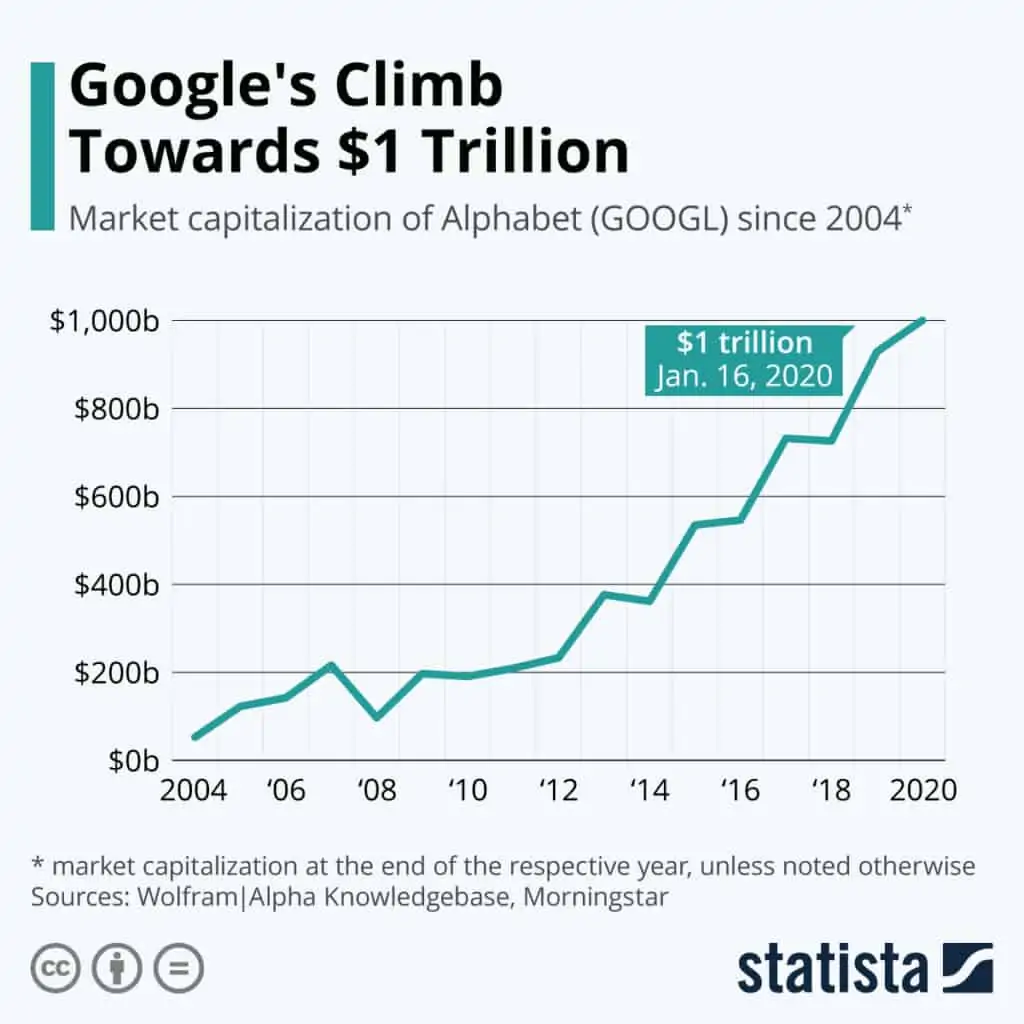
As of 2024, Alphabet Inc. consistently hovers around a market capitalization of $2 trillion, placing it in an elite tier of “mega-cap” companies that dictate the movement of global indices like the S&P 500 and the Nasdaq-100. However, the true financial “worth” of the company is a dynamic figure, built upon layers of advertising dominance, cloud infrastructure, and a massive war chest of liquid assets.
1. The Core Valuation: Understanding Market Capitalization and Revenue Streams
The most direct answer to what Google is worth is found on the stock exchange. Market capitalization is calculated by multiplying the current share price by the total number of outstanding shares. While this figure fluctuates daily based on investor sentiment, the intrinsic value of the company is rooted in its ability to generate consistent, high-margin revenue.
The Advertising Juggernaut
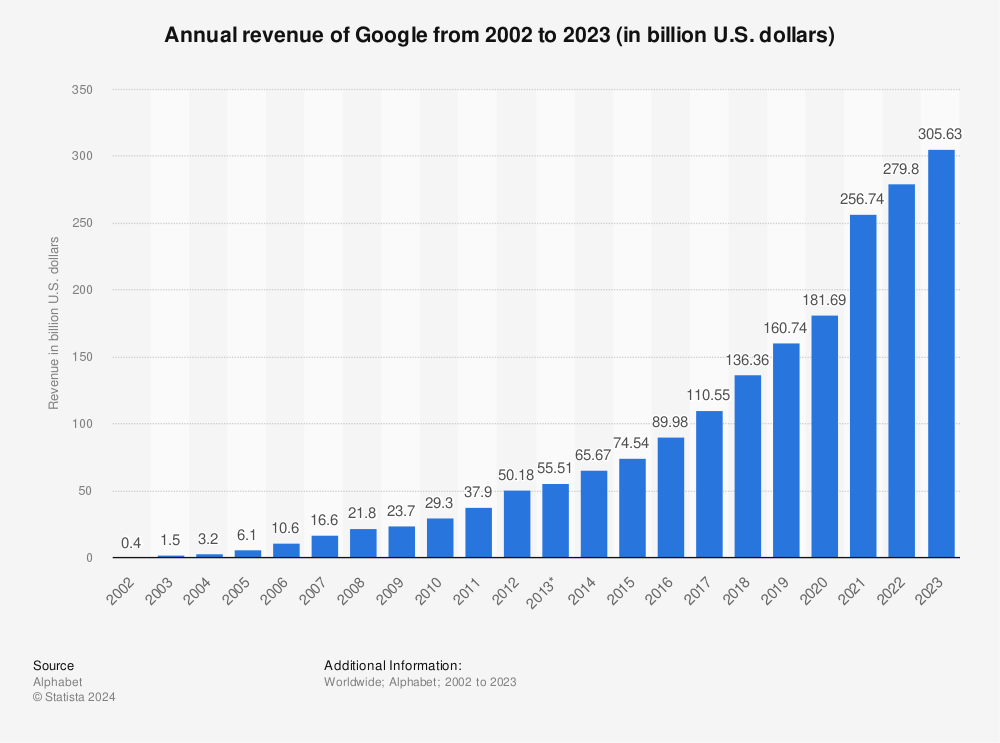
At its heart, Alphabet is an advertising company. The vast majority of its valuation is derived from Google Services, which includes Search, YouTube, and the Google Network. Google Search remains the most valuable piece of digital real estate in the world. Its “worth” in this sector is defined by its near-monopoly on intent-based search data, allowing it to command premium prices from advertisers.
YouTube, once a speculative acquisition, has grown into a financial powerhouse of its own. Analysts often suggest that if YouTube were a standalone company, it would be worth several hundred billion dollars, rivaling the valuation of traditional media giants and streaming services like Netflix. The shift toward YouTube Shorts and connected TV advertising has further solidified this revenue stream, making the “worth” of the Google ecosystem more resilient to shifts in consumer behavior.
The Rise of Google Cloud
While advertising remains the primary engine, the financial markets have increasingly tied Google’s worth to its Cloud division. For years, Google Cloud operated at a loss as it invested heavily in infrastructure to compete with Amazon Web Services (AWS) and Microsoft Azure. However, the division’s recent pivot to profitability has added a significant premium to Alphabet’s valuation. As enterprises migrate to the cloud and integrate AI-driven data analytics, Google Cloud represents the company’s fastest-growing high-margin segment, diversifying its income away from a pure reliance on ad spend.
2. Analyzing the Balance Sheet: Cash Reserves and Capital Allocation
A company’s worth is not just about what it earns, but what it keeps. Alphabet boasts one of the strongest balance sheets in the corporate world, a factor that provides a “valuation floor” during economic downturns.
Liquidity and Asset Strength
Alphabet consistently maintains a cash pile exceeding $100 billion in cash, cash equivalents, and marketable securities. This level of liquidity is a critical component of its total worth. It allows the company to self-fund massive research and development (R&D) projects, acquire emerging competitors, and weather periods of high interest rates without needing to take on expensive debt. From a value-investing perspective, this “fortress balance sheet” reduces the risk profile of the company, making it more valuable to institutional investors who prioritize capital preservation.
Share Buybacks and the Introduction of Dividends
In recent years, Alphabet has changed how it returns value to shareholders, which directly impacts its market valuation. Historically, Google reinvested all profits into growth. However, as the company matured, it began aggressive share buyback programs, often totaling $70 billion or more annually. By reducing the number of shares outstanding, the company increases the earnings per share (EPS), effectively making each remaining share more valuable.

The 2024 announcement of Alphabet’s first-ever dividend marked a significant milestone in its financial evolution. This move signaled to the market that Google has transitioned into a “cash cow” capable of both funding future innovation and providing immediate income to investors. This shift attracts a broader range of investment funds—specifically those mandated to hold dividend-paying stocks—further driving up the company’s total market value.
3. The Investment Perspective: Growth vs. Value and the “Magnificent Seven”
To determine if Google is “worth” its current price, investors use various financial metrics to compare it against its peers. In the context of the “Magnificent Seven”—the group of high-performing tech stocks including Apple, Microsoft, Amazon, Meta, Nvidia, and Tesla—Alphabet often presents a unique value proposition.
Price-to-Earnings (P/E) Analysis
When evaluating Google’s worth, analysts frequently look at the P/E ratio, which measures the share price relative to the company’s per-share earnings. Interestingly, Google often trades at a more conservative P/E ratio than Microsoft or Apple, despite having similar growth prospects in AI and cloud computing. Some financial experts argue this makes Google “undervalued” relative to its fundamental earnings power. The market’s valuation of Google reflects a balance between its massive current profits and the perceived risks to its business model.
The “Other Bets” Discount
Alphabet’s “Other Bets” segment includes moonshot projects like Waymo (autonomous driving) and Verily (life sciences). Currently, these ventures often operate at a quarterly loss, which can act as a slight drag on Alphabet’s consolidated earnings. However, the speculative worth of these companies is enormous. Waymo, for instance, is a leader in the robotaxi space. While “Other Bets” may currently represent a small fraction of Alphabet’s total revenue, the market assigns them “optionality value”—the potential for one of these bets to become a multi-billion dollar industry in the next decade.
4. Risks and Catalysts: What Could Change Google’s Worth?
The valuation of a trillion-dollar company is never static. Several financial and external factors could either significantly inflate or deflate what Google is worth in the coming years.
Regulatory Pressures and Antitrust Litigation
The greatest threat to Google’s financial worth currently stems from the legal and regulatory landscape. With ongoing antitrust lawsuits from the Department of Justice (DOJ) and the European Union, there is a tangible risk of structural changes to the company. If regulators were to force a spin-off of the Chrome browser or the Android operating system, the “conglomerate discount” might be removed, potentially unlocking more value for shareholders—or, conversely, it could disrupt the synergistic data loop that makes Google’s ads so profitable. The market currently prices in a degree of “regulatory risk,” which keeps Google’s valuation slightly lower than it might be in a completely deregulated environment.
The AI Financial Pivot
The emergence of Generative AI represents both a capital expenditure challenge and a massive revenue opportunity. To maintain its worth, Google must navigate the “cost-per-query” transition. Serving AI-generated answers is more computationally expensive than traditional search results. However, if Google successfully integrates AI into its Workspace and Cloud offerings, it creates new subscription-based revenue streams that are highly predictable and scalable. The financial market is currently watching Google’s capital expenditures (CapEx) closely; as long as the investment in AI infrastructure translates into top-line growth, the company’s worth is expected to climb.
Conclusion: The Multi-Dimensional Worth of a Digital Empire
In the final analysis, “how much is Google worth” cannot be answered by a single line on a balance sheet. From a strictly financial standpoint, it is a $2 trillion entity defined by its unrivaled ability to monetize human curiosity. Its worth is protected by a massive cash reserve, enhanced by disciplined capital allocation, and challenged by the shifting sands of artificial intelligence and global regulation.
For the individual investor or the corporate analyst, Google represents more than just a search engine; it is a diversified financial powerhouse. Its valuation reflects the market’s belief that Alphabet will remain the primary gateway to the internet’s information—and the primary recipient of the world’s digital advertising budget—for the foreseeable future. Whether through its dominant share in search, its burgeoning cloud business, or its emerging AI capabilities, the worth of Google remains a cornerstone of the modern global economy.
aViewFromTheCave is a participant in the Amazon Services LLC Associates Program, an affiliate advertising program designed to provide a means for sites to earn advertising fees by advertising and linking to Amazon.com. Amazon, the Amazon logo, AmazonSupply, and the AmazonSupply logo are trademarks of Amazon.com, Inc. or its affiliates. As an Amazon Associate we earn affiliate commissions from qualifying purchases.