
Costco Wholesale Corporation stands as a titan in the global retail landscape, renowned for its unique membership-based business model, bulk offerings, and iconic Kirkland Signature brand. For investors, financial analysts, and even curious consumers, the question “how much is Costco worth?” isn’t just about a single number; it’s an inquiry into the multifaceted financial health, operational efficiency, and future prospects of one of the world’s most successful retailers. Understanding Costco’s worth involves delving into a complex array of financial metrics, market valuations, and strategic drivers that collectively define its immense economic influence. This article will dissect the various components that contribute to Costco’s valuation, offering insights into its financial standing and what makes it such a compelling entity in the investment world.
Understanding Market Capitalization: Costco’s Primary Valuation Metric
The most common and immediate answer to “how much is Costco worth?” is its market capitalization. This figure represents the total value of a company’s outstanding shares of stock and is a direct reflection of what the market believes the company is worth at a given moment.
What is Market Cap and How is it Calculated?
Market capitalization (market cap) is calculated by multiplying a company’s current share price by the total number of its outstanding shares. For example, if Costco has 442 million shares outstanding and its stock trades at $750 per share, its market cap would be approximately $331.5 billion. This figure is dynamic, fluctuating constantly with changes in share price as investors buy and sell the stock. It provides a quick snapshot of a company’s size and perceived value within the stock market. A large market cap typically indicates a well-established, stable company that has garnered significant investor confidence.
Costco’s Current Market Cap Snapshot
While specific real-time figures fluctuate, Costco consistently ranks among the largest publicly traded companies globally, boasting a market capitalization often in the range of hundreds of billions of dollars. This places it firmly in the “mega-cap” category, signifying its massive scale and widespread investor interest. Its market cap reflects not just its current assets and earnings, but also the market’s collective expectation of its future growth, profitability, and stability. Comparing Costco’s market cap to that of other major retailers or even e-commerce giants offers a perspective on its competitive position and the premium investors place on its business model.
Factors Influencing Market Cap Fluctuations
Costco’s market capitalization is a living metric, influenced by a multitude of factors. Earnings reports, which detail revenue, profit, and membership growth, are crucial. Positive surprises often lead to stock price increases, boosting market cap, while disappointments can have the opposite effect. Broader economic trends, such as inflation, consumer spending habits, and interest rates, also play a significant role, impacting investor sentiment towards retail stocks. Furthermore, competitive developments, global expansion news, and even shifts in management can sway investor perceptions, leading to adjustments in the company’s valuation. Geopolitical events and supply chain stability can also have tangible effects on a global retailer like Costco, feeding into the continuous reassessment of its market worth.
Beyond Market Cap: Deeper Financial Health Indicators
While market cap offers a broad stroke, a truly insightful understanding of Costco’s worth requires digging deeper into its financial statements and operational strengths. These indicators reveal the underlying health and sustainability of its business.
Revenue and Profitability: The Core Drivers
Costco’s financial prowess is underpinned by consistent and robust revenue growth. Its dual revenue streams—merchandise sales and membership fees—provide a powerful combination. Merchandise sales drive volume and attract members, while the high-margin, recurring membership fees offer a stable and predictable income base. This unique model allows Costco to operate with thinner margins on its products, passing savings on to members, which in turn fosters loyalty and high retention rates. Examining trends in net sales, gross profit, and net income over several quarters and years reveals the company’s operational efficiency and ability to translate sales into shareholder value. Steady growth in these areas is a strong indicator of a healthy and valuable business.
Membership Model: A Unique Financial Moat
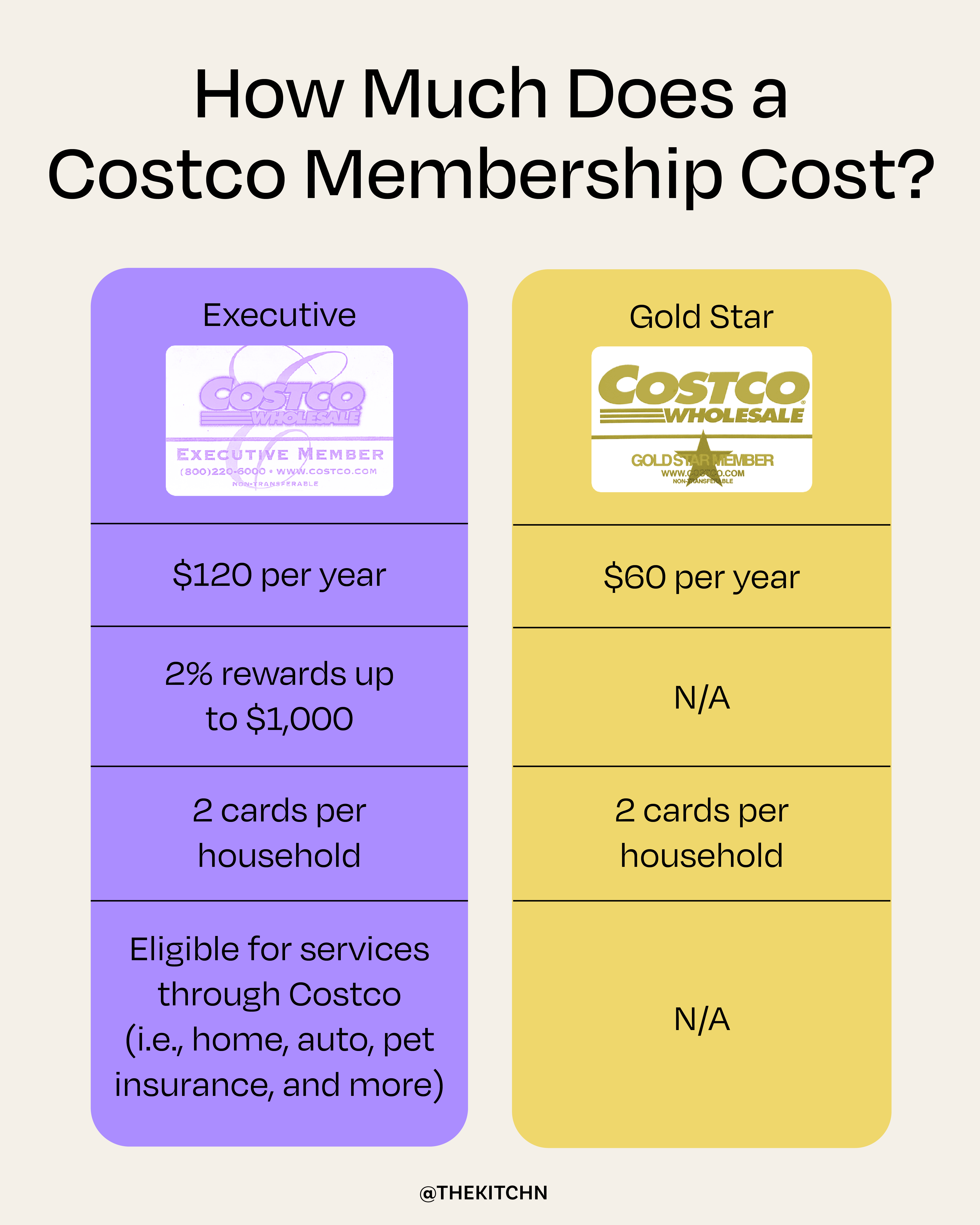
Perhaps the most distinctive and financially impactful aspect of Costco is its membership model. Annual fees, paid upfront by millions of members worldwide, generate billions in high-margin revenue. This revenue stream acts as a critical financial moat, providing a substantial and predictable cash flow that largely covers the company’s operating expenses before even selling a single item. The high member renewal rate, consistently around 90% in North America, speaks volumes about the value proposition Costco offers and the stickiness of its customer base. This predictable, recurring revenue stream significantly de-risks the business and is a key reason why investors often assign a premium valuation to Costco.
Balance Sheet Strength: Assets, Liabilities, and Equity
A strong balance sheet is foundational to a company’s long-term worth. Costco’s balance sheet typically reflects a healthy asset base, including valuable real estate holdings (many warehouses are company-owned), substantial inventory, and a solid cash position. Its liabilities, while significant due to ongoing operations and capital expenditures, are generally well-managed relative to its assets and cash flow. Shareholder equity, representing the residual value belonging to shareholders after all liabilities are paid, is substantial. A robust balance sheet provides financial flexibility, allowing Costco to invest in expansion, return capital to shareholders, and withstand economic downturns without significant distress.
Cash Flow Generation: Fueling Growth and Returns
For many investors, “cash is king,” and Costco is a prolific generator of cash flow from its operations. Strong operating cash flow indicates the company’s ability to convert sales into actual cash, which is vital for funding capital expenditures (like new warehouses), paying down debt, distributing dividends, and repurchasing shares. Costco’s consistent generation of free cash flow—cash left after capital expenditures—is a testament to its efficient operations and strong profitability. This cash flow fuels future growth and directly translates into tangible value for shareholders, reinforcing its worth as a financially sound enterprise.
Valuation Multiples and Investor Perspective
While market cap and underlying financial health are crucial, investors often use various valuation multiples to compare Costco to its peers and the broader market, helping to determine if its stock is overvalued, undervalued, or fairly priced.
Price-to-Earnings (P/E) Ratio
The Price-to-Earnings (P/E) ratio is one of the most widely used valuation metrics, comparing a company’s current share price to its earnings per share (EPS). Costco often trades at a relatively high P/E ratio compared to the average retail company. This premium P/E reflects investor confidence in its consistent earnings growth, stable business model, strong brand loyalty, and defensive characteristics during economic fluctuations. A higher P/E suggests investors are willing to pay more for each dollar of Costco’s earnings, anticipating continued strong performance and future growth.
Enterprise Value (EV) and EV/EBITDA
Enterprise Value (EV) offers a more comprehensive measure of a company’s total value, representing the entire cost to acquire a business. It’s calculated as market capitalization plus total debt, minus cash and cash equivalents. The EV/EBITDA (Earnings Before Interest, Taxes, Depreciation, and Amortization) multiple is particularly useful for comparing companies across different capital structures, as it removes the effects of financing and accounting decisions. For Costco, EV/EBITDA provides another lens through which to assess its operational profitability relative to its overall enterprise value, often revealing a healthy valuation in line with its market leadership.
Dividend Yield and Shareholder Returns
Costco is not only a growth stock but also a company that rewards its shareholders through regular and often special dividends. Its dividend policy demonstrates financial strength and a commitment to returning capital to investors. While its standard dividend yield might not be the highest in the market, the company’s track record of consistent dividend payments, complemented by large, irregular special dividends (which can be substantial, sometimes even exceeding annual dividends), significantly enhances its appeal to income-seeking investors and contributes to its overall perceived worth. These special dividends are often paid out when the company has accumulated significant excess cash, further showcasing its robust financial health.
Growth Drivers and Future Outlook
Costco’s worth is not static; it is constantly influenced by its potential for future growth and adaptation. Several strategic initiatives and market trends are poised to drive its valuation higher.
Global Expansion and Market Penetration
A significant growth driver for Costco is its continued international expansion. While well-established in North America, there remains considerable untapped potential in markets across Asia, Europe, and other regions. Opening new warehouses in these territories allows Costco to replicate its successful model, capture new member bases, and increase its global sales volume. Each new market represents an opportunity to leverage its buying power and operational expertise, contributing directly to its long-term revenue and profit growth.
E-commerce Integration and Omnichannel Strategy
While primarily known for its brick-and-mortar warehouses, Costco has been steadily investing in and refining its e-commerce capabilities. The objective is not to replace the warehouse experience but to complement it, offering members the convenience of online shopping for both bulk and everyday items. A seamless omnichannel strategy, which integrates online and in-store experiences, is crucial for retaining tech-savvy members and attracting new ones. Successful integration ensures that Costco remains competitive in an evolving retail landscape, maintaining its relevance and enhancing its overall value proposition.
Sustaining Membership Value
The core of Costco’s enduring value lies in its ability to continuously provide compelling value to its members. This includes maintaining competitive pricing on a wide range of high-quality products, consistently introducing new and exciting merchandise, and expanding its private label brand, Kirkland Signature. Kirkland Signature products, known for their quality and value, are a major differentiator and a significant draw for members. Furthermore, the expansion of ancillary services, such as gas stations, optical centers, and pharmacies, adds further value, reinforcing member loyalty and driving renewals, which in turn underpins the financial stability of the company.
Economic Resilience and Consumer Trends
Costco’s business model has demonstrated remarkable resilience across various economic cycles. Its focus on value and bulk purchasing often makes it an attractive option for consumers during periods of economic uncertainty, as households seek to stretch their budgets further. Conversely, during prosperous times, its unique product selection and experiential shopping can also appeal. This “defensive growth” characteristic makes Costco an appealing investment during different market conditions, further solidifying its long-term worth in the eyes of investors who value stability and consistent performance.

Conclusion
The question “how much is Costco worth?” is met with an answer that is as dynamic as the global economy itself. While its market capitalization provides a real-time snapshot, a comprehensive understanding requires examining the bedrock of its financial health: robust revenue and profit growth, an unparalleled membership model, a strong balance sheet, and prodigious cash flow generation. Furthermore, investor sentiment, reflected in valuation multiples like the P/E ratio, and strategic growth drivers such as international expansion and e-commerce integration, all contribute to its enduring value. Costco’s ability to consistently deliver value to its members while generating substantial returns for its shareholders underscores its status as a financial powerhouse. Its worth is a testament to a brilliantly executed business model, making it a compelling study in business finance and a formidable player in the world of investment.
aViewFromTheCave is a participant in the Amazon Services LLC Associates Program, an affiliate advertising program designed to provide a means for sites to earn advertising fees by advertising and linking to Amazon.com. Amazon, the Amazon logo, AmazonSupply, and the AmazonSupply logo are trademarks of Amazon.com, Inc. or its affiliates. As an Amazon Associate we earn affiliate commissions from qualifying purchases.