
The question “how much is a share of Google?” is one frequently asked by aspiring investors, financial enthusiasts, and those simply curious about the market value of one of the world’s most influential technology giants. However, the answer is never static. Google, officially known as Alphabet Inc. (NASDAQ: GOOGL, GOOG), is a publicly traded company, meaning its stock price fluctuates continuously throughout trading hours based on a myriad of market forces. Understanding this dynamic is the first step in appreciating the complexities and opportunities of investing in a company like Alphabet.
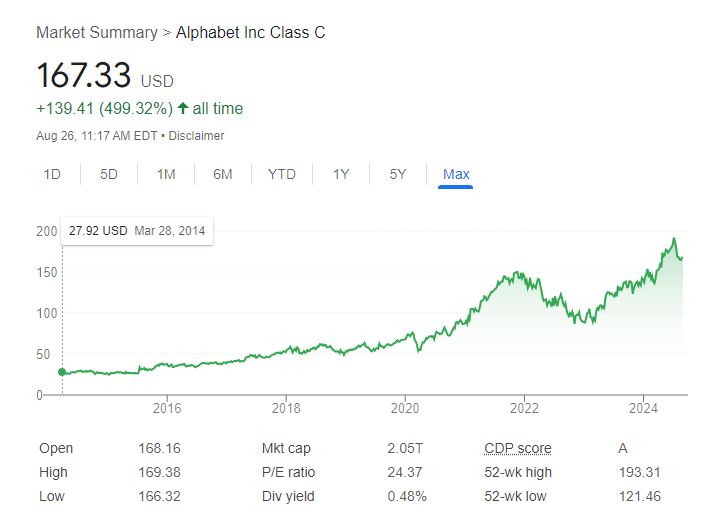
Beyond a simple quote, the price of an Alphabet share reflects investor sentiment, the company’s financial performance, its future prospects, broader economic conditions, and even geopolitical events. For an investor, knowing the current price is just the entry point; a deeper dive into what drives that price, Alphabet’s underlying business, and the practicalities of investing is crucial for making informed decisions within the realm of personal finance and investing.
The Dynamic Price of Alphabet Shares: More Than a Simple Quote
The stock market is a vibrant, real-time ecosystem where prices are determined by supply and demand. Alphabet, as a leading constituent of major indices like the Nasdaq 100 and S&P 500, is particularly sensitive to these forces. Its share price is a living, breathing metric, constantly updating to reflect new information, collective investor sentiment, and the company’s evolving narrative.
Real-time vs. Historical Context
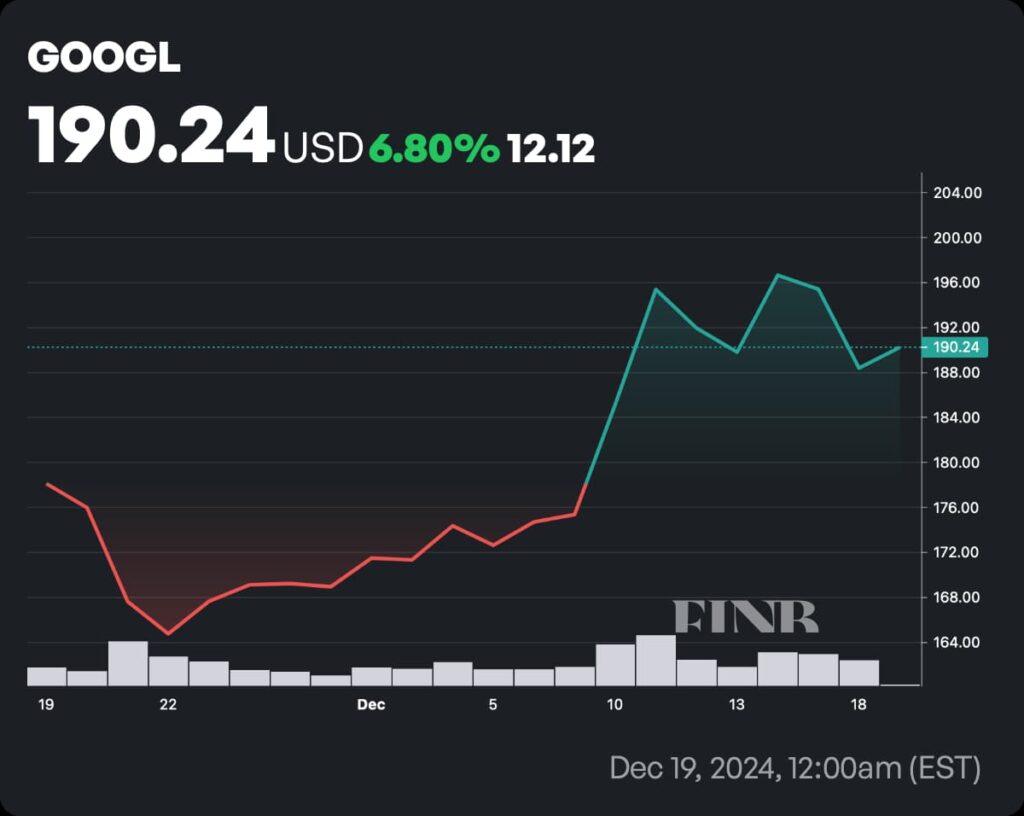
When you ask “how much is a share of Google,” you are typically looking for the real-time trading price. This can be found instantly on financial news websites (like Bloomberg, Reuters, Wall Street Journal), brokerage platforms, and even a quick Google Search for “GOOGL stock price” or “GOOG stock price.” This figure represents the last price at which a share was bought or sold. However, this single snapshot is just one data point.
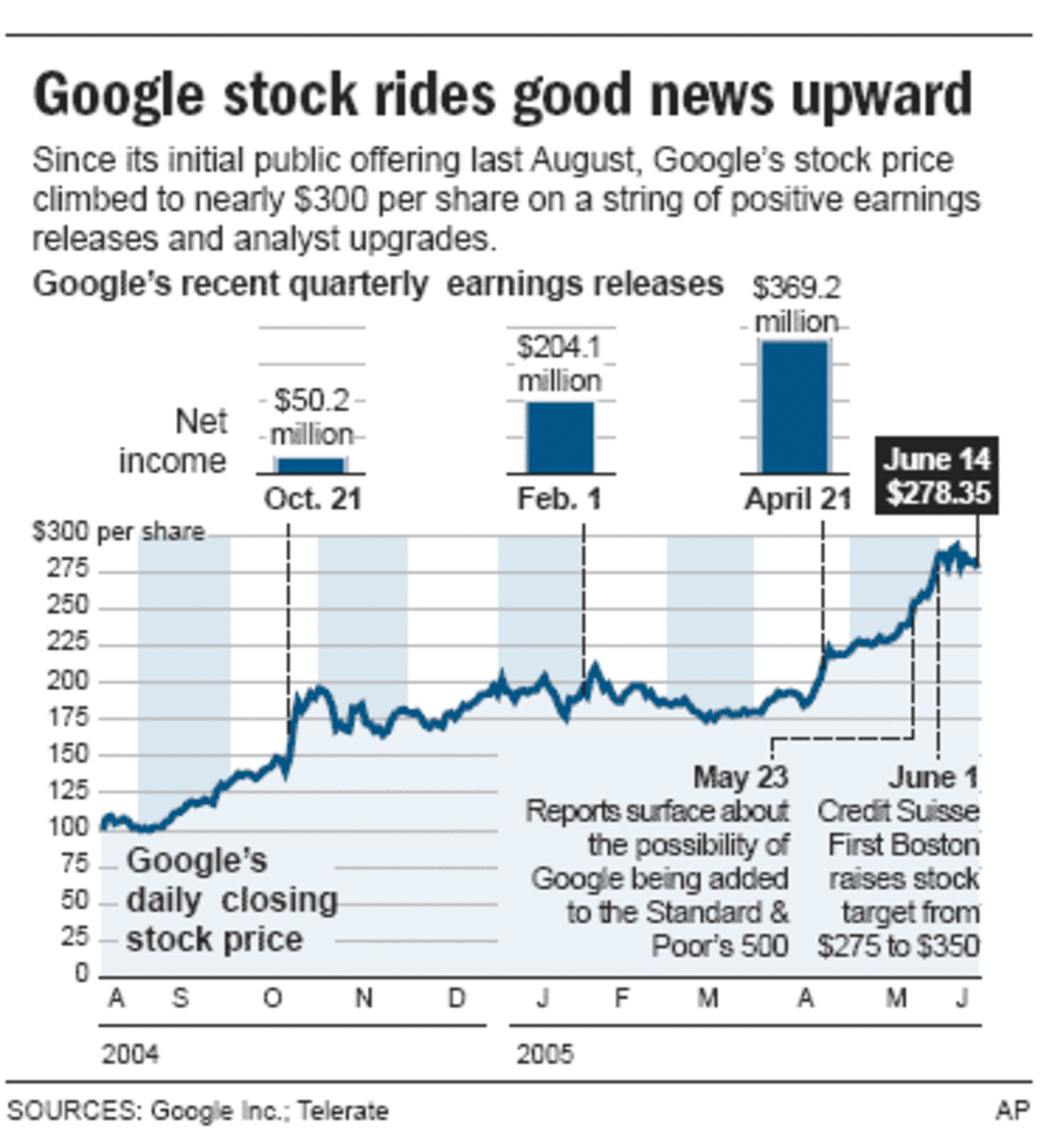
A comprehensive understanding requires looking at historical context. Investors analyze charts that show price movements over various periods: a single day (intra-day trading), one month, three months, one year, five years, or even the company’s entire public history. This helps identify trends, volatility patterns, and significant events that previously impacted the stock. For instance, a stock might be trading at X dollars today, but understanding if it’s up 50% in a year or down 20% from its all-time high provides invaluable perspective on its performance trajectory. Historical data is critical for technical analysis and understanding the stock’s typical behavior under different market conditions.
Factors Influencing Price Volatility
Alphabet’s share price is a sophisticated barometer, influenced by a diverse range of factors, both internal to the company and external market forces:
- Company Earnings Reports: Quarterly and annual financial results are paramount. Strong revenue growth, profit margins, and earnings per share (EPS) often lead to price increases, while misses can cause declines. Guidance for future performance is equally critical.
- Macroeconomic Indicators: Broader economic health, interest rate changes by central banks, inflation data, and employment figures can impact investor confidence across the board, affecting Alphabet as a large-cap stock.
- Industry News and Trends: As a tech giant, Alphabet is sensitive to trends in digital advertising, cloud computing, artificial intelligence, and regulatory environments. Innovations or setbacks in these areas can move the stock.
- Competitive Landscape: Actions by competitors (e.g., Microsoft’s Azure, Amazon’s AWS in cloud, Meta in advertising) or new disruptive technologies can shift market perception of Alphabet’s competitive edge.
- Regulatory Scrutiny: Alphabet frequently faces antitrust investigations and regulatory challenges globally, particularly concerning its search, advertising, and app store practices. Negative outcomes or even the threat of them can weigh on the stock.
- Geopolitical Events: Major global events, from trade wars to pandemics, can create widespread market uncertainty, causing investors to become risk-averse and sell off even robust stocks like Alphabet.
- Analyst Ratings and Investor Sentiment: Upgrades or downgrades by financial analysts, along with the prevailing mood of the market (optimism vs. pessimism), play a significant role.
Understanding Alphabet’s Dual-Class Structure (GOOGL vs. GOOG)
A unique aspect of investing in Google’s parent company is its dual-class stock structure. Alphabet trades under two ticker symbols on the Nasdaq exchange:
- GOOGL (Class A shares): These shares come with voting rights, meaning shareholders have a say in company matters through shareholder meetings.
- GOOG (Class C shares): These shares do not carry voting rights.
Both classes represent ownership in Alphabet Inc., and historically, their prices tend to track each other very closely because they represent claims on the same underlying business. However, slight divergences can occur due to different supply/demand dynamics for each class, often related to institutional investor preferences or index inclusion rules. For most retail investors primarily interested in the financial performance and capital appreciation, the choice between GOOGL and GOOG often comes down to personal preference or a marginal price difference. It’s important to be aware of this distinction when researching “how much is a share of Google,” as you will typically see prices for both.
Decoding Alphabet’s Business Empire and Financial Strength
To truly understand the value represented by a single share of Alphabet, one must look beyond the immediate price tag and delve into the vast and complex business empire it controls. Alphabet is far more than just “Google Search”; it’s a conglomerate of cutting-edge technologies and services that permeate modern life.
A Diversified Portfolio Beyond Search
Alphabet’s revenue streams are incredibly diverse, insulating it somewhat from downturns in any single segment:
- Google Search & Ads: This remains the core money-maker, generating substantial revenue through advertising placed on Google Search, Maps, Shopping, and other Google properties.
- YouTube: A massive video platform that drives significant advertising revenue, subscription income (YouTube Premium), and creator monetization.
- Google Cloud (GCP): A rapidly growing segment offering cloud computing services to businesses, competing directly with AWS and Microsoft Azure. This represents a significant growth engine for Alphabet.
- Android & Chrome: While often free services, they create a vast ecosystem for advertising and application distribution, solidifying Google’s dominance in mobile and web browsing.
- Google Hardware: Products like Pixel phones, Google Nest devices, and Fitbit wearables expand Alphabet’s presence in consumer electronics.
- Other Bets: This segment comprises ambitious, often futuristic ventures like Waymo (self-driving technology), Verily and Calico (life sciences), and various experimental projects. While often not yet profitable, they represent long-term innovation and potential future growth drivers.
This diversification means that an investment in Alphabet is an investment across multiple high-growth, technologically advanced sectors, rather than just a single product or service.
Key Financial Metrics for Evaluation
Savvy investors assess a company’s financial health through various metrics. For Alphabet, these are particularly insightful:
- Revenue Growth: Consistently strong year-over-year revenue growth across its key segments indicates a healthy and expanding business. Alphabet has historically shown impressive growth rates.
- Net Income & Profit Margins: High net income and healthy profit margins (e.g., operating margin, net profit margin) demonstrate the company’s ability to efficiently convert revenue into profit.
- Cash Flow: Robust operating cash flow signifies the company’s ability to generate cash from its core operations, which can be used for reinvestment, acquisitions, or to weather economic downturns. Free cash flow (cash flow after capital expenditures) is particularly important.
- Balance Sheet Strength: Alphabet typically boasts a strong balance sheet with substantial cash reserves and relatively low debt, providing financial flexibility and resilience.
- Market Capitalization: This is the total value of all outstanding shares (share price multiplied by the number of shares). Alphabet’s massive market cap places it among the largest companies globally, indicating its significant influence and investor confidence.
- Price-to-Earnings (P/E) Ratio: This ratio compares the current share price to the company’s earnings per share. It’s a common valuation metric used to gauge whether a stock is expensive or cheap relative to its earnings. For a growth company like Alphabet, investors often accept a higher P/E ratio, anticipating future earnings expansion.
Understanding these metrics helps investors move beyond the mere price quote to grasp the underlying financial engine driving Alphabet’s market value.
Growth Vectors and Future Outlook
Alphabet’s future prospects are intrinsically linked to its continued innovation and dominance in key technological areas. The company’s significant investments in Artificial Intelligence (AI) are a major growth vector, aiming to enhance its core products, drive new efficiencies, and power “Other Bets.” The ongoing expansion of Google Cloud Platform (GCP) into the enterprise market is another crucial area for future revenue and profit growth. Furthermore, global internet penetration and the continued shift of advertising budgets to digital platforms provide a tailwind for its core advertising business. The long-term potential of projects like Waymo, though speculative, adds an element of exciting future disruption.
Practical Steps for Investing in Alphabet Stock
For those considering an investment, knowing “how much is a share of Google” is just the preliminary step. The practicalities of purchasing, evaluating, and integrating the stock into a broader financial strategy are equally important.
How to Acquire Shares
Investing in Alphabet (GOOGL or GOOG) is straightforward for most individuals:
- Open a Brokerage Account: You’ll need an investment account with a reputable online brokerage firm (e.g., Fidelity, Charles Schwab, E*TRADE, Vanguard, Robinhood). The process typically involves submitting an application, providing personal identification, and linking a bank account.
- Fund Your Account: Once approved, you’ll transfer money from your bank account to your brokerage account.
- Place an Order: Log into your brokerage account, search for GOOGL or GOOG, and select “Buy.”
- Market Order: Instructs your broker to buy shares immediately at the best available current market price. While quick, the exact price might fluctuate slightly from what you see.
- Limit Order: Allows you to specify the maximum price you’re willing to pay per share. Your order will only execute if the stock hits or falls below that price. This offers more control but means your order might not fill if the price doesn’t reach your limit.
- Fractional Shares: Many brokers now allow you to buy fractional shares. This means if a full share of Alphabet is expensive, you can invest a specific dollar amount (e.g., $100) and own a portion of a share, making it accessible for smaller investors.
Valuation Considerations and Investment Philosophy
Beyond the current price, investors analyze valuation metrics to determine if a stock is a good buy:
- P/E Ratio: As mentioned, this compares price to earnings. A high P/E might suggest the market expects strong future growth, while a lower P/E could indicate undervaluation or slower growth expectations.
- PEG Ratio: (P/E Ratio / Earnings Growth Rate) This ratio accounts for earnings growth, helping to evaluate whether a high P/E is justified.
- Market Cap to Revenue (P/S Ratio): Useful for companies with fluctuating earnings or for comparing across industries.
- Enterprise Value to EBITDA (EV/EBITDA): A more sophisticated metric that takes debt into account and is useful for comparing companies with different capital structures.
Your personal investment philosophy also plays a role. Are you a growth investor looking for companies with high growth potential, even if they trade at a premium? Or are you a value investor seeking undervalued companies that the market might be overlooking? Alphabet, with its strong growth and established market position, often appeals to growth-oriented investors, though its consistent profitability also makes it attractive to those looking for quality.
Integrating Alphabet into a Diversified Portfolio
While Alphabet is a compelling company, it’s crucial to remember the principle of diversification. Putting all your investment capital into a single stock, no matter how strong, exposes you to concentrated risk.
- Asset Allocation: Consider how Alphabet fits into your overall asset allocation strategy. Should it be part of your growth stock allocation, a large-cap holding, or a technology sector play?
- Sector Diversification: While Alphabet is diversified internally, it’s still primarily a technology company. Ensure your portfolio isn’t overly concentrated in the tech sector, balancing it with investments in other industries like healthcare, finance, consumer staples, and industrials.
- Geographic Diversification: Alphabet is a global company, but direct exposure to other economies through international stocks or ETFs can further reduce risk.
A well-diversified portfolio aims to smooth out returns and reduce risk by spreading investments across various asset classes, sectors, and geographies.
Strategic Insights for Long-Term Alphabet Shareholders
Investing in Alphabet, or any stock, is not merely about tracking daily price movements; it’s about holding a stake in a business with a long-term vision. For Alphabet, this involves appreciating its competitive advantages and being aware of the challenges it faces.
Alphabet’s Enduring Competitive Moat
Alphabet possesses several powerful “moats”—sustainable competitive advantages that protect its market share and profitability:
- Network Effects: Platforms like Search, YouTube, and Android become more valuable as more users join them, creating a virtuous cycle that’s incredibly difficult for competitors to replicate.
- Brand Strength: “Google” is synonymous with searching the internet, a powerful brand recognition that fosters trust and loyalty.
- Technological Leadership and R&D: Alphabet consistently invests billions in research and development, particularly in AI, quantum computing, and other emerging technologies, ensuring it remains at the forefront of innovation.
- Vast Data Resources: The immense amount of data Google collects from its various services provides unparalleled insights, allowing it to refine its products, target ads effectively, and improve AI models.
- Ecosystem Lock-in: The seamless integration of Google services (Gmail, Drive, Photos, Android, Chrome) creates a sticky ecosystem that encourages users to stay within Google’s sphere.
These moats underpin the company’s ability to maintain its dominant market positions and generate substantial profits over the long run.
Navigating Risks and Regulatory Headwinds
No company is without risks, and Alphabet, due to its size and influence, faces significant challenges:
- Antitrust and Regulatory Scrutiny: Governments worldwide are increasingly scrutinizing Big Tech, and Alphabet is a frequent target. Potential fines, forced divestitures, or changes to its business practices could impact profitability.
- Advertising Market Volatility: While diversified, a significant portion of Alphabet’s revenue still comes from advertising. Economic downturns or changes in advertising spend can directly impact its financial performance.
- Intense Competition: Even with its moats, Alphabet faces fierce competition from tech giants like Apple, Microsoft, Amazon, and Meta, as well as numerous startups innovating in specific niches.
- Talent Retention: Attracting and retaining top engineering and AI talent is crucial for innovation, and the competition for these skills is intense.
- Privacy Concerns: Growing public and regulatory concern over data privacy could lead to stricter regulations and impact Google’s ability to collect and monetize user data.
Understanding these risks is vital for a realistic assessment of Alphabet’s investment profile.
The Importance of a Long-Term Perspective
For a company of Alphabet’s caliber, a long-term investment horizon is often the most rewarding approach. Daily, weekly, or even monthly stock price fluctuations are often noise in the grand scheme of things. Successful long-term investing focuses on the company’s fundamental business health, its ability to innovate, its market position, and its potential for sustained growth over many years. A diversified portfolio, including a strong company like Alphabet, held for the long term, allows compounding returns to work their magic and helps investors weather short-term market volatility.
In conclusion, “how much is a share of Google” is a question with a dynamic answer. The precise figure changes constantly, but its true value is embedded in Alphabet’s expansive business segments, robust financial performance, formidable competitive advantages, and its relentless pursuit of innovation. For investors, understanding these layers, alongside practical investment steps and a strategic long-term outlook, transforms a simple price query into a comprehensive investment thesis.
aViewFromTheCave is a participant in the Amazon Services LLC Associates Program, an affiliate advertising program designed to provide a means for sites to earn advertising fees by advertising and linking to Amazon.com. Amazon, the Amazon logo, AmazonSupply, and the AmazonSupply logo are trademarks of Amazon.com, Inc. or its affiliates. As an Amazon Associate we earn affiliate commissions from qualifying purchases.