
For many, the question “how much is a mortgage?” is the starting point of the largest financial commitment they will ever make. However, the answer is rarely a single, static number. A mortgage is a multifaceted financial instrument comprised of principal, interest, taxes, and various forms of insurance. To truly understand how much a mortgage costs, one must look beyond the purchase price of the home and delve into the underlying mechanics of debt service, market variables, and long-term interest accumulation.
In the realm of personal finance, homeownership is often viewed as a cornerstone of wealth building. Yet, without a granular understanding of the monthly obligations and the total cost of capital over thirty years, a mortgage can transition from an asset to a significant financial burden. This guide breaks down the components, variables, and strategic considerations that determine the ultimate price of a home loan.
Decoding the Components of a Monthly Mortgage Payment
When a borrower receives a monthly statement, the total amount due is typically referred to as PITI: Principal, Interest, Taxes, and Insurance. Understanding these four pillars is essential for any homeowner trying to budget effectively.
Principal and Interest: The Core Debt
The principal is the actual amount of money borrowed from the lender to purchase the home. Each month, a portion of your payment goes toward reducing this balance. The interest, on the other hand, is the cost of borrowing that money, expressed as a percentage. In the early years of a standard 30-year fixed-rate mortgage, the majority of your payment is directed toward interest. This process, known as amortization, ensures that the lender is compensated for their risk upfront. As the years progress, the ratio shifts, and a larger share of the payment is applied to the principal balance.
Property Taxes and Escrow Accounts
Property taxes are a significant variable in the “how much” equation, as they are determined by local government assessments rather than the lender. Most lenders require borrowers to pay a prorated portion of their annual property taxes into an escrow account each month. The lender then pays the tax bill on the borrower’s behalf when it falls due. Because property values and local tax rates fluctuate, your mortgage payment may change annually even if you have a fixed-rate loan.
Homeowners Insurance and Private Mortgage Insurance (PMI)
Lenders require homeowners insurance to protect their collateral (the house) against hazards like fire or wind damage. Additionally, if a borrower puts down less than 20% of the home’s purchase price, the lender usually requires Private Mortgage Insurance (PMI). PMI does not protect the homeowner; rather, it protects the lender in case the borrower defaults on the loan. This can add hundreds of dollars to the monthly cost but can often be removed once the homeowner reaches 20% equity in the property.
Factors That Determine Your Interest Rate and Total Cost
The interest rate is perhaps the most volatile factor in determining how much a mortgage costs. While national economic trends set the baseline, individual financial profiles determine the final rate offered by a bank.
Credit Scores and Financial History
From a personal finance perspective, your credit score is your most valuable asset when shopping for a mortgage. A high credit score signals to the lender that you are a low-risk borrower, which earns you a lower interest rate. Even a 1% difference in interest rates can result in tens of thousands of dollars in savings over the life of a loan. Maintaining a clean payment history, low credit utilization, and a diverse mix of credit accounts are essential steps to take before applying for a mortgage.
Loan-to-Value (LTV) Ratio and Down Payments
The LTV ratio is a comparison of the loan amount to the appraised value of the property. A lower LTV—achieved through a larger down payment—usually results in better loan terms. When a borrower invests more of their own capital upfront, the lender’s risk is reduced. For example, a 20% down payment not only eliminates the need for PMI but often unlocks “prime” interest rates that are unavailable to those making a 3.5% or 5% down payment.
Market Conditions and Economic Indicators
Mortgage rates are heavily influenced by the broader economy, specifically the yields on 10-year Treasury bonds and the policies of the Federal Reserve. When inflation is high, the Fed often raises benchmark interest rates to cool the economy, which leads to higher mortgage rates. Conversely, in a sluggish economy, rates may drop to encourage borrowing and spending. Understanding the timing of the market is a vital component of business finance strategy when deciding when to lock in a rate.

The Long-Term Cost: Interest Over Time and Loan Structures
When asking “how much is a mortgage,” it is vital to calculate the total cost over the entire lifespan of the loan, not just the monthly check. The structure of the loan dictates how much interest you will ultimately pay to the bank.
Fixed-Rate vs. Adjustable-Rate Mortgages (ARMs)
A fixed-rate mortgage offers stability; the interest rate remains the same for the entire 15 or 30-year term. This is the preferred choice for those planning to stay in their home long-term. An Adjustable-Rate Mortgage (ARM) usually offers a lower “teaser” rate for an initial period (e.g., 5 or 7 years), after which the rate adjusts based on market indexes. While ARMs can be cheaper initially, they carry the risk of significant payment increases in the future, making them a more speculative financial tool.
The Impact of Loan Term Duration
The choice between a 15-year and a 30-year mortgage is a classic personal finance dilemma. A 30-year mortgage offers lower monthly payments, which provides more flexibility in a household budget. However, because the debt is stretched over a longer period, the total interest paid is substantially higher—often doubling the original price of the home. A 15-year mortgage requires higher monthly payments but usually comes with a lower interest rate and allows the borrower to build equity much faster, saving a fortune in long-term interest.
Hidden Costs and Upfront Capital Requirements
The cost of a mortgage begins before the first monthly payment is even due. Borrowers must account for “closing costs,” which are the fees paid to finalize the real estate transaction.
Closing Costs and Origination Fees
Closing costs typically range from 2% to 5% of the total loan amount. These include loan origination fees (what the bank charges to process the loan), appraisal fees, title insurance, and attorney fees. For a $400,000 mortgage, this could mean an additional $8,000 to $20,000 required at the closing table. Many first-time buyers overlook these costs, focusing only on the down payment, which can lead to significant financial strain at the end of the buying process.
Maintenance and “Hidden” Ownership Expenses
While not strictly part of the mortgage loan, the cost of maintaining the asset is an inseparable part of the financial equation. A common rule of thumb in personal finance is the “1% rule,” which suggests setting aside 1% of the home’s value annually for maintenance and repairs. If your mortgage payment is at the absolute limit of your monthly income, a broken HVAC system or a leaking roof can create a financial crisis. True affordability means having a “buffer” between your mortgage payment and your total take-home pay.
Strategic Planning for Mortgage Affordability
To determine “how much” you can afford, you should rely on established financial metrics rather than the maximum amount a bank is willing to lend you.
Using the 28/36 Rule
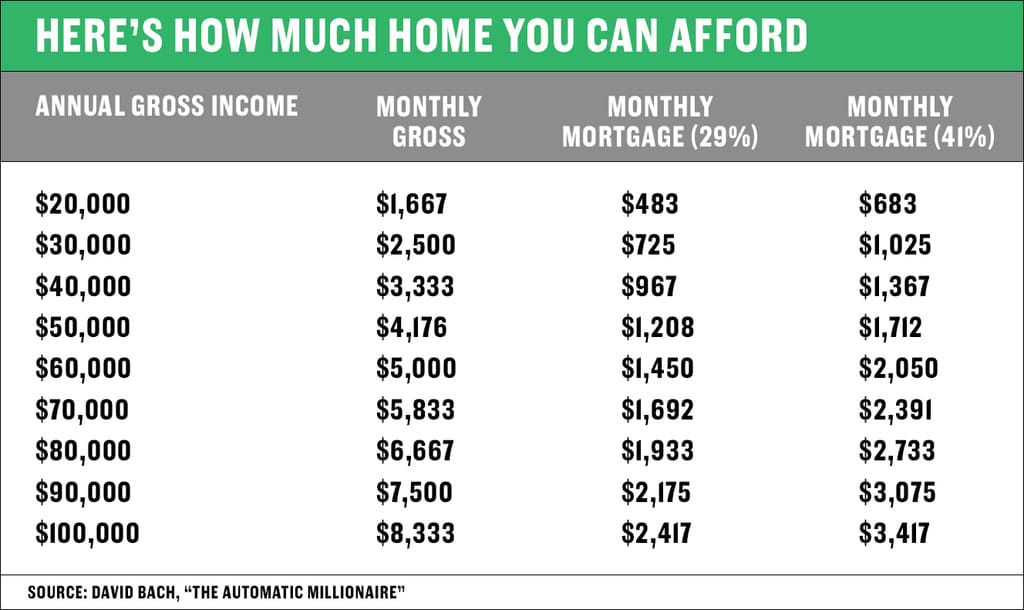
Professional financial planners often point to the 28/36 rule as a benchmark for affordability. This rule suggests that your mortgage payment (PITI) should not exceed 28% of your gross monthly income, and your total debt obligations (including car loans, student loans, and credit cards) should not exceed 36% of your gross income. Staying within these parameters ensures that you have enough liquidity to contribute to retirement accounts, emergency funds, and other investment vehicles.
The Power of Pre-Approval and Comparison
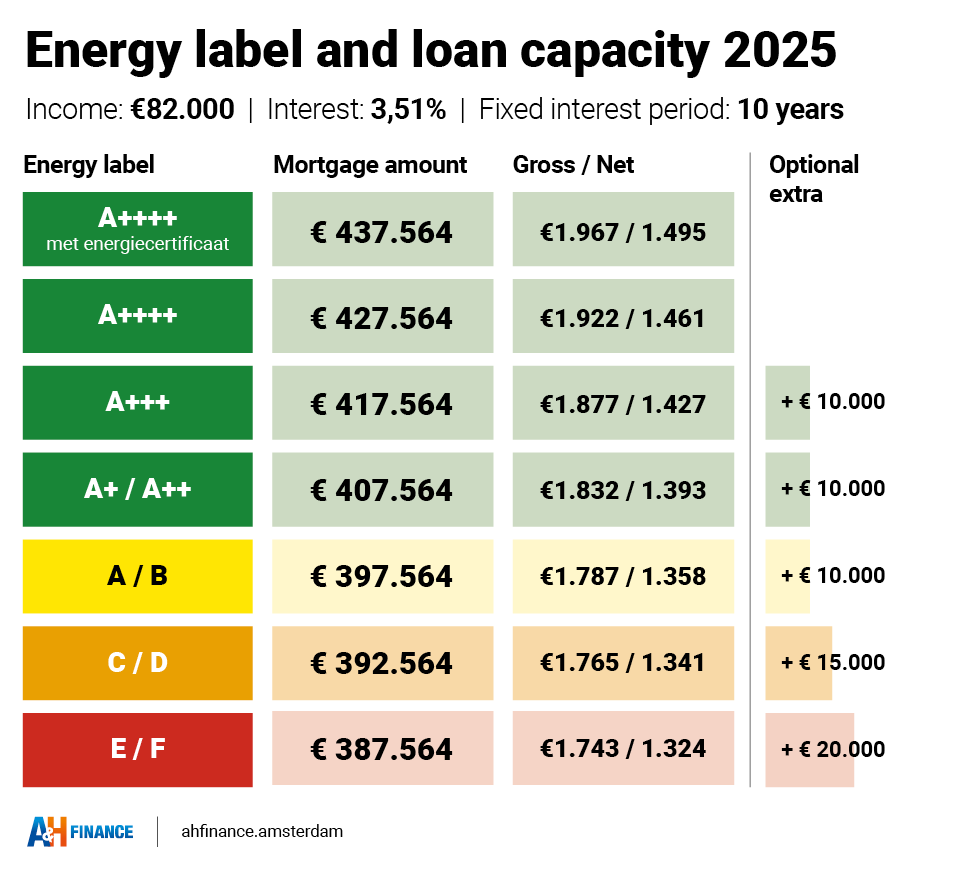
Because a mortgage is a product, it pays to shop around. Different lenders—ranging from large national banks to local credit unions and online mortgage brokers—offer different rates and fee structures. Obtaining multiple pre-approval letters allows you to compare “Loan Estimates,” which are standardized documents that clearly outline the interest rate, monthly payment, and total closing costs. This level of due diligence is the most effective way to minimize the cost of a mortgage.
In conclusion, “how much is a mortgage” is a question that encompasses the immediate monthly cash flow, the upfront capital required for closing, and the long-term cost of interest over decades. By mastering the components of PITI, optimizing your credit profile, and choosing the right loan structure, you can ensure that your home remains a pillar of your financial success rather than a drain on your wealth. Understanding the math behind the mortgage is the first step toward true financial independence.
aViewFromTheCave is a participant in the Amazon Services LLC Associates Program, an affiliate advertising program designed to provide a means for sites to earn advertising fees by advertising and linking to Amazon.com. Amazon, the Amazon logo, AmazonSupply, and the AmazonSupply logo are trademarks of Amazon.com, Inc. or its affiliates. As an Amazon Associate we earn affiliate commissions from qualifying purchases.