
The question “how much is a Lululemon jacket?” is far more than a simple inquiry about a price tag; it’s an entry point into a broader discussion about value, investment, budgeting, and the intricate financial considerations consumers navigate when faced with premium athleisure wear. Lululemon has established itself as a titan in the activewear market, synonymous with quality, innovative design, and a distinctive brand experience. However, this premium positioning naturally comes with a price, leading many to carefully weigh the financial implications of such a purchase. This article delves into the cost of Lululemon jackets, dissecting the factors that contribute to their pricing, evaluating their financial “worth,” and offering strategies for making economically sound purchasing decisions within this segment.
The Price Spectrum: Deconstructing Lululemon Jacket Costs
Understanding the “how much” begins with recognizing that Lululemon’s jacket lineup is diverse, ranging from lightweight running layers to insulated winter coats, each designed with specific functions and, consequently, varying price points. This spectrum necessitates a nuanced look at the core collections and special editions that define their offerings.
Core Collection Jackets: The Everyday Investment
Lululemon’s core collection includes a range of jackets that serve as staples for active individuals. These are often the most recognized and frequently purchased items, forming the backbone of their apparel strategy.
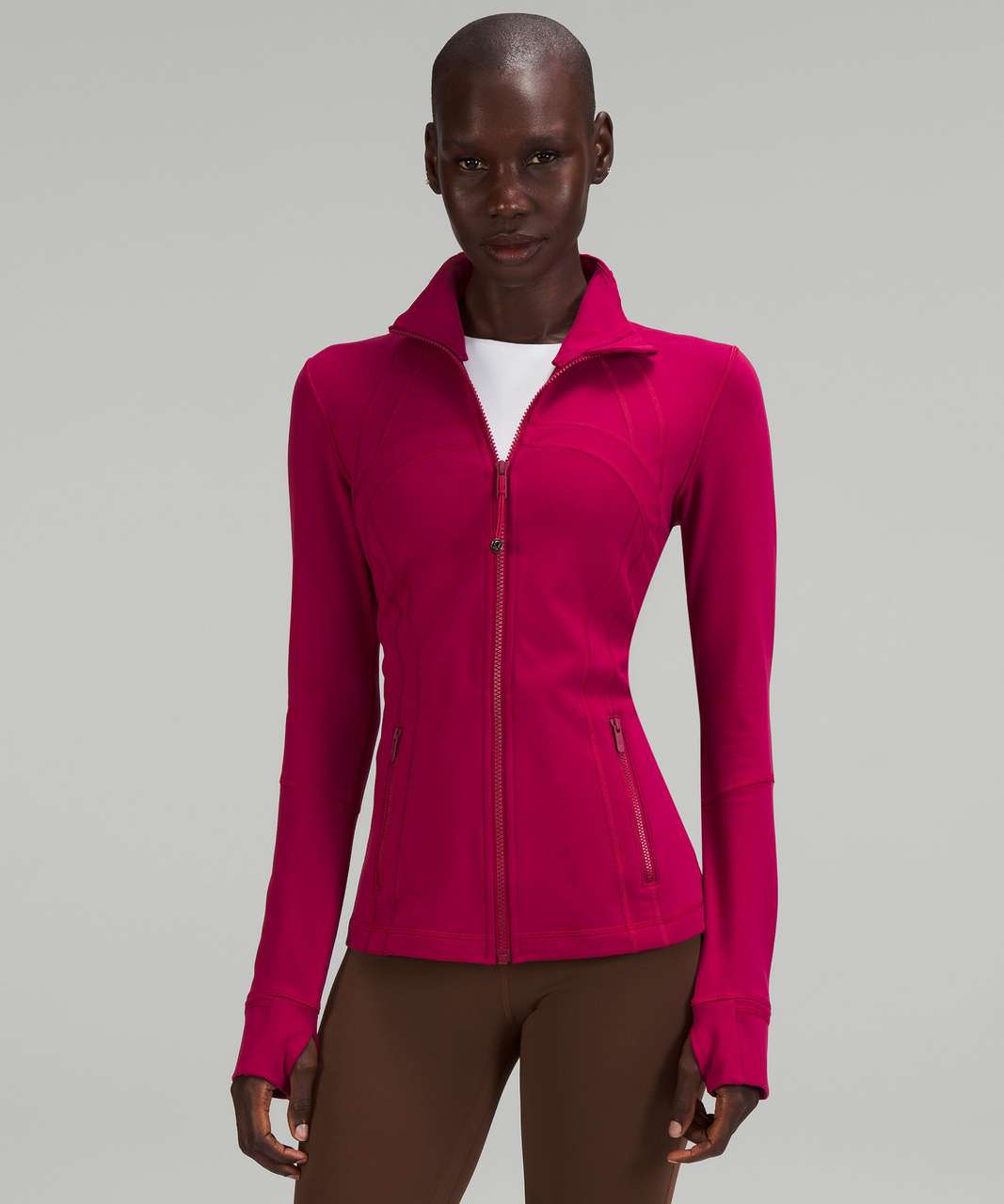
- Lightweight Layers (e.g., Define Jacket, Hooded Define Jacket, Rulu Run Jacket): These jackets are typically designed for layering, transitional weather, or light workouts. Their price points generally range from $118 to $138 USD. They feature proprietary fabrics like Luon or Rulu, known for their stretch, breathability, and moisture-wicking properties. From a financial perspective, these represent an investment in versatile pieces that can be worn across multiple seasons and activities, potentially reducing the need for several specialized items.
- Mid-Weight Outerwear (e.g., Scuba Hoodies, Bomber Jackets): Offering more warmth and structure, these pieces often incorporate thicker fabrics or more intricate design elements. Prices for these items typically fall between $128 and $198 USD. While a higher initial outlay, their robust construction and multi-purpose utility – from casual wear to pre- and post-workout comfort – can justify the cost over time through extended use and durability.
- Technical Performance Jackets (e.g., Rain Rebel Jacket, Down for It All Jacket): Engineered for specific outdoor conditions, these jackets utilize advanced weather-resistant materials, insulation, and specialized features. Their price tags are commensurately higher, often ranging from $198 to $298 USD, and can even exceed $300 USD for heavy-duty winter coats. For those engaged in serious outdoor activities, these jackets represent a functional necessity where performance, safety, and longevity provide significant financial value, potentially preventing the need for frequent replacements or inferior alternatives that fail to perform.
Seasonal Releases and Limited Editions: Premium Pricing Dynamics
Beyond the core offerings, Lululemon frequently introduces seasonal collections, limited-edition designs, and collaborations. These items often feature unique colorways, updated cuts, or specialized fabric treatments.
- Fashion-Forward Pieces: These jackets might incorporate trends or offer elevated aesthetics, sometimes using less common materials or more complex manufacturing processes. Their prices can match or even exceed the highest end of the technical performance jackets, driven by novelty and exclusivity. Financially, these are often discretionary purchases, appealing to consumers who prioritize style and uniqueness, though they may not always offer a superior functional “cost-per-wear” compared to core items.
- Collaborations: Occasionally, Lululemon partners with designers or athletes, resulting in highly anticipated, limited-run products. These collaborations often command premium pricing due to their exclusivity and the prestige associated with the joint venture. For collectors or brand enthusiasts, the financial “value” might extend beyond utility to include potential resale value, though this is speculative and depends heavily on market demand.
The diversity in pricing underscores Lululemon’s strategy to cater to a broad spectrum of needs and budgets within the premium activewear market, requiring consumers to align their financial capacity with their functional requirements and aesthetic preferences.
The Financial Value Proposition: Why Lululemon Jackets Cost More
The premium price point of Lululemon jackets is not arbitrary. It’s a reflection of a carefully constructed value proposition that, from a financial perspective, aims to justify the initial investment through a combination of material quality, design innovation, durability, and a robust after-sales experience. Understanding these underlying factors is crucial for any consumer performing a cost-benefit analysis.
Premium Materials and Craftsmanship: The Foundation of Cost
A significant portion of a Lululemon jacket’s price stems from its use of proprietary, high-performance fabrics and meticulous construction techniques.
- Proprietary Fabrics: Lululemon invests heavily in research and development to create materials like Luon, Nulu, Everlux, and various technical blends. These fabrics are engineered for specific attributes such as superior stretch, moisture-wicking, breathability, abrasion resistance, and a luxurious feel. Developing and manufacturing these specialized textiles is more expensive than using generic fabrics, directly contributing to the final product cost.
- Advanced Construction: Beyond the fabric, the jackets often feature thoughtful design elements like flatlock seams (to prevent chafing), articulated sleeves, hidden pockets, and sophisticated insulation. The precision required for these details, coupled with higher labor costs for skilled manufacturing, adds to the overall production expense. From a financial perspective, this translates into a product that performs better and maintains its integrity longer, potentially reducing the frequency of replacements and offering a better “return” on the initial investment compared to cheaper, less durable alternatives.
Durability and Longevity: A Cost-Per-Wear Analysis
One of the most compelling financial arguments for Lululemon jackets is their reputed durability. While the upfront cost is higher, the extended lifespan of these garments can make them more economical in the long run when viewed through a “cost-per-wear” lens.
- Fewer Replacements: A well-maintained Lululemon jacket can last for many years, enduring frequent washes and active use without significant degradation. In contrast, cheaper jackets might wear out, lose shape, or fail functionally after a season or two, necessitating more frequent and cumulative purchases.
- Consistent Performance: The materials are designed to retain their performance characteristics (e.g., stretch, shape, moisture-wicking) over time, ensuring the jacket continues to serve its intended purpose effectively. This sustained utility enhances the financial value derived from the purchase. Calculating the cost per wear – total cost divided by the number of times worn – often reveals that a higher-priced, durable item can be more cost-effective than a series of lower-priced, less durable ones.
Resale Value: A Hidden Financial Asset
Unlike many apparel purchases that rapidly depreciate, Lululemon items, particularly popular jacket styles, tend to hold a relatively strong resale value. This attribute can be a significant financial benefit.
- Strong Demand: The brand’s enduring popularity and perceived quality create a robust secondary market. Platforms like Poshmark, eBay, and dedicated online communities see consistent demand for pre-owned Lululemon items in good condition.
- Recouping Investment: For consumers who periodically refresh their wardrobes, the ability to sell a gently used Lululemon jacket can help offset the cost of a new purchase. This effectively reduces the “net cost” of ownership over time, making the initial outlay less daunting. While not a guaranteed investment, the consistent demand for Lululemon products offers a degree of financial liquidity rarely seen in conventional clothing.

In essence, the higher price tag on a Lululemon jacket often represents an investment in quality, longevity, and even potential partial recoupment, offering a different financial calculus than many fast-fashion purchases.
Strategic Spending: Maximizing Your Lululemon Investment
For many consumers, the question isn’t whether Lululemon jackets are “worth it” in principle, but rather how to acquire them without unduly straining their personal finances. Strategic shopping and mindful ownership can significantly enhance the financial value derived from these premium purchases.
Budgeting for a Premium Purchase: Aligning with Financial Goals
Integrating a high-value discretionary purchase like a Lululemon jacket into a personal budget requires careful planning and prioritization.
- Needs vs. Wants: Distinguish between a genuine need for a functional, durable jacket and a desire for a branded item. If the need is paramount, the investment might be justifiable. If it’s purely a want, assess its priority against other financial goals like savings, debt repayment, or other discretionary spending.
- Allocating Funds: Consider setting aside a small amount from each paycheck specifically for discretionary purchases, creating a “Lululemon fund.” This prevents impulsive spending and ensures the purchase doesn’t derail other financial commitments. This disciplined approach aligns with broader personal finance principles, promoting conscious spending over reactive consumption.
Savvy Shopping: Finding Financial Opportunities
While Lululemon is known for its relatively stable pricing, there are avenues for reducing the initial financial outlay.
- “We Made Too Much” Section: This is Lululemon’s equivalent of a sale section, available online and sometimes in stores. Items here are typically past-season colors or styles and are offered at significantly reduced prices, often 20-50% off. Diligent checking of this section can yield substantial financial savings on otherwise full-price items.
- Seasonal Sales and Black Friday: While less frequent and less aggressive than other retailers, Lululemon does participate in major sales events like Black Friday and Boxing Day. These periods can offer discounts on a broader range of products, making them opportune times for planned purchases.
- Gift Cards and Loyalty Programs: Utilizing discounted gift cards (often available from third-party retailers) or leveraging any loyalty program benefits (where available) can provide incremental savings. Some credit card rewards programs also offer cash back or points on Lululemon purchases, effectively lowering the net cost.
Extending Value: Maintenance and the Secondhand Market
The financial benefits of a Lululemon jacket extend beyond the initial purchase through mindful care and considering the secondary market.
- Proper Care and Maintenance: Adhering to washing instructions (cold water, gentle cycle, air drying) can significantly prolong the life and preserve the performance of the jacket. Preventing damage and maintaining quality reduces the likelihood of needing a replacement, thus saving money in the long term. This acts as a form of “preventative financial maintenance.”
- Buying Secondhand: For those on a tighter budget, the secondhand market offers an excellent opportunity to acquire Lululemon jackets at a fraction of the retail price. Platforms like Poshmark, Mercari, and local consignment shops often feature items in excellent condition, providing the benefit of the brand’s quality without the full premium price tag. This strategy effectively maximizes purchasing power.
By adopting these financial strategies, consumers can transform the decision to buy a Lululemon jacket from a potentially impulsive splurge into a well-considered, financially responsible acquisition that aligns with their overall personal finance goals.
The Broader Financial Landscape of Athleisure Spending
The question of “how much is a Lululemon jacket” ultimately prompts a deeper reflection on consumer spending habits within the burgeoning athleisure market. This category, blurring the lines between activewear and everyday fashion, has cultivated a demand for high-quality, aesthetically pleasing garments that often come with premium price tags.
Balancing Discretionary Spending and Financial Health
For many, Lululemon jackets fall squarely into the category of discretionary spending – items that are desired rather than strictly necessary. Managing this segment of a personal budget is critical for overall financial health.
- Opportunity Cost: Every dollar spent on a Lululemon jacket is a dollar not spent elsewhere. This concept of opportunity cost is central to sound financial planning. Could that money be better utilized for savings, debt repayment, investment, or other experiences? For some, the jacket’s utility and perceived value might outweigh these alternatives, while for others, the financial trade-off might be too steep.
- Lifestyle Inflation: The appeal of premium brands like Lululemon can contribute to lifestyle inflation, where increased income leads to increased spending on non-essential items, potentially hindering long-term financial goals. Understanding the psychological draw of these brands and consciously evaluating each purchase helps to mitigate this risk.

The Macroeconomic View: Market Trends and Consumer Choices
From a broader economic perspective, Lululemon’s pricing and market success reflect fundamental consumer behaviors and market dynamics.
- Premiumization Trend: Consumers, particularly in affluent markets, are often willing to pay more for products perceived to offer superior quality, design, and brand experience. This “premiumization” trend allows companies like Lululemon to maintain higher profit margins.
- Brand Equity as a Financial Asset: Lululemon has cultivated immense brand equity – a financial asset derived from consumer perception and loyalty. This equity allows them to command premium prices, as consumers implicitly trust the brand to deliver on its promises of quality and performance. From an investor’s standpoint, this strong brand equity translates into stable revenues and market resilience.
- The “Cost of Entry” into a Lifestyle: For some, owning a Lululemon jacket is not just about the garment itself but about participating in a perceived lifestyle – one of health, wellness, and refined taste. This psychological component, while not directly measurable in financial terms, influences willingness to pay and contributes to the brand’s sustained demand.
In conclusion, while a Lululemon jacket carries a significant price tag, ranging from over $100 to upwards of $300, its financial implications extend beyond the initial cost. It invites consumers to engage in a comprehensive financial analysis, weighing the investment in premium materials and durability against their personal budget, seeking out strategic savings, and understanding the broader financial context of their spending. Ultimately, the “worth” of a Lululemon jacket is a subjective calculation, deeply intertwined with individual financial priorities, values, and an astute understanding of how to manage one’s money in a market brimming with enticing, high-value offerings.
aViewFromTheCave is a participant in the Amazon Services LLC Associates Program, an affiliate advertising program designed to provide a means for sites to earn advertising fees by advertising and linking to Amazon.com. Amazon, the Amazon logo, AmazonSupply, and the AmazonSupply logo are trademarks of Amazon.com, Inc. or its affiliates. As an Amazon Associate we earn affiliate commissions from qualifying purchases.