
In the modern financial landscape, few questions are asked more frequently than “how much is a bitcoin?” While a quick Google search or a glance at a financial ticker provides a real-time numerical answer, the true value of Bitcoin—and what determines that price—is a complex intersection of economics, investor psychology, and global monetary policy. For the modern investor, understanding the “how much” requires looking beyond the immediate price tag and delving into the mechanics of what makes this digital asset a cornerstone of contemporary personal finance.
The Dynamics of Bitcoin Pricing: The Mechanics of Scarcity
When an investor asks about the price of Bitcoin, they are witnessing the culmination of a global, 24/7 auction. Unlike traditional stock markets that have opening and closing bells, the price of Bitcoin is in constant flux, driven by a decentralized market that never sleeps.
Supply and Demand: The Halving Mechanism
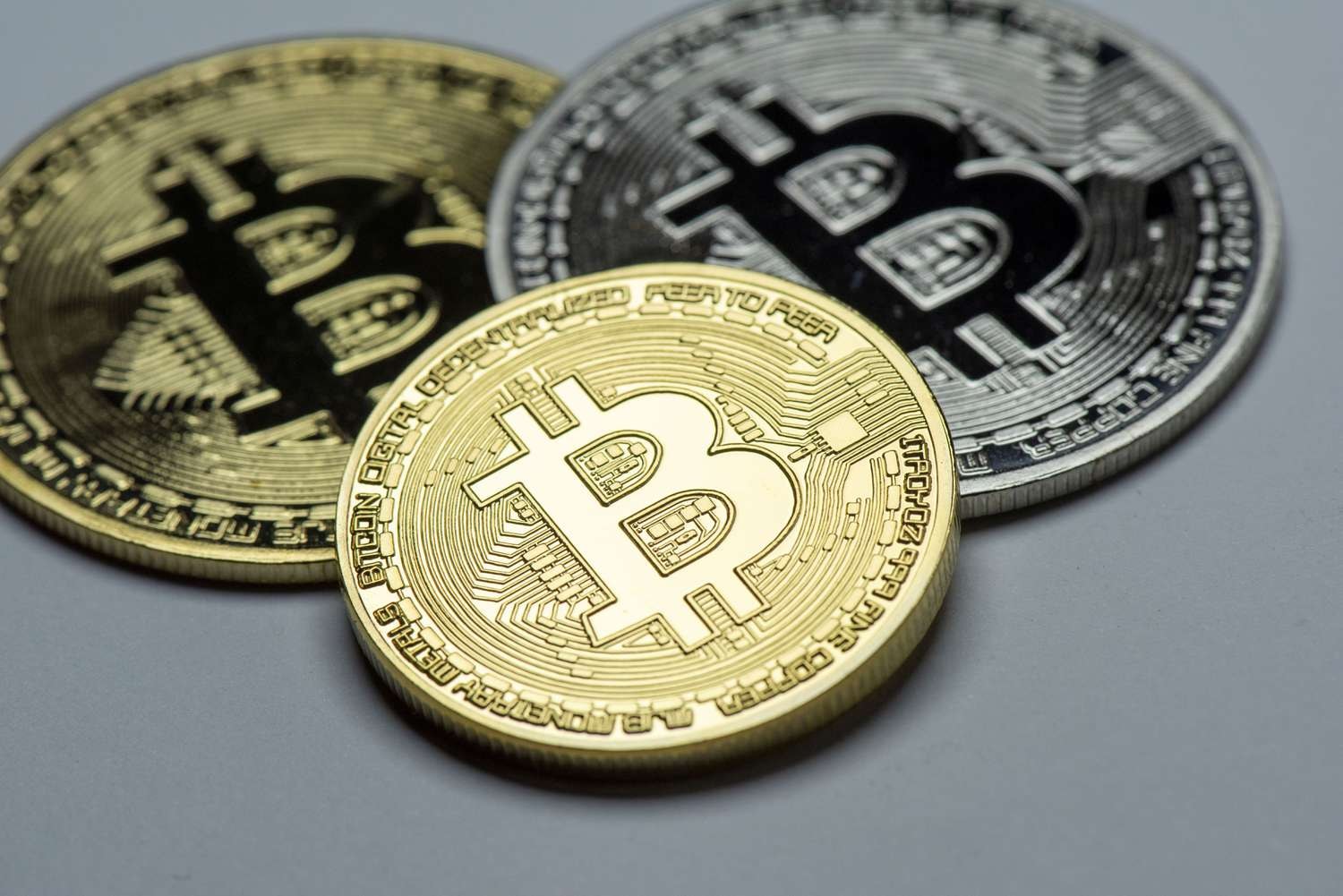
The most fundamental driver of Bitcoin’s price is the relationship between its limited supply and fluctuating demand. Unlike fiat currencies, which can be printed at the discretion of central banks, Bitcoin has a hard cap of 21 million coins. This programmed scarcity is enforced by the “halving”—an event that occurs approximately every four years, cutting the reward for mining new blocks in half.
From a money and investment perspective, the halving serves as a synthetic supply shock. When the rate of new supply decreases while demand remains steady or increases, the upward pressure on price becomes significant. This predictable monetary policy is a stark contrast to the inflationary nature of the US Dollar or the Euro, making “how much a bitcoin is worth” a question of long-term purchasing power rather than just speculative gains.
Market Sentiment and Volatility
Because Bitcoin is still a relatively young asset class, its price is highly sensitive to market sentiment. News regarding regulatory shifts, technological upgrades, or even tweets from influential figures can cause double-digit percentage swings in a single day. For the personal finance enthusiast, this volatility is a double-edged sword. While it presents significant risks, it also offers entry points and growth opportunities that are rarely found in the traditional equity or bond markets. Understanding that the “price” is often a reflection of temporary fear or greed is crucial for maintaining a long-term investment horizon.
Bitcoin as a New Asset Class: Integrating Digital Assets into Personal Finance
As the financial world evolves, Bitcoin is increasingly viewed not as a digital toy for hobbyists, but as a legitimate asset class. Its role in a diversified portfolio is becoming a central theme in modern wealth management.
Digital Gold vs. Traditional Currency
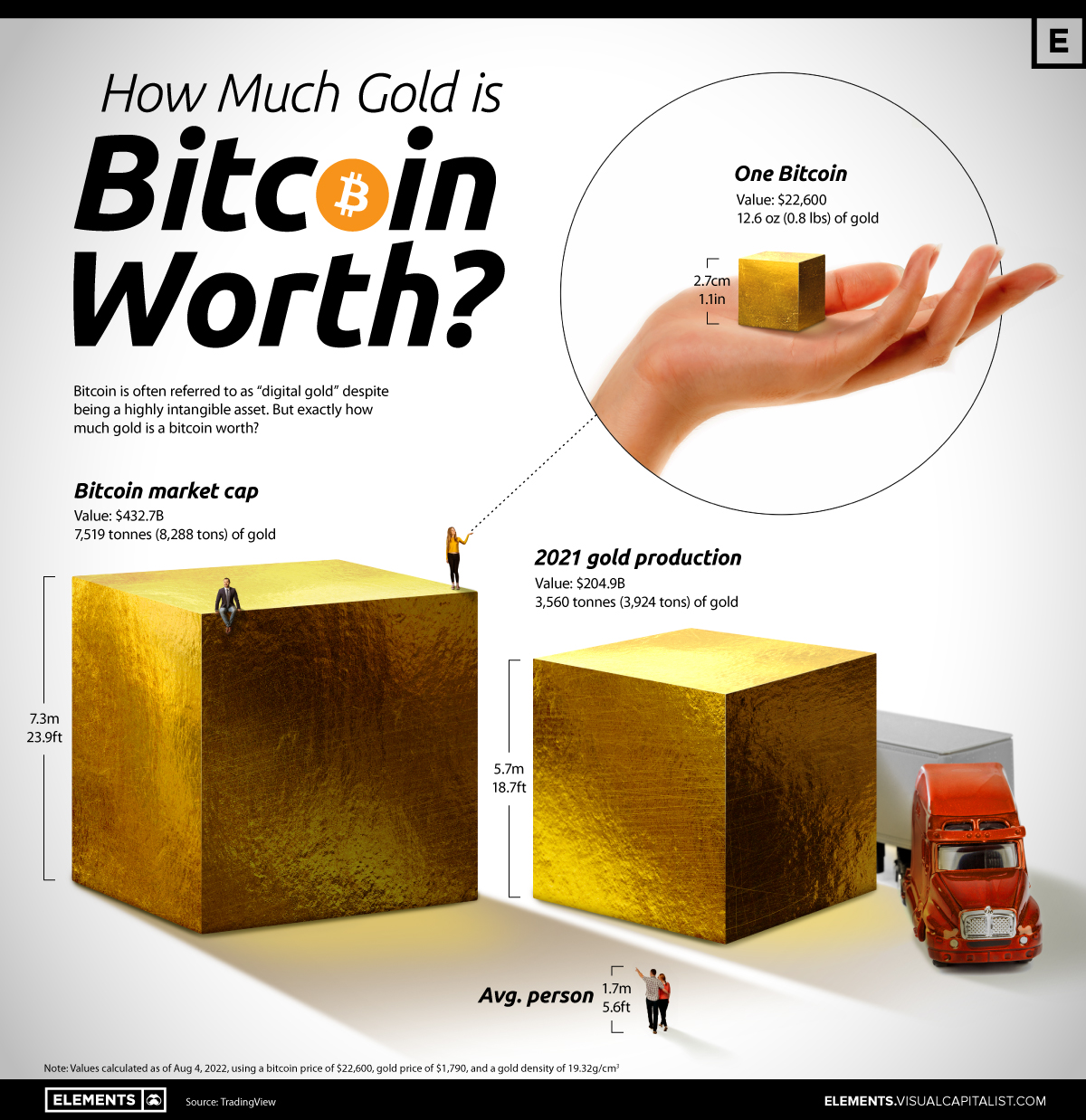
One of the most common frameworks for valuing Bitcoin is comparing it to gold. Both are scarce, durable, and divisible. However, Bitcoin is more portable and easily verifiable. When investors ask “how much is a bitcoin,” they are often comparing its current market cap to that of the global gold supply. If Bitcoin were to capture even half of gold’s market share as a “store of value,” its price per coin would need to reach several hundred thousand dollars. This perspective shifts the focus from daily fluctuations to the broader narrative of Bitcoin as “Digital Gold.”
Portfolio Diversification Strategies
In the context of personal finance, the value of Bitcoin lies in its low correlation with traditional assets like stocks and bonds. Adding a small percentage of Bitcoin to a portfolio—often as little as 1% to 5%—can potentially increase the overall risk-adjusted returns (the Sharpe Ratio). Because Bitcoin often moves independently of the S&P 500 or the housing market, it serves as a hedge against systemic failures in the traditional financial system. For the prudent investor, the “value” of a bitcoin is found in its ability to protect a portion of wealth from the localized risks of their home currency.
Factors Influencing Bitcoin’s Market Value: The Global Macro View
Bitcoin does not exist in a vacuum. Its price is heavily influenced by the broader economic environment, institutional movements, and the decisions of global regulators.
Institutional Adoption and the Spot ETF Landscape
For years, Bitcoin was primarily a retail-driven asset. However, the landscape changed dramatically with the approval of Spot Bitcoin ETFs (Exchange-Traded Funds) by major financial institutions like BlackRock and Fidelity. This development allowed trillions of dollars in institutional capital to flow into the market through regulated channels.
The entry of institutional players has two major effects on the price. First, it provides a massive influx of demand, which generally drives the price higher. Second, it tends to stabilize the market over time as large-scale, long-term holders replace short-term speculators. When analyzing “how much a bitcoin is,” one must now account for the “institutional floor”—a level of support created by pension funds and corporate treasuries adding Bitcoin to their balance sheets.
Global Economic Macro-Trends
Bitcoin often thrives in environments of economic uncertainty. When inflation rises and the value of fiat currency erodes, Bitcoin’s fixed supply becomes increasingly attractive. Furthermore, liquidity in the global financial system plays a major role. When central banks lower interest rates and engage in quantitative easing (printing money), excess liquidity often flows into “risk-on” assets like Bitcoin. Conversely, when the Federal Reserve tightens the money supply to fight inflation, Bitcoin’s price often faces downward pressure. Monitoring global M2 money supply growth is often a more accurate way to predict Bitcoin’s price direction than watching any single news headline.
How to Evaluate Bitcoin’s Worth: Tools for the Modern Investor
Determining whether the current price of Bitcoin is “fair” requires more than just looking at a chart. Financial experts use several specialized tools and metrics to gauge whether the asset is overbought or undervalued.
Fundamental vs. Technical Analysis
In the world of investing, there are two primary ways to look at price. Technical analysis involves studying historical price charts and volume to predict future movements. Traders look for patterns like “support” and “resistance” to time their entries.
Fundamental analysis, on the other hand, looks at the underlying health of the network. This includes the “Hash Rate” (the total computational power securing the network) and the number of active wallet addresses. A healthy, growing network with a stagnant price often suggests a “buy” signal for long-term investors.
On-Chain Metrics and Realized Cap
Unique to the world of crypto-finance are on-chain metrics. Because the Bitcoin blockchain is a public ledger, we can see exactly when coins were last moved. “Realized Cap” is a metric that values each bitcoin at the price it was last moved, rather than the current market price. This provides a more accurate picture of the “cost basis” of all investors in the market. When the current market price falls below the realized price, Bitcoin is historically considered to be in a “deep value” zone, making it an ideal time for personal finance-focused investors to increase their positions.
Future Outlook and Long-term Financial Planning
The question of “how much is a bitcoin” will likely yield different answers in ten years than it does today. As we look toward the future, the integration of Bitcoin into the global financial fabric seems more likely than its disappearance.
Managing Risk in a Crypto Portfolio
Regardless of how high the price may go, risk management remains the most important aspect of personal finance. Because Bitcoin is volatile, investors should avoid “all-in” scenarios. Strategies like Dollar-Cost Averaging (DCA)—investing a fixed amount of money at regular intervals—allow investors to build a position over time without worrying about the daily price swings. This approach smooths out the purchase price and reduces the emotional stress associated with market volatility.
The Evolution of Bitcoin’s Utility
As the price of Bitcoin grows, so does its utility. We are seeing the rise of the “Lightning Network,” which allows for near-instant, low-cost payments using Bitcoin. As Bitcoin transitions from a speculative asset to a functional medium of exchange in certain parts of the world, its valuation will likely shift again. The “value” will no longer be just about what you can sell it for, but what you can do with it.
In conclusion, “how much is a bitcoin” is a question with a simple numerical answer but a deep financial story. It is a story of scarcity in an age of abundance, of decentralized trust in an age of institutional skepticism, and of a new way for individuals to take control of their financial destiny. Whether you view it as a speculative tool, a digital gold, or a hedge against inflation, Bitcoin has solidified its place as one of the most significant financial innovations of the 21st century. For those focused on building long-term wealth, the key is not to obsess over the daily ticker, but to understand the fundamental forces that give this digital asset its enduring value.
aViewFromTheCave is a participant in the Amazon Services LLC Associates Program, an affiliate advertising program designed to provide a means for sites to earn advertising fees by advertising and linking to Amazon.com. Amazon, the Amazon logo, AmazonSupply, and the AmazonSupply logo are trademarks of Amazon.com, Inc. or its affiliates. As an Amazon Associate we earn affiliate commissions from qualifying purchases.