
The allure of investing in major technology companies is undeniable, and few names shine brighter in the investment world than Apple Inc. (AAPL). For many aspiring investors, the first question that comes to mind is often the most fundamental: “How much is an Apple stock?” While seemingly simple, the answer is dynamic, multi-faceted, and opens the door to a deeper understanding of stock market mechanics, valuation, and the broader world of investing. This article will delve into the intricacies of Apple’s stock price, exploring what influences its value, why investors are drawn to it, how one can acquire shares, and the essential considerations for anyone looking to add AAPL to their portfolio.
Understanding Apple Stock’s Valuation
The price of a single share of Apple stock, or any publicly traded company for that matter, is a constantly fluctuating number. It’s the point where buyers and sellers meet, reflecting real-time market sentiment and the collective assessment of the company’s future prospects.
The Current Price vs. Historical Context
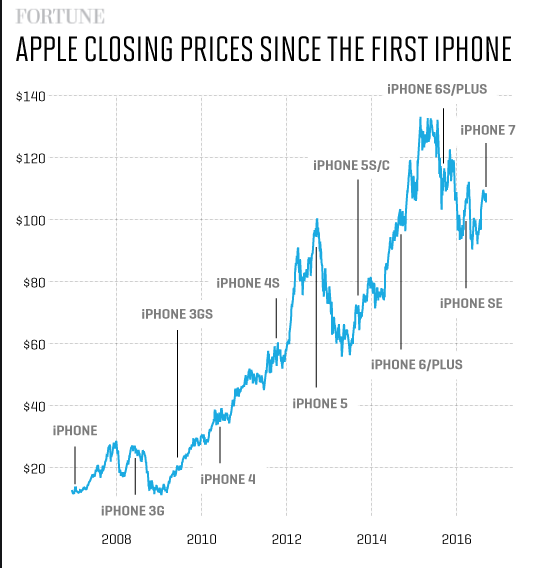
At any given moment during market hours, the “current price” of an Apple stock is readily available through various financial platforms, brokerage accounts, and news websites. This price changes by the second, influenced by a torrent of buy and sell orders. It’s crucial to understand that today’s price is just a snapshot. Apple’s stock has a rich history of growth, punctuated by significant events like stock splits. For instance, Apple has undergone five stock splits since going public, most recently a 4-for-1 split in August 2020. These splits reduce the per-share price, making shares more accessible to a broader range of investors, while simultaneously increasing the total number of shares outstanding without altering the company’s overall market capitalization. Understanding this historical context helps investors appreciate the long-term compounding effect and how the accessible current price still represents a substantial investment in a colossal company. For example, if Apple’s stock price is around $170, it signifies that an investor needs $170 to purchase one full share at that specific moment. However, it’s vital to look beyond this raw figure to grasp the company’s true scale and investment potential.
Factors Influencing AAPL’s Price
The dynamic nature of Apple’s stock price is a testament to the myriad forces at play in the financial markets. Several key factors constantly pull and push AAPL’s valuation:
- Company Performance: At its core, a stock’s price is driven by the company’s financial health. Apple’s quarterly earnings reports, showcasing revenue, net income, profit margins, and sales figures for its diverse product lines (iPhone, Mac, iPad, Wearables, Home & Accessories, and Services), are critical. Strong performance typically bolsters investor confidence, while missed expectations can lead to sell-offs.
- Product Launches and Innovation: Apple is renowned for its innovation pipeline. Major product announcements, such as new iPhone models, Mac chips, or ventures into new categories like Vision Pro, often generate significant buzz and can lead to short-term price movements as investors anticipate future revenue streams.
- Macroeconomic Trends: Broader economic conditions, including interest rates, inflation, consumer spending habits, and GDP growth, profoundly impact all stocks, including Apple. A strong economy generally encourages investment, while recessions can cause market-wide declines.
- Market Sentiment and Analyst Ratings: Investor confidence, often fueled by news, social media, and financial analyst recommendations (buy, sell, hold ratings), can create significant momentum or downward pressure. Positive sentiment can lead to speculative buying, while negative news or a downgrade from a prominent analyst can trigger selling.
- Competitive Landscape and Regulatory Scrutiny: The tech industry is fiercely competitive. Innovations from rivals, or regulatory actions concerning antitrust, app store policies, or data privacy, can introduce uncertainty and affect Apple’s perceived future growth and profitability.
- Geopolitical Factors: Given Apple’s global supply chain and international sales, geopolitical tensions, trade disputes, and currency fluctuations can also influence its operational costs and revenue.
Beyond the Sticker Price: Market Capitalization
While “how much is an Apple stock” refers to the per-share price, a more comprehensive measure of the company’s value is its market capitalization (market cap). Market cap is calculated by multiplying the current share price by the total number of outstanding shares. For example, if Apple has 15 billion outstanding shares and the price is $170 per share, its market cap would be $2.55 trillion. This figure provides a far more accurate representation of the company’s overall size and financial heft than the individual share price alone. A company with a $50 share price but 100 billion shares outstanding (market cap $5 trillion) is a much larger entity than one with a $500 share price but only 1 billion shares outstanding (market cap $500 billion). Apple’s consistent position as one of the world’s largest companies by market cap underscores its immense influence and investment significance.
Why Invest in Apple (AAPL)?
Beyond understanding its price, prospective investors often seek to comprehend the underlying rationale for investing in a company like Apple. What makes AAPL an attractive proposition for so many?
A Legacy of Innovation and Brand Strength
Apple’s consistent ability to innovate and cultivate an incredibly strong brand identity is a primary draw for investors. The company has built an ecosystem of products and services—from the iconic iPhone and powerful Mac computers to the Apple Watch, AirPods, and a sprawling Services division (App Store, Apple Music, iCloud, Apple TV+, etc.)—that fosters unparalleled customer loyalty. This brand strength translates into pricing power, allowing Apple to command premium prices for its products and services, which directly contributes to robust revenue and profit margins. Investors are drawn to companies with durable competitive advantages, and Apple’s brand equity, coupled with its commitment to user experience and design, provides a significant moat against competitors, promising long-term stability and growth.
Financial Performance and Growth Drivers
From a purely financial perspective, Apple consistently demonstrates exceptional performance. The company boasts a robust balance sheet, substantial cash reserves, and a track record of strong profitability and free cash flow generation. These financial strengths allow Apple to invest heavily in research and development, pursue strategic acquisitions, return capital to shareholders through dividends and share buybacks, and navigate economic downturns with greater resilience. Future growth drivers include the continued expansion of its high-margin Services segment, penetration into emerging markets, and potential breakthroughs in new product categories such as augmented/virtual reality (e.g., Apple Vision Pro) and potentially even the automotive sector. These avenues provide a clear runway for sustained revenue and earnings growth, which are fundamental to increasing shareholder value.
Market Dominance and Competitive Moat
Apple operates with a significant degree of market dominance in several key categories. The iPhone remains a leading smartphone globally, its Mac computers hold a strong position in the premium PC market, and its wearables (Apple Watch, AirPods) dominate their respective segments. This dominance, coupled with its tightly integrated hardware-software ecosystem, creates a powerful “network effect” and high switching costs for consumers, further solidifying its competitive moat. For investors, this translates into a company that is not only large but also deeply entrenched, making it difficult for competitors to meaningfully erode its market share or profitability in the long run. The company’s global retail presence and sophisticated supply chain management further enhance its operational efficiency and market reach.
How to Acquire Apple Stock
Investing in Apple stock has become more accessible than ever before, thanks to advancements in financial technology and a competitive brokerage landscape.

Choosing the Right Brokerage Account
The first step to buying Apple stock is to open a brokerage account. There are several types to consider:
- Discount Brokers: These platforms (e.g., Fidelity, Charles Schwab, E*TRADE, Vanguard, Robinhood) offer low or zero-commission trading, a wide range of investment products, and various research tools. They are suitable for self-directed investors.
- Robo-Advisors: Services like Betterment or Wealthfront automate investment decisions based on your financial goals and risk tolerance. While they may not allow direct stock purchases in the same way, many offer portfolios that include ETFs which hold AAPL.
- Full-Service Brokers: These firms offer personalized advice, financial planning, and concierge services but typically come with higher fees. They are often preferred by high-net-worth individuals requiring comprehensive financial management.
When choosing, consider factors such as fees (trading commissions, account maintenance fees), available investment products, research and educational resources, customer service quality, and the user-friendliness of their trading platform. Ensure the broker is regulated by bodies like the SEC and FINRA in the U.S.
Placing Your Order: Market vs. Limit Orders
Once your account is funded, you can place an order to buy AAPL shares. The two most common types are:
- Market Order: This instructs your broker to buy or sell shares immediately at the best available price. While it guarantees execution, the exact price you pay might fluctuate slightly from what you saw moments before, especially in volatile markets. This is often suitable for investors who prioritize quick execution over a precise price.
- Limit Order: This allows you to set a maximum price you’re willing to pay per share (for buying) or a minimum price you’re willing to accept (for selling). Your order will only execute if the stock reaches your specified price or better. While it provides price control, there’s no guarantee your order will be filled if the stock never reaches your limit price.
For new investors, starting with a market order for a small number of shares is often straightforward, but as you gain experience, limit orders offer more strategic control.
Fractional Shares and Dollar-Cost Averaging
For investors with limited capital, the concept of fractional shares has revolutionized access to high-priced stocks like Apple. Many brokers now allow you to buy fractions of a share, meaning you can invest a specific dollar amount (e.g., $50 or $100) into AAPL, regardless of its per-share price. If Apple is trading at $170, a $50 investment would get you approximately 0.29 shares. This democratizes investing, making it possible for virtually anyone to own a piece of Apple.
Coupled with fractional shares, dollar-cost averaging (DCA) is a powerful investment strategy. This involves investing a fixed amount of money at regular intervals (e.g., $100 every month) regardless of the stock’s price. When the price is high, your fixed sum buys fewer shares; when the price is low, it buys more. Over time, DCA helps average out your purchase price, reducing the risk of making a large investment at an inopportune market peak. This systematic approach fosters discipline and is particularly effective for long-term wealth building, allowing consistent investment in Apple without needing to time the market perfectly.
Risks and Considerations for AAPL Investors
While Apple offers compelling investment opportunities, no stock is without risk. A thorough understanding of potential downsides is crucial for informed decision-making.
Market Volatility and Economic Headwinds
Apple, despite its size, is not immune to broader market volatility. Factors like rising interest rates, inflationary pressures, geopolitical tensions, or a global recession can trigger widespread sell-offs that affect even fundamentally strong companies. Investor sentiment can shift rapidly, leading to significant fluctuations in AAPL’s share price irrespective of its immediate financial performance. Furthermore, Apple’s reliance on consumer discretionary spending makes it somewhat susceptible to economic downturns where consumers tighten their belts. A weakening global economy could impact iPhone sales, service subscriptions, and overall revenue growth.
Competitive Pressures and Innovation Challenges
The technology landscape is relentlessly competitive. While Apple has a strong moat, it constantly faces challenges from rivals innovating in smartphones, computing, streaming services, and emerging technologies. Sustaining its innovation edge and continually introducing “next big things” is a monumental task. Any perceived stumble in innovation, a critical misstep in a product launch, or a major success from a competitor could negatively impact investor confidence and market share. The company’s reliance on a few key products, particularly the iPhone, also presents a concentration risk; while its Services division is growing rapidly, a significant downturn in iPhone sales could still have a pronounced effect on overall revenue and profitability.
Regulatory Scrutiny and Geopolitical Factors
Apple, as a dominant technology giant, faces increasing regulatory scrutiny worldwide. Concerns over antitrust issues, app store policies, data privacy, and market power could lead to investigations, fines, or mandated changes to its business model, potentially impacting its profitability. Furthermore, Apple’s extensive global supply chain, particularly its significant manufacturing presence in China, exposes it to geopolitical risks. Trade wars, supply chain disruptions, labor issues, or shifts in international relations could disrupt production, increase costs, or impact sales in key markets. These external factors are often unpredictable and can introduce considerable uncertainty for investors.

Diversification and Long-Term Strategy
Investing in Apple stock should always be considered within the context of a broader, diversified investment strategy. While Apple is a strong company, putting all your capital into a single stock, no matter how robust, exposes you to unsystematic risk unique to that company. A well-diversified portfolio typically includes investments across various asset classes (stocks, bonds, real estate), industries, and geographies to mitigate specific company or sector risks. For most investors, a long-term approach to investing in Apple is often more prudent than attempting to profit from short-term fluctuations. Focusing on Apple’s fundamental strength, consistent innovation, and potential for sustained growth over many years can help weather market volatility and maximize returns. Regular review of your investment thesis and portfolio allocation is essential to ensure it remains aligned with your financial goals and risk tolerance.
aViewFromTheCave is a participant in the Amazon Services LLC Associates Program, an affiliate advertising program designed to provide a means for sites to earn advertising fees by advertising and linking to Amazon.com. Amazon, the Amazon logo, AmazonSupply, and the AmazonSupply logo are trademarks of Amazon.com, Inc. or its affiliates. As an Amazon Associate we earn affiliate commissions from qualifying purchases.