
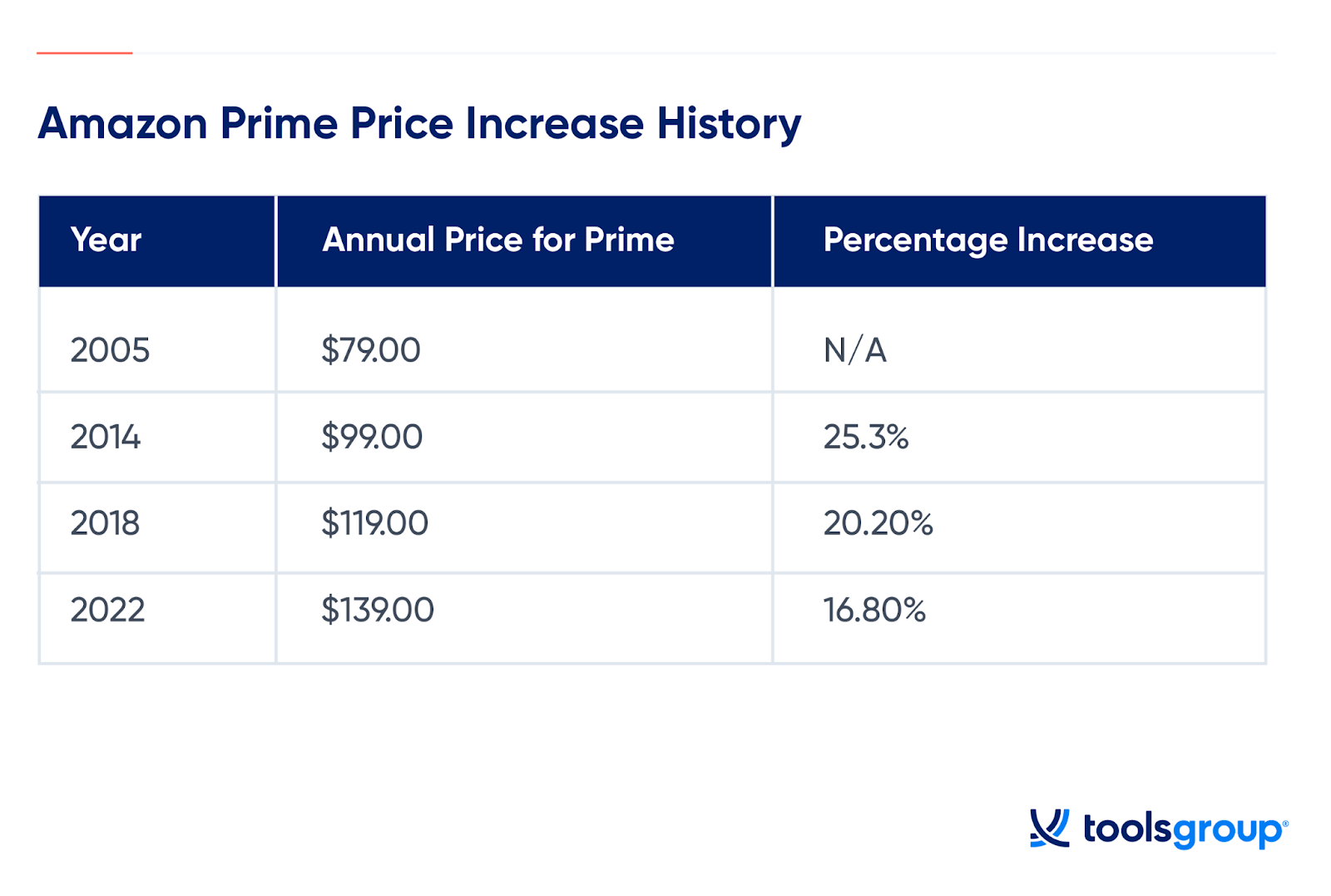
In the modern subscription economy, few line items in a household budget are as ubiquitous as the Amazon Prime membership. What began in 2005 as a simple $79-a-year service for free two-day shipping has evolved into a multi-faceted financial ecosystem. As of 2024, the cost of an Amazon Prime membership stands at $139 per year or $14.99 per month.
For the savvy consumer, the question is no longer just “How much does it cost?” but rather “What is the return on investment (ROI)?” To determine whether this annual fee is a sound financial move or a sunk cost, one must look past the convenience and analyze the hard numbers, the hidden perks, and the behavioral economics of the Prime ecosystem.
1. Breaking Down the Costs: The Current Pricing Structure
Before analyzing the value, we must examine the literal price. Amazon has historically increased its membership fees every few years to account for rising logistics costs and expanded content libraries. Currently, the pricing is segmented to target different financial demographics.
The Standard Annual vs. Monthly Debate
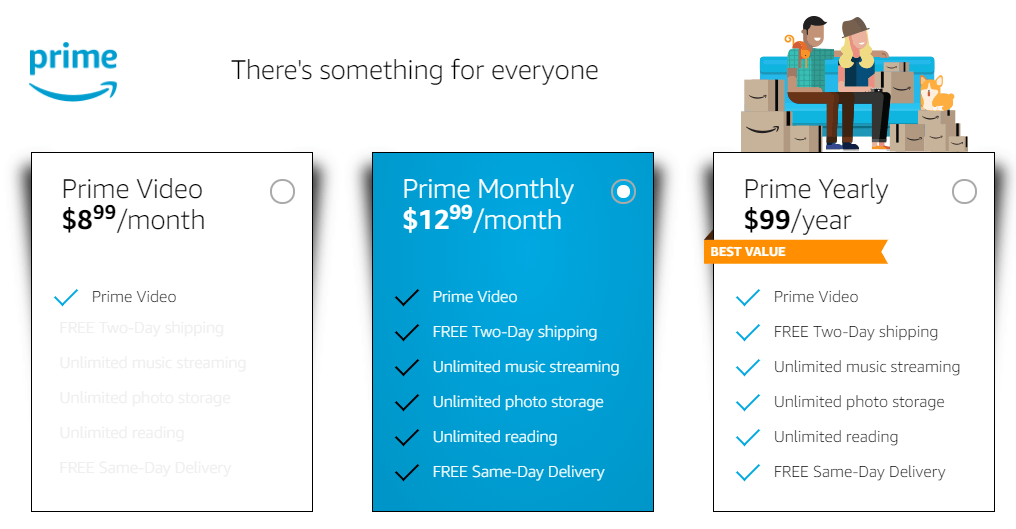
The standard membership is $139 when paid annually. If a consumer opts for the $14.99 monthly plan, the total yearly cost jumps to approximately $180. From a personal finance perspective, the annual plan offers nearly a 23% discount. However, the monthly plan serves as a strategic financial tool for “seasonal” users—those who might only need the service during the December holiday corridor or for a specific month of heavy home renovation.
Discounted Tiers: Student and Prime Access
Amazon employs a tiered pricing strategy to capture long-term brand loyalty from price-sensitive demographics.
- Prime Student: At $7.49 per month or $69 per year, this is arguably one of the highest-value subscriptions for young adults. It includes a six-month trial, which provides a significant buffer for a student’s budget.
- Prime Access: Designed for financial inclusivity, this tier offers a discounted rate of $6.99 per month for recipients of select government assistance programs, such as SNAP, EBT, and Medicaid. This ensures that the logistical savings of Prime are accessible to those who need the “poverty premium” reduction most.
2. The Return on Investment (ROI) Analysis
To justify a $139 annual expense, a consumer must derive at least that much value in tangible savings. When viewed as a financial tool, Prime offers several avenues for recouping the membership fee.
Shipping Costs and Logistical Savings
The primary driver of Prime’s value is shipping. Without Prime, Amazon’s standard shipping rates for non-qualifying orders typically range from $5 to $10. If a household places 15 to 20 orders a year—less than two orders per month—the membership fee effectively pays for itself in shipping costs alone. Furthermore, the “Same-Day” and “One-Day” delivery options provide a “time-is-money” benefit, reducing the need for emergency trips to brick-and-mortar stores, which incurs gas costs and wear-and-tear on vehicles.
Consolidation of Digital Subscriptions
A significant portion of the $139 fee goes toward Amazon’s digital suite. From a budget-management perspective, Prime can replace multiple other subscriptions:
- Prime Video: A competitor to Netflix or Max (valued at ~$120–$180/year).
- Amazon Music Prime: A baseline alternative to Spotify or Apple Music.
- Prime Reading and First Reads: A budget-friendly alternative for bibliophiles.
- Unlimited Photo Storage: A replacement for paid tiers of Google Photos or iCloud.
If a household cancels just one of these stand-alone services in favor of the Prime equivalent, the membership becomes “free” through cost-avoidance.
Grocery Savings via Whole Foods and Amazon Fresh
For those who shop for groceries within the Amazon ecosystem, the financial benefits extend to the dinner table. Prime members receive an additional 10% off sale items at Whole Foods Market, alongside rotating weekly specials. For a family spending $200 a week on groceries, even a modest 5% total savings across all Prime-exclusive deals can result in $500 in annual savings, far exceeding the membership cost.
3. The Hidden Costs of Convenience: Behavioral Economics
While the math often favors the membership, a professional financial analysis must consider the “Prime Effect” on consumer spending habits. Amazon’s business model is designed to lower the friction of purchasing, which can lead to “leakage” in a monthly budget.

The Sunk Cost Fallacy and Overspending
The $139 fee creates a psychological phenomenon known as the sunk cost fallacy. Because a consumer has paid for the membership, they feel a subconscious urge to “get their money’s worth.” This often leads to buying items on Amazon that they might not have purchased otherwise, or buying them at a higher price than a local competitor simply because the shipping is “free.” Financial mindfulness is required to ensure that the “convenience” doesn’t lead to a net loss in the overall household savings rate.
“Subscribe & Save” as a Double-Edged Sword
The “Subscribe & Save” program offers up to 15% off recurring deliveries. While this is an excellent tool for price optimization on essentials like detergent or pet food, it can also lead to “subscription clutter.” If not monitored, households may find themselves paying for products they haven’t used up yet, tying up cash flow in excess inventory.
4. Strategic Ways to Maximize Your Membership Dollars
To treat an Amazon Prime membership as a sophisticated financial instrument, users should leverage the more advanced, often-overlooked perks that provide direct monetary returns.
The Amazon Prime Rewards Visa Signature Card
For those with a disciplined approach to credit, the Amazon Prime Visa is perhaps the most significant financial multiplier of the membership. The card offers 5% back on all Amazon.com and Whole Foods purchases. For a heavy Amazon user spending $5,000 annually on the platform (including groceries and household goods), the card generates $250 in cash back. This not only covers the $139 membership fee but yields a $111 “profit.”
Household Sharing (The 2-for-1 Strategy)
One of the most effective ways to slash the cost of Prime in half is through “Amazon Household.” This feature allows two adults to share a single Prime membership while maintaining separate accounts and payment methods. By splitting the $139 fee with a partner or roommate, the individual cost drops to $69.50, significantly lowering the threshold for achieving a positive ROI.
“No-Rush” Shipping Rewards
For the patient consumer, choosing “No-Rush Shipping” at checkout often yields immediate financial rewards in the form of digital credits. These credits can be applied toward Kindle books, Prime Video rentals, or even grocery orders. A frequent shopper who isn’t in a hurry can easily rack up $30–$50 in credits annually, further subsidizing the cost of the membership.
5. Comparison to Competitors: The Market Perspective
Amazon no longer operates in a vacuum. To understand the true value of the Prime fee, it must be compared to the emerging landscape of retail memberships.
Walmart+ vs. Amazon Prime
Walmart+ is the most direct competitor, priced slightly lower at $98 per year. Its financial hook is different: while Amazon focuses on digital content and ecosystem depth, Walmart+ focuses on fuel savings (up to 10 cents off per gallon) and the efficiency of its massive physical store footprint for returns and pickups. For a consumer who drives significantly, the fuel savings of Walmart+ might outweigh the media perks of Amazon Prime.
Target Circle 360 and Specialized Services
Target has recently entered the fray with Target Circle 360, focusing on same-day delivery via Shipt. Additionally, specialized services like Instacart+ or localized grocery delivery services provide competition. When choosing where to allocate a “membership budget,” a consumer should look at where the majority of their “staple spending” occurs. If 80% of your household goods come from Amazon, the $139 is a strategic investment. If you prefer in-person shopping at big-box retailers, the Prime fee might be an unnecessary drain on your capital.
Conclusion: The Financial Verdict
The question of “how much is an Amazon Prime membership” is answered not just by the $139 price tag, but by the consumer’s ability to utilize its myriad financial levers.
For a household that maximizes the 5% cash-back card, shares the account through Amazon Household, and uses Prime Video as their primary entertainment source, the membership is not an expense—it is a cost-saving asset that can save the user upwards of $500 to $1,000 per year in aggregate expenses. However, for the impulsive spender or the infrequent online shopper, the $139 is a premium paid for a convenience that never quite pays for itself. In the world of personal finance, Prime is a powerful tool, but like any tool, its value is entirely dependent on the skill and discipline of the person using it.
aViewFromTheCave is a participant in the Amazon Services LLC Associates Program, an affiliate advertising program designed to provide a means for sites to earn advertising fees by advertising and linking to Amazon.com. Amazon, the Amazon logo, AmazonSupply, and the AmazonSupply logo are trademarks of Amazon.com, Inc. or its affiliates. As an Amazon Associate we earn affiliate commissions from qualifying purchases.