
In the landscape of modern personal finance, few line items are as ubiquitous as the Amazon Prime membership. What began as a simple proposition—pay an annual fee for unlimited two-day shipping—has evolved into a sprawling ecosystem of digital services, grocery discounts, and pharmacy benefits. However, as the price of this service continues to climb, consumers are forced to ask a critical question: “How much for Prime?”
This question is no longer just about the sticker price; it is about the cost-to-value ratio in an era of rising inflation and subscription fatigue. To understand the financial implications of a Prime membership, we must dissect the historical pricing trends, the psychological impact on spending habits, and the hard data required to determine if the investment yields a positive return for the average household.
The Evolution of the Prime Price Tag: From Convenience to Premium
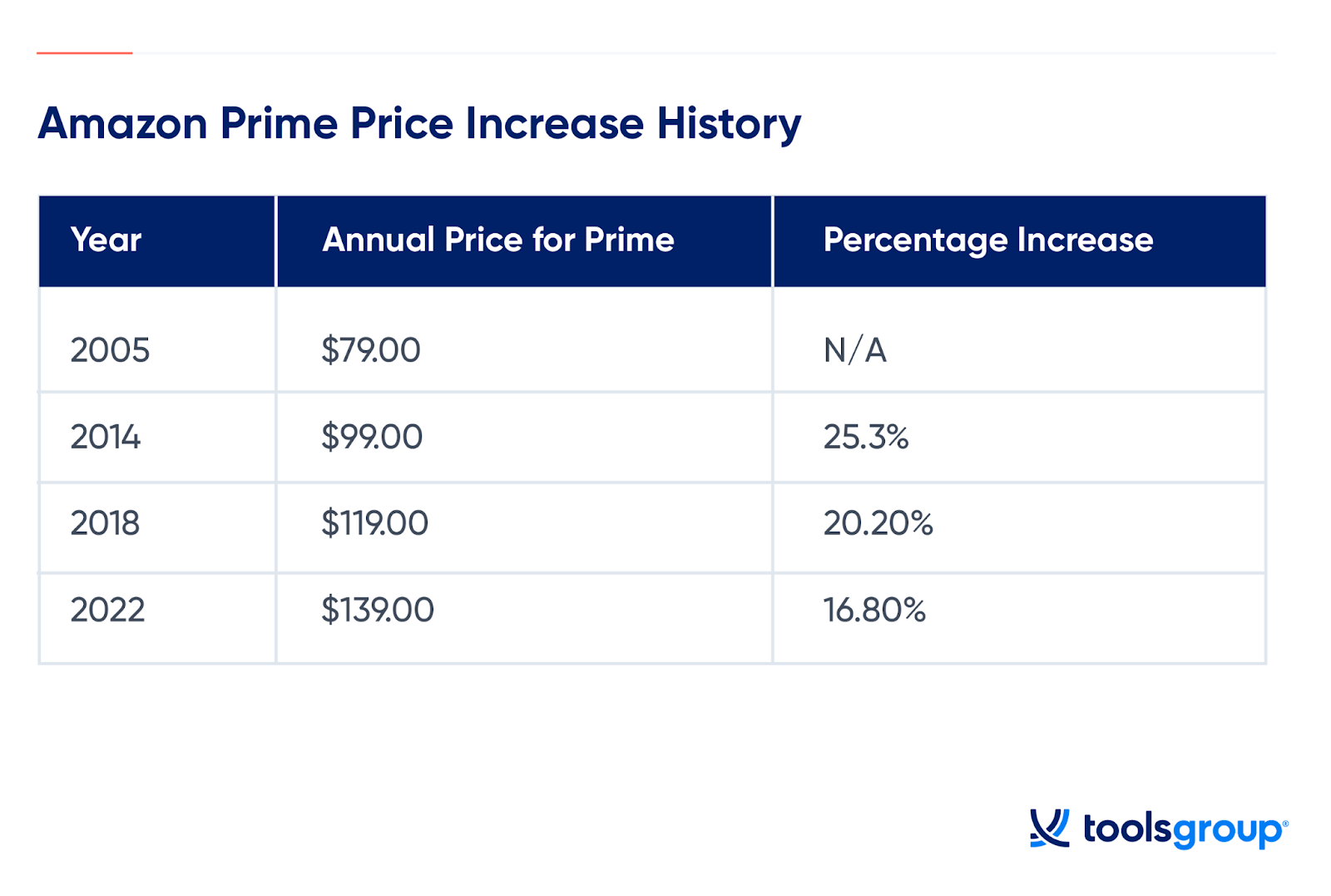
When Amazon first introduced Prime in 2005, the price was set at a modest $79 per year. For nearly a decade, this price point remained stagnant, cementing the service as an essential tool for early adopters of e-commerce. However, as the logistical infrastructure expanded and the “Prime” brand became a household name, the financial structure underwent significant shifts.
Historical Pricing Trends and Inflationary Adjustments
In 2014, the price rose to $99. By 2018, it hit $119, and in 2022, it reached the current $139 per year (or $14.99 per month). From a personal finance perspective, this represents a nearly 76% increase since its inception. While Amazon justifies these hikes by pointing toward increased shipping costs and the multi-billion dollar investment in Prime Video content, the consumer must view these increases through the lens of their own budget.
When analyzing these price hikes, it is essential to consider the “Value-Added Inflation.” While the cost has gone up, so has the breadth of the service. However, for a user who only utilizes the shipping benefits, the real-world inflation rate of the service far outpaces the Consumer Price Index (CPI), making it a more expensive utility than it was a decade ago.
Regional Variations and the Global Cost of Convenience
The question of “how much” also depends heavily on geography. In the United Kingdom, Prime costs roughly £95 per year, while in India, the price is significantly lower to reflect the local purchasing power parity. This tiered global pricing strategy highlights Amazon’s business finance logic: price the service at the maximum “pain point” that the local market can bear without triggering a mass exodus of subscribers. For the savvy financial planner, understanding these regional differences illustrates how much of the subscription fee is subsidizing the localized infrastructure versus the global content library.
The Financial Ecosystem of a Prime Membership
To determine if Prime is “worth it,” one must move beyond the annual fee and look at the internal ecosystem of benefits. The membership is designed to be a “sticky” product—the more services you use, the more “free” the membership feels.
Analyzing the ROI: Shipping vs. Services
For most households, the primary financial driver is shipping. If the average cost of non-Prime shipping is $5.99, a consumer needs to place at least 24 orders per year to break even on the $139 fee. This is the “Break-even Point.”
However, the calculation changes when you factor in the auxiliary services:
- Prime Video: A standalone Netflix subscription can cost upwards of $180 per year. If Prime Video serves as your primary streaming service, the membership pays for itself immediately.
- Prime Reading and Amazon Music: These provide marginal savings for those who would otherwise subscribe to Kindle Unlimited or Spotify.
- Whole Foods Discounts: For those who shop at high-end grocery stores, the 10% discount on sale items can shave hundreds of dollars off an annual food budget.
From a money management standpoint, the ROI is only positive if you are replacing an existing expense with a Prime benefit. If you pay for Prime but still maintain a Netflix and Spotify subscription, the “value” of the digital services is effectively zero.

Hidden Costs and the Psychology of “Free” Shipping
One of the most significant financial risks of a Prime membership is the psychological “sunk cost” fallacy. Once a consumer has paid the $139 fee, they feel a subconscious pressure to use the service to “get their money’s worth.” This often leads to “order fragmentation”—ordering a $5 item today because shipping is free, rather than waiting to bundle it with a larger weekly shop.
Furthermore, studies in consumer behavior suggest that Prime members spend significantly more than non-members—reportedly an average of $1,400 per year compared to $600 for non-members. The “frictionless” nature of the “Buy Now” button, combined with the perception of free shipping, often leads to impulse purchases that can disrupt a carefully planned monthly budget.
Business Finance Perspective: Why Amazon Needs You to Pay
Understanding the “how much” from the consumer side is only half the battle. To truly grasp the financial landscape, we must look at why the subscription model is so vital for Amazon’s corporate finance strategy.
Subscription Revenue as a Stability Buffer
Subscription fees provide Amazon with a massive, predictable influx of “dry powder”—cash that can be reinvested into logistics, AI, and content production. With over 200 million members globally, the annual revenue from memberships alone exceeds $25 billion. This recurring revenue model is a gold mine for investors because it provides a safety net during economic downturns when retail sales might fluctuate.
The Ecosystem Lock-in Effect
From a business strategy perspective, the $139 fee is not just a revenue stream; it is a “moat.” Once a consumer is invested in the Prime ecosystem, the opportunity cost of switching to a competitor like Walmart+ or Target Circle 360 becomes higher. By integrating Prime into every facet of life—from the TV in the living room to the medicine cabinet via Amazon Pharmacy—Amazon creates a financial environment where it is simply easier to stay than to leave. This “lock-in” is a classic example of maximizing Customer Lifetime Value (CLV).
Making the Decision: A Personal Finance Audit
If you are currently evaluating your subscriptions, a cold, hard look at the numbers is required. The question “how much for Prime” should be answered with your own data.
Calculating Your Personal Break-even Point
To perform a Prime audit, follow these three steps:
- Review Order History: Log into your account and count how many orders you placed in the last 12 months. If the number is under 20, you are likely losing money on the membership.
- Evaluate Service Replacement: Honestly assess how often you use Prime Video or Music. If you haven’t opened the apps in a month, they should not be counted toward your ROI.
- Factor in the “Impulse Tax”: Look at your “Buy Now” history. How many of those purchases were necessities, and how many were $10 gadgets you bought because the shipping was free?
Alternatives and Subscription Optimization Strategies
For those who find the $139 price tag too steep, there are several financial maneuvers to consider:
- The “Month-on, Month-off” Strategy: If you only need Prime for holiday shopping or a specific movie release, subscribe for one month and then cancel. This reduces your annual cost to $14.99.
- The Student/Medicaid Discount: Amazon offers significant discounts (nearly 50% off) for students and individuals receiving government assistance. Validating your eligibility for these programs is a high-impact way to save.
- The “Slow Shipping” Credit: For non-urgent items, opting for “No-Rush Shipping” often yields digital credits for eBooks or movie rentals. For frequent shoppers, these credits can offset a significant portion of the annual fee.

Conclusion: The Bottom Line on Prime
The answer to “how much for Prime” is more complex than a single dollar figure. While the nominal cost is $139, the true cost includes the potential for increased impulsive spending and the consolidation of your digital life into a single corporate entity.
For the frequent shopper who utilizes the streaming library and shops at Whole Foods, Prime remains one of the most cost-effective “bundled” services in the world. However, for the minimalist consumer or the budget-conscious household looking to trim the fat, it may be time to move away from the “default” subscription. In the world of personal finance, every dollar must be justified by utility. If Prime isn’t working for your wallet, it’s time to hit the cancel button and reclaim your financial sovereignty.
aViewFromTheCave is a participant in the Amazon Services LLC Associates Program, an affiliate advertising program designed to provide a means for sites to earn advertising fees by advertising and linking to Amazon.com. Amazon, the Amazon logo, AmazonSupply, and the AmazonSupply logo are trademarks of Amazon.com, Inc. or its affiliates. As an Amazon Associate we earn affiliate commissions from qualifying purchases.