
In the modern era of the “subscription economy,” the average household is inundated with recurring monthly expenses. From streaming services to software-as-a-service (SaaS) platforms, consumers are increasingly required to audit their recurring outlays to ensure they are receiving tangible value. One of the most significant contenders in the retail subscription space is Walmart Plus (Walmart+).
Launched as a direct competitor to Amazon Prime, Walmart Plus promises a suite of benefits designed to streamline domestic logistics and reduce household expenditures. However, for the financially conscious consumer, the question remains: does the membership fee translate into a net positive return on investment (ROI)? This article provides an in-depth analysis of the costs, savings potential, and financial strategy behind a Walmart Plus subscription.
Understanding the Walmart Plus Pricing Model
Before evaluating the financial utility of the service, one must understand the various entry points and pricing structures. Walmart has designed its membership to be accessible across different economic demographics, offering both flexibility and a subsidized tier for specific groups.
Standard Membership Fees
As of 2024, the standard cost for Walmart Plus is structured into two primary payment plans:
- Annual Plan: $98 per year (plus applicable taxes).
- Monthly Plan: $12.95 per month.
From a personal finance perspective, the annual plan is the superior choice for long-term users. The monthly plan totals approximately $155.40 over a year, meaning the annual commitment offers a 37% discount. For those who are certain of their loyalty to the brand, paying upfront is a simple way to secure immediate savings.
The Walmart Plus Assist Program
In an effort to expand its market share among budget-conscious demographics, Walmart offers “Walmart Plus Assist.” This program is specifically designed for individuals receiving government assistance, such as SNAP, WIC, Medicaid, or SSI. This tier offers the full suite of benefits for $49 per year or $6.47 per month—effectively a 50% discount. This makes the service one of the most affordable retail memberships on the market for qualifying households.
The 30-Day Free Trial and Promotional Windows
To mitigate the “risk” of the initial investment, Walmart consistently offers a 30-day free trial. For a savvy consumer, this period serves as a crucial data-gathering phase. By tracking how many deliveries are made and how much fuel is saved during these 30 days, a household can accurately project its annual ROI before a single dollar is spent on membership fees.
Quantifying the Direct Financial Benefits
The value of Walmart Plus is not found in the status of the membership, but in the elimination of specific transaction costs. To determine if the membership is “worth it,” one must quantify the savings across three primary pillars: delivery, fuel, and time.
Eliminating Delivery Fees and Shipping Costs
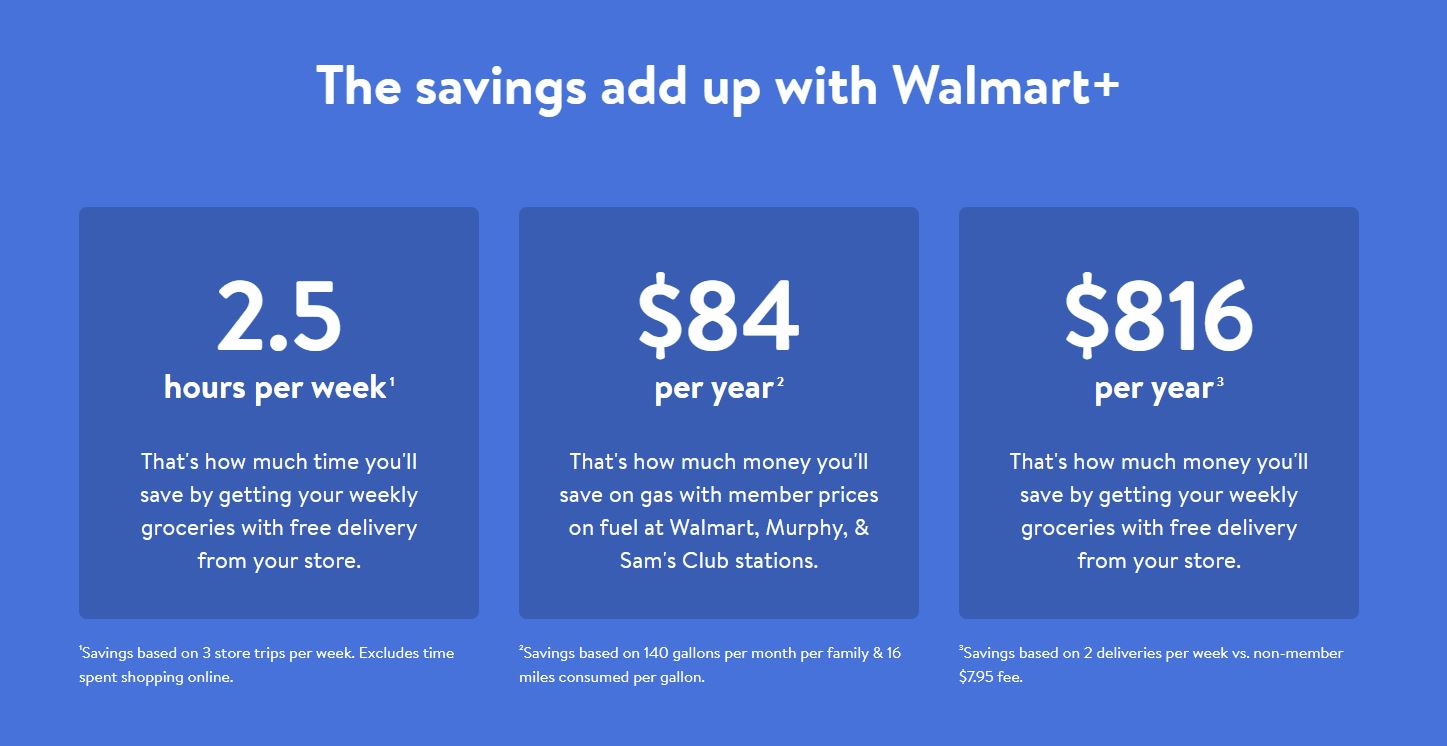
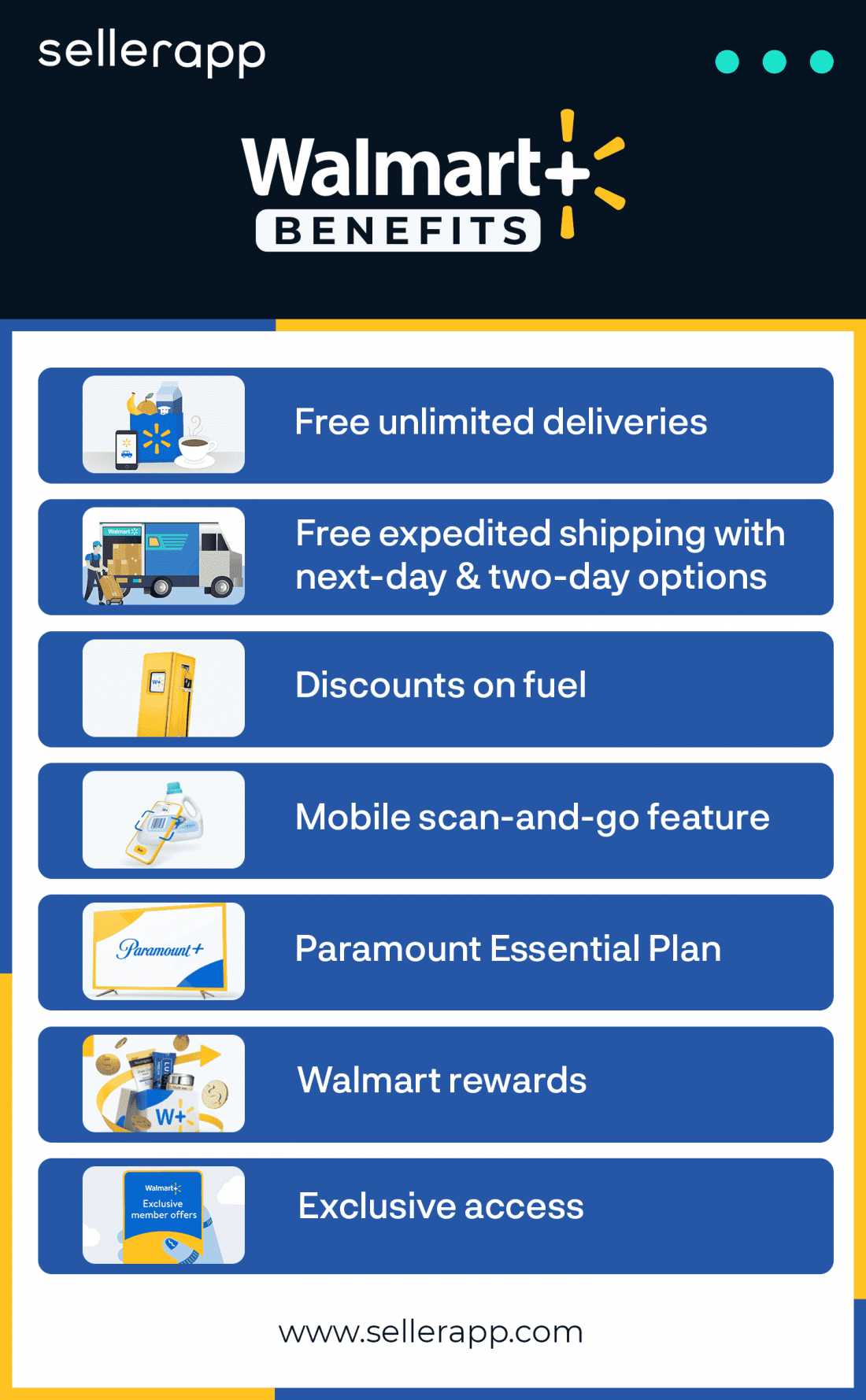
The most prominent feature of Walmart Plus is free delivery from local stores on orders over $35. Without a membership, these deliveries typically incur a fee ranging from $7.95 to $9.95.
Furthermore, Walmart Plus offers “Free Shipping with No Order Minimum” for items shipped by Walmart.com. While non-members must hit a $35 threshold to avoid shipping fees, members can order a single $5 item without penalty.
- The Math: If a household orders groceries twice a month, the savings on delivery fees alone ($15.90 to $19.90) would cover the monthly membership cost. Over a year, this results in a direct saving of roughly $190 to $240, far exceeding the $98 annual fee.
Fuel Discounts and Transportation Logistics
With fluctuating energy prices, the fuel benefit is a significant factor in the personal finance equation. Walmart Plus members receive a discount of up to 10 cents per gallon at over 14,000 locations, including Exxon, Mobil, Walmart, and Murphy stations. Additionally, members gain access to member-only pricing at Sam’s Club fuel centers.
- The Math: For a household that consumes 50 gallons of fuel per month, a 10-cent discount results in $5 per month in savings, or $60 per year. When combined with the savings on delivery, the “break-even” point is reached even faster.
Walmart Rewards and Cash-Back Incentives
Walmart has integrated a “Rewards” program into the Plus membership, which functions similarly to a high-yield cash-back system. Members can “clip” digital coupons that add “Walmart Rewards” to their account balance upon purchase. This balance can then be applied as a credit toward future purchases. Unlike traditional manufacturer coupons, these rewards are digital and frictionless, making it easier for busy families to reduce their total grocery bill without manual labor.
The Hidden Value: Exclusive Perks and Partnerships
Beyond the immediate logistics of retail, Walmart Plus has evolved into a lifestyle bundle. These “soft benefits” carry a specific market value that can be subtracted from the membership cost to determine the “effective price” of the service.
The Paramount+ Integration
One of the most significant additions to the Walmart Plus ecosystem is the inclusion of a Paramount+ Essential plan at no extra cost.
- Market Value: A standalone Paramount+ Essential subscription costs $5.99 per month ($59.99 per year).
- Financial Impact: If a household is already paying for Paramount+, or intended to, the “effective cost” of Walmart Plus drops from $98 to approximately $38 per year. At just over $3 per month, the financial justification becomes nearly undeniable.
Travel Benefits via Expedia
In a strategic move to capture more of the consumer’s “wallet share,” Walmart Plus members receive up to 5% Walmart Plus Travel Credit on hotel bookings, car rentals, and vacation packages powered by Expedia. For a family spending $2,000 on an annual vacation, the 5% credit results in $100 back—effectively paying for the entire year of Walmart Plus in a single transaction.
Early Access and Black Friday Advantages
Members are granted early access to seasonal promotions and Black Friday deals. While difficult to quantify with a fixed dollar amount, this “first-mover advantage” allows members to secure high-demand electronics or household goods at steep discounts before inventory is depleted. In terms of opportunity cost, this ensures that the member is not forced to pay a higher price at a competitor because the discounted item sold out elsewhere.
Walmart Plus vs. Amazon Prime: A Comparative Budget Analysis
When discussing the cost of Walmart Plus, it is impossible to ignore the “elephant in the room”: Amazon Prime. From a financial perspective, the two services cater to different consumer behaviors.
Price Comparison
- Amazon Prime: $139 per year or $14.99 per month.
- Walmart Plus: $98 per year or $12.95 per month.
Walmart Plus is objectively cheaper by $41 per year. For a budget-focused household, this price gap is significant.
Grocery vs. General Merchandise
Amazon Prime’s grocery delivery (via Amazon Fresh or Whole Foods) often carries additional fees even for members, or requires a higher spending threshold. Walmart, conversely, leverages its physical footprint of over 4,700 stores to provide a superior grocery delivery experience. If your primary financial goal is reducing the “convenience tax” on weekly groceries, Walmart Plus generally offers a better ROI than Amazon Prime.
Ecosystem Value
Amazon Prime offers a more robust digital library (Prime Video, Music, Reading). However, Walmart Plus focuses on the “physical” economy—fuel, groceries, and travel. A household looking to optimize its “Money” niche should choose the service that aligns with its highest recurring expense. If you spend more on gas and eggs than on digital movies, Walmart Plus is the fiscally responsible choice.
Is Walmart Plus Worth It? A Final Financial Verdict
To determine if Walmart Plus belongs in your budget, you must conduct a personal “break-even analysis.”
The Break-Even Formula
To find your break-even point, calculate your projected annual savings:
- (Monthly Deliveries x $8 average fee) x 12
- + (Annual Fuel Gallons x $0.10)
- + (Paramount+ Annual Subscription Value of $60)
- + (Estimated Cash Back from Walmart Rewards)
If the sum of these four figures exceeds $98, the membership is an asset. If it falls below, it is a liability.
For Which Households Does It Make Sense?
- The Busy Professional/Parent: The value of time is often overlooked in personal finance. If Walmart Plus saves you two hours of grocery shopping per week (104 hours per year), you are essentially “buying back” your time for less than $1 per hour.
- The Rural/Suburban Commuter: Those who drive frequently and live near a Walmart or Murphy station will find the fuel savings and delivery convenience to be a dual-pronged financial win.
- The Budget-Conscious Senior or Student: With the Assist program and the lower entry price compared to competitors, it serves as an excellent tool for those on a fixed income to stabilize their monthly expenses.

Conclusion
In the final analysis, Walmart Plus is more than just a delivery service; it is a financial tool for household optimization. At $98 per year, it offers a diversified portfolio of savings that—when used strategically—can return several times its cost in realized savings. By auditing your shopping habits and leveraging the fuel, grocery, and streaming benefits, you can transform a recurring expense into a powerful engine for reducing your overall cost of living.
aViewFromTheCave is a participant in the Amazon Services LLC Associates Program, an affiliate advertising program designed to provide a means for sites to earn advertising fees by advertising and linking to Amazon.com. Amazon, the Amazon logo, AmazonSupply, and the AmazonSupply logo are trademarks of Amazon.com, Inc. or its affiliates. As an Amazon Associate we earn affiliate commissions from qualifying purchases.