
The allure of the silver screen remains a powerful draw, offering an escape into stories larger than life, brought to vivid reality on expansive screens with booming sound systems. For many, a trip to the movies is a cherished tradition, a perfect date night, or a family outing. However, in an era of ever-increasing expenses, one common question often arises before even stepping foot into the lobby: “How much does a movie ticket cost?” This seemingly simple query unravels a complex tapestry of pricing strategies, economic factors, and consumer choices, all deeply rooted in the realm of personal finance. Understanding the true cost of a cinematic experience, beyond just the ticket price, is crucial for savvy consumers looking to manage their entertainment budget effectively.
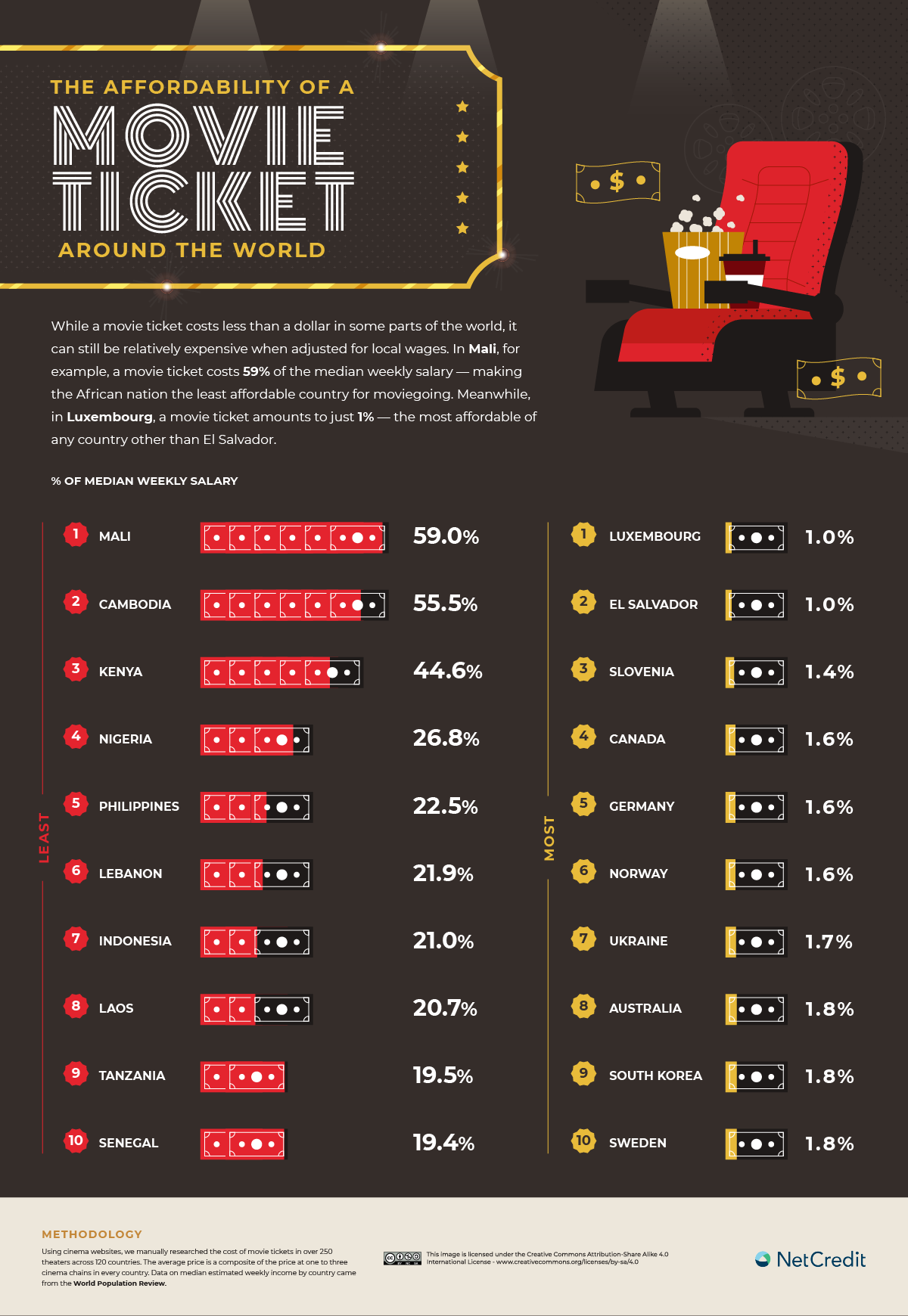
The Dynamic Landscape of Movie Ticket Pricing
Movie ticket prices are far from static. They are influenced by a multitude of variables, making a definitive, universal answer almost impossible. What you pay can differ dramatically based on where you live, when you go, and even the specific cinematic format you choose.
Factors Influencing Ticket Prices
Several key elements contribute to the final price tag of your movie ticket:
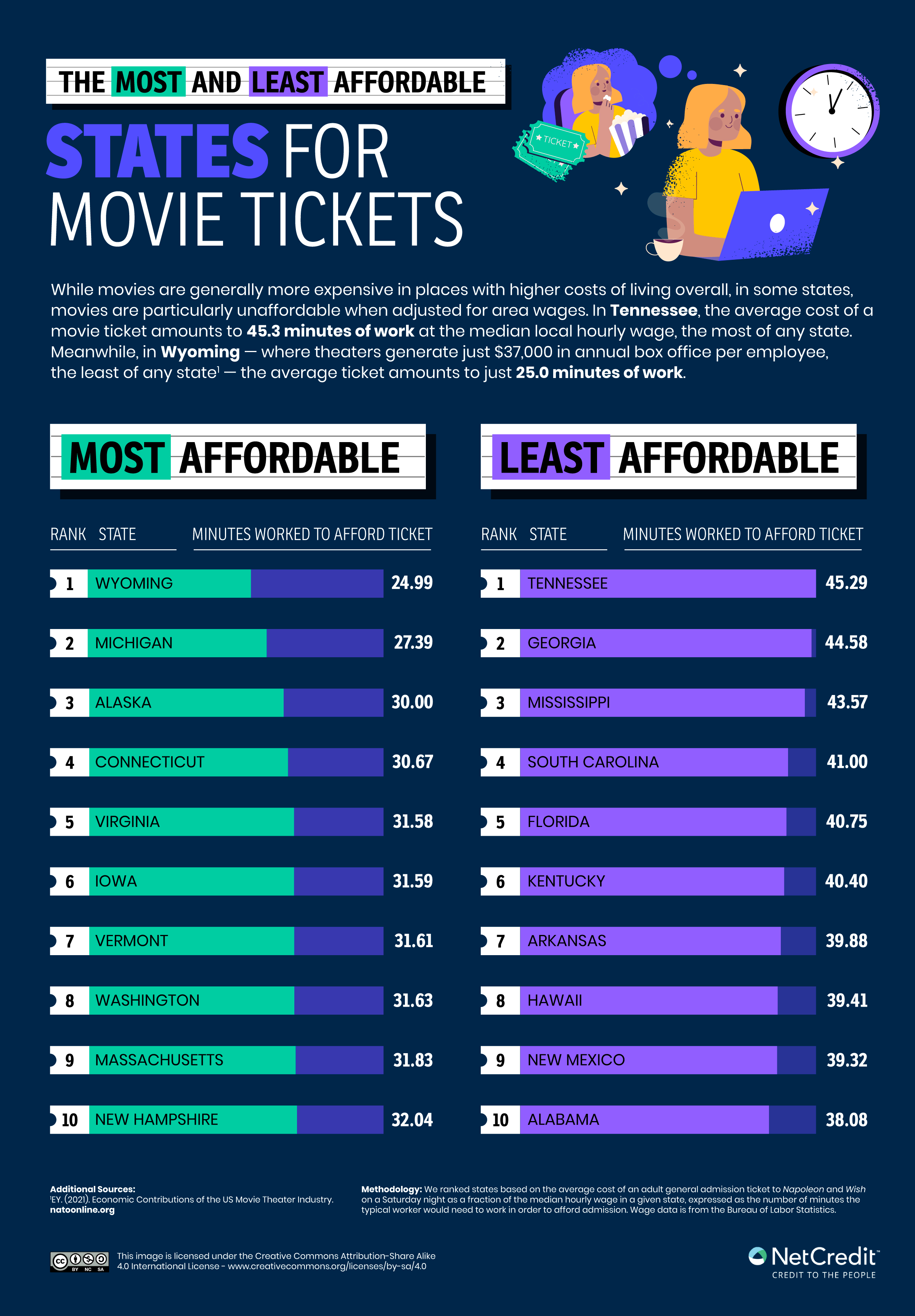
- Location: Perhaps the most significant determinant, location plays a pivotal role. The cost of living and operating a business in major metropolitan areas like New York City or Los Angeles is significantly higher than in a rural town. Consequently, ticket prices in urban centers often command a premium. Property taxes, labor costs, and rent all factor into the theater’s overhead, which is then passed on to the consumer.
- Theater Chain vs. Independent Cinemas: Large national chains (e.g., AMC, Regal, Cinemark) often have standardized pricing structures, though these can still vary by location. Independent theaters, on the other hand, might offer more competitive pricing to attract local audiences or, conversely, charge more for a boutique, specialized experience.
- Format: The evolution of cinema technology has introduced a tiered pricing system. A standard 2D showing is typically the cheapest option. Opting for premium formats such as 3D, IMAX, Dolby Cinema, 4DX, or ScreenX will invariably increase the ticket price. These formats promise enhanced immersion through superior visuals, sound, and sometimes even sensory effects (like moving seats or environmental simulations), justifying their higher cost.
- Showtime: Timing is everything. Matinee showings, typically before 5 or 6 PM, are almost always cheaper than evening shows, capitalizing on lower demand during daytime hours. Weekend and holiday pricing also tends to be higher than weekday rates. Special events, such as Fathom Events, concert films, or limited-run screenings, often carry their own unique price points.
- Age/Status Discounts: Most theaters offer discounted tickets for children, seniors, and sometimes students or military personnel. These concessions are designed to make moviegoing more accessible to specific demographic groups.
- New Releases vs. Older Films: Blockbuster new releases, especially during their opening weeks, usually command the highest prices. As a film ages in its theatrical run, some theaters might offer discounted showings to maintain audience interest.
- Premium Seating/Amenities: Some modern cinemas now offer “luxury” experiences, which include reserved, reclining seats, in-seat food and beverage service, or even full-service dining options. These enhanced comfort and service levels come with a premium price tag on the ticket itself.
Averages and Ranges Across Regions
While a precise national average can be elusive due to the factors above, data from organizations like the National Association of Theatre Owners (NATO) can offer a general benchmark. In the United States, the average movie ticket price has generally hovered around $9 to $10 in recent years. However, this is a broad average that masks significant variations.
For instance, a standard adult ticket in a major metropolitan area like New York City or Los Angeles could easily range from $15 to $20 for a regular 2D evening show, with premium formats pushing prices upwards of $25 to $30. Conversely, in smaller towns or suburban areas, a standard evening ticket might be closer to $10 to $12. International comparisons also highlight these disparities, with some countries having significantly higher or lower average prices due to economic conditions, tax structures, and cultural viewing habits. Understanding these averages and ranges helps consumers gauge whether they are paying a fair price relative to their location and the experience offered.
Beyond the Ticket: The True Cost of a Movie Outing
Focusing solely on the ticket price can be misleading when budgeting for a trip to the cinema. The movie ticket is often just the entry fee; the overall financial outlay can swell considerably once concessions and other ancillary expenses are factored in. For many, these additional costs represent a significant portion – sometimes even the majority – of their total spending.
Concessions: The Profit Powerhouse
The relationship between movie theaters and their concession stands is legendary. It’s no secret that the markup on items like popcorn, soda, and candy is extraordinarily high, often reaching 400% to 900%. While this might seem exorbitant to consumers, it’s a critical financial lifeline for theaters. The vast majority of a theater’s profit margin comes from concession sales, not ticket sales. Ticket revenue is typically split with film distributors, leaving theaters with a much smaller slice. Without the lucrative sales of snacks and beverages, many cinemas would struggle to stay afloat, especially smaller independent venues. This economic reality means that while you might wince at the price of a large popcorn, it’s a vital component of the cinematic ecosystem.
Ancillary Expenses to Consider
The costs associated with a movie outing don’t stop at tickets and concessions. Prudent personal finance dictates considering all potential expenditures:
- Parking/Transportation: Depending on the theater’s location, parking fees can add a considerable sum to your bill. Public transport fares, ride-sharing services, or gasoline costs for driving also contribute to the overall expense.
- Childcare: If you’re a parent planning a date night, the cost of a babysitter or childcare services must be factored in.
- Pre/Post-Movie Meals/Drinks: Many moviegoers couple their cinematic experience with a meal or drinks before or after the show. These restaurant or bar tabs can quickly dwarf the cost of the movie itself.
- Merchandise: While less common for every film, major blockbusters or children’s movies might have associated merchandise available for purchase, tempting attendees to spend more.
The Experiential Value vs. Financial Outlay
With the rising cost of moviegoing, a critical question for consumers is whether the financial outlay is justified by the experiential value. The immersive big screen, powerful sound, communal atmosphere, and escape from home distractions are often cited as reasons to prefer the cinema over streaming. However, the proliferation of high-quality home theaters, large-screen TVs, and diverse streaming services (Netflix, Disney+, Max, etc.) means consumers have compelling alternatives. The decision often boils down to a personal valuation: Is the unique magic of the theatrical experience worth the accumulated cost when compared to the convenience and often lower per-viewing cost of at-home entertainment? For many, it’s a balance of both, choosing the cinema for event films and special occasions, while reserving everyday viewing for home.
Strategies for Savvy Moviegoers: Saving Money on the Big Screen
While the costs associated with a trip to the movies can add up, savvy consumers can employ various strategies to enjoy the big screen experience without breaking the bank. From leveraging loyalty programs to making smart choices at the concession stand, there are numerous ways to mitigate expenses and ensure your entertainment budget stretches further.
Membership Programs and Loyalty Rewards
Many major theater chains have recognized the need to incentivize repeat business and offer substantial savings through membership and loyalty programs:
- Theater-Specific Memberships: Programs like AMC Stubs A-List, Regal Unlimited, or Cinemark Movie Club provide subscribers with a set number of free tickets per month (e.g., three movies a week for A-List, unlimited for Regal Unlimited), often for a monthly fee. These programs also typically include discounts on concessions, waived online ticketing fees, and access to special screenings. For frequent moviegoers, the cost-benefit analysis often favors these memberships, as the savings can quickly outweigh the monthly fee after just a few visits.
- Loyalty Points: Even if you don’t opt for a full subscription, many theaters offer free loyalty programs where you earn points for every dollar spent on tickets and concessions. These points can then be redeemed for free snacks or even tickets in the future.
Utilizing Discounts and Special Offers
Beyond formal membership programs, a plethora of discounts and special offers can significantly reduce your moviegoing expenses:
- Matinee Pricing: As mentioned, choosing earlier showtimes is one of the easiest ways to save money, as matinee tickets are consistently cheaper.
- Discount Days: Many theaters designate specific days (often Tuesdays) as “discount days,” offering significantly reduced ticket prices for all shows.
- Student/Senior/Military Discounts: Always inquire about these specialized discounts if you qualify.
- Group Discounts: If you’re attending with a large party, some theaters offer group rates.
- Employer/Credit Card Perks: Check if your employer or credit card company offers any movie ticket discounts or rewards. Retailers like Costco or Sam’s Club also often sell discounted movie gift cards.
- Promotional Bundles: Keep an eye out for promotional bundles that might combine a ticket with a concession item at a reduced price.
Smart Concession Choices
Addressing the high cost of concessions is paramount for budget-conscious moviegoers:
- Eat Before or After: Planning your meal outside the cinema can save a considerable amount of money, as restaurant prices are generally more competitive than theater concessions.
- Share Concessions: Instead of everyone buying their own, share a large popcorn or a bucket of soda among your group.
- Bring Reusable Water Bottles: Many theaters have water fountains, allowing you to stay hydrated without purchasing overpriced bottled water.
- Ethical Considerations: While some choose to bring outside snacks, it’s important to be aware of each theater’s specific policies, as this practice can impact their vital revenue streams.
Comparing Alternatives: At-Home vs. Cinema
Finally, strategically balancing your entertainment choices can lead to overall savings. For casual viewing or films that don’t necessarily demand the big screen, leveraging streaming services or video-on-demand (VOD) rentals can be a much more cost-effective option. Consider the trade-offs: the cinema offers unparalleled immersion and a social outing, while at-home viewing provides convenience, comfort, and often a lower cost per view, especially for families. By consciously deciding which films warrant a theatrical visit and which are better enjoyed at home, you can optimize your entertainment budget.
The Economic Impact and Future of Cinema Pricing
The landscape of movie ticket pricing is not just a concern for individual consumers; it reflects broader economic trends, industry challenges, and the ongoing evolution of the entertainment sector. The decisions theaters make regarding pricing are deeply intertwined with their struggle for survival and their vision for the future.
Industry Challenges and Revenue Streams
The cinema industry faces a complex array of challenges, directly impacting ticket pricing:
- Competition from Streaming: The rise of streaming platforms has fundamentally altered consumer viewing habits, offering an accessible and often more affordable alternative to theatrical releases. This intense competition puts pressure on theaters to justify their prices.
- Rising Production Costs: Blockbuster films are becoming increasingly expensive to produce, with budgets routinely exceeding $200 million. Distributors demand higher theatrical revenues to recoup these costs, which can translate into higher ticket prices.
- Need for Premium Experiences: To combat the convenience of home viewing, theaters are investing heavily in premium formats (IMAX, Dolby Cinema), luxurious seating, and enhanced amenities. These upgrades are costly and contribute to higher ticket prices, as theaters seek to offer an experience that cannot be replicated at home.
- Dynamic Pricing Models: Increasingly, theaters are experimenting with dynamic pricing, where ticket costs fluctuate based on demand, time of day, day of the week, and even the popularity of a specific film. This model, common in airlines and hotels, aims to maximize revenue but can lead to variable costs for consumers.
Will Prices Continue to Rise?
The trajectory of movie ticket prices is a subject of ongoing debate. Several factors suggest a potential for continued increases:
- Inflationary Pressures: Like all goods and services, movie tickets are subject to general economic inflation, leading to incremental price hikes over time.
- Demand for Exclusive Theatrical Windows: As studios increasingly explore hybrid release strategies (theatrical and streaming simultaneously), the value of an exclusive theatrical window is being highlighted. Theaters may argue for higher ticket prices to compensate for the diminishing exclusivity and shorter timeframes they have to capitalize on new releases.
- Technology Upgrades: The continuous push for better sound, visuals, and comfort requires significant capital investment, which will likely be reflected in ticket prices.
- The Role of Supply and Demand: For highly anticipated blockbusters, strong demand will likely support higher prices, while less popular films or showtimes might see more flexibility.
The Value Proposition of the Theatrical Experience
Ultimately, the future of cinema pricing hinges on the industry’s ability to maintain and enhance the unique value proposition of the theatrical experience. It’s not just about the film itself; it’s about the communal aspect of sharing a story with a large audience, the complete immersion offered by the dark room and colossal screen, and the escape from daily distractions. As streaming services continue to dominate at-home entertainment, theaters must evolve to remain relevant, offering experiences that transcend what can be achieved on a television screen. This may involve further investment in technology, unique programming, improved hospitality, and special events – all of which will have an impact on the price consumers are willing to pay. For moviegoers, understanding these underlying economic forces allows for more informed decisions about where and how to spend their entertainment dollars.

Conclusion
The question “How much does a movie ticket cost?” is, as we’ve explored, more complex than a simple number. It’s a reflection of location, timing, format, and the broader economic dynamics of the entertainment industry. Beyond the ticket itself, the true financial outlay for a cinematic experience often includes significant costs for concessions, parking, and other ancillary expenses, making it a crucial component of personal financial planning.
However, being an informed consumer means more than just being aware of these costs; it means actively seeking strategies to manage them. By leveraging membership programs, taking advantage of discounts, making smart choices at the concession stand, and thoughtfully comparing the cinema experience with at-home alternatives, moviegoers can continue to enjoy the magic of the big screen without unduly straining their budgets. In a world of evolving entertainment options, understanding the financial landscape of moviegoing empowers individuals to make conscious decisions, ensuring that their cinematic adventures remain both enjoyable and financially sustainable.
aViewFromTheCave is a participant in the Amazon Services LLC Associates Program, an affiliate advertising program designed to provide a means for sites to earn advertising fees by advertising and linking to Amazon.com. Amazon, the Amazon logo, AmazonSupply, and the AmazonSupply logo are trademarks of Amazon.com, Inc. or its affiliates. As an Amazon Associate we earn affiliate commissions from qualifying purchases.