
The allure of owning a Tesla extends beyond its sleek design and groundbreaking technology. For many, it represents a commitment to a more sustainable future and a departure from traditional gasoline-powered vehicles. However, the practicality of EV ownership hinges on seamless charging. While public charging stations are becoming more prevalent, the convenience and reliability of a home charging solution, particularly a Tesla Wall Connector, are undeniable. But as with any significant home improvement or technological investment, a crucial question arises: how much does it cost to install a Tesla charger?
This isn’t a simple sticker price. The cost of installing a Tesla charger is a multifaceted equation, influenced by a range of factors from the charger itself to the intricacies of your home’s electrical infrastructure and the labor involved. Understanding these components is essential for budgeting and making an informed decision. This article will delve into the various aspects that contribute to the overall installation cost, drawing upon trends in technology, brand considerations, and the financial implications for homeowners.
The Tesla Charger Itself: Choosing Your Charging Hardware
At the heart of the installation cost is the charging unit. Tesla offers its proprietary Wall Connector, a sleek and efficient charging station designed to integrate seamlessly with their vehicles. This is the most common and recommended option for Tesla owners due to its speed, smart features, and compatibility.
Tesla Wall Connector: The Premium Option
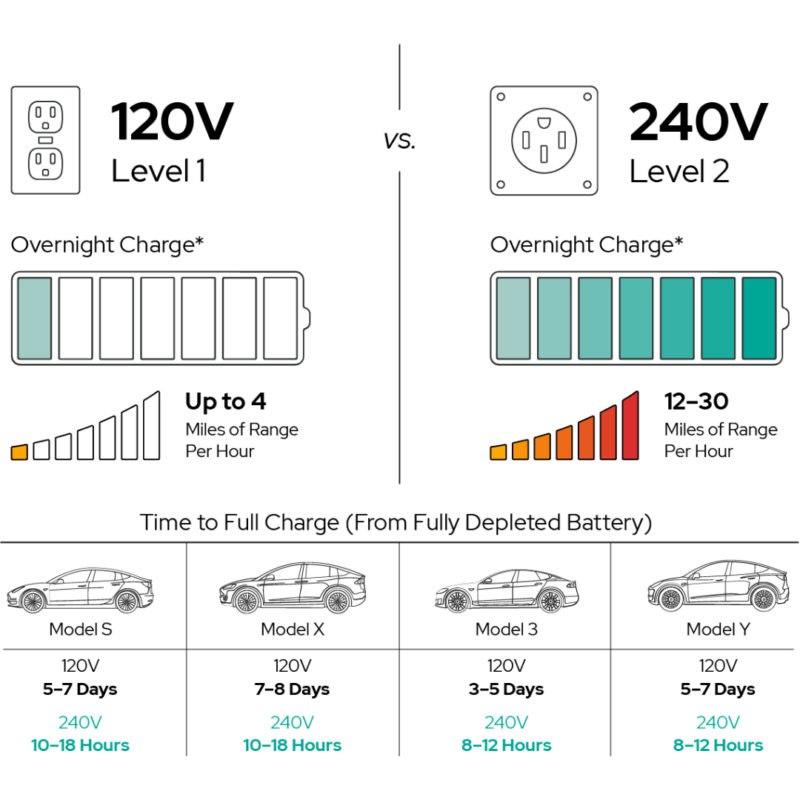
The Tesla Wall Connector (Gen 3 is the current iteration) is generally priced around $550 USD. This cost is for the unit itself and doesn’t include installation. It’s a robust piece of technology, capable of delivering up to 11.5 kW (48 amps) of power, allowing for significantly faster charging than the mobile connector that comes with your Tesla. The Wall Connector also boasts smart features like Wi-Fi connectivity for firmware updates, remote monitoring, and integration with the Tesla app, enabling you to track charging sessions and costs.
While the upfront cost of the Wall Connector might seem substantial, it’s important to view it as an investment. The speed and convenience it offers can translate into significant time savings and peace of mind, especially for those with daily commutes or busy schedules. Furthermore, a professionally installed Wall Connector can add value to your home, particularly in an era where EV adoption is rapidly increasing.
Alternative Chargers and Considerations
While the Tesla Wall Connector is the natural choice for Tesla owners, it’s worth noting that other Level 2 EV chargers are available on the market. These are typically compatible with Teslas via an adapter (which usually comes with your Tesla). Some third-party chargers might offer different feature sets or price points. However, for optimal integration and performance with your Tesla, the Wall Connector remains the preferred option.
When considering the charger hardware, also factor in potential accessories. You might need a longer cable if your garage is exceptionally large, or a mounting bracket if the default installation method isn’t suitable for your wall. These are usually minor costs, but they can add up.
Installation Complexity: The Biggest Variable in Cost
The actual installation of a Tesla charger is where the bulk of the expense lies, and this is where the “how much” question becomes highly variable. The cost is dictated by the complexity of the job, which is primarily determined by your home’s existing electrical setup and the chosen location for the charger.
Electrical Panel Assessment and Upgrades
Your home’s electrical panel, often referred to as the breaker box, is the nerve center of your electrical system. Installing a Level 2 charger, especially a powerful one like the Tesla Wall Connector, requires a dedicated circuit. This often necessitates a panel upgrade or at least the addition of a new breaker.
Sufficient Amperage and Space
Many older homes may not have a modern electrical panel with sufficient amperage (typically a 100-amp or 200-amp service is recommended for EV charging) or enough open spaces to accommodate a new, high-amperage breaker (usually 50-60 amps for a 40-48 amp charger). If your panel is outdated, undersized, or already full, an electrician will need to replace it with a larger, more capable one. This is often the most significant single expense in the installation process.
A full electrical panel upgrade can range from $1,500 to $4,000 or more, depending on the size of the panel, the complexity of the wiring, and local labor rates. This cost includes the new panel, breakers, and the labor to safely connect everything.
Sub-Panel Installation
In some cases, if a full panel upgrade isn’t strictly necessary but space is limited, an electrician might recommend installing a sub-panel. This is a smaller electrical panel that is fed from your main panel, providing dedicated circuits for your EV charger and potentially other future high-demand appliances. The cost of a sub-panel installation is generally lower than a full replacement, potentially ranging from $500 to $1,500, again depending on complexity and labor.
Wiring and Conduit Installation
Once the electrical panel is ready, the charger needs to be connected to it via a dedicated circuit. This involves running electrical wiring from the panel to the location where the Wall Connector will be mounted.
Distance and Obstacles
The distance between your electrical panel and the desired charger location is a primary driver of wiring costs. The longer the run, the more wire needed and the more labor involved in routing it. If the wiring needs to be run through finished walls, attics, basements, or crawl spaces, it will require more effort to conceal and maintain aesthetic appeal, potentially increasing labor costs.
Conduit Requirements
Electrical codes often mandate that wiring be run through conduit, a protective casing, especially for outdoor installations or in certain areas. The type of conduit used (e.g., PVC, EMT) and the complexity of the installation (e.g., trenching for underground runs, bending conduit) will affect the overall cost. Conduit installation can add $200 to $800 or more to the bill, depending on the length and complexity.
Charger Location and Mounting
Where you choose to install your charger also impacts the cost.

Indoor vs. Outdoor Installation
Installing a charger indoors, such as in a garage, is generally simpler and less expensive than an outdoor installation. Outdoor installations require weather-resistant conduit, potentially more robust mounting solutions, and may involve trenching for underground cable runs, all of which add to the cost.
Mounting Surface
The type of wall where the charger will be mounted can also be a factor. Mounting on drywall is straightforward, but if you need to mount it on brick, concrete, or a detached structure like a carport, it may require specialized hardware and more labor.
Labor Costs: The Electrician’s Expertise
The cost of hiring a qualified electrician is a significant component of the total installation expense. Electrician rates vary widely by region, experience, and the size of the company.
Understanding Electrician Rates
You can expect to pay anywhere from $75 to $150 per hour for a licensed and insured electrician. The total labor cost will depend on the number of hours the job takes. A straightforward installation in a new build or a home with a recent panel upgrade might take just a few hours. However, if significant electrical work, such as a panel upgrade or extensive wiring runs, is required, the job could take a full day or more.
Getting Multiple Quotes
To ensure you’re getting a fair price, it is highly recommended to obtain at least three quotes from different reputable electricians. When requesting quotes, be sure to:
- Be specific about your needs: Mention the Tesla Wall Connector model you intend to install and your preferred location.
- Inquire about their experience: Ask if they have prior experience installing EV chargers, specifically Tesla Wall Connectors.
- Request a detailed breakdown: The quote should clearly outline the cost of materials (charger, wire, conduit, breakers, panel if applicable) and labor.
- Confirm licensing and insurance: Ensure the electrician is properly licensed and insured for your protection.
Potential Rebates, Incentives, and Tax Credits: Reducing Your Out-of-Pocket Expense
While the upfront costs can seem daunting, there are often financial incentives designed to encourage EV adoption and home charging infrastructure development. These can significantly offset your total investment.
Federal Tax Credits
The U.S. federal government has offered tax credits for alternative fuel vehicle refueling property. While these can change, historically, there has been a credit for a percentage of the cost of qualified home charging equipment. It’s crucial to check the IRS website or consult with a tax professional for the most current information on federal incentives.
State and Local Rebates
Many states, municipalities, and utility companies offer their own rebates, grants, or tax credits for installing EV charging stations. These programs can vary widely and are often updated or phased out. Researching available incentives in your specific area is a vital step in budgeting. Utility companies, in particular, may offer rebates or special electricity rates for EV charging.
Tesla-Specific Incentives
Occasionally, Tesla itself might offer promotions or partner with installers to provide discounts on hardware or installation. Keeping an eye on Tesla’s website and announcements can be beneficial.
The Total Cost: A Realistic Estimate
Given the variables, providing an exact figure is challenging. However, we can establish a range based on typical scenarios:
-
Basic Installation (Existing Adequate Panel, Short Wire Run):
- Tesla Wall Connector: $550
- Electrician Labor & Materials (wiring, breaker): $500 – $1,500
- Total Estimated Cost: $1,050 – $2,050 (before incentives)
-
Moderate Installation (Panel Upgrade Needed or Longer Wire Run):
- Tesla Wall Connector: $550
- Electrical Panel Upgrade/Sub-Panel: $500 – $4,000
- Electrician Labor & Materials (wiring, conduit): $800 – $2,000
- Total Estimated Cost: $1,850 – $6,550 (before incentives)
-
Complex Installation (Significant Electrical Work, Outdoor Run):
- Tesla Wall Connector: $550
- Major Electrical Work (Panel Upgrade, Trenching): $2,000 – $5,000+
- Electrician Labor & Materials (extensive wiring, conduit): $1,500 – $3,000+
- Total Estimated Cost: $4,050 – $8,550+ (before incentives)
Remember, these are estimates. The actual cost will depend on your specific home, the electrician you choose, and the current market rates for materials and labor. Thorough research and obtaining multiple quotes are your best tools for accurate budgeting.
Conclusion: An Investment in Convenience and Future-Proofing
Installing a Tesla charger is more than just an expense; it’s an investment in the convenience, efficiency, and long-term viability of your electric vehicle ownership. While the initial cost can range from a modest sum to a significant undertaking, understanding the factors involved—the charger itself, the electrical infrastructure of your home, the complexity of the installation, and the expertise of your electrician—allows for informed planning.
By diligently researching available incentives, obtaining detailed quotes, and choosing a reputable electrician, you can navigate the process effectively. The peace of mind and the daily convenience of having a reliable, fast charging solution at home will undoubtedly enhance your Tesla ownership experience and contribute to a more sustainable energy future. As technology continues to evolve and EV adoption grows, the home charging infrastructure is becoming an increasingly valuable asset for any modern homeowner.
aViewFromTheCave is a participant in the Amazon Services LLC Associates Program, an affiliate advertising program designed to provide a means for sites to earn advertising fees by advertising and linking to Amazon.com. Amazon, the Amazon logo, AmazonSupply, and the AmazonSupply logo are trademarks of Amazon.com, Inc. or its affiliates. As an Amazon Associate we earn affiliate commissions from qualifying purchases.