
Insurance is one of the most significant line items in a household or business budget, yet it remains one of the most misunderstood financial products. At its core, insurance is a mechanism for risk transfer—a way to exchange a small, guaranteed loss (the premium) for protection against a large, devastating loss. However, when people ask, “How much does insurance cost?” the answer is rarely a single figure. Instead, it is a complex calculation influenced by individual risk profiles, economic trends, and the specific type of coverage being sought.
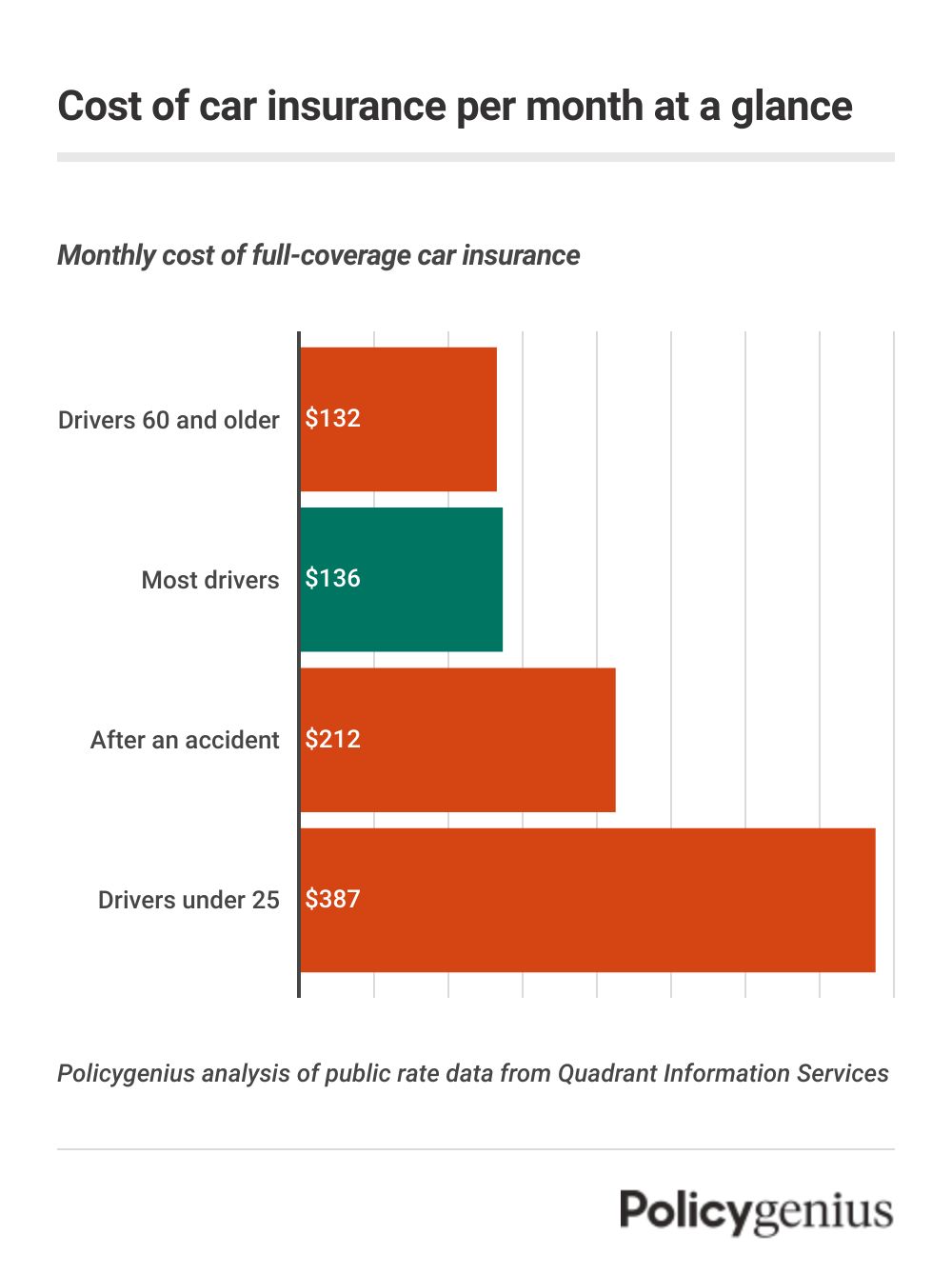
Understanding the cost of insurance is a fundamental pillar of personal finance and wealth management. Without proper coverage, a lifetime of savings can be wiped out by a single health crisis, lawsuit, or natural disaster. Conversely, over-insuring or failing to shop for competitive rates can leak thousands of dollars from your net worth over time. This guide explores the variables that dictate insurance pricing, the costs associated with primary insurance categories, and strategies to optimize your coverage for maximum value.
Understanding the Core Drivers of Insurance Premiums
To understand insurance costs, one must first understand how insurance companies operate. At their heart, insurers are data-driven entities that use probability to price risk. The premium you pay is determined through a process called underwriting, where the company evaluates the likelihood that you will file a claim and the potential severity of that claim.
Risk Assessment and Underwriting Factors
Underwriters look at a wide array of variables to determine your “risk score.” In the world of auto insurance, this includes your driving history, age, and even your credit score in many jurisdictions. For life insurance, it involves your medical history, lifestyle choices (such as smoking), and family longevity.
The logic is simple: the higher the perceived risk, the higher the premium. For instance, a 25-year-old male driver statistically has more accidents than a 50-year-old female driver. Therefore, the younger driver will pay a higher “cost of insurance” for the same vehicle. In financial terms, the premium is the “price” of the risk the insurer is taking off your hands.
The Role of Actuarial Science and Loss Ratios
Insurers employ actuaries to analyze massive datasets to predict future losses. They look at “loss ratios,” which is the ratio of claims paid to premiums collected. If an insurance company pays out $70 in claims for every $100 it collects, it has a 70% loss ratio. To remain profitable and ensure they have enough capital to pay future claims, insurers must adjust their prices based on these ratios. When the frequency of accidents or the cost of medical care rises across the board, premiums for all policyholders generally increase to maintain the solvency of the “risk pool.”
Cost Breakdowns Across Essential Insurance Categories
The “cost” of insurance varies wildly depending on the asset being protected. For most individuals, insurance expenses are concentrated in four main areas: health, life, property (home), and casualty (auto).
Health Insurance: Premiums, Deductibles, and Out-of-Pocket Limits
Health insurance is arguably the most complex and expensive type of coverage. The cost isn’t just the monthly premium; it’s a combination of the premium, the deductible (the amount you pay before insurance kicks in), and the out-of-pocket maximum.
In the United States, for example, a “Silver” plan on the marketplace might cost an individual between $400 and $600 per month, depending on age and location. However, a “Bronze” plan might have a lower premium of $300 but a deductible of $7,000. From a financial planning perspective, the “cost” of health insurance should be calculated as the annual premium plus the expected out-of-pocket costs for regular care.
Life Insurance: Term vs. Whole Life Dynamics
Life insurance pricing is divided into two primary philosophies: Term and Permanent (Whole Life). Term life insurance is relatively inexpensive because it only covers a specific period (e.g., 20 years) and has no cash value. A healthy 30-year-old might secure $500,000 in coverage for as little as $25 to $40 per month.

On the other hand, Whole Life insurance acts as both a death benefit and an investment vehicle. Because it is guaranteed to pay out eventually (as long as premiums are paid) and builds cash value, the premiums can be 10 to 15 times higher than term insurance. For the savvy investor, the “cost” of Whole Life must be weighed against the opportunity cost of investing those same premium dollars into the stock market or other financial instruments.
Property and Casualty: Protecting Assets
Auto and homeowners insurance are influenced heavily by geography and replacement costs. Homeowners insurance usually costs between $1,200 and $4,000 annually for a mid-range home, but this fluctuates based on the home’s proximity to coastlines or fire-prone areas. Auto insurance is similarly volatile, with premiums ranging from $1,500 to $3,000 per year on average. These costs are reflective of the rising price of labor and materials; as it becomes more expensive to repair a modern electric vehicle or rebuild a kitchen after a fire, insurance premiums must rise accordingly.
External Economic Factors Influencing Your Rates
Individual behavior is only half of the equation. Macroeconomic trends play a massive role in how much you pay for insurance, often resulting in “rate hikes” even if you haven’t filed a claim.
Inflation and the Cost of Claims
Inflation is the enemy of stable insurance pricing. When the cost of medical procedures, car parts, and lumber increases, the “severity” of claims increases for the insurer. If it costs 20% more to repair a car this year than it did last year due to supply chain issues or inflation, the insurer must raise premiums to cover that gap. This is why many policyholders see their rates climb even with a perfect driving record—they are paying for the increased cost of the “services” the insurance buys.
Interest Rates and Investment Income
Insurance companies don’t just sit on the premiums they collect; they invest them, primarily in safe, fixed-income securities like bonds. When interest rates are high, insurers earn more on their reserves, which can sometimes allow them to keep premiums more competitive. Conversely, in a low-interest-rate environment, insurers cannot rely as heavily on investment income to bolster their bottom line, forcing them to rely more on “underwriting profit”—which usually means higher premiums for the consumer.
Strategic Ways to Optimize and Reduce Insurance Costs
In the realm of personal finance, insurance should be viewed as a cost to be managed, not a “set-it-and-forget-it” expense. There are several professional strategies to reduce the total cost of ownership for your insurance policies.
Increasing Deductibles and Self-Insuring Small Risks
One of the most effective ways to lower premiums is to increase your deductible. By moving from a $500 deductible to a $1,500 deductible on your auto or home insurance, you can often save 15% to 30% on your annual premium. Financially, this makes sense if you have an emergency fund. You are essentially “self-insuring” the small risks while using the insurance company only for the catastrophic risks that you couldn’t afford to pay out of pocket.
Bundling, Loyalty, and Telematics
Most major insurers offer significant discounts (often 10% to 20%) if you “bundle” multiple policies, such as home and auto, with the same carrier. Furthermore, the rise of “telematics” in the tech-heavy insurance world allows users to trade privacy for lower costs. By installing a tracking device in your car or using a mobile app that monitors your driving habits, you can earn discounts based on actual performance rather than demographic averages.
Improving Your Financial “Insureability”
In many regions, your credit-based insurance score is a major factor in your premium. Maintaining a high credit score signals to insurers that you are financially responsible, which data suggests correlates with being a lower-risk policyholder. Additionally, for life and health insurance, maintaining a healthy BMI, avoiding tobacco, and managing chronic conditions like high blood pressure can move you into a “Preferred Plus” rating tier, potentially saving you tens of thousands of dollars over the life of a policy.

Conclusion: Balancing Cost and Protection
So, how much does insurance cost? It costs as much as the market dictates for the level of risk you represent and the amount of protection you desire. From a financial perspective, the goal is not necessarily to find the cheapest insurance, but the most cost-effective insurance.
Buying the cheapest policy often leads to “under-insurance,” where a single claim could leave you with a massive financial deficit. On the other hand, paying for every possible “rider” and low-deductible plan can drain your monthly cash flow. The key is to strategically manage your risk by understanding the factors insurers use to price their products, keeping your “insurable profile” clean, and regularly auditing your policies to ensure they align with your current financial goals. In the world of money, insurance is your primary defense; investing the time to understand its cost is one of the most important financial moves you can make.
aViewFromTheCave is a participant in the Amazon Services LLC Associates Program, an affiliate advertising program designed to provide a means for sites to earn advertising fees by advertising and linking to Amazon.com. Amazon, the Amazon logo, AmazonSupply, and the AmazonSupply logo are trademarks of Amazon.com, Inc. or its affiliates. As an Amazon Associate we earn affiliate commissions from qualifying purchases.