
For the average driver, car insurance is often viewed as a mandatory monthly “tax” on mobility. However, from a personal finance perspective, auto insurance is one of the most variable and controllable expenses in a household budget. Understanding how much car insurance costs per month—and more importantly, why it costs what it does—is essential for anyone looking to optimize their financial health.
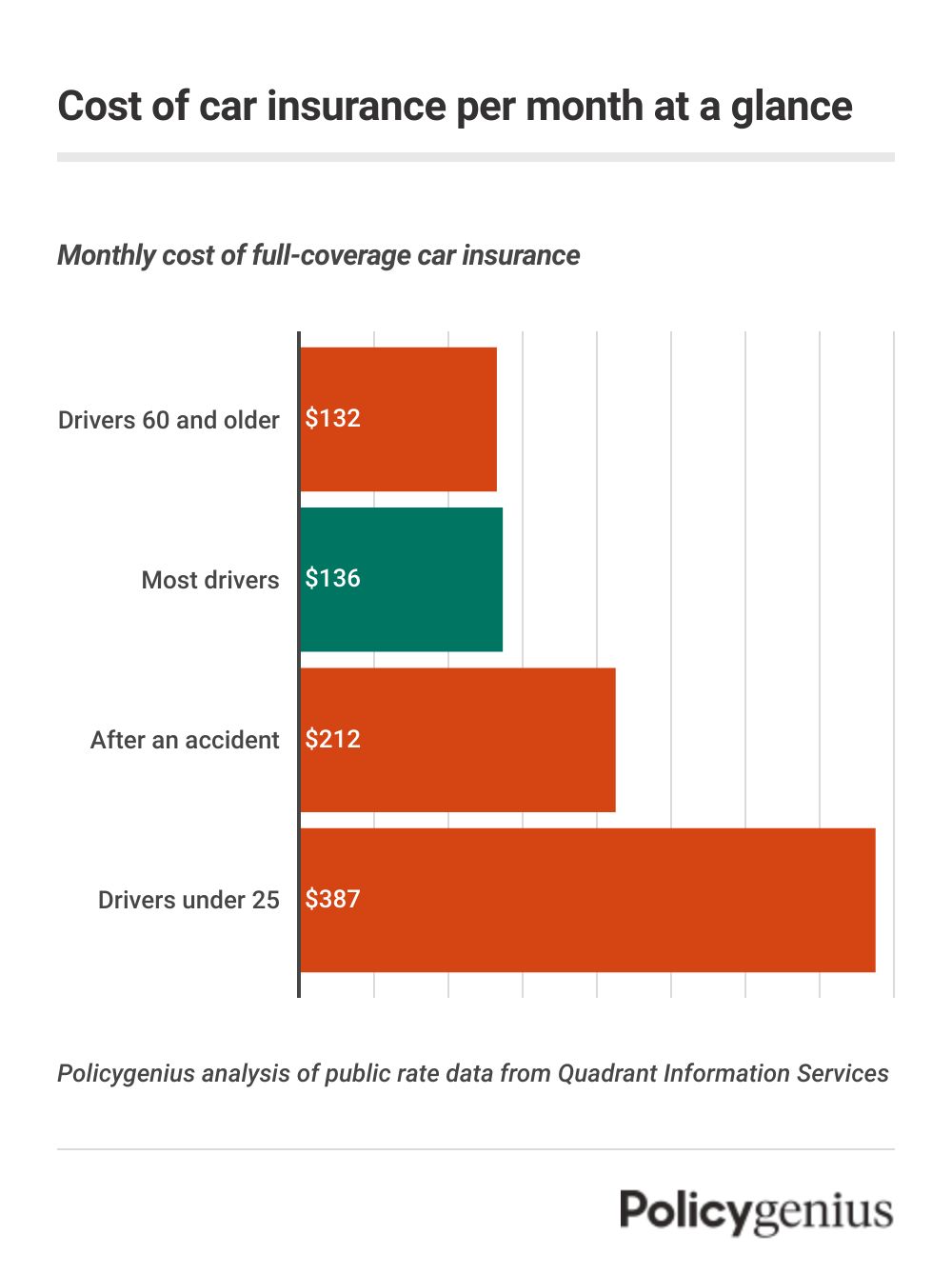
On average, drivers in the United States pay between $150 and $250 per month for full coverage insurance, while minimum liability policies can drop that figure significantly. Yet, these averages hide a complex web of variables. To manage your money effectively, you must look beyond the sticker price and understand the mechanics of risk assessment and premium calculation.
Understanding the National Averages and Regional Disparities
The cost of car insurance is never a “one size fits all” figure. When we talk about monthly costs, we are looking at a snapshot of a highly localized market. Insurance companies are essentially risk-management firms, and their pricing models are built on historical data specific to your geographic location.
The Monthly Breakdown: What to Expect in 2024
As of 2024, the national average for full coverage car insurance hovers around $2,300 per year, which translates to roughly $192 per month. If you opt for the state-mandated minimum coverage, that average drops to approximately $60 to $80 per month. However, “minimum coverage” often leaves individuals financially vulnerable in the event of a major accident, potentially leading to catastrophic out-of-pocket expenses that can derail long-term investment goals.
Why Your Zip Code Dictates Your Bill
Geography is perhaps the most significant “hidden” factor in your monthly premium. Insurance companies analyze density, crime rates, and weather patterns. For example, a driver in a densely populated urban center like Brooklyn or Miami will likely pay 50% to 100% more than a driver in rural South Dakota. This is due to the increased probability of theft, vandalism, and multi-vehicle collisions. Additionally, states with “no-fault” insurance laws often have higher monthly premiums because the insurance companies are required to pay out claims regardless of who caused the accident, increasing the insurer’s overhead.
Key Variables That Influence Your Monthly Premium
To master your personal finances, you must understand the levers you can pull to adjust your expenses. Car insurance premiums are calculated based on a “risk profile.” By understanding what goes into this profile, you can take steps to move into a lower-risk category.
The Impact of Driving History and Credit Scores
In the world of finance, your track record is everything. A clean driving record—free of speeding tickets, at-fault accidents, or DUIs—is the most effective way to keep monthly costs low. A single at-fault accident can spike your monthly premium by 30% or more for up to three years.
Equally important, though often overlooked, is your credit-based insurance score. In most states, insurers use your credit history as a predictor of future claims. Statistically, individuals with higher credit scores are less likely to file claims. From a money-management perspective, improving your credit score doesn’t just lower your interest rates on loans; it directly reduces your monthly car insurance outflow.
Vehicle Make, Model, and Safety Ratings
The car you drive is a primary component of your monthly premium. It isn’t just about the price of the car; it’s about the cost of repairing it and its likelihood of being stolen. A $50,000 luxury SUV might cost more to insure than a $50,000 electric sedan because of specialized parts or a higher theft rate. Furthermore, vehicles equipped with advanced driver-assistance systems (ADAS), such as automatic emergency braking and lane-departure warnings, often qualify for safety discounts, though the high cost of repairing these sensors can sometimes offset those savings.
Coverage Limits and Deductibles: The Financial Trade-off
Your monthly premium is intrinsically linked to your deductible—the amount you pay out-of-pocket before insurance kicks in. Choosing a $1,000 deductible instead of a $500 deductible can lower your monthly payment by 15% to 30%. This is a strategic financial decision. If you have a robust emergency fund, taking a higher deductible is a savvy way to reduce fixed monthly costs. However, if you are living paycheck to paycheck, a lower deductible provides a necessary safety net against sudden capital requirements.
Strategies to Lower Your Monthly Outflow
Once you understand the “why” behind your bill, you can implement specific strategies to reduce it. In personal finance, small recurring savings have a massive “compounding” effect when redirected into high-yield savings or investment accounts.
Maximizing Discounts and Bundling
The most common way to slash monthly premiums is through “bundling.” By combining your homeowners or renters insurance with your auto policy, most major carriers will offer a multi-policy discount ranging from 10% to 25%. Additionally, look for “affinity discounts.” Many insurers offer lower rates to members of specific professions (teachers, engineers, military), alumni associations, or even certain credit unions.
Telematics and Usage-Based Insurance
We are currently seeing a shift in how insurance is priced, moving away from demographic averages and toward individual behavior. Telematics programs—where you install a small device in your car or use a smartphone app—track your braking, acceleration, and mileage. For cautious drivers or those who work from home and have low annual mileage, usage-based insurance can result in savings of up to 40% per month. This “pay-how-you-drive” model allows the financially disciplined driver to decouple themselves from the risk profiles of their more reckless peers.
Integrating Car Insurance into Your Monthly Budget
From a holistic financial planning perspective, car insurance should not be viewed in isolation. It is a tool for asset protection. If you have significant net worth, carrying high liability limits is essential to protect your investments from lawsuits resulting from an accident.
Sinking Funds vs. Monthly Payments
Many insurance companies charge a “convenience fee” or an “installment fee” for paying your premium monthly rather than every six months or annually. These fees can range from $1 to $10 per month. While this seems small, it represents a high-interest charge on the “loan” the insurance company is giving you by letting you pay over time.
A smarter financial move is to set up a “sinking fund.” Calculate your total annual insurance cost, divide it by 12, and automate that amount into a high-yield savings account every month. When the six-month or annual bill arrives, you can pay it in full, avoid the installment fees, and keep the interest earned in your savings account for yourself.
Reviewing Your Policy for Long-Term Wealth Preservation
As your life changes, your insurance needs evolve. If you are driving an older vehicle that is paid off, you may reach a point where the monthly cost of collision and comprehensive coverage exceeds the potential payout (the “book value” of the car minus your deductible). At this stage, dropping to “liability-only” coverage can free up significant monthly cash flow that can be better utilized in a retirement account or used to pay down high-interest debt.

Conclusion: Making Informed Financial Decisions
The question “how much does car insurance cost per month” is the starting point for a deeper conversation about financial responsibility and risk management. While the average driver might settle for whatever quote they receive first, the financially savvy individual recognizes that premiums are dynamic.
By maintaining an excellent credit score, choosing a vehicle with high safety ratings, strategically selecting deductibles, and leveraging telematics, you can drive your monthly costs down significantly. Ultimately, every dollar saved on your car insurance premium is a dollar that can be put to work in your broader investment portfolio, turning a mandatory expense into a component of your long-term wealth-building strategy. Treat your insurance like any other financial product: shop around annually, understand the fine print, and ensure it provides the maximum protection for the minimum necessary cost.
aViewFromTheCave is a participant in the Amazon Services LLC Associates Program, an affiliate advertising program designed to provide a means for sites to earn advertising fees by advertising and linking to Amazon.com. Amazon, the Amazon logo, AmazonSupply, and the AmazonSupply logo are trademarks of Amazon.com, Inc. or its affiliates. As an Amazon Associate we earn affiliate commissions from qualifying purchases.