
The journey toward homeownership is one of the most significant financial milestones in an individual’s life. However, before you start browsing listings or attending open houses, there is a fundamental question that dictates the entire process: “How much do I qualify for a home loan?” Understanding your borrowing power is not just about knowing a final number; it is about understanding the complex interplay of your income, debts, credit history, and the current economic climate.
Lenders use a specific set of mathematical formulas to determine how much risk they are willing to take. For the borrower, navigating these formulas is essential to setting realistic expectations and ensuring long-term financial stability. This guide explores the intricate mechanics of mortgage qualification and provides the insights necessary to maximize your purchasing power.
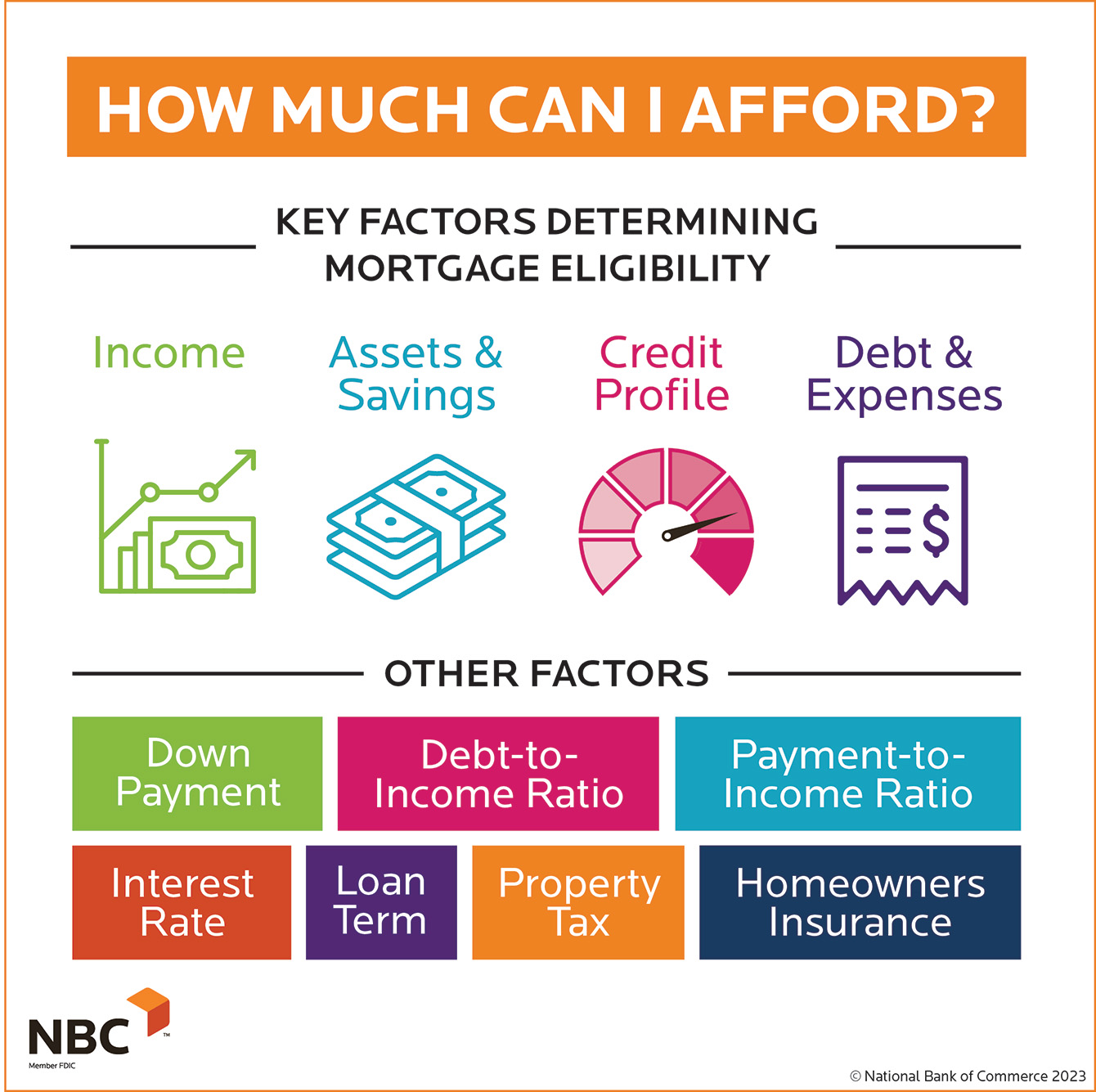
Understanding the Pillars of Mortgage Qualification
When a financial institution evaluates a mortgage application, they are essentially looking for proof of your ability to repay the debt over 15 to 30 years. This evaluation rests on several core pillars, the most prominent being your Debt-to-Income (DTI) ratio and your credit health.
The Role of the Debt-to-Income (DTI) Ratio
The Debt-to-Income ratio is perhaps the most critical metric in the mortgage industry. It is a percentage that represents how much of your gross monthly income goes toward paying debts. Lenders typically look at two types of DTI: the “front-end” and the “back-end.”
The front-end ratio calculates the percentage of your income that will go toward housing expenses alone, including the principal, interest, taxes, and insurance (PITI). Most lenders prefer this to stay below 28%. The back-end ratio includes your prospective mortgage payment plus all other monthly obligations, such as car loans, student loans, and credit card minimums. Ideally, your back-end DTI should not exceed 36% to 43%, though some government-backed programs allow for higher thresholds. Understanding this ratio helps you see your finances through the eyes of an underwriter.
The Impact of Your Credit Score on Loan Limits
While your income determines the ceiling of what you can theoretically afford, your credit score determines the cost of borrowing that money. A high credit score (typically 740 or above) grants you access to the lowest interest rates available. Because a lower interest rate reduces your monthly interest expense, more of your monthly payment can be applied to the principal.
Consequently, a borrower with a 780 credit score may qualify for a significantly higher loan amount than a borrower with a 620 score, even if their incomes are identical. The lower interest rate increases “affordability” within the constraints of the DTI ratio. Before applying, it is vital to review your credit report for errors and ensure your utilization remains low to present the strongest possible financial profile.
The Financial Metrics Lenders Use to Evaluate You
Beyond the basic ratios, lenders conduct a deep dive into your financial history to ensure that your income is stable, predictable, and likely to continue. They are not just looking at how much you make today, but how consistently you have made it in the past.
Proof of Income and Employment History
Stability is the hallmark of a qualified borrower. Most lenders require at least two years of consistent employment in the same field. If you are a W-2 employee, this is verified through pay stubs and tax returns. However, if you are self-employed or a “gig economy” worker, the process becomes more complex.
For the self-employed, lenders typically average the “net” income reported on tax returns over the last two years. This can be a hurdle for entrepreneurs who utilize significant tax deductions to lower their taxable income, as those same deductions also lower their “qualifying income” for a home loan. Understanding how your tax filings impact your borrowing power is a crucial step in the pre-qualification process.
Assets and Cash Reserves
Qualification isn’t just about what you earn; it’s about what you’ve saved. Lenders look for “liquid assets”—money in checking, savings, or investment accounts—to ensure you can cover the down payment and closing costs. Additionally, they often require “reserves,” which are a set number of months’ worth of mortgage payments held in the bank after the home purchase is complete.
Having substantial assets acts as a “compensating factor.” If your DTI is slightly higher than preferred, having twelve months of mortgage payments in a savings account may convince an underwriter that you are a low-risk candidate. This safety net provides the lender with confidence that you can handle financial emergencies without defaulting on the loan.

How Your Down Payment Influences Your Loan Amount
The amount of money you bring to the closing table has a direct correlation with the size of the loan you can obtain. The down payment serves as the lender’s “margin of safety.”
The 20% Rule vs. Low Down Payment Programs
Traditionally, a 20% down payment has been the gold standard. It allows the borrower to avoid Private Mortgage Insurance (PMI) and immediately establishes significant equity in the home. However, in today’s market, many qualify for loans with as little as 3% or 3.5% down through conventional or FHA programs.
It is important to recognize that while a smaller down payment makes homeownership accessible sooner, it increases the total loan amount and, consequently, the monthly interest expense. If you are at the edge of your DTI limit, increasing your down payment might be the only way to qualify for a specific loan amount, as it lowers the amount of debt you need to service each month.
Private Mortgage Insurance (PMI) Considerations
For those putting down less than 20%, PMI is an additional monthly cost that must be factored into the qualification math. PMI protects the lender, not the borrower, in the event of a default. Because this insurance premium is added to your monthly PITI, it effectively reduces the amount of “loan” you qualify for. When calculating your affordability, you must account for these insurance premiums, as they can range from 0.5% to 1.5% of the total loan amount annually, impacting your debt ratios significantly.
External Factors: Interest Rates and Loan Types
Even if your personal finances remain unchanged, external economic factors can shift your borrowing power overnight. The mortgage market is sensitive to inflation, Federal Reserve policy, and global economic trends.
Fixed-Rate vs. Adjustable-Rate Mortgages
The type of loan you choose affects your qualification. A Fixed-Rate Mortgage (FRM) offers stability, with the same interest rate for the duration of the loan. An Adjustable-Rate Mortgage (ARM) usually starts with a lower “teaser” rate for a set period (e.g., five or seven years) before adjusting based on market indices.
Because ARM initial rates are often lower, they can help a borrower qualify for a larger loan amount initially. However, lenders often “stress test” your ability to pay by qualifying you at a higher rate than the initial teaser to ensure you can afford the payments if the rate increases later. Understanding the nuances of these loan products is essential for aligning your mortgage with your long-term financial strategy.
Conventional vs. Government-Backed Loans (FHA, VA, USDA)
Different loan programs have different qualification “appetites.”
- Conventional Loans: Usually require higher credit scores and lower DTI ratios but offer more flexibility once equity is reached.
- FHA Loans: Designed for first-time buyers or those with lower credit scores. They allow for higher DTI ratios (sometimes up to 50% or more), which can help you qualify for a higher loan amount than a conventional lender would allow.
- VA Loans: Available to veterans and active-duty service members, these often require zero down payment and have very competitive interest rates, significantly boosting borrowing power for those who serve.
Practical Steps to Maximize Your Qualification Limit
If your initial calculations suggest you cannot qualify for the amount you need, there are proactive steps you can take to improve your financial standing and increase your borrowing capacity.
Strategies for Reducing Existing Debt
Since the DTI ratio is the primary hurdle for many, reducing monthly debt obligations is the most effective way to qualify for more. This is often referred to as “buying back” your income. For every $100 you eliminate in monthly debt (like a credit card or car payment), you can potentially qualify for tens of thousands of dollars more in mortgage principal. Focusing on paying off small, high-interest debts before applying can have a disproportionately positive impact on your qualification limit.

Timing Your Application for Optimal Market Conditions
Finally, patience can be a financial virtue. If interest rates are currently at a cyclical peak, waiting for a minor cooling in the market could save you hundreds of dollars a month. Additionally, avoid making large purchases—such as a new car or furniture on credit—in the six months leading up to your application. New credit inquiries and increased debt can lower your score and tighten your DTI, potentially disqualifying you from the home loan amount you were previously eligible for.
In conclusion, “how much you qualify for” is a dynamic figure. By mastering the metrics of DTI, credit health, and loan structures, you can navigate the mortgage process with confidence. Professional financial preparation ensures that when you do find the right home, you have the financial backing to secure it.
aViewFromTheCave is a participant in the Amazon Services LLC Associates Program, an affiliate advertising program designed to provide a means for sites to earn advertising fees by advertising and linking to Amazon.com. Amazon, the Amazon logo, AmazonSupply, and the AmazonSupply logo are trademarks of Amazon.com, Inc. or its affiliates. As an Amazon Associate we earn affiliate commissions from qualifying purchases.