
Purchasing a home is arguably the most significant financial commitment you will ever make. Whether you are a first-time homebuyer or looking to upgrade to a larger property, the question “How much can I qualify for a mortgage?” is the fundamental starting point of your journey. Understanding your borrowing power is not just about a single number provided by a bank; it is a complex calculation involving your income, debts, credit health, and the current economic landscape.
In this guide, we will break down the mechanics of mortgage qualification, explore the factors that lenders scrutinize, and provide you with the financial insight needed to navigate the path to homeownership with confidence.
The Core Pillars of Mortgage Qualification
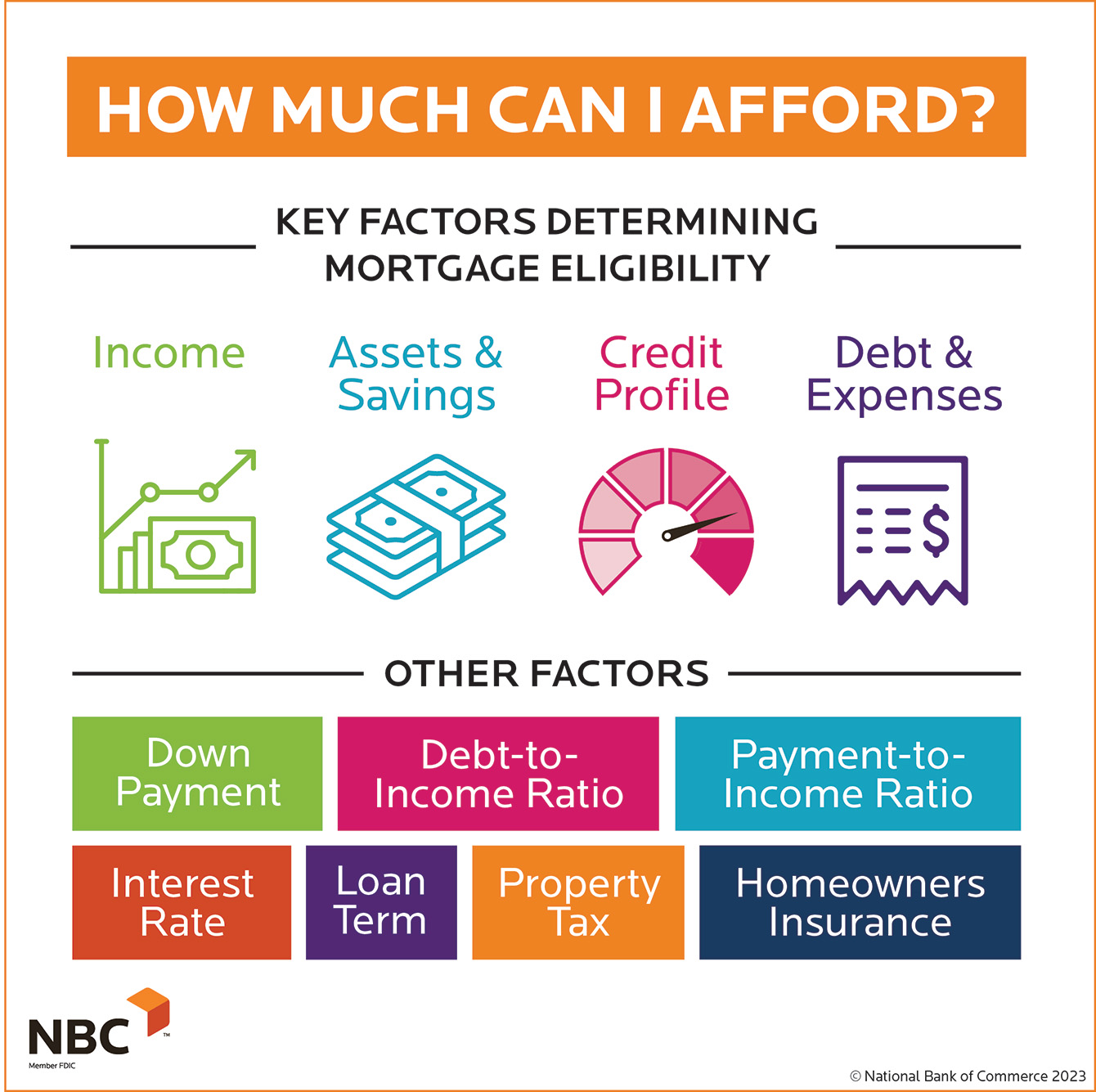
When a lender evaluates your application, they are essentially trying to predict the future risk of default. To do this, they rely on several core financial pillars that provide a snapshot of your current fiscal health and your ability to manage long-term debt.
Debt-to-Income (DTI) Ratio: The Lender’s Golden Rule
The Debt-to-Income (DTI) ratio is perhaps the most critical metric in determining your loan amount. It compares your total monthly debt obligations to your gross monthly income (before taxes). Lenders typically look at two types of DTI:
- Front-End Ratio: This is the percentage of your gross income that would go toward housing expenses (mortgage principal, interest, taxes, and insurance). Most lenders prefer this to be below 28%.
- Back-End Ratio: This includes your housing expenses plus all other recurring monthly debts, such as car loans, student loans, and credit card minimums. Generally, a back-end DTI of 36% to 43% is the limit for conventional loans, though some government-backed programs allow higher.
Credit Score and Financial History
Your credit score is a numerical representation of your creditworthiness. It tells lenders how responsibly you have handled borrowed money in the past. A higher score typically leads to two things: a higher qualification amount and a lower interest rate.
While you can qualify for certain loans (like FHA) with a score as low as 580, a score of 740 or higher is generally required to secure the best rates and the largest loan amounts. Lenders also look for “thin” credit files or a history of late payments, which can decrease your borrowing ceiling even if your income is high.
Employment Stability and Proof of Income
Lenders value consistency. They typically want to see at least two years of steady employment in the same field. If you are a W-2 employee, this is straightforward. However, if you are self-employed or a gig-economy worker, qualification can be more rigorous. You will likely need to provide two years of tax returns, and lenders will use your “net” income (after business deductions) rather than your gross revenue to determine how much you qualify for.
Beyond the Monthly Payment: Down Payments and Interest Rates
Your borrowing power is not just a reflection of your income; it is also heavily influenced by the capital you bring to the table and the cost of borrowing money at the time of your application.
The Impact of Down Payment Size
While it is a myth that you must have a 20% down payment to buy a home, the amount you put down directly affects your loan-to-value (LTV) ratio. A larger down payment reduces the lender’s risk, which can lead to more favorable loan terms. Furthermore, the more cash you provide upfront, the less you need to borrow, which can help you stay within the DTI limits even if the house price is high.
How Interest Rates Dictate Your Purchasing Power
Interest rates are the “price” of money. When interest rates rise, your monthly payment for the same loan amount increases. Consequently, as rates go up, the total amount you can qualify for goes down. For example, a 1% increase in interest rates can reduce your buying power by approximately 10%. Keeping an eye on the Federal Reserve and market trends is essential for timing your mortgage application to maximize your qualification amount.
Private Mortgage Insurance (PMI) Considerations
If you put down less than 20% on a conventional loan, you will likely be required to pay Private Mortgage Insurance (PMI). This is an additional monthly cost that protects the lender. Because PMI is a recurring expense, it is factored into your back-end DTI ratio. If your DTI is already near the limit, the added cost of PMI could actually lower the total mortgage amount you are eligible to receive.
Understanding Loan Types and Their Qualifying Criteria
Not all mortgages are created equal. Different loan products have different “envelopes” of qualification, and choosing the right one can significantly impact how much you can borrow.

Conventional Loans
Conventional loans are the standard for those with strong credit and stable finances. They are not insured by the federal government and usually follow the guidelines set by Fannie Mae and Freddie Mac. To qualify for the maximum amount under a conventional loan, you usually need a lower DTI and a higher credit score compared to other programs.
FHA and VA Loans for Specialized Needs
- FHA Loans: Insured by the Federal Housing Administration, these are popular for buyers with lower credit scores or smaller down payments (as low as 3.5%). Because the government insures these loans, lenders are often willing to allow a higher DTI ratio, sometimes up to 50% or more, which may allow you to qualify for a larger loan than you would with a conventional product.
- VA Loans: Available to veterans and active-duty service members, these are among the most powerful financial tools in real estate. They often require $0 down and have no PMI, significantly increasing the borrowing power of those who qualify.
Jumbo Loans for High-End Markets
If you are looking to buy in a high-cost area where the loan amount exceeds the “conforming limits” set by the FHFA, you will need a Jumbo Loan. These require much stricter qualification criteria, including higher credit scores (often 700+), larger cash reserves (6–12 months of payments in the bank), and a lower DTI.
Practical Steps to Maximize Your Mortgage Potential
If you find that your current qualification limit isn’t enough to buy the home you want, there are strategic financial moves you can make to boost your borrowing power before you apply.
Reducing Existing Debt
The fastest way to improve your DTI is to pay off existing debt. Prioritize high-interest credit card debt or small personal loans. Even paying off a $300 monthly car payment can potentially increase your mortgage borrowing capacity by tens of thousands of dollars, as that $300 is “freed up” to be applied toward a mortgage payment in the lender’s eyes.
Boosting Your Credit Profile
Six months to a year before applying for a mortgage, take steps to polish your credit. Avoid opening new credit lines or making large purchases on credit (like a new car), as these can lower your score and increase your DTI. Regularly check your credit report for errors and dispute any inaccuracies that might be dragging your score down.
Getting Pre-Approved vs. Pre-Qualified
It is vital to understand the difference between these two terms. Pre-qualification is a high-level estimate based on unverified information you provide. Pre-approval is a much more rigorous process where a lender verifies your income, assets, and credit. A pre-approval letter gives you a definitive answer on how much you can qualify for and makes your offer much stronger in a competitive market.
The “Affordability” Reality Check
There is a major difference between what a bank says you can qualify for and what you can actually afford. Lenders don’t account for your lifestyle choices—your travel budget, grocery habits, or childcare expenses.
The 28/36 Rule
A classic rule of thumb in personal finance is the 28/36 rule. It suggests that you spend no more than 28% of your gross monthly income on housing and no more than 36% on total debt. While lenders might allow you to go higher (up to 43% or 50%), doing so can leave you “house poor,” where you have a beautiful home but no discretionary income to enjoy life or save for retirement.
Accounting for Hidden Homeownership Costs
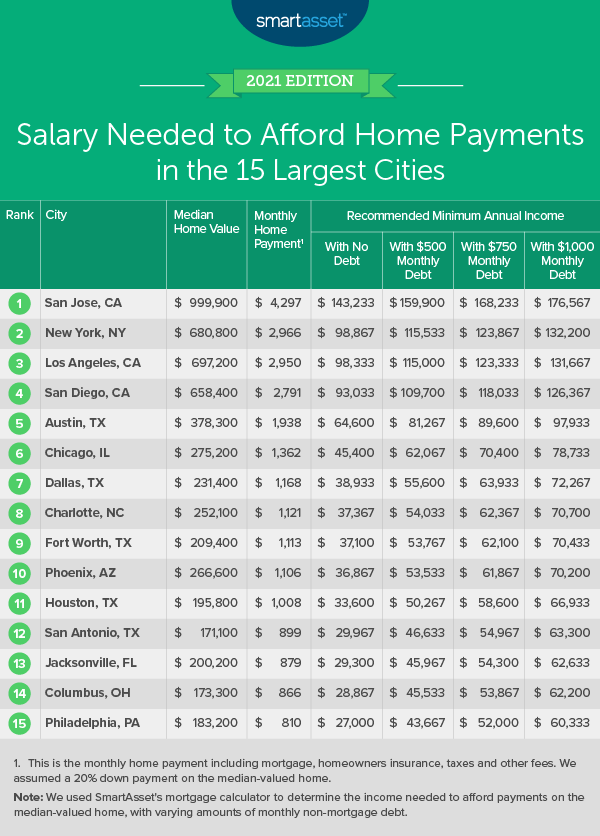
When calculating your own qualification limit, remember to factor in the costs that don’t appear on the mortgage statement. Property taxes and homeowners insurance are usually part of the escrow, but maintenance, repairs, and utilities are not. Experts recommend setting aside 1% to 2% of the home’s value annually for maintenance. If you qualify for a $500,000 mortgage, ensure you can also afford the $5,000 to $10,000 a year it will take to keep the property in good condition.
Conclusion
Qualifying for a mortgage is a multifaceted process that blends your personal financial history with broader economic variables. By understanding the mechanics of DTI, the importance of credit health, and the nuances of various loan products, you can position yourself to secure the best possible terms.
However, the ultimate “qualification” should come from your own budget. Use the lender’s numbers as a ceiling, but use your personal financial goals as your guide. When you find the balance between what you can borrow and what you should borrow, you ensure that your new home is a foundation for wealth building rather than a source of financial stress.
aViewFromTheCave is a participant in the Amazon Services LLC Associates Program, an affiliate advertising program designed to provide a means for sites to earn advertising fees by advertising and linking to Amazon.com. Amazon, the Amazon logo, AmazonSupply, and the AmazonSupply logo are trademarks of Amazon.com, Inc. or its affiliates. As an Amazon Associate we earn affiliate commissions from qualifying purchases.