
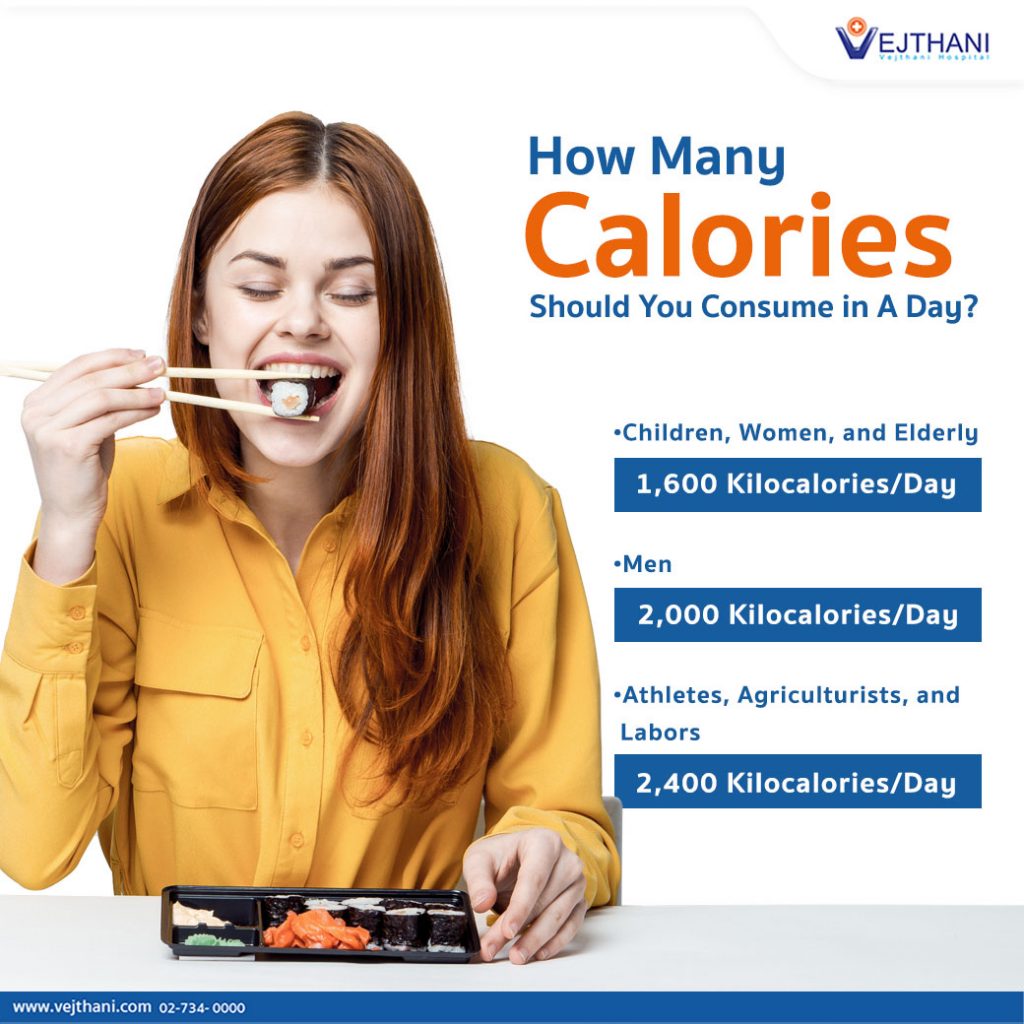
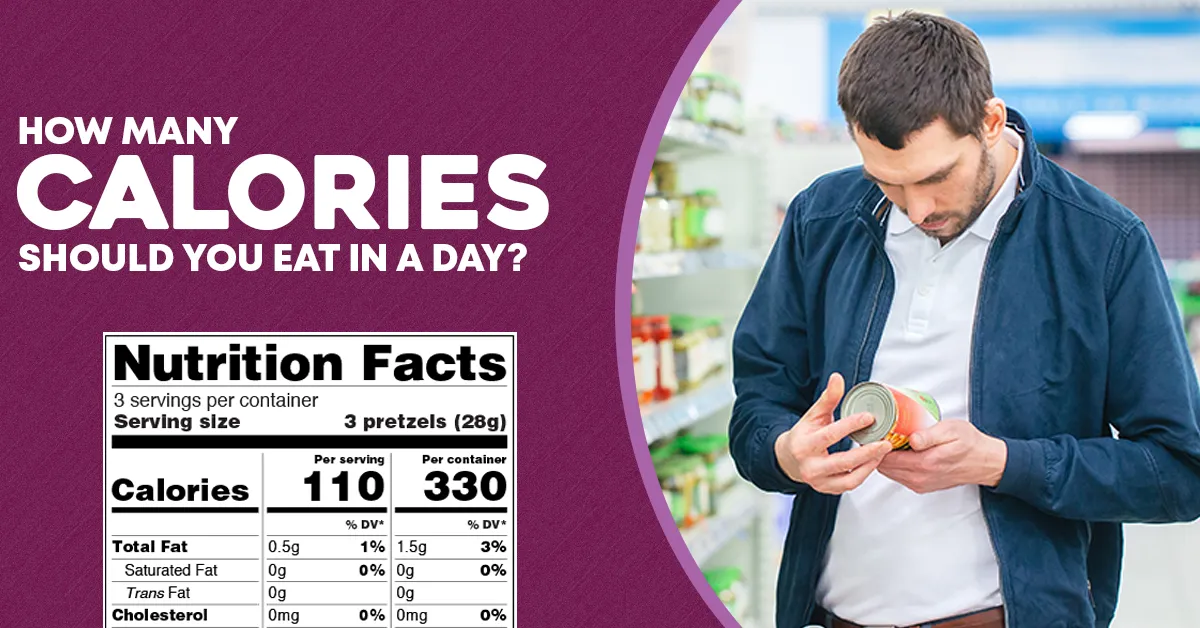
For decades, the question “How much calories should I eat per day?” was answered with a static, generalized number—usually 2,000 for women and 2,500 for men. However, as we move deeper into the era of the Quantified Self, the answer has shifted from a generic estimate to a precise, data-driven calculation powered by sophisticated technology. Today, determining your caloric needs is no longer a matter of guesswork or manual arithmetic; it is a complex orchestration of software algorithms, artificial intelligence, and wearable sensor data.
In this tech-centric guide, we explore how modern software architectures and hardware innovations have revolutionized our understanding of human metabolism and how you can leverage these tools to find your perfect caloric “sweet spot.”
The Algorithm of You: How Modern Software Calculates Metabolic Needs
At its core, calculating caloric requirements is a mathematical problem. In the past, this was solved using the Mifflin-St Jeor or Harris-Benedict equations via pen and paper. Today, these formulas serve as the foundation for complex backend algorithms that power the world’s leading health platforms.
Beyond Simple Math: The Role of Machine Learning in Metabolic Estimations
Standard static formulas only account for age, weight, height, and sex. However, software developers are now integrating machine learning (ML) models to provide more dynamic results. Modern apps don’t just use a one-size-fits-all formula; they analyze historical data from millions of users to refine their predictions. By comparing your weight-loss or weight-gain progress against your reported intake, the software creates a feedback loop. If the algorithm predicts you should lose one pound a week at 2,000 calories, but you are actually losing two, the ML model adjusts your “Adaptive TDEE” (Total Daily Energy Expenditure) in real-time, providing a level of precision that a static calculator cannot match.
Data Inputs: How Software Refines Total Daily Energy Expenditure (TDEE)
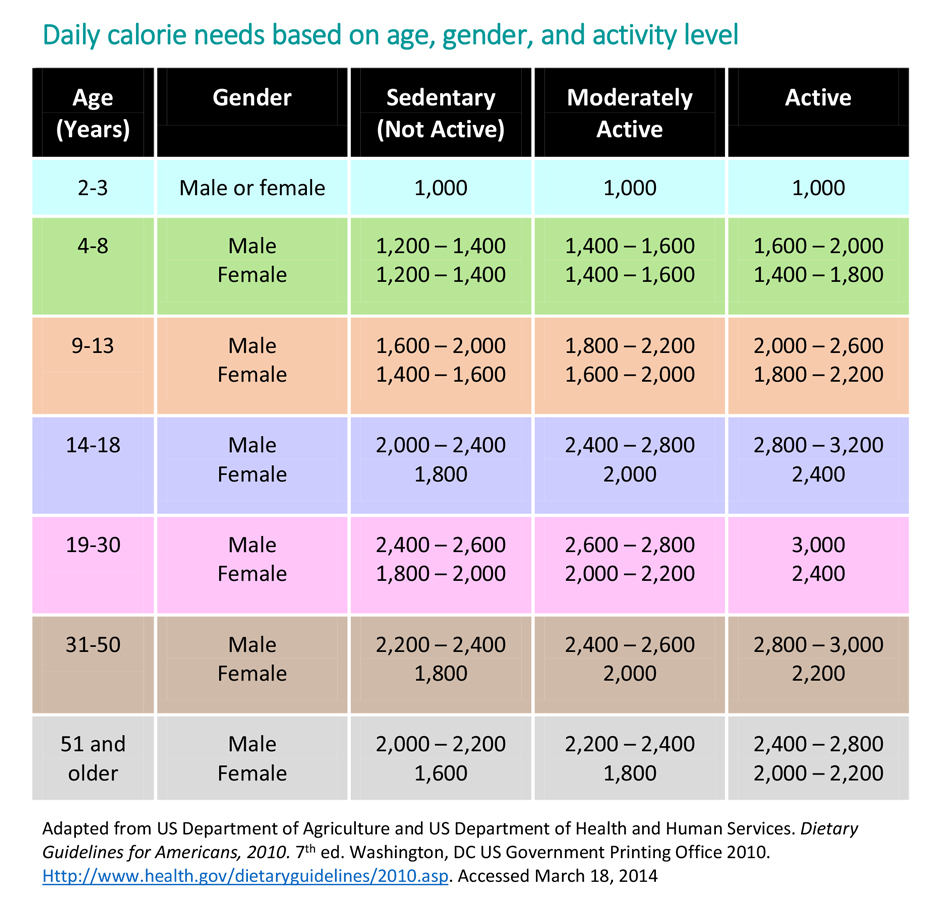
TDEE is the sum of your Basal Metabolic Rate (BMR), the Thermic Effect of Food (TEF), and your Activity Level. The “Activity Level” has historically been the biggest variable and the hardest to track. Tech solutions have solved this by moving away from user-selected “activity multipliers” (e.g., “Sedentary” vs. “Moderately Active”) toward integrated data streams. By pulling data from mobile gyroscopes and GPS systems, nutrition software can now categorize movement into NEAT (Non-Exercise Activity Thermogenesis) and EAT (Exercise Activity Thermogenesis), providing a granular view of how many calories you actually require to maintain your current physiological state.
The AI Revolution in Food Recognition and Calorie Tracking
Knowing how many calories you should eat is only half the battle; the other half is accurately tracking how many calories you are eating. This is where Artificial Intelligence (AI) and Computer Vision have become game-changers, reducing the friction of manual data entry which often leads to user burnout.
Computer Vision: From Snapshots to Macro Data
The most significant hurdle in caloric tracking is the “entry barrier.” Manually searching for “medium-sized apple” or “grilled chicken breast” is tedious. High-end nutritional apps now utilize computer vision—a field of AI that enables computers to derive meaningful information from digital images. By training deep learning models on datasets containing millions of food images, these apps can now identify food items through a smartphone camera. Advanced versions even use augmented reality (AR) to estimate portion sizes by measuring the volume of the food on the plate relative to the dimensions of the table or utensils, translating pixels into grams and, ultimately, calories.
Natural Language Processing (NLP) in Digital Food Diaries
For those who prefer text or voice, Natural Language Processing (NLP) has transformed the user interface. Instead of clicking through multiple menus, users can simply speak into their device: “I had a bowl of oatmeal with a tablespoon of peanut butter and a sliced banana.” The NLP engine parses this unstructured string of text, identifies the individual food entities, calculates the quantities, and cross-references them with a nutritional database (like the USDA FoodData Central). This seamless integration of AI ensures that the “input” side of the calorie equation is as accurate as the “output” side.
Wearable Ecosystems: Tracking Real-Time Energy Expenditure
The integration of hardware has turned the question of “how many calories” into a real-time data visualization. Wearables—ranging from smartwatches to biometric rings—have become the “edge devices” of the nutritional tech world.
Biometrics and Thermal Sensing: Measuring the “Burn”
Wearables use a combination of Photoplethysmography (PPG) sensors to track heart rate and accelerometers to track motion. By monitoring Heart Rate Variability (HRV) and resting heart rate, these devices can estimate your metabolic intensity at any given moment. Some emerging technologies are even exploring heat-flux sensors that measure the thermal energy leaving the body. Because calories are technically units of heat, measuring this heat dissipation provides a more direct window into energy expenditure than motion tracking alone. When this data is synced to a central app, your “calories allowed” for the day can fluctuate dynamically based on your actual physical output.
Integration and Syncing: The Internet of Things (IoT) in Nutrition
We are currently witnessing the rise of a fully integrated nutritional IoT. Your smart scale sends your weight and body fat percentage to the cloud; your Garmin watch sends your workout data; and your Oura ring sends your sleep quality data (which impacts metabolic efficiency). All of these data points converge in a central dashboard. This ecosystem ensures that the answer to “how much calories should I eat per day” is updated every morning when you wake up, based on the previous 24 hours of biometric data.
Choosing the Right Tech Stack: A Review of Nutritional Analysis Tools
With so many tools available, selecting the right “tech stack” for your nutritional goals is essential. The market is divided into several tiers based on the complexity of the underlying technology and the depth of the data provided.
AI-First Platforms for Hyper-Personalization
Platforms like Carbon Diet Coach or MacroFactor represent the “pro” tier of nutritional tech. These tools are built on “adherance-neutral” algorithms. Unlike older apps that might “yell” at you for going over your calories, these AI-first platforms treat every entry as a data point. If you overeat, the algorithm doesn’t just reset; it uses that information to better understand your specific metabolic response. This hyper-personalization is the pinnacle of current consumer-facing nutritional software, offering a digital version of a professional sports scientist.
Privacy and Data Security in Bio-Metric Tracking
As we feed more personal data into these systems—weight, heart rate, GPS locations, and even photos of our meals—data security becomes a paramount concern. Tech-savvy users must look for platforms that prioritize end-to-end encryption and have clear policies on data anonymization. When choosing a calorie-tracking tool, it is important to verify whether the company sells your biometric data to third-party advertisers or insurance companies. The “cost” of knowing your exact caloric needs should not be your digital privacy.
The Future of Caloric Precision: Bio-Wearables and Beyond
As we look toward the next decade, the technology used to answer the calorie question will become even more invasive—in a beneficial way. We are moving from “estimation” to “measurement.”
The Rise of Continuous Glucose Monitors (CGMs)
While originally designed for diabetics, CGMs are being adopted by the “biohacking” community to see how specific caloric intakes affect blood sugar levels in real-time. This tech allows users to see not just how much they are eating, but how their unique biology processes those calories. In the future, we can expect CGMs to integrate directly with calorie-counting apps to provide a “Metabolic Score,” helping users understand if they should eat more or less based on their current glucose stability.
The Shift Toward Predictive Analytics
The ultimate goal of nutritional technology is to move from reactive tracking to predictive guidance. Future AI models will likely use “Digital Twins”—virtual representations of your unique physiology—to run simulations. You might ask your AI assistant, “If I eat an extra 500 calories today, how will it affect my body composition and energy levels for tomorrow’s workout?” The software will run the simulation based on years of your personal data and provide a recommendation.
In conclusion, determining how many calories you should eat is a process that has been revolutionized by the digital age. By leveraging sophisticated algorithms, AI-driven food recognition, and an ecosystem of wearable devices, we can now approach nutrition with the precision of a software engineer. The key is not just to track, but to understand the data-driven “why” behind the numbers, allowing technology to guide us toward optimal health and performance.
aViewFromTheCave is a participant in the Amazon Services LLC Associates Program, an affiliate advertising program designed to provide a means for sites to earn advertising fees by advertising and linking to Amazon.com. Amazon, the Amazon logo, AmazonSupply, and the AmazonSupply logo are trademarks of Amazon.com, Inc. or its affiliates. As an Amazon Associate we earn affiliate commissions from qualifying purchases.