
The silver screen has long been the centerpiece of American leisure, yet the cost of entry has shifted dramatically over the last decade. For many households, a trip to the cinema is no longer a casual impulse buy but a calculated line item in a monthly entertainment budget. As of 2024, the average cost of a movie ticket in the United States hovers between $11 and $15, but this figure is deceptive. Depending on your location, the time of day, and the technology behind the screen, that price can easily soar to $25 or more.
Understanding the financial architecture of movie theater pricing requires a deep dive into personal finance, market economics, and the evolving value proposition of the theatrical experience. This article examines the current state of movie ticket pricing through a financial lens, helping consumers navigate the costs and optimize their discretionary spending.
Understanding the Current Landscape of Ticket Pricing
The price you pay at the box office is rarely a static number. It is a variable influenced by a complex web of geographical and technological factors. To manage a personal budget effectively, one must first understand how these variables inflate the “base” price of a film.
Regional Variables and Urban Centers
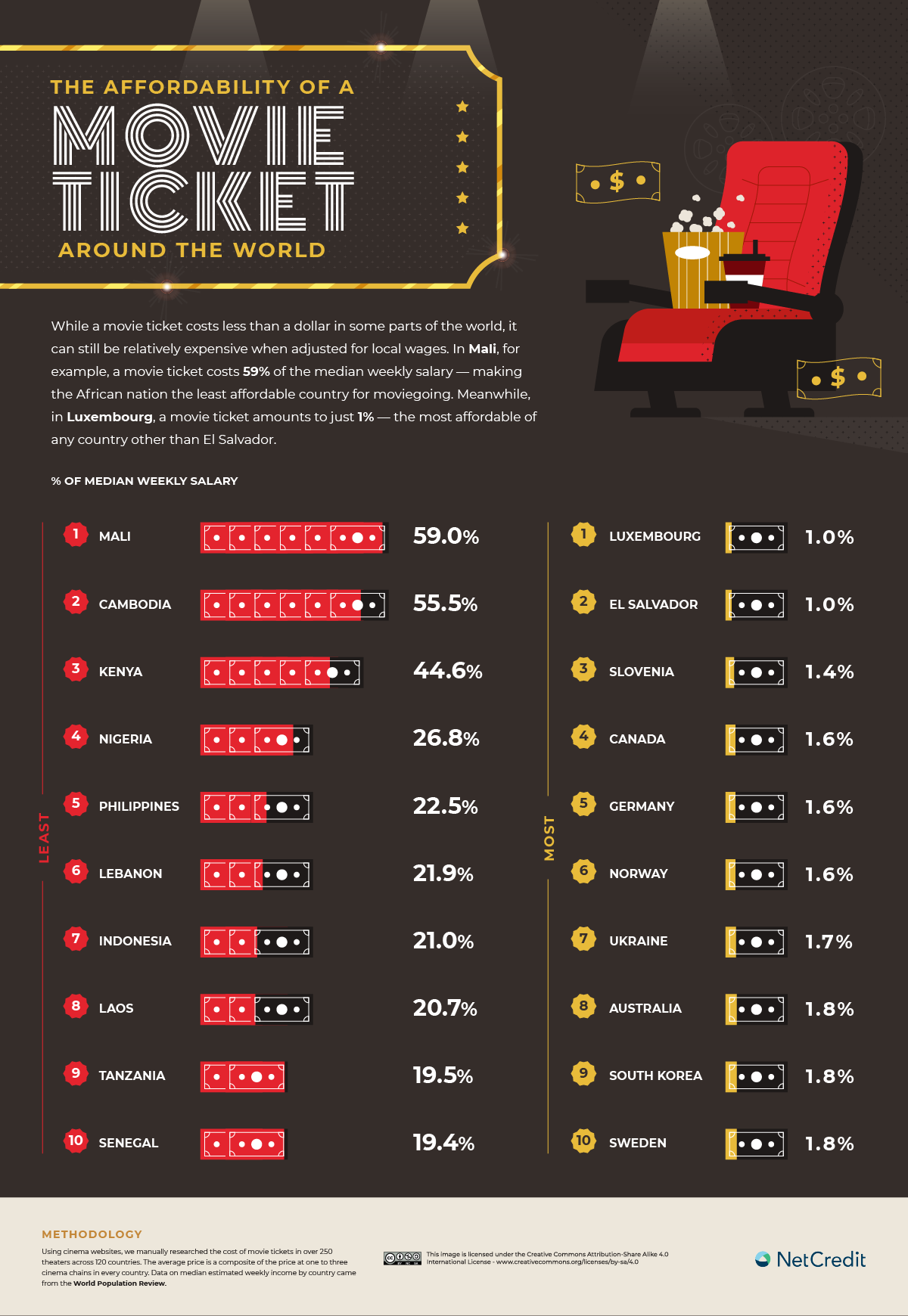
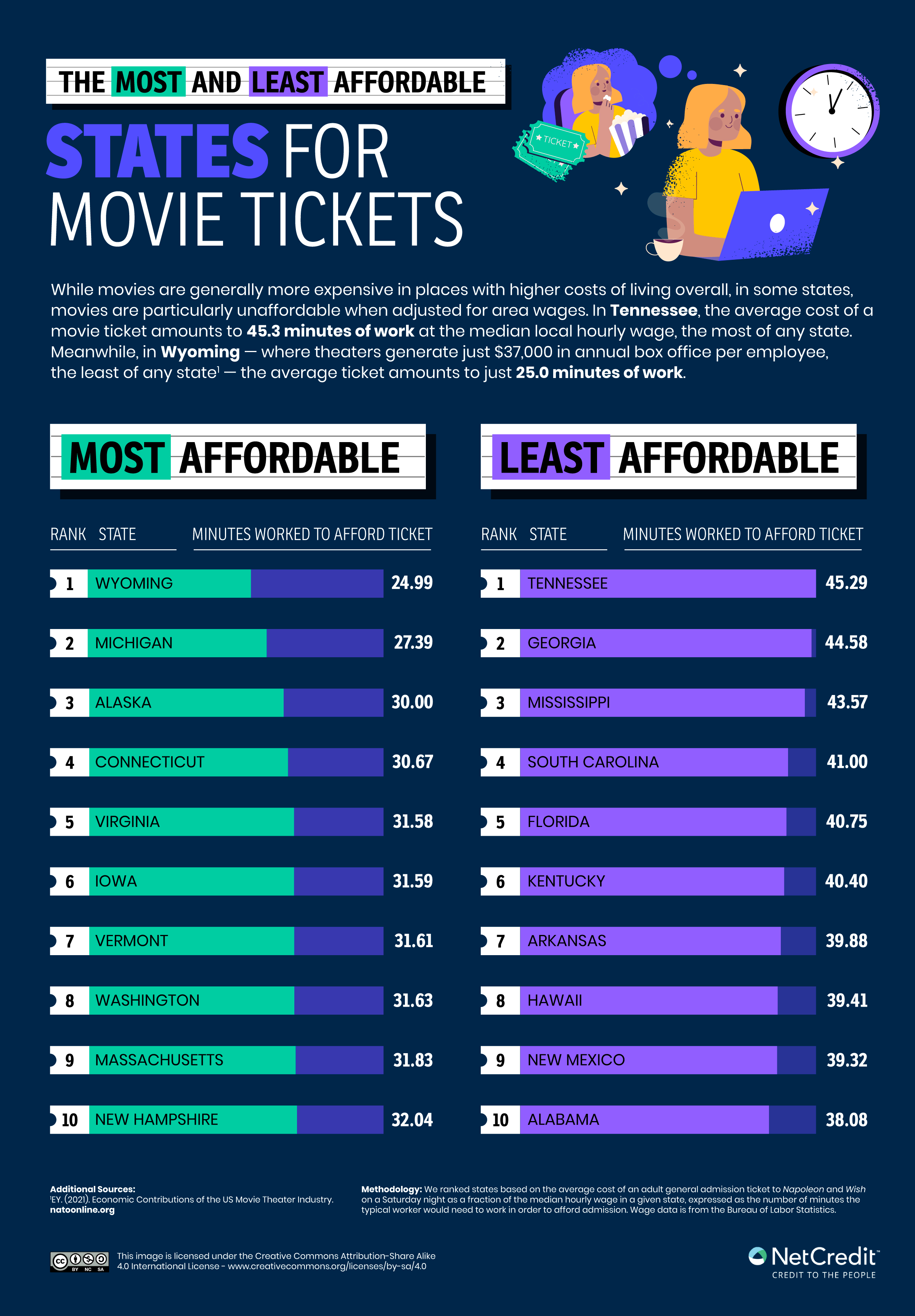
Geography is perhaps the most significant determinant of ticket cost. In major metropolitan hubs like New York City, Los Angeles, or San Francisco, a standard adult evening ticket frequently starts at $18.00. In contrast, smaller midwestern towns or rural areas may still offer the same viewing experience for $9.00 to $12.00.
These discrepancies are rooted in the “cost of doing business.” Theaters in urban centers face exorbitant commercial real estate leases, higher utility costs, and increased minimum wage requirements for staff. From a personal finance perspective, a “night at the movies” in Manhattan is a different financial tier entirely compared to a night at the movies in Des Moines, requiring a different level of budgetary allocation.
The Impact of Premium Formats
The industry has moved toward “premium large formats” (PLF) to differentiate the theater from the home couch. This includes IMAX, Dolby Cinema, 4DX, and ScreenX. These formats carry a significant surcharge, often adding $5 to $10 to the base ticket price.
From a financial standpoint, these are “luxury upgrades.” While they offer superior sound and visual fidelity, they also represent the highest margin for the theater. For a family of four, opting for an IMAX 3D experience can shift the total ticket cost from a manageable $50 to a staggering $100 before a single kernel of popcorn is purchased. Understanding this markup is essential for consumers who want to balance “experience value” against “dollar cost.”
Why Prices Have Surged: The Financial Drivers Behind the Box Office
To understand why a movie ticket costs what it does, we must look at the macro-economic pressures facing the exhibition industry. The cinema is a high-overhead business with shrinking windows of exclusivity, forcing a shift in how they generate revenue.
Inflation and Operational Overhead
Like all sectors of the economy, theaters have been hit by the rising costs of labor, energy, and maintenance. However, the unique financial structure of a theater is that they do not keep the majority of the ticket price. During the opening weeks of a major blockbuster, the film studio may take as much as 60% to 70% of the ticket revenue.
This leaves the theater with a slim margin to cover its massive fixed costs—rent, HVAC for large auditoriums, and high-end projection equipment maintenance. To stay solvent, theaters have had to incrementally raise ticket prices to keep pace with the 3%–7% annual inflation rates seen in recent years.
Dynamic Pricing Models
In a move mirrored by airlines and ride-sharing apps, some major theater chains have experimented with dynamic pricing. This involves charging more for the most desirable seats (the middle of the theater) or for high-demand showtimes (Friday and Saturday nights).
From a business finance perspective, this is “yield management.” Theaters are trying to maximize the revenue generated from every seat. While this can be frustrating for the consumer, it offers a financial opportunity for the savvy saver: by choosing “value” seats or off-peak hours, you can bypass the premium pricing intended for the less price-sensitive consumer.

Moviegoing on a Budget: Strategies for Personal Finance Management
If you view moviegoing as a recurring expense, there are several ways to leverage financial tools and loyalty programs to drive the effective cost-per-movie down significantly.
Subscription Services and Membership Perks
The “Netflix-ication” of the movie theater has been the most significant development in cinema finance. Programs like AMC Stubs A-List, Regal Unlimited, and Alamo Season Pass have revolutionized the cost structure for frequent moviegoers.
For a flat monthly fee—typically ranging from $20 to $25—members can see multiple movies per week. From a personal finance perspective, the “break-even point” for these subscriptions is usually just two movies per month. If you attend the cinema three times a month, your effective ticket price drops to roughly $7.00. For the avid film fan, these subscriptions are the most effective way to hedge against rising individual ticket prices.
Matinees, Discount Days, and Reward Points
Historically, the “matinee” was the primary way to save money, and it remains a viable strategy today. Most theaters offer significantly reduced pricing for shows before 4:00 PM. Additionally, many major chains have standardized “Discount Tuesdays,” where tickets can be as low as $6.00 or $7.00 for members of their free loyalty programs.
Utilizing these scheduled discounts is a form of “strategic consumption.” By shifting the timing of your entertainment, you can reduce your expenditure by 40% to 60% without sacrificing the quality of the experience. Furthermore, many credit card rewards programs allow for the redemption of points for theater gift cards, essentially turning everyday spending into “free” movie nights.
The Value Proposition: Is the Cinema Worth the Investment?
When analyzing any expenditure, one must consider the opportunity cost and the total “out-of-pocket” impact. The ticket price is only one part of the financial equation of a night at the movies.
Opportunity Cost: Streaming vs. Theater
The primary competitor for the movie theater is the digital streaming service. For the price of a single IMAX ticket ($22), a consumer can afford a full month of a premium streaming service like Max or Disney+.
However, the “value” of the theater lies in its status as an event. In financial terms, we distinguish between a “commodity” (the content of the movie) and an “experience” (the theatrical presentation). For “event” films—large-scale epics or communal horror experiences—the theater provides a return on investment that a living room cannot replicate. When budgeting, it is helpful to categorize movies into “must-see theatrical” versus “wait for streaming” to ensure your entertainment dollars are spent on the highest-value experiences.
The “Concession Ratio” and Total Out-of-Pocket Expenses
The true “hidden cost” of moviegoing is found at the concession stand. It is a well-known industry secret that theaters are essentially “popcorn stands that happen to show movies.” Because the margins on tickets are so low, theaters mark up concessions by as much as 800% to 1,200%.
A large popcorn and soda can easily cost $15 to $20, often exceeding the price of the ticket itself. When calculating the cost of theater tickets, a disciplined spender must look at the “Total Cost of Attendance” (TCA). By opting out of concessions or utilizing rewards points to offset food costs, a consumer can maintain a healthy entertainment budget even as base ticket prices continue to climb.
Conclusion
How much are movie theater tickets? The answer is a moving target that reflects the complexities of modern inflation, corporate strategy, and regional economics. While the era of the $5 movie ticket is largely a thing of the past, the cinema remains a relatively affordable form of out-of-home entertainment when compared to professional sporting events or live theater.
By understanding the drivers behind pricing, leveraging subscription models, and being mindful of the “total cost of attendance,” consumers can continue to enjoy the magic of the big screen without compromising their financial health. In the end, the price of a ticket is more than just a number; it is a reflection of the value we place on shared cultural experiences in an increasingly digital world.
aViewFromTheCave is a participant in the Amazon Services LLC Associates Program, an affiliate advertising program designed to provide a means for sites to earn advertising fees by advertising and linking to Amazon.com. Amazon, the Amazon logo, AmazonSupply, and the AmazonSupply logo are trademarks of Amazon.com, Inc. or its affiliates. As an Amazon Associate we earn affiliate commissions from qualifying purchases.