
In the landscape of modern consumerism, few items bridge the gap between utility and status as effectively as Lululemon leggings. To the casual observer, the question “how much are Lululemon leggings?” yields a simple numerical answer—usually ranging between $98 and $128. However, from a financial perspective, the price tag is merely the entry point into a complex discussion about value, asset depreciation, and the psychology of spending.
Understanding the cost of these garments requires more than a look at a receipt; it necessitates a deep dive into the “cost-per-wear” metric, the secondary market liquidity of the brand, and how high-end staples fit into a disciplined personal finance strategy. For the savvy consumer, the purchase is not just a retail transaction, but a decision in resource allocation.
The Price Tag: Navigating the Lululemon Pricing Architecture
When analyzing the financial commitment required for Lululemon apparel, one must first understand that the brand does not utilize a “one-size-fits-all” pricing model. The cost is meticulously tiered based on fabric technology, intended utility, and design complexity.
Standard Pricing Tiers and Product Segmentation
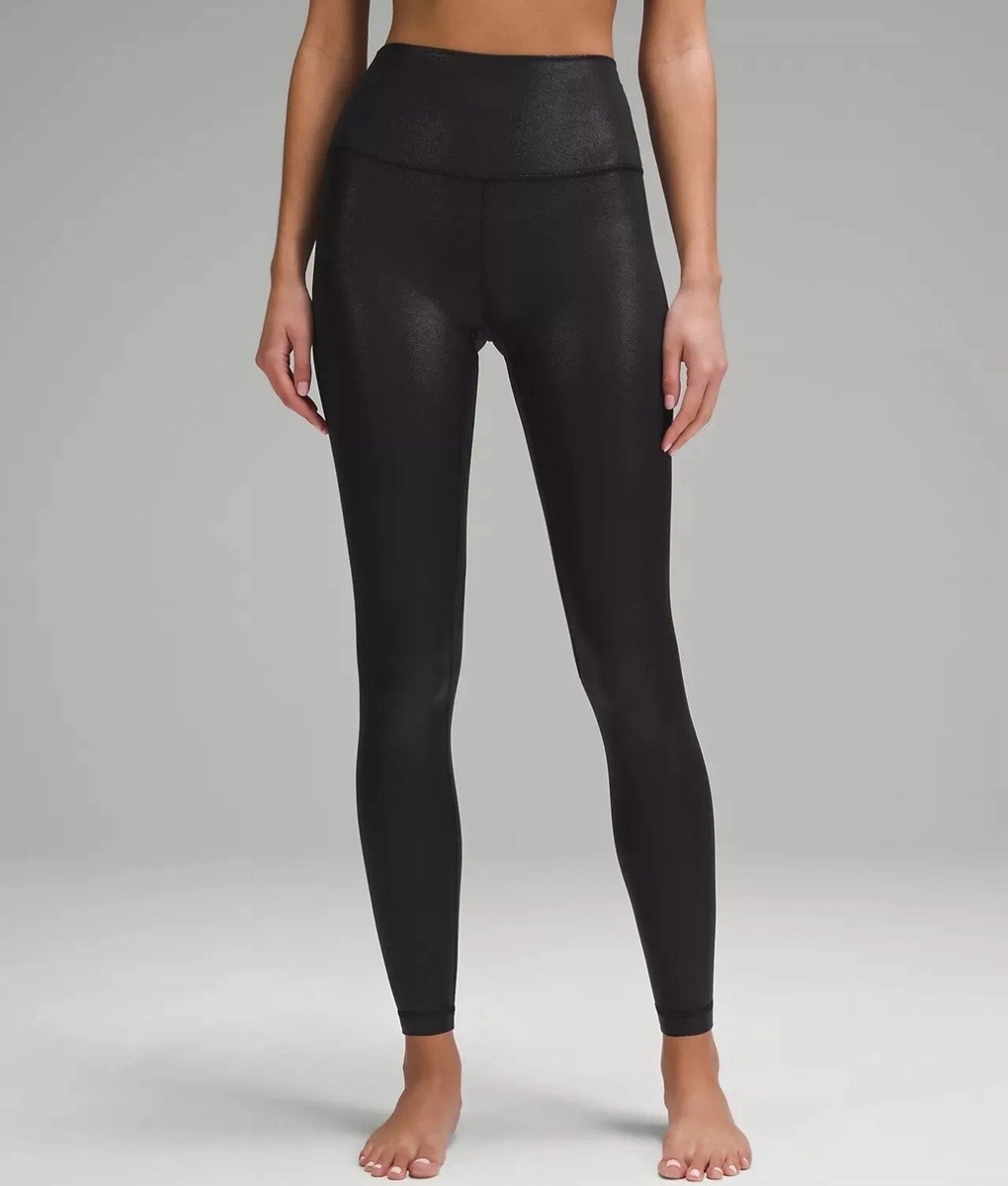
The baseline for most Lululemon leggings begins at the $98 mark. This is typically where you find the “Align” series—the brand’s most popular product made from Nulu fabric. As the technical requirements of the leggings increase, so does the price. Performance-oriented models like the “Wunder Train” (designed for high-intensity interval training) often sit between $118 and $128. Specialized running leggings with reflective details, compression mapping, or additional storage pockets can reach upwards of $148.
From a business finance perspective, this pricing architecture is a masterclass in price skimming and value-based pricing. The company isn’t just charging for the raw materials (nylon and lycra); they are charging for the research and development of proprietary textiles and the perceived social capital of the brand.
Factors Influencing Price Variability
Several variables can shift the price of a single pair of leggings. Limited edition prints, collaborations, or “Scuba” material variations often command a premium. Conversely, the length of the legging—measured in inseams like 23″, 25″, or 28″—can occasionally influence the price, though Lululemon has moved toward a more standardized pricing model regardless of length in recent years. Understanding these tiers is essential for anyone looking to incorporate these items into a strict monthly budget without falling victim to impulse spending on high-margin seasonal “hype” items.
Cost-Per-Wear: The Personal Finance Perspective on Quality
In personal finance, the “cheapest” option is rarely the one with the lowest sticker price. The true cost of an item is calculated by dividing the total purchase price by the number of times the item is worn. This is the “Cost-Per-Wear” (CPW) theory, and it is the primary financial justification for investing in $100+ leggings.
The Longevity Factor and Durability
A $25 pair of leggings from a fast-fashion retailer may lose its elasticity, become sheer (the “squat test” failure), or develop pilling within six months of regular use. If those leggings are worn 25 times before being discarded, the CPW is $1.00.
In contrast, a $100 pair of Lululemon leggings, if cared for according to manufacturer instructions (cold wash, hang dry), can easily last five years of regular weekly use. If worn 250 times over that five-year period, the CPW drops to $0.40. From a wealth-building perspective, purchasing high-quality items that do not require frequent replacement preserves capital in the long run and reduces the “frictional cost” of constant shopping.
Comparing Initial Outlay vs. Long-Term Value
The challenge for many consumers is the “poverty trap” or “the Vimes ‘Boots’ theory of socioeconomic unfairness.” This theory suggests that people with less disposable income are often forced to buy cheaper, lower-quality goods that wear out faster, ultimately spending more over time than those who could afford the high-quality investment upfront.
When we ask “how much are Lululemon leggings,” we must also ask “how much do they save us in replacement costs?” For a professional looking to optimize their wardrobe budget, allocating $120 once every few years is objectively more efficient than allocating $30 every six months.

The Resale Market: Leggings as a Liquid Asset
One of the most unique aspects of Lululemon from a financial standpoint is the brand’s incredible value retention. Unlike most clothing, which loses 90% of its value the moment the tags are removed, Lululemon leggings operate more like a liquid asset in the secondary market.
Second-Hand Market Dynamics
Platforms like Poshmark, Depop, and eBay have robust ecosystems dedicated entirely to Lululemon. Because the brand rarely offers deep discounts and maintains high demand, the “street value” of used leggings remains high. A pair of Align leggings purchased for $98 can often be resold in “Good Used Condition” (GUC) for $40 to $60.
This creates a “net cost” of ownership. If you buy a pair for $100, wear them for two years, and sell them for $50, your actual expenditure for two years of use was only $50. This high resale ceiling provides a safety net for the consumer’s capital that is virtually non-existent with budget brands.
Retention of Value and Brand Equity
The reason Lululemon maintains such high resale value is rooted in brand equity and scarcity. Certain “unicorn” colors or retired patterns can actually appreciate in value, selling for more than their original retail price to collectors. While it is unwise to view leggings as a primary investment vehicle (like stocks or real estate), acknowledging their resale potential is a vital part of a comprehensive “Money” analysis. It turns a “sunk cost” into a “recoverable asset.”
Budgeting Strategies for High-End Staples
Even if the cost-per-wear and resale value are favorable, a $100+ purchase requires a strategic approach to cash flow management. Integrating luxury activewear into a financial plan requires discipline and a rejection of consumer debt.
Strategic Purchasing and the “We Made Too Much” Section
The most financially savvy way to acquire Lululemon is through their “We Made Too Much” (WMTM) inventory clearance. This is not a traditional sale but a permanent section of their ecosystem where overstock items are marked down, often by 30% to 50%.
By shopping exclusively in this section, a consumer can lower their entry price to approximately $69–$79. From a budgeting standpoint, this requires “patience capital”—the ability to wait for a specific price point rather than succumbing to the emotional urge of a full-price purchase. Additionally, utilizing cashback credit cards (paid in full monthly) or shopping through portal aggregators can shave an additional 2-5% off the total cost.
Incorporating Luxury Goods into a Monthly Budget
The “50/30/20” rule of thumb suggests that 30% of income should go toward “wants.” However, within that 30%, it is beneficial to practice “sinking funds.” Instead of charging a $120 pair of leggings to a credit card and carrying a balance (which, at 20% APR, makes the leggings significantly more expensive), a consumer should set aside $10 or $20 a month specifically for high-quality wardrobe replacements.
This approach treats clothing as a planned capital expenditure rather than an impulse buy. When you treat your personal finances like a business, you recognize that “equipment” (in this case, workout gear that supports a healthy, productive lifestyle) needs to be budgeted for in advance.
Conclusion: The Final Accounting
So, how much are Lululemon leggings? Physically, they are a hundred-dollar bill. Economically, they are a lesson in the difference between price and value.
From a “Money” perspective, the high initial cost is mitigated by a low cost-per-wear, high durability, and significant resale value. While they are not a “bargain” in the traditional sense, they represent a strategic choice for the consumer who values long-term financial efficiency over short-term savings. By utilizing secondary markets, shopping clearance sections, and budgeting through sinking funds, the average person can enjoy the benefits of premium quality without compromising their broader financial goals. In the world of personal finance, it’s not about how much you spend, but how effectively you deploy your capital to ensure quality that lasts.