
When we ask “how much is Google worth,” we are navigating one of the most complex financial landscapes in modern history. Technically, the entity the world knows as Google is Alphabet Inc., a massive conglomerate that sits comfortably within the exclusive “Trillion Dollar Club.” Determining its exact value requires a deep dive into market capitalization, diversified revenue streams, tangible assets, and the speculative value of its future-leaning “Other Bets.” As of 2024, Alphabet Inc. maintains a market capitalization that fluctuates between $1.7 trillion and $2 trillion, making it one of the most valuable publicly traded companies on the planet.
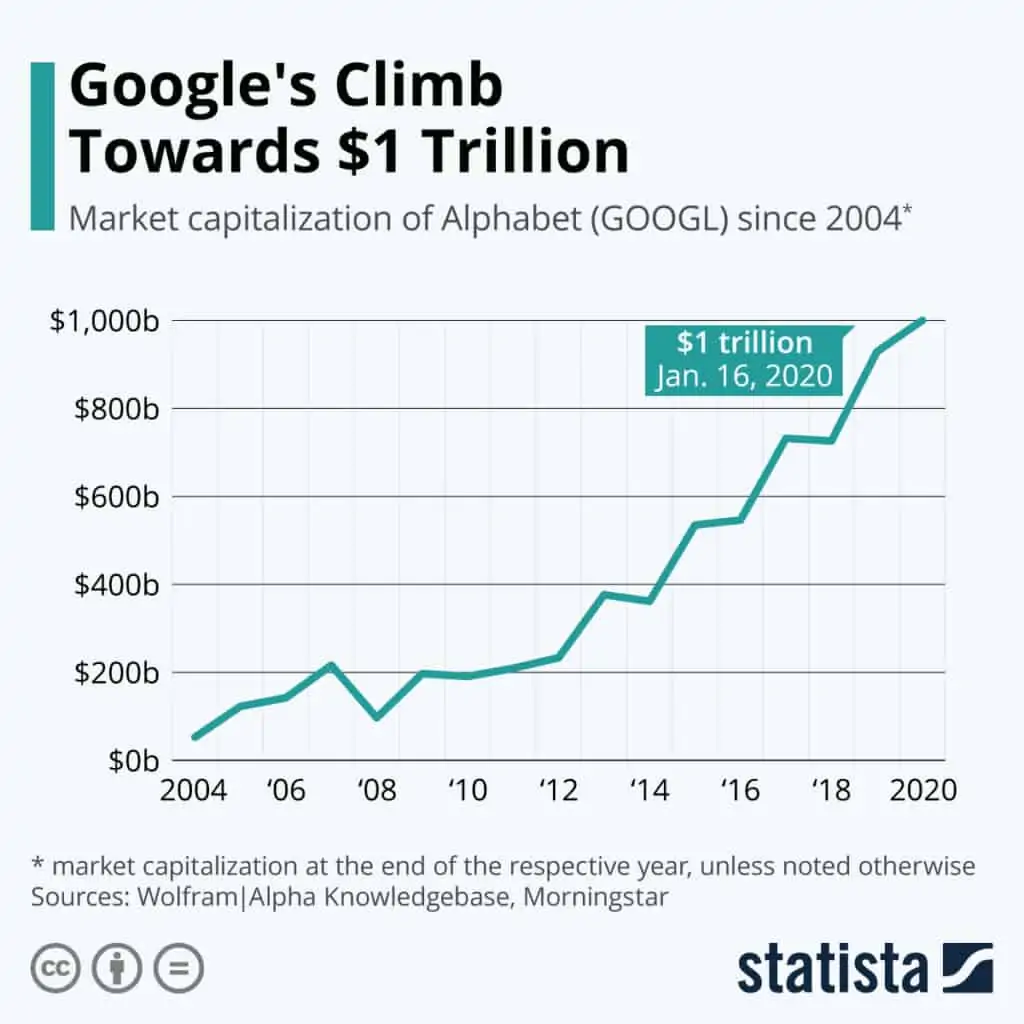
To understand this figure, investors and financial analysts look beyond the stock ticker. They examine the company’s fiscal health through the lens of earnings reports, debt-to-equity ratios, and its dominant position in the global digital economy. This article explores the multi-faceted financial valuation of Google, providing a comprehensive analysis of its current standing in the global market.
Decoding the Market Capitalization of Alphabet Inc.
Market capitalization, or “market cap,” is the most common metric used to determine a company’s worth. It is calculated by multiplying the current share price by the total number of outstanding shares. For Alphabet (trading under tickers GOOG and GOOGL), this number serves as a real-time barometer of investor confidence and corporate health.
The Significance of the Trillion-Dollar Threshold
Reaching a trillion-dollar valuation is a feat reserved for companies that have achieved near-universal market penetration. Google reached this milestone in early 2020, joining the ranks of Apple and Microsoft. This valuation isn’t just a vanity metric; it signifies that the company has sufficient liquidity and scale to withstand global economic downturns. For investors, a market cap in the trillions suggests a “blue-chip” status—a relatively safe harbor for capital, characterized by steady growth and massive influence over the S&P 500 index.
Stock Performance and Shareholder Equity
Alphabet’s worth is also reflected in its shareholder equity. Over the last decade, the stock has seen significant splits—most notably a 20-for-1 split in 2022—designed to make shares more accessible to retail investors. By lowering the price per share while maintaining the overall market cap, the company increased liquidity. Furthermore, Alphabet has historically focused on stock buybacks rather than dividends. By spending tens of billions of dollars annually to repurchase its own stock, the company reduces the number of shares on the market, thereby increasing the value of the remaining shares and signaling to the market that the company believes its own stock is undervalued.
Revenue Drivers: The Pillars of Google’s Financial Strength
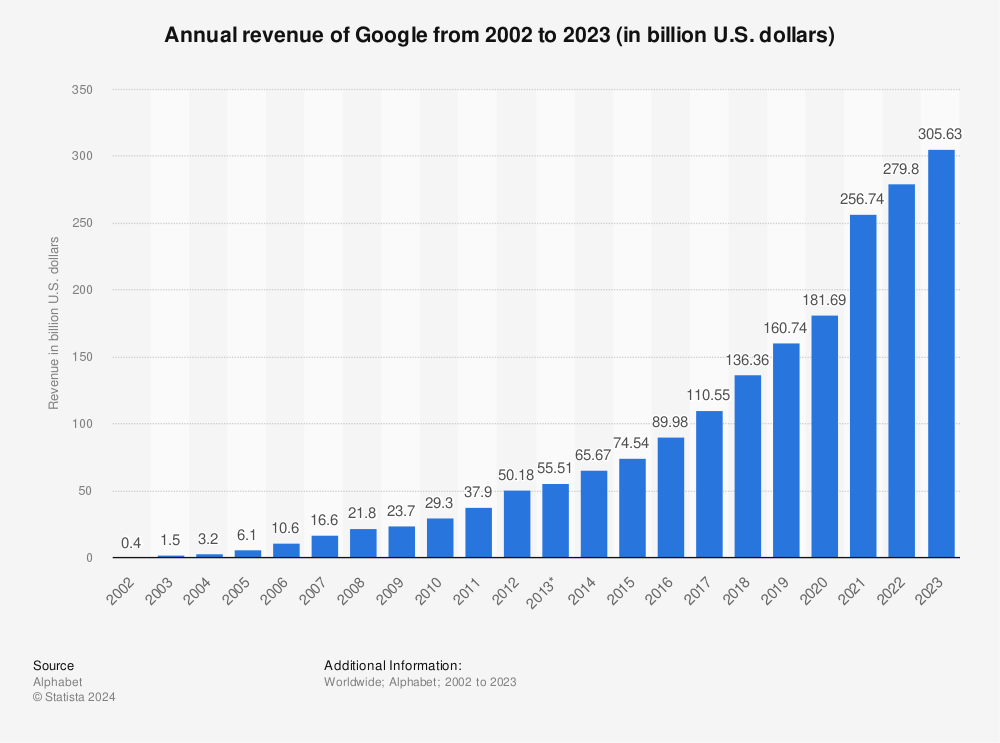
A company’s valuation is ultimately a reflection of its ability to generate cash. Google’s financial worth is underpinned by a diverse array of revenue streams, though one remains the undisputed king: digital advertising.
The Dominance of Google Search and Advertising
The core of Google’s worth lies in its advertising ecosystem, which includes Google Search, YouTube Ads, and the Google Network. Search remains the most profitable piece of real estate on the internet. In recent fiscal years, advertising has accounted for roughly 75% to 80% of Alphabet’s total revenue. The brilliance of this model from a financial perspective is its high margin. Once the infrastructure (the search engine) is built and maintained, the cost of serving an additional ad is negligible, leading to massive free cash flow. This cash flow is what allows Google to invest in expensive hardware, research, and acquisitions.
YouTube’s Monetization Engine
When Google acquired YouTube for $1.65 billion in 2006, many analysts thought the price was too high. Today, YouTube alone is estimated to be worth hundreds of billions as a standalone entity. It generates significant revenue through both advertising and its subscription services (YouTube Premium and YouTube TV). As traditional television budgets migrate to digital video, YouTube’s contribution to Google’s overall valuation continues to grow, providing a hedge against potential stagnation in text-based search.
Google Cloud: The Growth Frontier
While Amazon (AWS) and Microsoft (Azure) lead the cloud computing space, Google Cloud has become a vital component of the company’s valuation. For years, the Cloud division operated at a loss as Google invested heavily in data centers and sales teams. Recently, however, Google Cloud has turned profitable. As businesses globally transition to digital infrastructure and integrate AI, the recurring revenue from Cloud contracts provides a stable, predictable income stream that investors value highly, often applying a higher “multiple” to this revenue than to advertising.
Asset Valuation and the Global Infrastructure
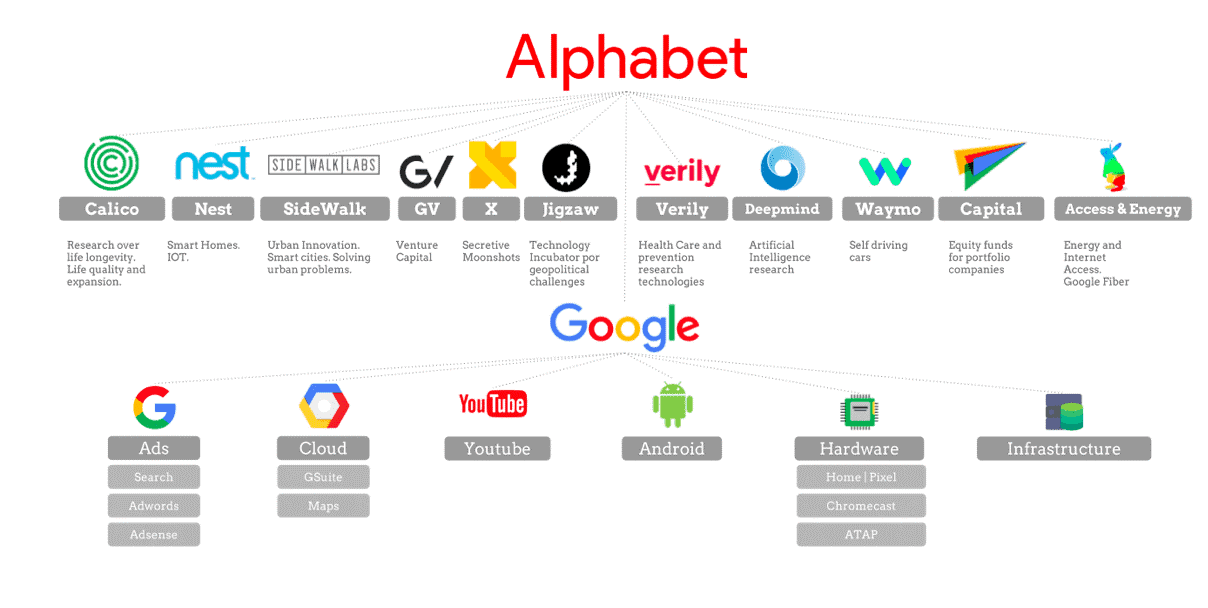
Beyond the stock market and revenue reports, Google’s worth is tied to its massive physical and intellectual property (IP) assets. A company’s balance sheet provides a glimpse into the “book value” of the organization, which includes everything from office buildings to the cables under the ocean.
Tangible Assets: Data Centers and Real Estate
Google owns and operates dozens of massive data centers across multiple continents. These are the physical engines of the internet, housing millions of servers that process billions of queries. The valuation of these centers, combined with the company’s extensive real estate holdings—including its sprawling “Googleplex” in Mountain View and significant holdings in New York City—adds a layer of “hard asset” security to the company’s worth. In a liquidation scenario, these assets alone would be worth tens of billions of dollars.
Intangible Assets: The Power of the Algorithm and IP
Perhaps even more valuable than its buildings are Google’s intangible assets. This includes its proprietary search algorithms, the Android operating system, and a vast portfolio of patents. Android, as the most used mobile operating system in the world, ensures that Google services remain the default for billions of users. This ecosystem lock-in creates a “moat”—a competitive advantage that protects the company’s long-term profits. In financial terms, this brand equity and intellectual property are factored into the “goodwill” and “premium” that investors are willing to pay for Alphabet stock.
Financial Metrics and Investor Outlook
To determine if Google is “worth” its current price, investors look at specific financial ratios. These metrics help compare Google’s valuation to its competitors and the broader market.
Price-to-Earnings (P/E) and Growth Analysis
The P/E ratio is a primary tool for valuation. Historically, Alphabet has traded at a P/E ratio that reflects its growth status—often higher than the average S&P 500 company but frequently lower than more speculative tech stocks. When the P/E ratio is low relative to historical averages, analysts often view the company as “undervalued” given its earnings power. Another key metric is the Price/Earnings to Growth (PEG) ratio, which accounts for expected earnings growth. Because Google has consistently grown its bottom line, its PEG ratio often suggests that the stock is a bargain compared to other high-growth tech firms.
Cash Reserves and R&D Reinvestment
Google’s financial strength is also evidenced by its massive cash pile. Alphabet consistently holds over $100 billion in cash and marketable securities. This liquidity gives the company the “sinews of war”—the ability to acquire promising startups (like DeepMind or Fitbit) and to outspend competitors on Research and Development (R&D). High R&D spending is a double-edged sword: it reduces short-term profits but builds long-term value. Investors generally view Google’s high R&D spend as a positive, as it ensures the company remains at the forefront of the next technological shift.
The Future Valuation: “Other Bets” and the AI Era
The final piece of the “how much is Google worth” puzzle is the speculative value of its future ventures, officially categorized in financial statements as “Other Bets.” These are moonshot projects that currently lose money but have the potential to become multi-billion dollar industries.
Waymo and the Autonomous Economy
Waymo, Alphabet’s autonomous driving subsidiary, is a prime example of hidden value. While it does not yet contribute significantly to the top-line revenue, independent analysts have valued Waymo anywhere from $30 billion to over $100 billion based on its lead in self-driving technology. If autonomous ride-hailing becomes the global standard, Waymo could eventually rival the search business in terms of valuation.
The Financial Impact of Generative AI
The recent explosion of Generative AI (Artificial Intelligence) has created both a challenge and an opportunity for Google’s valuation. While competitors like OpenAI and Microsoft have challenged Google’s search dominance, Google’s integration of its Gemini AI models across its suite of products aims to solidify its market position. The financial markets are currently pricing in Google’s ability to monetize AI. If Google can successfully transition from a “Search First” to an “AI First” company without eroding its advertising margins, its valuation could see another massive leg up, potentially pushing it toward the $3 trillion mark.
Conclusion: A Multi-Trillion Dollar Legacy
When calculating how much Google is worth, we must look at it as a financial fortress. It is a company built on the most successful advertising model in history, protected by a massive moat of data and infrastructure, and fueled by a cash reserve that allows for endless experimentation. Whether measured by its $1.8 trillion market cap, its $300 billion in annual revenue, or its role as the gatekeeper of global information, Google’s financial worth is a testament to its status as a cornerstone of the modern global economy. For the investor, Google represents a blend of proven profitability and futuristic potential—a combination that continues to command one of the highest valuations in the history of finance.
aViewFromTheCave is a participant in the Amazon Services LLC Associates Program, an affiliate advertising program designed to provide a means for sites to earn advertising fees by advertising and linking to Amazon.com. Amazon, the Amazon logo, AmazonSupply, and the AmazonSupply logo are trademarks of Amazon.com, Inc. or its affiliates. As an Amazon Associate we earn affiliate commissions from qualifying purchases.