
In the landscape of personal finance, we often focus on traditional assets: stocks, bonds, real estate, and cash. However, for the modern consumer, a significant portion of “hidden” net worth often resides in loyalty programs. Among the most valuable of these digital currencies are American Airlines (AA) AAdvantage miles. Understanding the precise valuation of these miles is not merely a hobby for travel enthusiasts; it is a critical component of sophisticated financial planning and high-level consumer arbitrage.
The question “How much are AA miles worth?” does not have a single, static answer. Like any currency, the value of an AAdvantage mile fluctuates based on market conditions, redemption strategies, and the opportunity cost of the capital used to acquire them. On average, financial experts and travel analysts value AA miles at approximately 1.2 to 1.5 cents per mile. However, with strategic management, that value can be leveraged to exceed 5 or 6 cents per mile, representing a massive return on investment.
Understanding the Fundamental Valuation of AAdvantage Miles
To manage your miles as a financial asset, you must first establish a “Floor Value” and a “Target Value.” The floor value is the minimum amount you should be willing to accept for your miles, while the target value represents the optimized utility of the currency.
The 1.2 to 1.5 Cents per Mile Benchmark
The baseline valuation of 1.2 to 1.5 cents is derived from the “Cash vs. Points” calculation. If a domestic flight costs $300 in cash or 20,000 miles, the value is 1.5 cents per mile ($300 / 20,000). For most economy-class redemptions, this is the standard rate of return. If you are redeeming miles for less than 1.2 cents per point, you are effectively “spending” your digital assets at a loss compared to their market potential.
Factors Influencing Fluctuating Values
Several variables impact the real-time value of your miles. These include:
- Seasonality: During peak holiday seasons, cash prices skyrocket while award availability tightens, often driving up the cent-per-point (CPP) value for those who book early.
- Dynamic Pricing: American Airlines has moved toward a more dynamic pricing model for its own flights, meaning the mileage cost often mirrors the cash price. This makes it harder to find “outlier” deals on AA-operated metal.
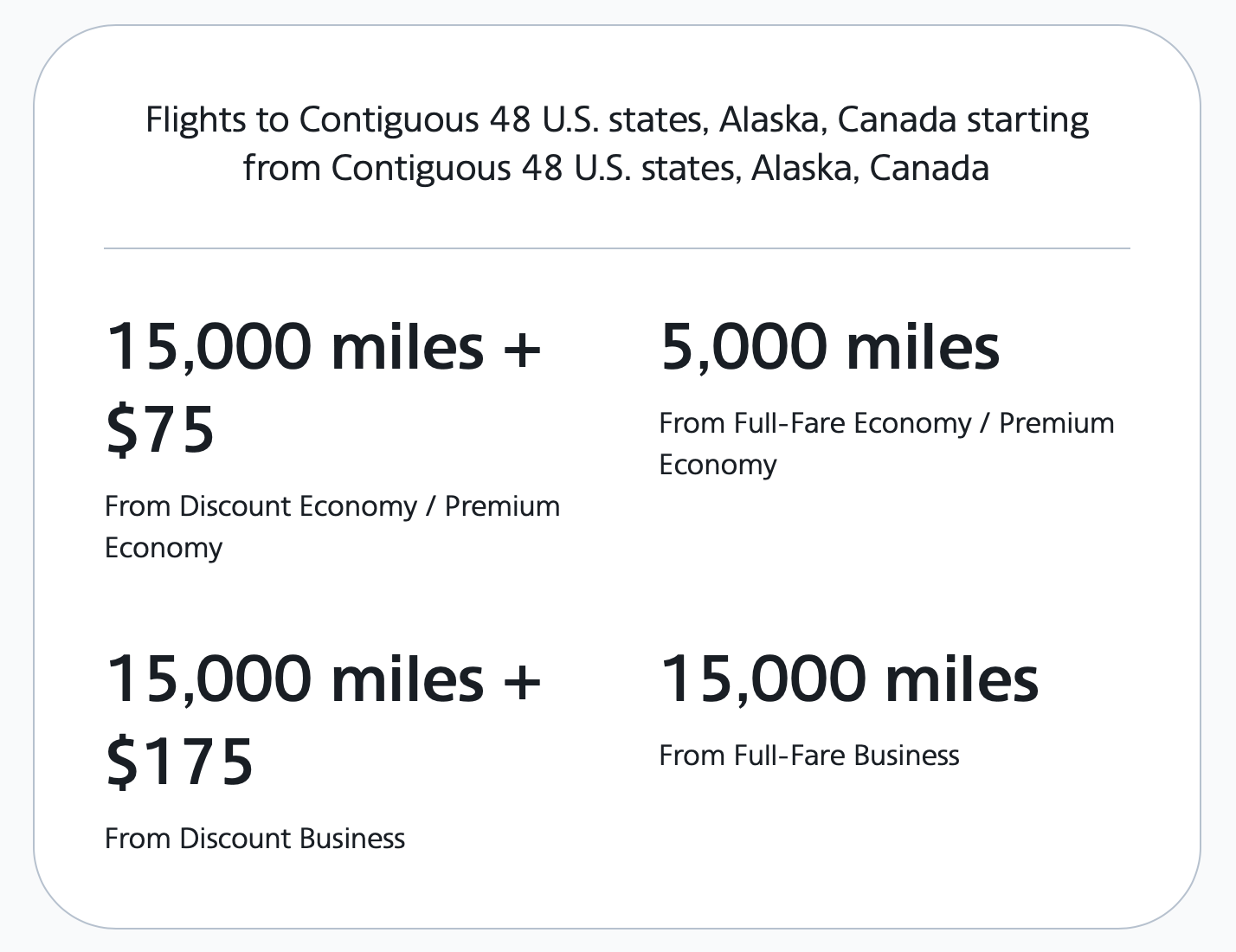
- Web Specials: Occasionally, AA offers “Web Special” awards where domestic flights can be found for as low as 5,000 or 7,500 miles. These promotions can push the valuation of individual miles toward 2 cents or higher for short-haul travel.
The Opportunity Cost of Earning
When evaluating the worth of miles, one must consider the cost of acquisition. If you choose to use an AAdvantage co-branded credit card that earns 1 mile per dollar instead of a 2% cash-back card, you are essentially “buying” those miles at 2 cents each. If your redemption value is only 1.5 cents, you are seeing a negative return on your spending. Understanding this financial delta is key to maximizing personal wealth.
Strategies for High-Yield Redemptions
The true power of the AAdvantage program lies in its “sweet spots.” Just as an investor looks for undervalued stocks, a savvy miles earner looks for redemptions where the mileage cost is low but the cash equivalent is exceptionally high.
International Business and First Class Redemptions
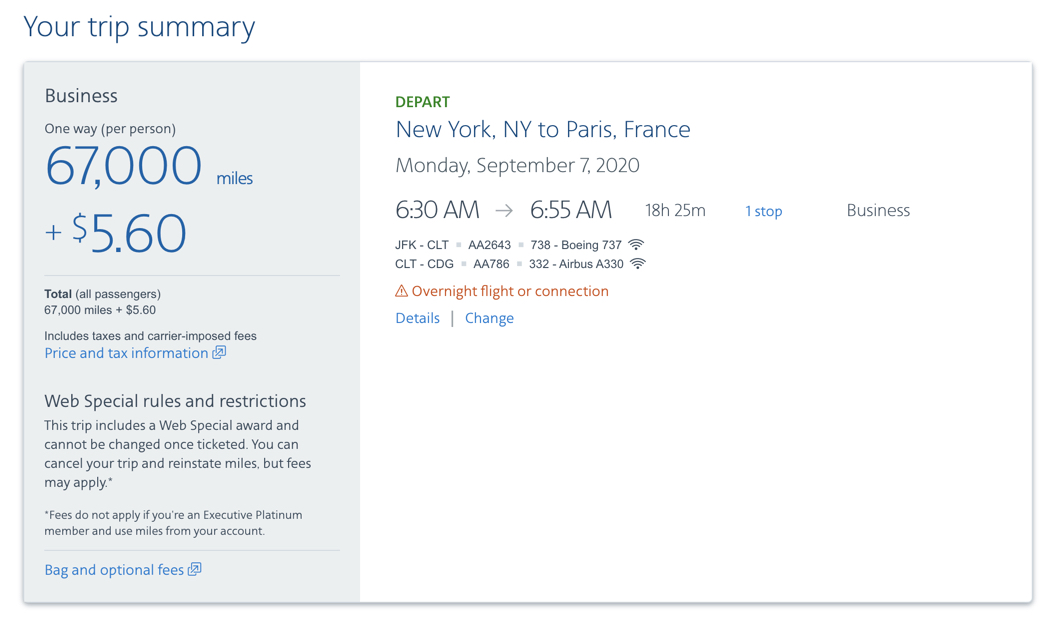
The highest ROI (Return on Investment) for AA miles is found in premium cabin international travel. A round-trip Business Class ticket to Europe or Asia might cost $5,000 to $8,000 in cash. However, the same seat can often be booked for 115,000 to 140,000 AA miles. In this scenario, the value of each mile jumps to between 4 and 6 cents. For a high-net-worth individual or a budget-conscious traveler looking for luxury, this represents the ultimate use of the asset.
Partner Airline Arbitrage via the Oneworld Alliance
American Airlines is a member of the Oneworld Alliance, meaning your AA miles can be used to book flights on partner airlines like Qatar Airways, Japan Airlines (JAL), British Airways, and Cathay Pacific.
- The Qatar Airways Qsuite: Widely considered the best business class in the world, a flight from the US to Doha can be booked for 70,000 AA miles. The cash price is often upwards of $4,000.
- Japan Airlines First Class: Booking JAL First Class with AA miles is one of the most famous “hacks” in personal finance, providing a luxury experience worth $15,000 for a fraction of that in miles.
Maximizing Value via the “Sweet Spot” Award Chart
While AA has moved toward dynamic pricing for its own flights, it still maintains a relatively stable partner award chart. By focusing your redemptions on partner airlines rather than AA-operated flights, you protect your miles from the volatility of dynamic pricing and ensure a higher fixed valuation.

The Financial Side of Accumulating Miles
To treat AA miles as a financial tool, you must diversify your “income streams.” Relying solely on flying to earn miles is an outdated and inefficient strategy.
Credit Card Optimization and Sign-up Bonuses
The most efficient way to “mint” new currency is through strategic credit card acquisitions. Partnerships with Citi and Barclays allow consumers to earn massive sign-up bonuses, often ranging from 50,000 to 75,000 miles after meeting a minimum spend requirement. From a financial perspective, if you spend $3,000 to earn 75,000 miles (worth ~$1,125), you are effectively receiving a 37.5% rebate on your spending. This is far superior to any traditional cash-back or savings account yield.
The AAdvantage eShopping Portal
The AAdvantage eShopping portal is a powerful tool for increasing the “velocity” of your mileage earning. By clicking through the portal before making everyday purchases (at retailers like Apple, Home Depot, or Nike), you can earn multiple miles per dollar spent. This creates a “double dip” effect where you earn miles from the portal and miles from your credit card, lowering the effective cost of the miles to near zero.
Bilt Rewards and Strategic Transfers
Recent shifts in the financial landscape have introduced new ways to acquire AA miles. Bilt Rewards, a program that allows users to earn points on rent payments, currently allows 1:1 transfers to American Airlines. For many Americans, rent is their largest monthly expense. Transforming this liability into an appreciating asset (AA miles) is a sophisticated move for any personal finance portfolio.
Risks and Asset Protection: Managing Your Miles Portfolio
No financial discussion is complete without an analysis of risk. Miles are an “unregulated currency,” meaning the issuing entity (American Airlines) has the power to change the rules at any time.
The Danger of “Hoarding” Miles
In the world of points and miles, the golden rule is: “Earn and Burn.” Unlike a 401(k) or a brokerage account, miles do not earn interest and are subject to high rates of inflation. When an airline increases the number of miles required for a flight (a “devaluation”), the purchasing power of your miles drops instantly. Hoarding hundreds of thousands of miles for a “rainy day” is a poor financial strategy; it is better to use them to offset cash expenses today.
Dynamic Pricing and the Loss of Award Charts
The transition to dynamic pricing represents a significant risk to the valuation of AA miles. When redemptions are tied directly to cash prices, the ability to find “outsized value” diminishes. To mitigate this risk, holders of AA miles should diversify their loyalty portfolio by also holding transferable points (like Chase Ultimate Rewards or Amex Membership Rewards) to ensure they aren’t vulnerable to a single airline’s policy changes.
Opportunity Cost: Cash Back vs. Miles
Finally, one must always run the numbers on the “Cash Back Alternative.” If you are not planning to travel in a premium cabin or during peak times, a 2% cash-back strategy may provide more liquidity and security than earning miles. Miles are a specialized asset; they are highly valuable in specific contexts but lack the universal fungibility of the U.S. Dollar.
Conclusion: The Net Worth of Your AAdvantage Miles
American Airlines miles are a potent financial tool that, when managed correctly, can offer a significantly higher return on spend than traditional cash-back programs. While the baseline value sits around 1.2 to 1.5 cents per mile, the savvy “travel investor” knows that the true value lies in the 3 to 6-cent range found in international partner redemptions.
By treating your AAdvantage account like a specialized investment portfolio—focusing on high-yield acquisitions through credit cards and portals, and avoiding the “inflation” of hoarding—you can unlock thousands of dollars in value. In the modern economy, wealth isn’t just about what you have in the bank; it’s about how effectively you leverage every asset at your disposal, including the miles in your frequent flyer account.
aViewFromTheCave is a participant in the Amazon Services LLC Associates Program, an affiliate advertising program designed to provide a means for sites to earn advertising fees by advertising and linking to Amazon.com. Amazon, the Amazon logo, AmazonSupply, and the AmazonSupply logo are trademarks of Amazon.com, Inc. or its affiliates. As an Amazon Associate we earn affiliate commissions from qualifying purchases.