
In an increasingly subscription-driven economy, understanding the financial implications of every recurring expense is paramount for sound personal finance. Amazon Prime stands as one of the most pervasive and multifaceted subscription services globally, offering a dizzying array of benefits that extend far beyond its initial promise of expedited shipping. For many, the question isn’t just “What does Amazon Prime cost?” but rather, “Is it a financially prudent investment for my wallet?” This article delves deep into the monetary aspects of Amazon Prime, dissecting its pricing structures, evaluating its true financial value, and providing actionable strategies to ensure your membership aligns with your financial goals.
The Core Financial Outlay: Understanding Prime’s Price Tags
Before dissecting the broader financial implications, it’s essential to establish the foundational cost of an Amazon Prime membership. Like many subscription services, Amazon Prime offers various tiers and payment frequencies, each designed to cater to different consumer needs and budgets. Understanding these options is the first step in making an informed financial decision.
Standard Membership: Annual vs. Monthly Rates
The most common way to subscribe to Amazon Prime is through its standard membership, which presents a critical financial choice: pay monthly or annually.
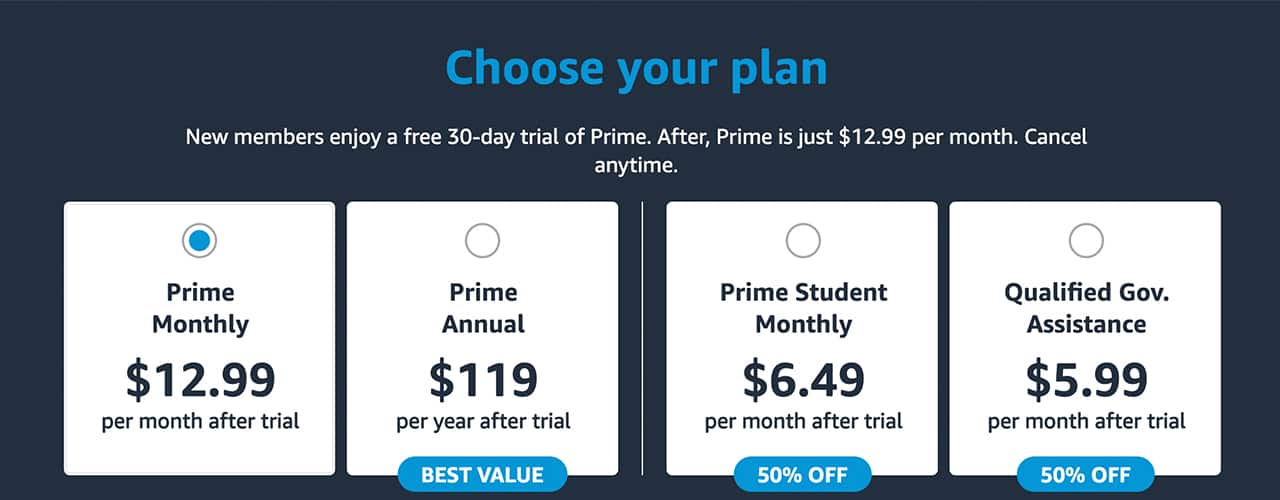
Historically, the annual membership has always offered a significant discount compared to paying month-to-month. As of its last major price adjustment, a typical annual Amazon Prime membership in the United States costs around $139 per year. This upfront payment grants you 12 months of access to all Prime benefits.
Conversely, opting for a monthly payment plan typically costs around $14.99 per month. While this offers greater flexibility, allowing users to cancel at any time without a long-term commitment, it adds up to approximately $179.88 over a 12-month period.
From a purely mathematical standpoint, the annual subscription represents a saving of roughly $40.88 per year compared to the monthly option. This nearly 23% saving is a compelling argument for those who are confident in their long-term usage of Prime’s services. For budget-conscious consumers, this difference can be substantial, akin to getting almost three months of service for free when choosing the annual plan. The financial decision here hinges on a balance between flexibility and cost efficiency. If your usage is consistent throughout the year, the annual plan is the clear financial winner. If you anticipate needing Prime only for specific seasons (e.g., holiday shopping, summer movie releases) or are uncertain about long-term commitment, the monthly plan, despite its higher cumulative cost, offers valuable financial agility.
Discounted Options: Student, EBT, and Medicaid Pricing
Amazon recognizes that not all consumers have the same financial capacity and, in a commendable move toward accessibility, offers significantly discounted Prime memberships for specific demographics. These programs represent substantial savings and can dramatically alter the cost-benefit analysis for eligible individuals.
For students, Amazon Prime Student offers a reduced rate, typically around $7.49 per month or $69 per year. This discount is often paired with a generous free trial period (e.g., six months), providing ample time for students to evaluate the service. Eligibility typically requires proof of enrollment in a two- or four-year college or university. Given the financial constraints many students face, this discount almost halves the cost of a standard annual membership, making it an exceptionally attractive proposition. The savings gained here can be redirected towards textbooks, tuition, or other essential living expenses, underscoring the direct financial benefit.
Furthermore, Amazon extends a similar reduced rate for individuals receiving government assistance, specifically those with a valid EBT or Medicaid card. This program also typically prices Prime at around $6.99 per month, offering nearly a 50% discount on the standard monthly rate. This initiative aims to make the conveniences and digital resources of Prime accessible to a broader population, recognizing the financial challenges faced by these communities. While the EBT/Medicaid option is usually a monthly subscription, its affordability makes it a viable choice for managing recurring expenses on a tighter budget.
These discounted programs highlight Amazon’s tiered pricing strategy, which, from a financial perspective, demonstrates an understanding of varied consumer purchasing power. For eligible individuals, exploring these options is not just about saving money; it’s about making a premium service financially attainable, allowing access to benefits that could otherwise be out of reach.
Regional Variations and International Considerations
While the focus here is primarily on the U.S. market, it’s important to note that Amazon Prime’s pricing and even its suite of benefits can vary significantly across different countries. Amazon operates distinct Prime programs in dozens of countries, each with localized pricing structures, currency conversions, and sometimes different service inclusions due to regional content licensing or logistical capabilities.
For instance, Prime in the UK, Germany, Canada, or Japan will have its own specific annual and monthly rates denominated in local currency. These prices are adjusted based on local market conditions, purchasing power, and competitive landscapes. While a detailed breakdown of every international market is beyond the scope of this article, the key financial takeaway is that “Amazon Prime cost” is not a monolithic figure. Individuals living outside the U.S. should consult their respective Amazon country sites for accurate, localized pricing. For those with international ties or considering relocating, this variability underscores the need for a fresh financial evaluation based on local market specifics.
Beyond the Sticker Price: Evaluating Prime’s True Financial Value
The sticker price of Amazon Prime is only one side of the financial coin. To truly understand its worth, one must conduct a deeper financial analysis, weighing the explicit cost against the quantifiable savings and the monetary value of its included services. This involves moving beyond simple expenditure to a more holistic understanding of return on investment (ROI) for your subscription dollar.
Quantifying Savings: Free Shipping and Exclusive Deals
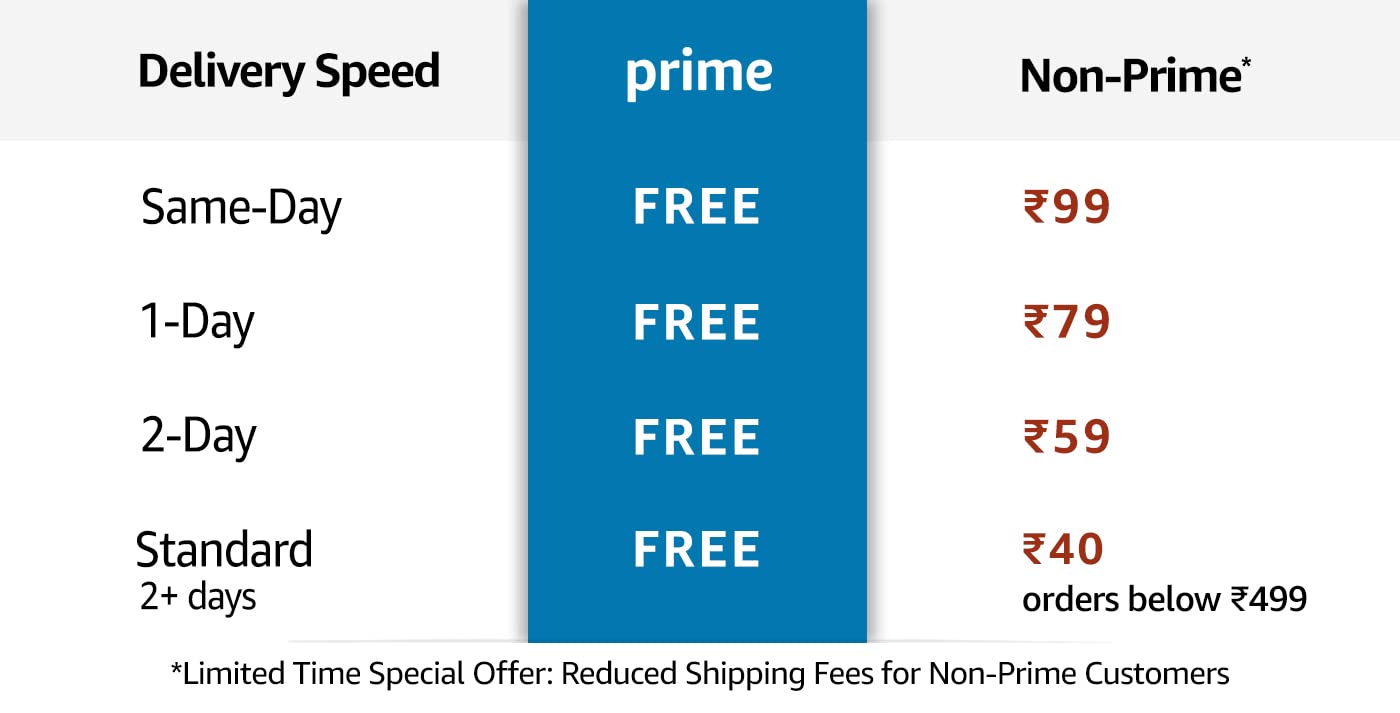
The most immediate and tangible financial benefit of Amazon Prime, for many, is the free and expedited shipping. For frequent online shoppers, this can translate into substantial savings over the course of a year. Consider a scenario where an individual places an average of two orders per month, each incurring a standard shipping fee of $5-$10 without Prime. Over a year, this could amount to $120-$240 in shipping costs alone. In this context, the Prime membership fee (e.g., $139 annually) quickly pays for itself, and any additional benefits become pure financial gain.
Beyond standard shipping, Prime also offers Prime Day access and exclusive deals throughout the year. While quantifying the exact savings from these deals is challenging and highly dependent on individual purchasing habits, shrewd shoppers can leverage these discounts to save significant amounts on products they would have purchased anyway. The key here is financial discipline: only buy what you need and would have bought regardless of the deal. If a Prime Day purchase saves you $50 on an item you genuinely needed, that effectively reduces your annual Prime cost by $50. However, if it leads to impulse buys, these “savings” can quickly turn into hidden costs.
Another less obvious shipping benefit is the ability to order low-cost items without worrying about minimum order thresholds for free shipping (often $25 or more for non-Prime members). For small, essential purchases, Prime can prevent you from adding unnecessary items to your cart just to meet a free shipping minimum, thus preventing unintended spending.
The Monetary Worth of Included Services: Prime Video, Music, and More
Amazon Prime is a bundle, and its financial value extends well beyond shipping. It encompasses a suite of digital services that, if purchased separately, would incur significant costs.
- Prime Video: This streaming service provides access to a vast library of movies and TV shows, including Amazon Originals. Standalone streaming services often cost $10-$20 per month. If you subscribe to Prime solely for its video content and it replaces another paid streaming service, you’re effectively saving that other subscription fee.
- Amazon Music Prime: While not as comprehensive as Amazon Music Unlimited, Music Prime offers millions of ad-free songs and podcasts. If this satisfies your musical needs and prevents a separate Spotify or Apple Music subscription (typically $10-$15/month), it represents a direct financial saving.
- Prime Reading/First Reads: Access to a rotating selection of ebooks and magazines, plus a free early-release book each month. For avid readers, this can reduce spending on new books, each of which can cost $10-$20.
- Amazon Photos: Unlimited full-resolution photo storage. Cloud storage services like Google One or iCloud charge monthly fees for comparable storage tiers. For individuals with extensive photo libraries, this is a valuable, often overlooked, financial benefit.
- Prime Gaming: Free games, in-game content, and a free Twitch channel subscription. For gamers, these perks can translate into savings on digital purchases.
To assess the true monetary worth, consider which of these services you would realistically pay for if they weren’t included with Prime. If you cancel Netflix because Prime Video meets your needs, that’s a direct financial saving. If Amazon Photos replaces your paid cloud storage, that’s another. The more Prime services you genuinely utilize as substitutes for other paid subscriptions, the higher the financial ROI of your Prime membership.
Opportunity Costs and Impulse Buying: The Hidden Financial Pitfalls
While Prime offers undeniable value, it also presents financial pitfalls that require vigilance. One significant aspect is opportunity cost. Every dollar spent on Prime is a dollar not available for other investments, savings, or expenses. For someone struggling with debt or building an emergency fund, that $139 annual fee might be better allocated elsewhere, regardless of Prime’s benefits. The convenience of Prime, while saving money on shipping, might not outweigh the opportunity cost of delaying critical financial milestones.
More subtly, Prime’s very design can encourage impulse buying. The promise of free, fast shipping, easy returns, and endless product recommendations can lead consumers to purchase items they don’t truly need, simply because the barrier to purchase is so low. “It’s just $10, and it’ll be here tomorrow!” can quickly accumulate into hundreds of dollars of unnecessary spending. These impulse purchases, despite being individually small, represent a significant hidden cost of Prime. The “free shipping” can create a psychological illusion that every purchase is cost-free, overlooking the actual price of the item itself. For financially disciplined individuals, this might not be an issue, but for others, Prime can inadvertently become a catalyst for overspending, negating any shipping savings and then some.
Therefore, a robust financial evaluation of Prime must not only account for the direct costs and savings but also for these indirect financial pressures and the discipline required to navigate them.
Financial Strategies for Maximizing Your Prime Investment
Once you’ve decided to invest in an Amazon Prime membership, the next financial step is to ensure you’re getting the absolute maximum value for your money. This isn’t just about using the services; it’s about strategic utilization that enhances your financial well-being and prevents wastage.
Conducting a Personal Cost-Benefit Analysis: Is Prime Right for Your Budget?
The most critical financial strategy begins before subscription: a personalized cost-benefit analysis. This involves a frank assessment of your needs, usage patterns, and budget.
- Track Your Amazon Spending & Shipping Costs: For a month or two, track how many orders you place on Amazon and what the hypothetical shipping costs would have been without Prime. If you consistently order several items a month, especially those below the free shipping threshold, the value proposition quickly strengthens.
- Evaluate Digital Service Usage: Which of Prime’s included services (Video, Music, Photos, Reading) would you genuinely use? More importantly, do they replace another paid subscription? If Prime Video means you can cancel Hulu, that’s a clear financial win. If you already pay for Netflix, Spotify, and iCloud, and only occasionally dabble in Prime’s offerings, the “free” services might not hold much financial weight for you.
- Assess Your Shopping Habits: Are you prone to impulse buying? If the ease of Prime tempts you to spend more than you intend, the financial costs of overspending can quickly outweigh the membership fee. If you’re a disciplined shopper who primarily buys necessities, this risk is mitigated.
- Consider Discount Eligibility: Are you a student, EBT, or Medicaid recipient? The drastically reduced rates for these groups make the cost-benefit analysis significantly more favorable. For many eligible individuals, Prime becomes a clear financial advantage due to the massive discount.
By performing this personal audit, you move beyond generic recommendations and tailor the decision to your unique financial circumstances. If the total quantifiable savings (shipping, replaced subscriptions) consistently exceed the annual fee, Prime is likely a good financial investment. If not, it might be an unnecessary drain on your budget.
Leveraging Family Sharing for Collective Savings
One often-overlooked financial benefit of Amazon Prime is the ability to share certain perks with other members of your household. Through Amazon Household, you can link two adult Amazon accounts and up to four teen and four child profiles. The two adults can share:
- Free Prime Shipping: Both adults get unlimited Prime shipping benefits.
- Prime Video: Both accounts can stream Prime Video content.
- Prime Reading & Amazon Photos: Access to shared libraries.
- Twitch Prime: The benefits can extend to linked accounts.
This feature provides significant collective savings. Instead of two adults in the same household each paying for a separate Prime membership (e.g., $139 x 2 = $278), they can split or manage a single $139 membership, effectively halving the cost per user while retaining core benefits. This financial synergy makes Prime an even more attractive proposition for families or couples living together, drastically improving the cost-effectiveness per individual user. It’s a key strategy for reducing overall household subscription expenses.
When to Opt for Alternatives or Cancel Your Membership
No subscription service is a permanent fixture in a sound financial plan. There are definite scenarios where cancelling Amazon Prime or exploring alternatives makes more financial sense.
- Infrequent Usage: If you find yourself ordering from Amazon only a few times a year, the shipping costs for those individual orders might be less than the annual Prime fee. Many other retailers offer free shipping with minimum purchase, providing an alternative for occasional online shopping.
- Underutilization of Digital Perks: If you don’t stream Prime Video, don’t use Music Prime, and already have dedicated cloud storage, you’re essentially paying for shipping and a few marginal benefits. Re-evaluate if these alone justify the cost.
- Budget Cuts: During times of financial belt-tightening, discretionary subscriptions are often the first to go. If that $139 or $14.99 per month can be better utilized for debt repayment, savings, or essential expenses, cancelling Prime is a responsible financial move.
- Emergence of Better Alternatives: The market for streaming, music, and online shopping is dynamic. If a competitor offers a package that better suits your needs and budget, don’t hesitate to switch.
- Trial Period Expiration: If you signed up for a free trial and realize you’re not utilizing it sufficiently, ensure you cancel before the paid subscription kicks in to avoid unexpected charges.
Cancelling Prime is straightforward via your Amazon account settings. If you’ve paid for an annual membership and cancel partway through, Amazon often offers a pro-rated refund based on your usage, providing some financial recuperation. The key is to regularly audit all your subscriptions, including Prime, to ensure they continue to deliver financial value and align with your evolving budget and needs.
Budgeting for Digital Subscriptions: Prime’s Place in Your Financial Plan
In today’s digital landscape, subscription services are a significant line item in many household budgets. Integrating Amazon Prime, alongside other digital services, into a comprehensive financial plan is crucial for maintaining control over your spending and ensuring financial health.
Integrating Prime into Your Monthly/Annual Budget
Treating your Amazon Prime membership as a fixed expense, whether monthly or annually, is fundamental to effective budgeting.
- Monthly Budgeters: If you opt for the monthly Prime plan ($14.99), allocate this amount specifically within your “Entertainment & Subscriptions” or “Household Services” category. Ensure this doesn’t push you over budget.
- Annual Budgeters: For the $139 annual fee, you have a couple of financial strategies. You can either save approximately $11.58 each month into a dedicated sinking fund, so the lump sum is available when your renewal comes due, or simply account for the full $139 once a year within your annual financial review. The sinking fund approach is often preferred for smoother cash flow management, preventing a large, unexpected outlay.
Regardless of the payment frequency, the goal is to consciously allocate funds for Prime. This prevents the “surprise” of a recurring charge and ensures that the expense is factored into your overall financial capacity. It moves Prime from a forgotten auto-renewal to a deliberate, managed expense.
Comparing Prime’s Value Against Other Entertainment and Lifestyle Subscriptions
Amazon Prime doesn’t exist in a vacuum. Most households subscribe to multiple digital services, and a comprehensive financial review should compare Prime’s value proposition against these others.
List all your recurring subscriptions: Netflix, Disney+, Spotify, gym memberships, software subscriptions, etc. Then, ask:
- Which services are truly indispensable?
- Which offer the most “bang for your buck” in terms of usage vs. cost?
- Are there overlapping benefits? (e.g., Prime Video vs. another streaming service)
- Can any be replaced or bundled for savings?
If Prime Video largely satisfies your streaming needs, perhaps you can drop a more expensive standalone streaming service. If Amazon Music Prime is “good enough,” you might reconsider a premium music subscription. This comparative analysis ensures that your total subscription spending is optimized, preventing you from paying for redundant services or those that no longer align with your consumption habits. The aim is to curate a lean, high-value portfolio of subscriptions that collectively enhance your lifestyle without draining your budget.

Future-Proofing Your Subscription Spending: Anticipating Price Hikes
The cost of digital subscriptions, including Amazon Prime, is not static. Companies periodically adjust their pricing to reflect increased operating costs, expanded features, or market inflation. Amazon Prime has seen several price increases over the years, and it’s prudent financial planning to anticipate that future adjustments will occur.
- Build in a Buffer: When budgeting for subscriptions, consider adding a small buffer to your allocated amount. For instance, if Prime costs $139, budget $150. This small surplus can absorb minor price hikes without disrupting your overall financial plan.
- Stay Informed: Pay attention to news regarding your subscriptions. Companies typically announce price increases in advance, giving you time to adjust your budget or reconsider your membership.
- Regular Review: Conduct an annual or bi-annual review of all your subscriptions. This isn’t just about current usage, but also about checking for new pricing, new features, and assessing the long-term sustainability of these expenses within your financial plan. This proactive approach to subscription management is key to maintaining financial control in an ever-evolving digital economy.
Ultimately, understanding “how much Amazon Prime costs” is just the starting point. The true financial wisdom lies in a deeper analysis of its value, strategic utilization, and its intelligent integration into a well-managed personal budget. By taking these steps, you can ensure that your Amazon Prime membership remains a financial asset rather than a hidden liability.
aViewFromTheCave is a participant in the Amazon Services LLC Associates Program, an affiliate advertising program designed to provide a means for sites to earn advertising fees by advertising and linking to Amazon.com. Amazon, the Amazon logo, AmazonSupply, and the AmazonSupply logo are trademarks of Amazon.com, Inc. or its affiliates. As an Amazon Associate we earn affiliate commissions from qualifying purchases.