
The NASDAQ Stock Market stands as a titan in the global financial landscape, often synonymous with innovation, technology, and high-growth companies. For investors and market enthusiasts alike, a fundamental question often arises: “How many stocks are listed on NASDAQ?” While seemingly straightforward, the answer is dynamic, reflecting the continuous evolution of the market itself. This article will delve into the intricacies of NASDAQ listings, explore the factors that influence this number, and explain why understanding its breadth is crucial for informed investment decisions.
Understanding the NASDAQ Ecosystem
To grasp the true nature of NASDAQ’s listings, it’s essential to first understand its unique position and operational philosophy within the financial world. Unlike traditional auction-based exchanges, NASDAQ operates as an electronic, dealer-based market, facilitating trades primarily through a vast network of market makers.
NASDAQ: A Premier Global Exchange
Established in 1971, NASDAQ was the world’s first electronic stock market, revolutionizing how securities are traded. It quickly became the preferred listing venue for burgeoning technology companies, biotechnology firms, and other innovative businesses seeking access to capital markets. Over the decades, it has grown exponentially, attracting companies from around the globe and solidifying its reputation as a hub for future-oriented industries. Its electronic nature allows for high liquidity, speed, and transparency, making it an attractive platform for both large institutional investors and individual traders. The exchange is not merely a trading venue; it’s a bellwether for innovation and economic growth, particularly in sectors driving the global economy forward.
Beyond Just a Number: NASDAQ’s Dynamic Landscape
The number of companies listed on NASDAQ is not a fixed statistic but rather a constantly fluctuating figure. It changes daily, even hourly, due to a multitude of market activities. New companies join through initial public offerings (IPOs) or direct listings, while others depart due to mergers, acquisitions, bankruptcies, or failure to meet listing requirements. This constant flux underscores the vibrancy and competitive nature of capital markets. Rather than focusing on a precise, static count, it’s more insightful to understand the mechanisms that drive these changes and the approximate scale of the exchange. This dynamic nature is a testament to the efficient capital allocation process inherent in free markets, where capital flows to promising ventures and reallocates away from those that falter.
The Ever-Fluctuating Count: Factors Influencing NASDAQ Listings
The total number of companies listed on NASDAQ is a live count, reflecting ongoing corporate activities and regulatory oversight. Several key factors contribute to its continuous state of flux.
New Listings: IPOs and Direct Listings
One of the primary drivers of growth in NASDAQ’s listed companies is the influx of new firms through various listing mechanisms.
- Initial Public Offerings (IPOs): This is the most common route, where a private company sells shares to the public for the first time. NASDAQ’s reputation as a home for growth and tech companies makes it an attractive destination for high-profile IPOs. The capital raised through IPOs enables companies to fund expansion, research and development, and other strategic initiatives, fueling economic activity.
- Direct Listings: A more recent phenomenon, direct listings allow companies to list existing shares on an exchange without raising new capital or involving traditional underwriters. This method can save companies significant fees and offer a more democratic way for existing shareholders to sell their stakes.
- Spin-offs: Larger corporations sometimes spin off divisions or subsidiaries into separate, publicly traded entities. These new companies often seek listings on exchanges like NASDAQ, adding to the total count.
Each new listing brings fresh capital, new investment opportunities, and often, innovative business models to the public market, continually refreshing the exchange’s roster.
Delistings: Mergers, Acquisitions, and Regulatory Compliance
While new listings add to the count, delistings subtract from it. These departures are equally crucial for maintaining market efficiency and investor confidence.
- Mergers and Acquisitions (M&A): When one listed company is acquired by another, or two listed companies merge, one or both of their stock listings may be removed from the exchange. This is a common occurrence in mature industries and part of the natural corporate lifecycle.
- Failure to Meet Listing Requirements: NASDAQ, like all major exchanges, has stringent listing standards that companies must continuously meet. These include minimum share price, market capitalization, shareholder equity, and trading volume requirements. Companies that fall below these thresholds may receive a deficiency notice and, if unable to rectify the situation, face delisting. This mechanism protects investors by ensuring that only viable, liquid companies remain publicly traded.
- Bankruptcies and Liquidations: Companies facing severe financial distress may file for bankruptcy protection. If they cease operations or are liquidated, their shares will be delisted.
- Voluntary Delisting: Occasionally, a company may choose to delist its shares voluntarily, often to go private or pursue a different corporate strategy away from the public eye and its associated regulatory burdens.
These delisting events ensure that the exchange remains populated by active, compliant, and generally healthy companies, continually refining the investment universe available to the public.
Secondary Listings and Transfers
Companies might also transfer their listings between exchanges. A company initially listed on a regional exchange might move to NASDAQ to gain more visibility and liquidity. Conversely, a company might transfer from NASDAQ to the New York Stock Exchange (NYSE), or vice-versa, based on strategic considerations, perceived prestige, or specific market conditions. These transfers, while not new companies entering the public market, do affect the count on a specific exchange at any given time.
Navigating the Data: Pinpointing the Approximate Number
Given the dynamic nature, providing an exact, real-time number of NASDAQ-listed stocks is challenging. However, various indices and official sources offer excellent approximations and insights into the scale of the exchange.
NASDAQ Composite Index: A Broad Market Barometer
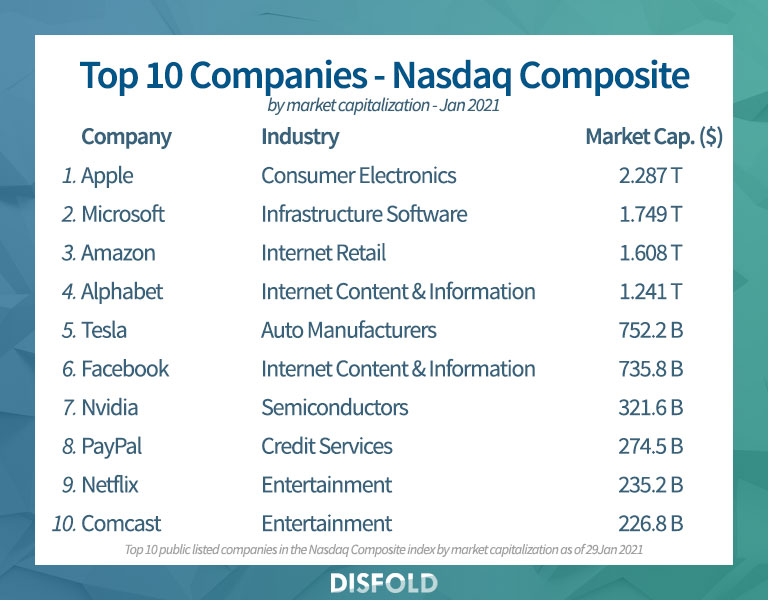
The NASDAQ Composite Index is perhaps the most well-known benchmark associated with the exchange. It includes virtually all common stocks listed on the NASDAQ Stock Market. This index is market-capitalization weighted, meaning larger companies have a greater impact on its performance. The number of companies included in the NASDAQ Composite typically ranges from around 3,000 to over 3,500 at any given time. This figure provides the broadest possible answer to “how many stocks in NASDAQ?” as it aims to capture the entire universe of eligible securities. It’s a key indicator of the health and direction of the technology and growth sectors, and by extension, a significant segment of the broader U.S. economy.
NASDAQ 100: The Large-Cap Tech Focus
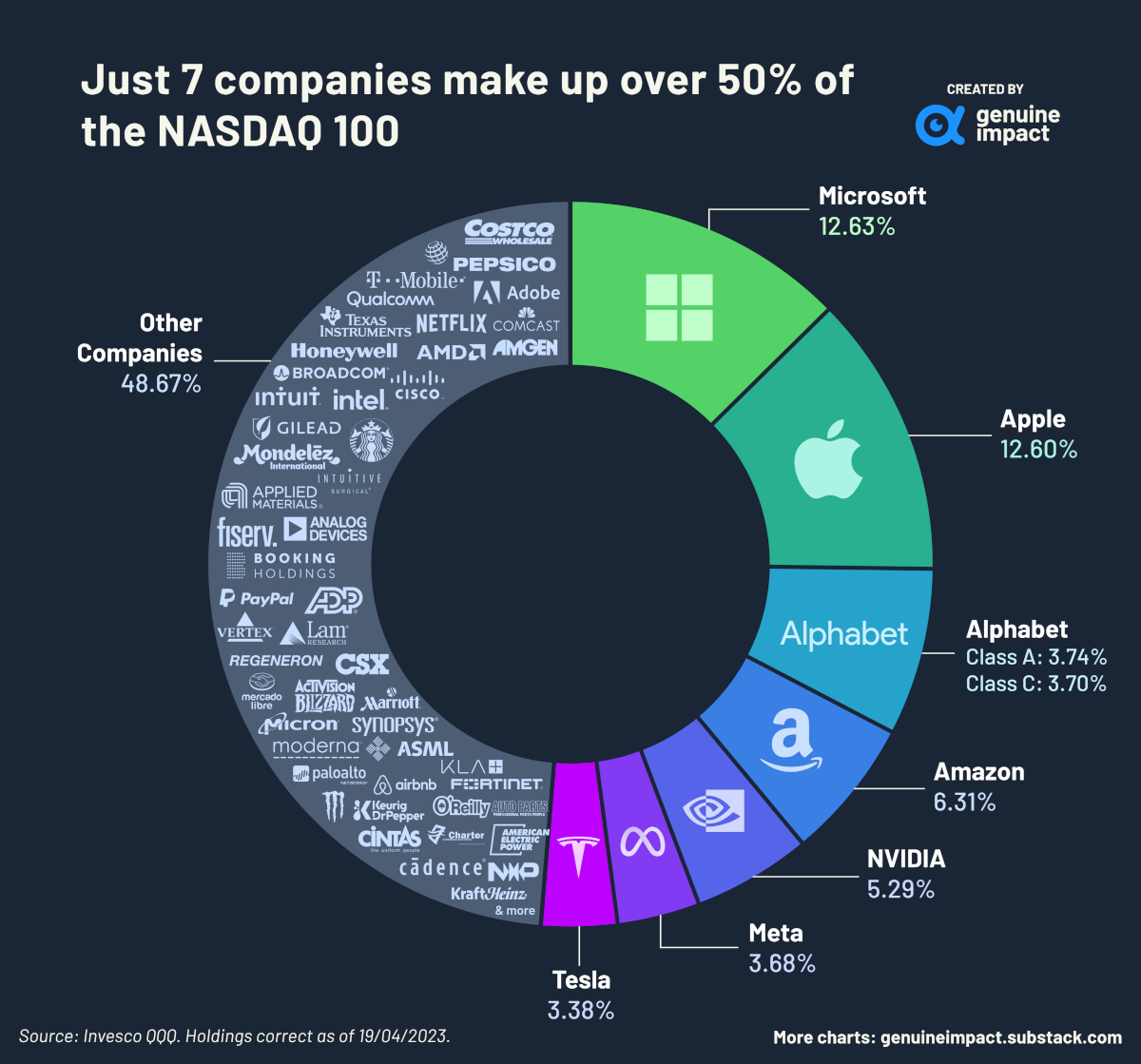
While the Composite is broad, the NASDAQ 100 Index is much more selective. It comprises the 100 largest non-financial companies listed on the NASDAQ Stock Market, also market-capitalization weighted. This index is highly influential, as it includes many of the world’s most prominent technology, internet, telecommunications, and biotechnology companies like Apple, Microsoft, Amazon, and Google. Although it only represents 100 companies, their collective market capitalization and impact on global markets are immense. The NASDAQ 100 often serves as a proxy for the performance of the ‘big tech’ segment, making it a crucial benchmark for many investors.
Official Sources and Real-Time Data
For the most up-to-date and precise figures, investors should always refer to official NASDAQ sources. The NASDAQ website (Nasdaq.com) typically provides statistics on total listings, new listings, and delistings in its “Market Activity” or “Statistics” sections. Financial data providers (e.g., Bloomberg, Refinitiv, FactSet) and reputable financial news outlets also track these numbers, often reflecting real-time changes. It’s important to note that even these sources might have slight discrepancies depending on how they count certain security types (e.g., preferred shares, ETFs, REITs that might be technically listed but not “common stocks” in every aggregation).
The Significance for Investors: Why the Count Matters
Understanding the sheer volume and dynamic nature of NASDAQ listings is more than just a trivia point; it offers profound insights for investors seeking to navigate the market effectively.
Market Breadth and Economic Health
The total number of companies listed on an exchange like NASDAQ can serve as an indicator of market breadth and, by extension, economic health. A growing number of listings, particularly through IPOs, often signifies a robust economy with ample capital available for new ventures and expansion. Conversely, a period of widespread delistings or a significant slowdown in new listings could signal economic contraction or increased market uncertainty. For investors, monitoring these trends can help gauge overall market sentiment and identify potential shifts in economic cycles, informing portfolio adjustments and risk assessments. It reflects the flow of entrepreneurial activity and innovation translating into public investment opportunities.
Diversification Opportunities and Sector Focus
The vast number of companies on NASDAQ presents immense opportunities for diversification. With thousands of stocks, investors can build portfolios that span various industries (even within the tech umbrella), company sizes, and risk profiles. NASDAQ’s strong concentration in technology, healthcare, and growth sectors allows investors to gain targeted exposure to these often high-performing segments of the economy. For those looking to invest in disruptive technologies, biotechnology breakthroughs, or the digital economy, NASDAQ is an indispensable resource. This breadth allows for granular portfolio construction, catering to specific investment theses or thematic strategies, while also enabling broad market exposure through index funds.
Benchmarking Performance
The NASDAQ Composite and NASDAQ 100 indices are widely used as benchmarks to measure the performance of investment portfolios. Investors whose portfolios have significant exposure to technology and growth stocks will often compare their returns against these indices. Understanding what constitutes these indices, and the general universe of stocks from which they are drawn, helps investors set realistic expectations and evaluate their portfolio managers’ effectiveness in navigating the tech-heavy market. It’s not just about beating the market, but understanding which ‘market’ one is trying to beat and what underlying characteristics define it.
Investing on NASDAQ: Strategies and Considerations
Investing in NASDAQ-listed companies requires a nuanced approach, given the exchange’s characteristic focus on growth and often higher-volatility sectors.
Growth-Oriented Investing
NASDAQ is a natural home for growth investors. These investors prioritize companies that are expected to grow earnings and revenue at a faster rate than the overall market, often reinvesting profits back into the business rather than paying dividends. Many NASDAQ companies fit this profile, from established tech giants expanding into new markets to nascent startups revolutionizing industries. Identifying these companies requires thorough fundamental analysis, focusing on market potential, competitive advantages, management quality, and financial health, even if current profitability is low or non-existent. The potential for outsized returns comes with a higher degree of risk, demanding a long-term perspective.
Understanding Market Volatility
Due to its concentration in growth sectors, the NASDAQ market, particularly its indices, can exhibit higher volatility compared to broader market indices like the S&P 500 or the Dow Jones Industrial Average. Technology and biotech stocks are often more sensitive to economic cycles, interest rate changes, and shifts in investor sentiment. Investors must be prepared for larger price swings and should align their risk tolerance with the inherent volatility of NASDAQ-heavy portfolios. Diversification within the NASDAQ ecosystem and disciplined risk management are crucial for mitigating potential downsides.

Utilizing ETFs and Index Funds for NASDAQ Exposure
For investors who wish to gain exposure to the NASDAQ market without selecting individual stocks, exchange-traded funds (ETFs) and index funds offer an efficient solution.
- NASDAQ Composite Index Funds/ETFs: These funds aim to replicate the performance of the entire NASDAQ Composite, providing broad market exposure to thousands of companies with a single investment.
- NASDAQ 100 Index Funds/ETFs (e.g., QQQ): These are extremely popular for investors seeking exposure specifically to the 100 largest non-financial companies on NASDAQ. They offer concentrated exposure to the tech titans and other leading growth companies.
These funds provide instant diversification, lower transaction costs, and often professional management, making them an accessible entry point for investors ranging from novices to seasoned professionals looking for targeted market segment exposure. They simplify the process of investing in a broad, dynamic market like NASDAQ, allowing investors to benefit from its growth potential without the complexities of individual stock picking.
In conclusion, while the precise number of stocks on NASDAQ is a moving target, typically fluctuating between 3,000 and 3,500, understanding this dynamic ecosystem is paramount for investors. NASDAQ represents a vibrant, innovation-driven market offering extensive opportunities for capital growth, albeit with inherent volatility. By appreciating the factors influencing its listings and utilizing appropriate investment strategies, individuals can effectively leverage the power of this premier global exchange.
aViewFromTheCave is a participant in the Amazon Services LLC Associates Program, an affiliate advertising program designed to provide a means for sites to earn advertising fees by advertising and linking to Amazon.com. Amazon, the Amazon logo, AmazonSupply, and the AmazonSupply logo are trademarks of Amazon.com, Inc. or its affiliates. As an Amazon Associate we earn affiliate commissions from qualifying purchases.