
The question of “how many planes does American Airlines have?” might seem like a simple statistical inquiry. However, for a major global carrier like American Airlines, the answer is far from a mere number; it represents a colossal financial undertaking, a dynamic asset base, and a critical determinant of its business finance and investment profile. From the perspective of “Money,” understanding American Airlines’ fleet size, composition, and management is an indispensable exercise for investors, financial analysts, and anyone interested in the economics of large-scale aviation.
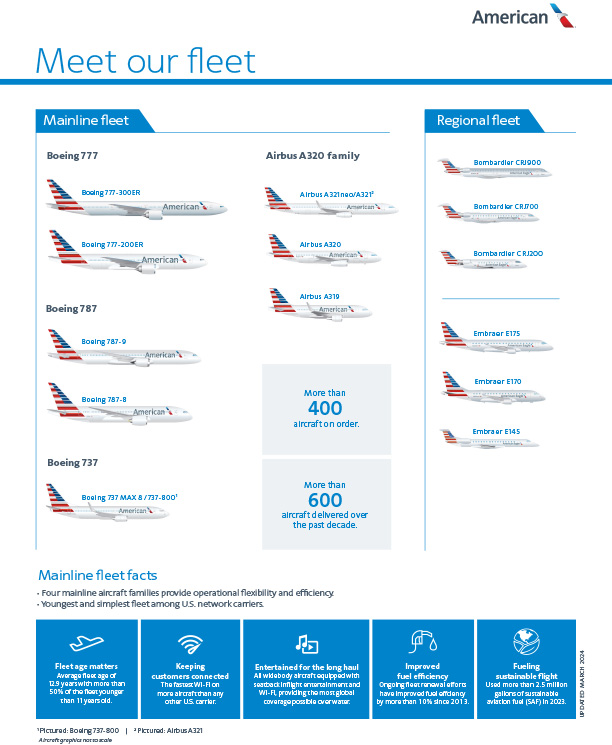
American Airlines operates one of the largest and most complex fleets in the world. While the exact, real-time number fluctuates due to daily operational changes, deliveries, retirements, and maintenance cycles, American Airlines typically operates over 900 mainline aircraft and, when combined with its regional partners (branded as American Eagle), the total operational fleet exceeds 1,500 aircraft. This extensive network of metallic birds represents billions of dollars in assets, directly influencing everything from capital expenditure and operational costs to revenue generation and long-term financial strategy. For investors, this fleet is not just a collection of machines, but a tangible representation of the company’s capacity, market reach, debt structure, and future profitability.
The Financial Scale of a Global Fleet
An airline’s fleet is its primary income-generating asset. For American Airlines, its hundreds of aircraft are the engines of its revenue, but also the biggest drivers of its costs and capital requirements. Dissecting the financial implications of such a massive fleet reveals the intricate balance sheets and strategic decisions behind one of the world’s leading airlines.
Understanding Fleet Composition and Asset Value
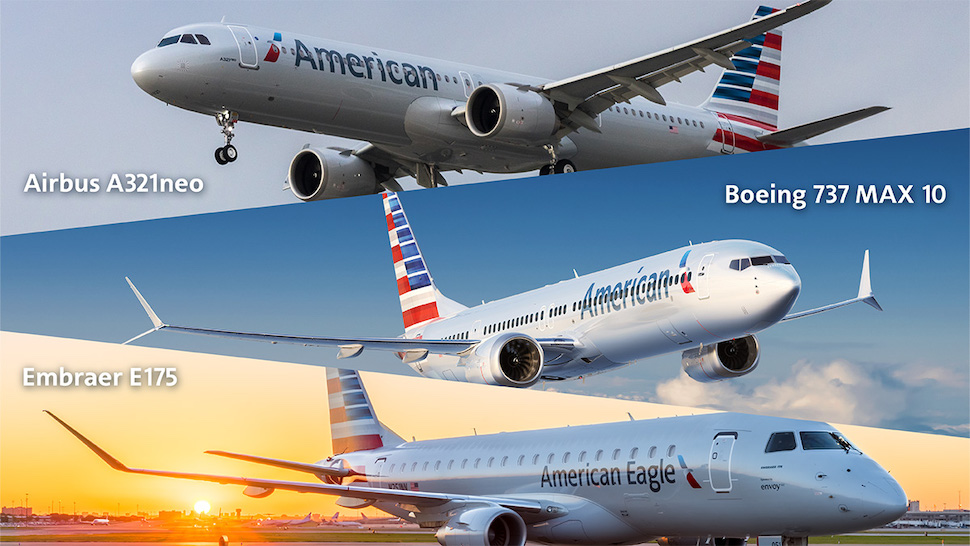
American Airlines’ mainline fleet is predominantly composed of Airbus A320 family aircraft (A319, A320, A321) and Boeing 737 family aircraft (737-800, 737 MAX). For long-haul international routes, it relies on wide-body jets like the Boeing 777 and 787 Dreamliner. Each of these aircraft types represents a different investment profile, with narrow-body jets often costing between $50 million to $120 million per unit, and wide-body aircraft ranging from $150 million to over $300 million each, depending on configuration and customization.
Multiplying these figures by the sheer number of aircraft reveals an asset base valued in the tens, if not hundreds, of billions of dollars. This staggering sum sits on American Airlines’ balance sheet as property, plant, and equipment, underpinning its equity and often serving as collateral for its financing. The average age of the fleet is also a critical metric; newer aircraft generally command higher market values and often come with more favorable financing terms, while older aircraft might be fully depreciated but incur higher maintenance costs. Financial analysts meticulously track this composition to gauge the airline’s capital intensity, its ability to modernize, and its competitive edge.
Capital Expenditure and Investment Strategy
Acquiring aircraft is a massive capital expenditure (CapEx). American Airlines employs a combination of strategies to fund its fleet: direct purchases, sale-and-leaseback agreements, and operating leases. Direct purchases require significant upfront capital, often financed through debt, which impacts the airline’s leverage ratios and interest expenses. Sale-and-leaseback transactions involve selling new aircraft to a leasing company and then leasing them back, providing immediate cash infusion and converting a capital expense into an operating expense. Operating leases, where the airline essentially rents the aircraft for a period, offer greater flexibility and lower upfront costs, but result in higher recurring lease payments.
The choice between these financing methods is a strategic financial decision, influenced by interest rates, market conditions, the airline’s cash flow, and its debt covenants. A well-managed CapEx strategy aims to balance fleet modernization with financial prudence, ensuring the airline can invest in the most fuel-efficient and technologically advanced aircraft without overleveraging itself or draining essential working capital. This balancing act is crucial for sustaining profitability and shareholder value.
Depreciation and Asset Management
Aircraft, like all physical assets, depreciate over time. American Airlines accounts for this depreciation on its financial statements, gradually reducing the book value of its aircraft over their estimated useful life. This non-cash expense impacts reported profits and taxable income. Effective asset management involves not just acquiring but also maintaining, upgrading, and eventually retiring or selling aircraft.
When an aircraft reaches the end of its economic life, it can be phased out of the fleet, sold for parts, or converted for cargo use. The residual value of older aircraft plays a role in the overall financial calculation. A proactive fleet management strategy seeks to optimize the timing of these decisions, minimizing the financial impact of aging assets while capitalizing on opportunities to refresh the fleet with more efficient models. This continuous cycle of acquisition, operation, and retirement is a fundamental aspect of an airline’s long-term financial planning.
Operational Economics: Costs and Revenue Generation
Beyond the acquisition cost, the day-to-day operation of American Airlines’ extensive fleet incurs substantial and often volatile expenses. Simultaneously, each plane is a revenue-generating unit, and maximizing its profitability is key to the airline’s financial success.
Fuel Efficiency and Operating Costs
Fuel is typically an airline’s single largest operating expense, often accounting for 20-30% of total costs. The number and type of planes directly impact fuel consumption. Newer aircraft models, like the Boeing 737 MAX and 787 Dreamliner, are designed for significantly better fuel efficiency than their predecessors. Therefore, American Airlines’ ongoing fleet modernization efforts are not just about passenger comfort or environmental mandates, but primarily about driving down these critical operating costs. A more fuel-efficient fleet translates directly into higher operating margins, making the CapEx investment in new planes a strategic move for long-term financial health. Even a small percentage improvement in fuel burn across hundreds of aircraft can save hundreds of millions of dollars annually.
Maintenance and Overhaul Expenditures
Maintaining a fleet of hundreds of complex machines is another colossal expense. American Airlines spends billions annually on maintenance, repair, and overhaul (MRO) activities. This includes routine checks, scheduled heavy maintenance visits (often every few years), and unexpected repairs. The age and type of aircraft significantly influence maintenance costs; older planes generally require more frequent and extensive repairs.
To manage these costs, airlines often have their own MRO facilities or contract with third-party providers. Investing in predictive maintenance technologies and spare parts inventories is crucial for operational reliability and cost control. Maintenance expenses are non-negotiable for safety and regulatory compliance, meaning they represent a fixed and substantial drain on cash flow that must be meticulously budgeted for.
Maximizing Revenue Per Plane

Each flight an American Airlines plane makes is an opportunity to generate revenue. Maximizing this revenue involves several financial strategies:
- Route Optimization: Deploying the right aircraft type on the right route to match demand and capacity, ensuring high load factors (percentage of seats filled).
- Dynamic Pricing: Using sophisticated algorithms to adjust ticket prices based on demand, competition, and booking patterns, often maximizing yield (revenue per passenger mile).
- Ancillary Revenues: Generating additional income from services like checked baggage fees, seat selection, onboard food and beverage sales, and credit card partnerships.
- Operational Efficiency: Minimizing turnaround times at gates, reducing delays, and ensuring on-time performance all contribute to higher aircraft utilization, meaning planes spend more time in the air generating revenue and less time on the ground incurring costs.
The effectiveness of these strategies directly impacts American Airlines’ profitability, turning its large fleet from a cost center into a powerful revenue engine.
Fleet Size as a Strategic Financial Indicator
For investors and market observers, American Airlines’ fleet size and its characteristics are key indicators of its financial strength, market position, and future prospects. These metrics offer insights into the company’s competitive standing and its ability to withstand economic shocks.
Market Share and Competitive Positioning
A large fleet directly correlates with extensive route networks and high flight frequencies, which are critical for capturing market share. American Airlines’ substantial fleet allows it to serve thousands of flights daily to hundreds of destinations, making it a formidable competitor. A dominant fleet size signals operational scale and the ability to serve diverse markets, from lucrative business routes to high-volume leisure destinations.
Investors analyze fleet size in conjunction with passenger traffic and revenue passenger miles (RPMs) to understand the airline’s growth trajectory and its ability to maintain or expand its share in competitive markets. A shrinking or aging fleet, relative to competitors, can be a red flag, indicating potential financial distress or a lack of investment in future growth.
Debt, Lease Obligations, and Financial Leverage
The acquisition of hundreds of aircraft inevitably leads to significant debt and lease obligations. American Airlines, like most legacy carriers, carries a substantial amount of debt on its balance sheet, much of it directly or indirectly tied to its fleet. Financial leverage ratios (like debt-to-equity or debt-to-EBITDA) are closely scrutinized by analysts. A high level of debt, particularly if coupled with fluctuating revenues or rising interest rates, can expose the airline to financial risk.
Conversely, a well-managed debt profile, supported by strong cash flow from its operations, indicates financial stability. The type of financing chosen (e.g., secured debt against specific aircraft vs. unsecured corporate bonds) also reveals insights into the company’s financial risk appetite and its access to different capital markets. Lease obligations, while off-balance sheet for operating leases, still represent significant future financial commitments that must be accounted for in any comprehensive financial analysis.
Investor Perspective: Valuation and Growth Prospects
For investors, the fleet is a tangible asset that forms a major component of an airline’s valuation. When assessing American Airlines as an investment, analysts consider:
- Asset Quality: The age, type, and technological advancement of the fleet. Newer, more efficient planes are generally viewed more favorably.
- Utilization Rates: How effectively the fleet is being used to generate revenue.
- Order Book: Future aircraft deliveries indicate planned growth and capital commitments.
- Balance Sheet Health: How the fleet is financed, the level of debt, and the airline’s capacity to service that debt.
A growing, modern, and efficiently utilized fleet points to a healthy, forward-looking company with strong growth prospects, potentially justifying a higher stock valuation. Conversely, an outdated fleet, high debt levels, and low utilization can signal financial challenges and reduced investment attractiveness.
Fleet Modernization and Future Financial Outlook
American Airlines, like all major carriers, is in a perpetual state of fleet evaluation and modernization. These ongoing efforts are not just about operational efficiency but are deeply rooted in financial strategy, aiming to secure long-term profitability and shareholder returns.
The Rationale for Fleet Renewal
The primary financial drivers for fleet renewal are efficiency gains (particularly fuel, which is a major variable cost), reduced maintenance costs associated with newer aircraft, and enhanced passenger experience, which can command higher fares and improve brand loyalty (indirectly impacting revenue). Newer aircraft also often have better environmental performance, which can reduce regulatory compliance costs and improve the airline’s sustainability profile, appealing to ESG-focused investors. The decision to invest billions in new aircraft is always a trade-off between the immediate capital outlay and the projected future cost savings and revenue enhancements.
Balancing Growth with Financial Prudence
Aggressive fleet expansion can fuel rapid growth in capacity and market share, but it also means substantial capital commitments and increased debt. American Airlines must continuously balance its growth ambitions with financial prudence. This involves careful forecasting of passenger demand, fuel prices, interest rates, and competitive dynamics. Over-ordering aircraft can lead to overcapacity, depressing fares and profitability, while under-investing can lead to an uncompetitive, inefficient fleet. The airline’s leadership, alongside its finance department, makes complex decisions about fleet size, composition, and financing to optimize this balance.
Responding to Market Dynamics
The aviation industry is highly susceptible to external market dynamics, including fuel price volatility, economic downturns, geopolitical events, and pandemics. American Airlines’ fleet strategy must be agile enough to respond to these challenges. During periods of low demand, parking or retiring older, less efficient aircraft can reduce operating costs. During periods of strong growth, the flexibility to scale up capacity (through new deliveries or leasing) is crucial. The financial resilience built into the fleet strategy – through diversified financing, hedging against fuel price fluctuations, and maintaining a robust balance sheet – is paramount for navigating the inherent volatility of the airline business.
In conclusion, the number of planes American Airlines has is a profound financial statement. It represents the enormous capital investment required to compete globally, the intricate network of operational costs and revenue streams it manages, and the strategic financial decisions that underpin its market position and future viability. For those scrutinizing American Airlines’ financial health or considering it as an investment, its fleet is not merely a collection of aircraft, but the very engine of its economic existence.
aViewFromTheCave is a participant in the Amazon Services LLC Associates Program, an affiliate advertising program designed to provide a means for sites to earn advertising fees by advertising and linking to Amazon.com. Amazon, the Amazon logo, AmazonSupply, and the AmazonSupply logo are trademarks of Amazon.com, Inc. or its affiliates. As an Amazon Associate we earn affiliate commissions from qualifying purchases.