
When sports enthusiasts and business analysts ask, “How many MLS teams are there?” they are often looking for a simple number. As of the current season, Major League Soccer (MLS) consists of 29 teams, with the 30th—San Diego FC—set to begin play in 2025. However, from a brand strategy perspective, the number of teams is far more than a statistical figure. It represents a calculated, decades-long journey of corporate identity building, market penetration, and the strategic scaling of a North American sports product into a global powerhouse.
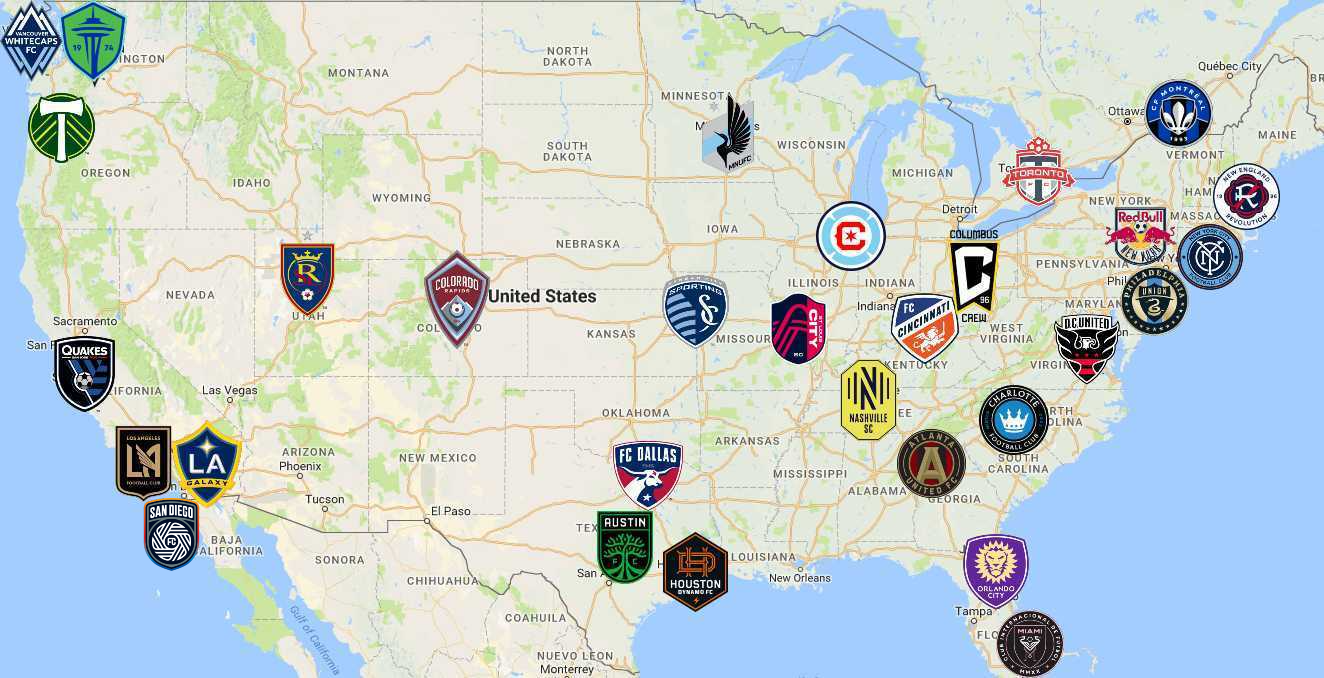
For the modern brand strategist, the growth of MLS is a masterclass in how to build a premium brand in a crowded marketplace. By carefully managing the number of franchises, the league has utilized scarcity, local storytelling, and high-stakes partnerships to elevate its perceived value and cultural relevance.
The Brand Expansion Strategy of Major League Soccer
The trajectory from ten founding clubs in 1996 to the 30-team league we see today is a study in controlled growth. Unlike traditional European leagues that utilize promotion and relegation, MLS operates on a franchise model. This structure allows the league to treat its expansion not just as a sporting necessity, but as a strategic brand deployment.
Curating Scarcity and Demand through Franchise Fees
The most striking evidence of MLS’s brand value is the exponential rise in expansion fees. In the early 2000s, a new franchise could be acquired for approximately $10 million. By the time San Diego FC was awarded the 30th spot, the price tag had soared to a staggering $500 million.
This pricing strategy serves a dual purpose. First, it ensures that only the most capitalized and committed ownership groups can enter the “exclusive club.” Second, it creates a sense of prestige. By setting a high barrier to entry, the league communicates to the global market that an MLS franchise is a blue-chip asset. The number of teams is capped precisely to maintain this high-demand environment, ensuring that the brand doesn’t suffer from dilution while maximizing the valuation of every existing member.
The Shift from Localized Growth to Global Brand Recognition
Historically, the decision of where to place a new team was based on filling geographic gaps in the United States and Canada. Today, the strategy has shifted toward “Global Cities.” The inclusion of teams in markets like Los Angeles, Miami, and New York is not just about domestic television ratings; it is about building a brand that resonates in London, Buenos Aires, and Tokyo.
Each new team added to the count is a new node in a global network. By placing teams in culturally significant hubs, MLS ensures that its corporate identity is associated with innovation, diversity, and international flair. The “how many” question is eventually replaced by the “where,” as the league prioritizes high-value markets that can support luxury branding and international player acquisitions.
Corporate Identity and the Anatomy of an MLS Club Brand
While the league provides the overarching brand framework, the individual clubs are responsible for local execution. One of the most successful elements of the MLS brand strategy is the “Identity Initiative,” which encourages clubs to build deep, authentic connections with their specific urban environments.
Local Narratives: Crafting Unique Club Identities
The beauty of the 29 current teams lies in their distinct brand personas. Take, for example, the contrast between the Seattle Sounders and Nashville SC. Seattle’s brand is built on a legacy of “Civic Passion,” leaning into the Pacific Northwest’s deep-rooted soccer culture and “Green” sustainability. Nashville, on the other hand, leans heavily into its “Music City” identity, incorporating the rhythm and soul of its locale into its visual and experiential branding.
By allowing each of the 30 teams to have a hyper-local identity, the league creates a “portfolio of brands.” This diversity allows the league to appeal to a wide variety of demographics. Whether it’s the high-fashion, celebrity-driven brand of LAFC or the gritty, industrial identity of the Philadelphia Union, the league’s total brand equity is the sum of these unique local stories.
The Role of Design and Visual Language in Soccer Branding
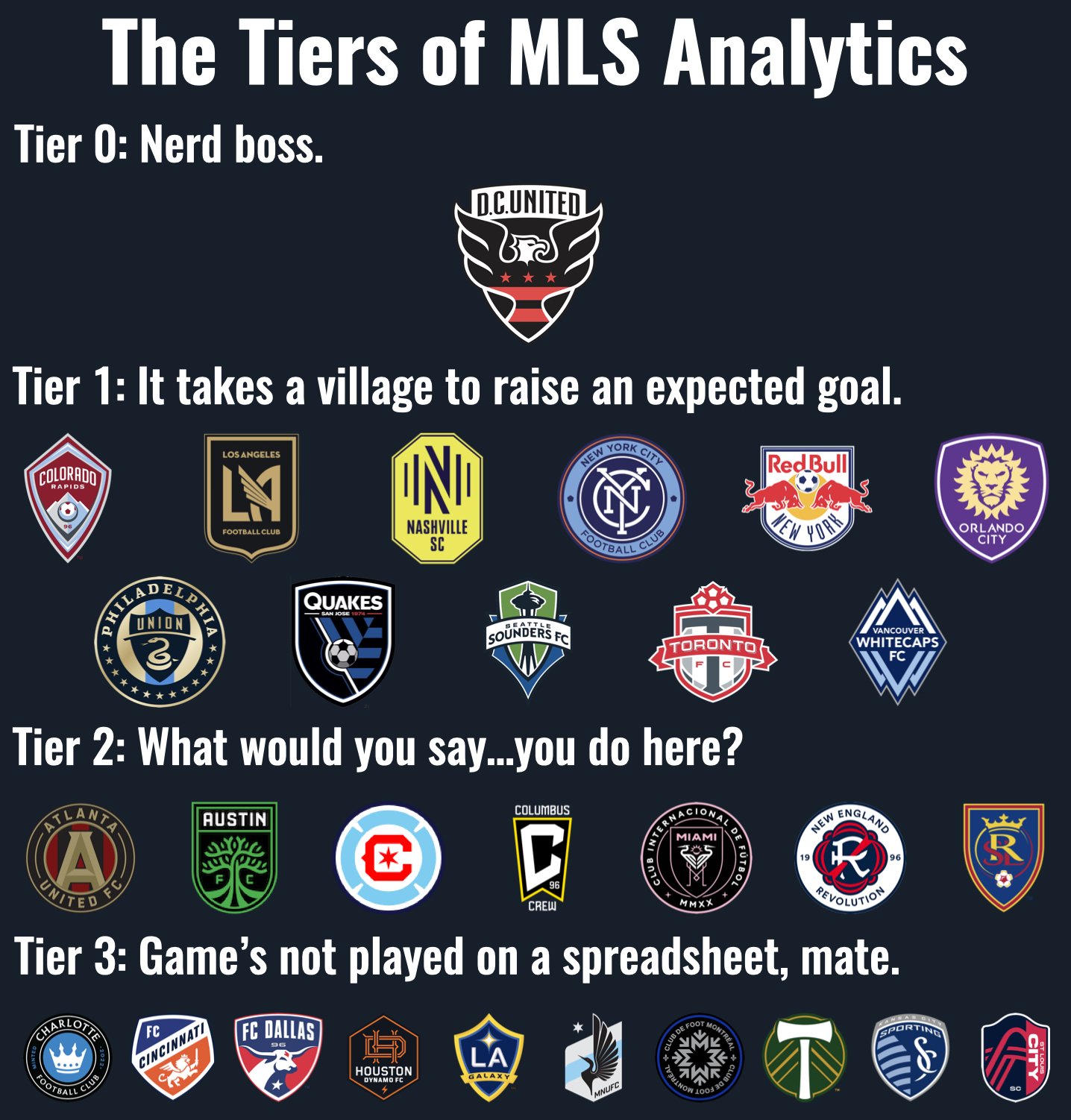
In the last decade, MLS has undergone a visual revolution. The league moved away from the “generic” American sports logos of the 90s toward a more sophisticated, “Euro-chic” aesthetic. We see a proliferation of “FC” (Football Club) and “SC” (Soccer Club) suffixes, along with crests that prioritize minimalism and heraldry.
This shift in corporate identity was intentional. It was designed to bridge the gap between American sports fans and global soccer purists. By adopting a visual language that respects the history of the sport while maintaining a modern, clean look, the league has positioned itself as a “Next Gen” sports brand. The 29 unique crests today represent a unified commitment to premium design, making the league’s merchandise and digital assets more palatable to a global, fashion-conscious audience.
The “Messi Effect” and the Globalization of the MLS Brand
The number of teams in the league became a secondary talking point the moment Lionel Messi signed with Inter Miami CF. This event represented a “Pivot Point” in the league’s brand strategy, moving from a developmental league to a “Destination League.”
Leveraging Star Power for International Market Penetration
Inter Miami, the 25th team to join the league, provides a perfect case study in brand acceleration. Before Messi, the club was a regional brand with growing pains. Post-Messi, it became a global phenomenon. This shift highlights how a single franchise within the 30-team ecosystem can act as a “Halo Brand” for the entire organization.
The presence of a global icon increases the value of every other team in the league. When Inter Miami plays an away game against the Chicago Fire or Charlotte FC, those local brands see a massive spike in visibility and revenue. This “rising tide” strategy demonstrates how the league uses its scale to create massive commercial opportunities for its partners and stakeholders.
Digital Transformation: The Apple TV Partnership as a Brand Pivot
A critical component of the modern MLS brand is its ten-year partnership with Apple. This was a move away from traditional linear broadcasting toward a tech-integrated streaming model. By consolidating all 29 (soon to be 30) teams under the “MLS Season Pass” on Apple TV, the league removed regional blackouts and created a frictionless global viewing experience.
This partnership is a brilliant brand alignment. Both Apple and MLS position themselves as innovators and disruptors. For the league, being the first major sports organization to go “all-in” on streaming reinforces its identity as a forward-thinking, tech-savvy brand. It also allows the league to collect data on its global audience, enabling more targeted marketing and personalized brand experiences for fans across the world.
Building Brand Equity through Community and Culture
At its core, a brand is a promise. For MLS, that promise is to provide a community-centric, high-energy experience that reflects the diversity of modern North America. The growth in the number of teams is a physical manifestation of that community expansion.
Supporter Groups as Co-Creators of Brand Value
Unlike many other corporate brands, MLS allows its “consumers” (the fans) to co-create the brand experience. The “Supporter Sections” in MLS stadiums are famous for their “Tifos”—massive, hand-painted banners—and choreographed chants.
From a marketing perspective, these fans are the ultimate brand ambassadors. They provide the “atmosphere” that the league sells to broadcasters and sponsors. By fostering a culture where fans feel like owners of the brand identity, MLS has built a level of brand loyalty that is rare in the corporate world. The league doesn’t just have 29 teams; it has 29 distinct sub-cultures that are constantly innovating and evolving the brand’s narrative.
Sustaining Long-Term Loyalty in a Saturated Sports Market
As the league reaches its 30-team milestone, the challenge shifts from expansion to sustainability. The brand must now focus on deepening its roots in existing markets. This involves investing in “Soccer Specific Stadiums,” which act as physical cathedrals for the brand. These stadiums are more than just venues; they are downtown anchors that revitalize neighborhoods and provide a permanent, physical touchpoint for the corporate identity.
By owning their infrastructure, MLS teams secure their financial future and solidify their place in the local cultural fabric. This long-term real estate strategy is a core pillar of the league’s business finance model, ensuring that the brand is not just a passing trend, but a permanent fixture of the North American landscape.

Conclusion
The question of “how many MLS teams are there” is the starting point for a much deeper conversation about brand scaling and corporate strategy. With 29 active teams and a 30th on the horizon, Major League Soccer has successfully navigated the transition from a struggling startup to a multi-billion dollar global entity.
Through the strategic use of franchise scarcity, the cultivation of hyper-local identities, the leveraging of global superstars, and a pioneering digital partnership with Apple, MLS has redefined what it means to be a modern sports brand. As the league approaches its 30-team capacity, its focus will likely shift from horizontal growth to vertical depth, continuing to refine its identity and enhance its value in the eyes of fans and investors alike. In the world of branding, MLS is no longer just a participant; it is a leader, setting the pace for how to build a lasting legacy in the 21st century.
aViewFromTheCave is a participant in the Amazon Services LLC Associates Program, an affiliate advertising program designed to provide a means for sites to earn advertising fees by advertising and linking to Amazon.com. Amazon, the Amazon logo, AmazonSupply, and the AmazonSupply logo are trademarks of Amazon.com, Inc. or its affiliates. As an Amazon Associate we earn affiliate commissions from qualifying purchases.