
The NASDAQ Stock Market stands as a monumental pillar in the global financial landscape, recognized as a primary exchange for some of the world’s most innovative and influential companies. Often synonymous with technology and growth, NASDAQ’s roster of listed companies represents a diverse cross-section of industries, yet its precise number is a constantly evolving figure. For investors, financial professionals, and market enthusiasts, understanding not just the quantity but the qualitative dynamics behind these listings offers invaluable insight into market trends, economic shifts, and investment opportunities. This article delves into the intricacies of NASDAQ’s company count, exploring its market structure, the factors that influence its numbers, and the strategic importance of this tech-forward exchange in the broader financial ecosystem.
The NASDAQ Exchange: A Beacon of Innovation and Market Efficiency
At its core, NASDAQ is more than just a list of companies; it is an electronically driven marketplace that revolutionized stock trading. Its very name, an acronym for the National Association of Securities Dealers Automated Quotations, speaks to its pioneering spirit in bringing automation and transparency to financial transactions. Understanding its foundational principles is crucial to appreciating its role in modern capital markets.
From OTC Bulletin Board to Global Technology Hub
Launched in 1971, NASDAQ was the world’s first electronic stock market. Its initial purpose was to provide an automated quotation system for over-the-counter (OTC) stocks, offering greater transparency and efficiency than the traditional, manual methods. This early adoption of technology set it on a path distinct from its venerable counterpart, the New York Stock Exchange (NYSE). Over the decades, NASDAQ transformed from a mere quotation system into a full-fledged stock exchange, becoming the preferred listing venue for nascent technology companies, biotechnology firms, and high-growth enterprises that sought a market embracing innovation. This trajectory cemented its reputation as the engine behind the tech boom, powering companies from Microsoft and Apple in their early days to modern giants like Amazon and Tesla.
Distinguishing Features in the Global Financial Landscape
What sets NASDAQ apart from other major exchanges? Primarily, it’s its fully electronic trading system, which eliminates the need for a physical trading floor. This fosters rapid execution, increased transparency, and lower transaction costs, appealing to a wide array of market participants. NASDAQ operates on a “dealer market” model, where multiple market makers compete to quote prices for stocks, ensuring continuous liquidity. This contrasts with the NYSE’s “auction market” model. Furthermore, NASDAQ has cultivated an environment that attracts companies focused on growth, innovation, and intellectual property, solidifying its identity as a global hub for technological advancement and groundbreaking ventures. Its global reach extends through partnerships and strategic acquisitions, positioning it as a critical component of the international financial infrastructure.
The Fluidity of Listing Numbers: A Comprehensive Look at NASDAQ’s Roster
The question of “how many companies are in the NASDAQ” yields a dynamic, ever-changing answer. Unlike a static roster, the number of listed entities fluctuates daily due to a multitude of market activities. To grasp this fluidity, it’s essential to understand NASDAQ’s tiered market structure and the continuous processes that shape its composition.
Understanding NASDAQ’s Tiered Market Structure
NASDAQ categorizes its listed companies into three distinct market tiers, each with specific listing requirements tailored to companies of varying sizes and stages of development. This tiered approach ensures a suitable marketplace for a broad spectrum of enterprises, from emerging growth companies to established multinational corporations.
- The NASDAQ Global Select Market: This is the most prestigious tier, boasting the highest initial listing standards in the world. Companies listed here typically have strong financial performance, high market capitalization, and robust corporate governance practices. It is home to many of the globe’s most recognized and liquid companies.
- The NASDAQ Global Market: This tier accommodates a large and diverse group of companies that meet stringent financial, liquidity, and corporate governance criteria, albeit slightly less demanding than the Global Select Market. It represents a significant segment of mid-to-large-cap enterprises.
- The NASDAQ Capital Market: Designed for smaller companies seeking to raise capital, this tier has less stringent financial requirements, making it accessible to early-stage growth companies and those with smaller market capitalizations. It serves as an important gateway for companies looking to transition from private to public markets.
Each tier plays a vital role in providing access to capital for a wide range of businesses, contributing to the overall depth and breadth of the NASDAQ ecosystem.
The Constant Flux: Factors Shaping the Company Count
The exact number of companies listed on NASDAQ is never truly fixed. It is a constantly evolving figure influenced by several market activities occurring daily. Initial Public Offerings (IPOs) introduce new companies to the exchange, boosting the count. Conversely, delistings occur when companies fail to meet listing requirements, are acquired by other entities, go private, or declare bankruptcy, reducing the total. Mergers and acquisitions (M&A) can also lead to delistings as one company absorbs another, often resulting in the cessation of the acquired entity’s stock trading. Furthermore, transfers between exchanges, such as a company moving from NASDAQ to the NYSE or vice versa, also contribute to these fluctuations. The aggregate impact of these events ensures that the reported number is a snapshot in time, requiring frequent updates to remain accurate.
Sourcing Accurate Data: Where to Find Current Listing Statistics
Given the dynamic nature of NASDAQ’s listings, obtaining the most current and accurate count requires consulting reliable sources. The official NASDAQ website (www.nasdaq.com) is the primary resource, offering detailed information on listed companies, market statistics, and press releases regarding new listings and delistings. Financial data providers such as Bloomberg, Refinitiv, S&P Global, and FactSet also compile and provide real-time data on exchange listings, often categorized by market tier and industry. While daily changes can make an absolute, real-time number elusive, these platforms offer the most up-to-date aggregates, providing an excellent basis for analysis and understanding the current composition of the exchange.
Why Companies Flock to NASDAQ: Strategic Advantages for Growth and Visibility
Companies deliberate extensively when choosing a stock exchange for their public listing. While various factors influence this critical decision, NASDAQ has cultivated a distinct set of advantages that make it particularly appealing, especially to entities focused on growth, innovation, and technological advancement. These advantages span from the credibility conferred by its rigorous standards to the strategic benefits of enhanced market visibility and liquidity.
Rigorous Listing Standards: A Hallmark of Credibility
Earning a spot on NASDAQ’s listing requires companies to meet a stringent set of financial, liquidity, and corporate governance criteria. These standards ensure that only financially sound and well-managed entities are admitted, which in turn builds investor confidence. For instance, requirements cover minimum share price, market value, public float, number of shareholders, and specific corporate governance structures, including independent directors and audit committees. Meeting these benchmarks signals to investors, partners, and customers that a company adheres to high levels of transparency and accountability. A NASDAQ listing, particularly on the Global Select Market, is globally recognized as a mark of prestige and credibility, often facilitating easier access to future capital raises and enhancing a company’s brand reputation.
The Magnet for Disruptors: Catering to Technology and High-Growth Sectors
NASDAQ’s historical association with technology and innovation has created a powerful self-reinforcing cycle. Startups and high-growth companies in sectors like software, biotechnology, semiconductors, e-commerce, and renewable energy are often drawn to NASDAQ because of its established investor base that understands and values growth potential over traditional profitability metrics. This concentration of similar companies creates a vibrant ecosystem where innovation is celebrated, and industry-specific research and analyst coverage are robust. For “disruptors” seeking to challenge established industries or create entirely new markets, NASDAQ offers a sympathetic and informed audience of investors eager to fund the next big idea, making it the ideal launchpad for transformational ventures.
Beyond Capital: The Broader Benefits of a NASDAQ Listing
While raising capital is a primary reason for going public, a NASDAQ listing offers a multitude of additional strategic benefits. The enhanced visibility that comes with public trading can significantly elevate a company’s profile, boosting its brand recognition and perceived market leadership. Being listed on a major exchange also provides increased liquidity for a company’s stock, making it easier for investors to buy and sell shares, which can attract a broader pool of institutional and retail investors. Furthermore, public valuation provides a clear benchmark for corporate performance and can be a valuable tool for employee compensation through stock options, attracting and retaining top talent. The rigorous reporting requirements also instill greater discipline in financial management and operational processes, contributing to long-term organizational health and investor confidence.
Navigating NASDAQ as an Investor: Opportunities and Analytical Approaches
For investors, understanding NASDAQ extends beyond merely knowing the number of companies; it involves recognizing its distinct market characteristics and leveraging its robust indices to inform investment strategies. Given its concentration of growth-oriented and technology companies, NASDAQ presents unique opportunities, alongside specific considerations for risk management and portfolio diversification.
Decoding NASDAQ’s Bellwether Indices
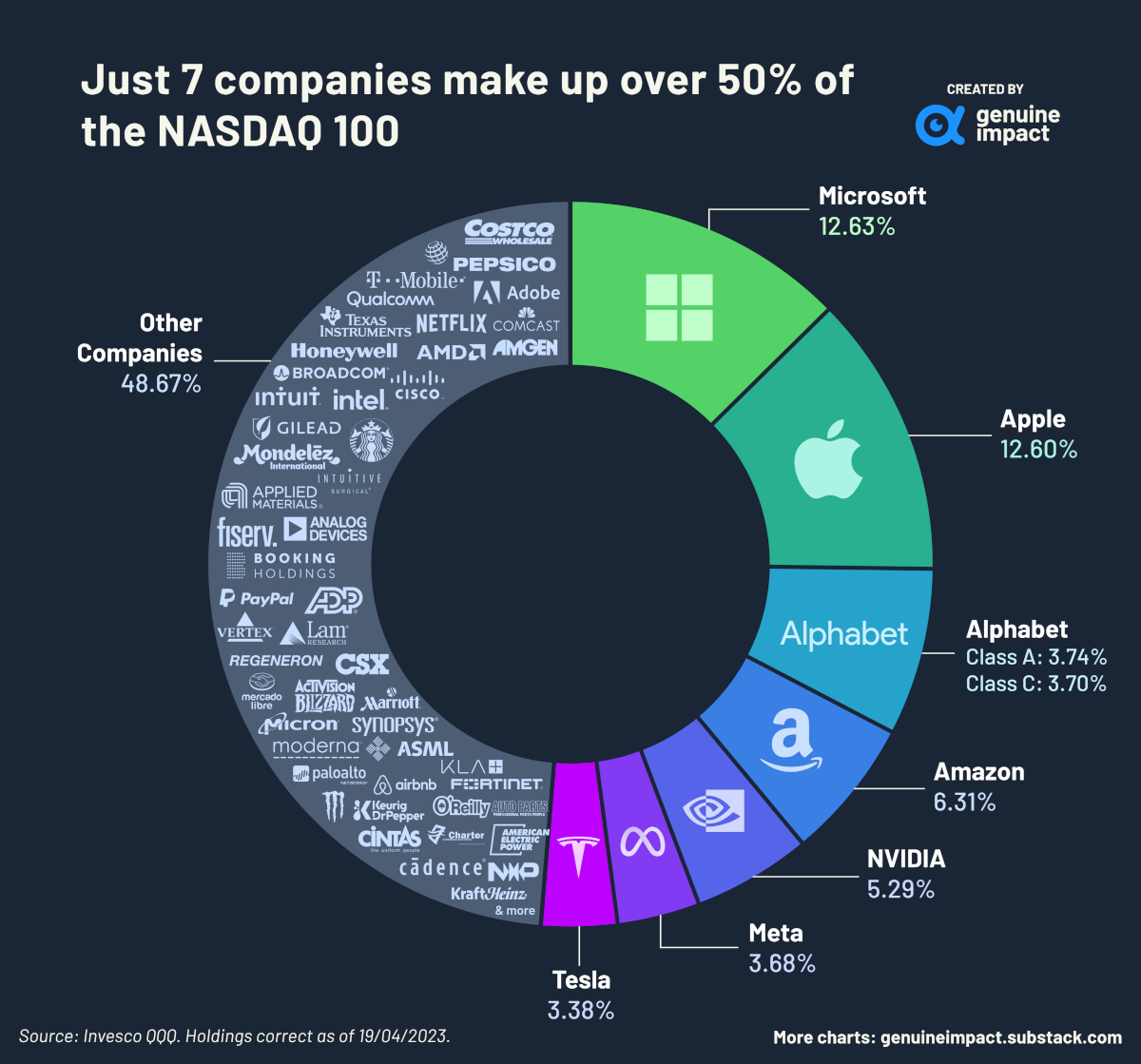
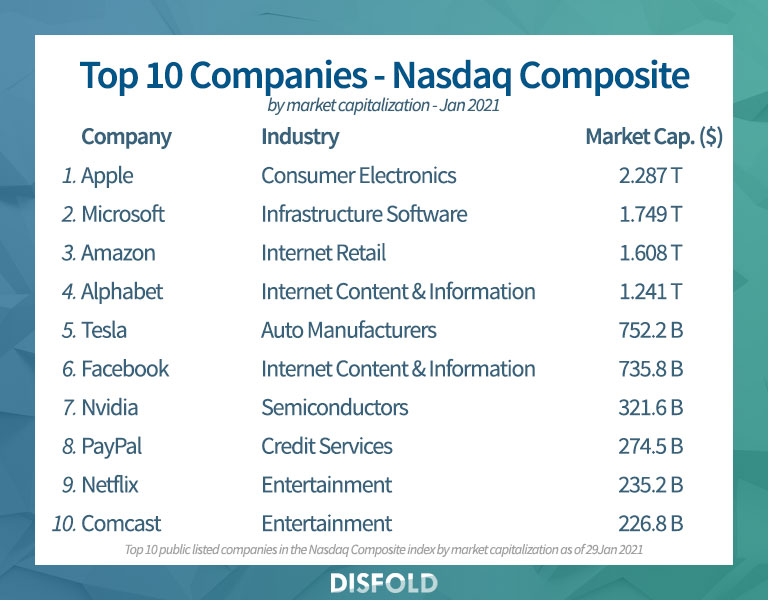
NASDAQ’s performance is primarily tracked through several key indices, each offering a different lens into the market. The most comprehensive is the NASDAQ Composite Index, which includes virtually all common stocks listed on the NASDAQ Stock Market. Its movements broadly reflect the performance of the entire exchange. More famously, the NASDAQ-100 Index comprises 100 of the largest non-financial companies listed on NASDAQ, making it a critical barometer for the health of the large-cap technology and growth sectors. The performance of these indices is often mirrored by popular exchange-traded funds (ETFs) such as the Invesco QQQ Trust, providing investors with a straightforward way to gain exposure to NASDAQ’s leading companies. Analyzing these indices offers crucial insights into market sentiment, sector trends, and the overall trajectory of the innovation economy.
Investment Strategies for a Growth-Oriented Exchange
Investing in NASDAQ-listed companies often aligns with a growth-oriented investment philosophy. Such strategies typically involve identifying companies with strong potential for future earnings and revenue expansion, rather than those solely valued on current dividends or book value. Given the prevalence of technology and biotech firms, investors often focus on innovation, market share expansion, intellectual property, and competitive advantages. However, this focus on growth often comes with higher volatility and risk, as future potential can be more speculative. Diversification, both within NASDAQ across different industries (e.g., software, hardware, biotech, e-commerce) and across different exchanges or asset classes, becomes paramount to mitigate concentration risk in a portfolio heavily weighted towards growth stocks. Prudent investors combine fundamental analysis with an understanding of macroeconomic trends that favor or hinder growth sectors.
The Evolving Horizon: NASDAQ’s Future in Global Capital Markets
NASDAQ’s journey has been one of continuous evolution, mirroring the rapid pace of technological advancement and global economic shifts. As it looks to the future, the exchange remains committed to adapting its infrastructure and offerings to maintain its relevance as a leading global marketplace for capital.
Embracing New Frontiers: Emerging Industries and Listing Trends
The profile of NASDAQ listings is continually evolving to reflect the cutting edge of global innovation. Beyond traditional software and hardware, NASDAQ is increasingly becoming the listing venue of choice for companies in burgeoning sectors such as artificial intelligence (AI), machine learning, cybersecurity, biotechnology, gene editing, space exploration, clean energy technologies, and electric vehicles. These industries represent the next wave of economic growth and technological disruption. NASDAQ’s forward-thinking approach to listing requirements and its supportive ecosystem for high-growth ventures position it perfectly to attract these emerging leaders, ensuring its roster remains at the forefront of global innovation and provides investors access to the industries of tomorrow.

Sustaining Relevance: Adapting to Economic and Regulatory Shifts
NASDAQ’s enduring success hinges on its ability to anticipate and respond to broader economic forces and regulatory changes. This includes adapting to new financial technologies, such as blockchain and tokenized assets, and navigating complex geopolitical landscapes that influence global capital flows. The exchange continuously invests in its trading technology, market surveillance systems, and cybersecurity infrastructure to maintain market integrity and efficiency. Furthermore, it actively engages with regulators worldwide to shape policies that foster fair and transparent markets while supporting innovation. By maintaining its agility and commitment to technological leadership, NASDAQ aims to strengthen its position as an indispensable engine of capital formation and a bellwether for the global economy for decades to come.
In conclusion, while the question of “how many companies are in the NASDAQ” yields a specific, yet constantly moving, numerical answer, its true significance lies in the dynamic interplay of market forces, strategic advantages for companies, and compelling opportunities for investors. NASDAQ is not just a compilation of numbers but a living, breathing financial ecosystem that underpins much of the world’s innovation and economic growth, constantly reshaping itself to meet the demands of a rapidly changing global landscape.
aViewFromTheCave is a participant in the Amazon Services LLC Associates Program, an affiliate advertising program designed to provide a means for sites to earn advertising fees by advertising and linking to Amazon.com. Amazon, the Amazon logo, AmazonSupply, and the AmazonSupply logo are trademarks of Amazon.com, Inc. or its affiliates. As an Amazon Associate we earn affiliate commissions from qualifying purchases.